Dog Barking Behavior Analyzer & Training Guide
Select the scenario that best describes when your dog barks most frequently:
Analysis for:
Recommended Strategy
Environmental Adjustments
Collar Suitability
| Type | Verdict |
|---|
* Always consult a professional before using any device.
There is nothing quite as frustrating as the sound of your dog’s relentless barking. It disrupts your sleep, stresses out your neighbors, and can make you feel like a bad owner. You might be tempted to reach for the loudest tool available, perhaps an electric shock collar that promises instant silence. But before you spend money on gadgets that could harm your pet, it is crucial to understand why they bark in the first place.
Barking is not just noise; it is communication. Your dog is trying to tell you something. They might be bored, anxious, protective, or simply asking for attention. If you suppress the symptom without treating the cause, the problem will likely return-or get worse. This guide walks you through identifying the root causes, applying effective training techniques, and understanding when tools like anti-bark collars are appropriate, and which ones are dangerous.
Identify the Root Cause of the Barking
You cannot fix what you do not understand. Different types of barking require different solutions. Before you start any training program, observe your dog for a few days. Keep a simple log of when the barking happens, what triggers it, and how long it lasts. This data is more valuable than any expensive gadget.
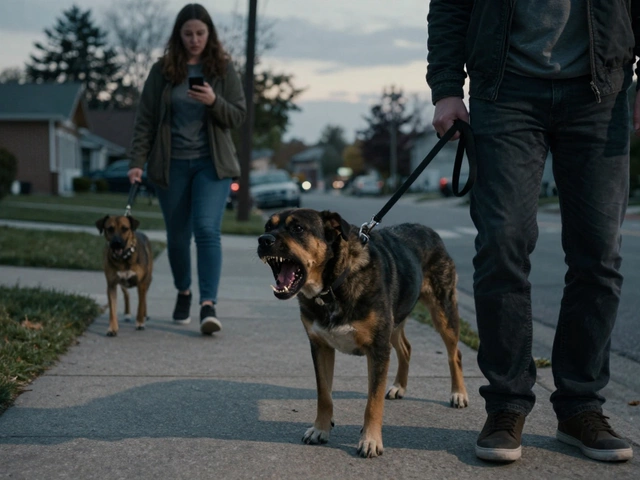
- Alert Barking: Your dog barks at the doorbell, strangers walking by, or cars passing. This is instinctual behavior. They are guarding their territory. While natural, it becomes problematic if it never stops once the threat has passed.
- Anxiety Barking: This often happens when you leave the house. Accompanied by pacing, whining, or destructive chewing, this is a sign of separation anxiety. Punishing this type of barking increases stress and makes the anxiety worse.
- Boredom Barking: Does your dog bark all day while you are at work? They may simply lack mental stimulation. A tired dog is a quiet dog. Without exercise and engagement, they create their own entertainment-usually involving loud noises.
- Attention-Seeking Barking: Your dog learns that barking gets them what they want. Maybe it is a walk, a treat, or just eye contact. If you look at them or say "no" every time they bark, you are rewarding the behavior with attention.
Once you identify the trigger, you can choose the right strategy. Alert barking needs desensitization. Anxiety requires patience and gradual alone-time training. Boredom calls for more activity. Attention-seeking demands strict consistency.
The Power of Positive Reinforcement
Modern veterinary behaviorists overwhelmingly recommend positive reinforcement training over punishment-based methods. This approach rewards desired behaviors rather than punishing unwanted ones. It builds trust and strengthens the bond between you and your dog.
To stop barking using positive reinforcement, follow these steps:
- Ignore the Behavior: When your dog barks for attention, turn your back, cross your arms, and stay silent. Do not make eye contact. The moment they stop barking, even for a second, immediately reward them with a high-value treat and praise. This teaches them that silence brings rewards, while noise brings nothing.
- Teach the "Quiet" Command: Wait for your dog to bark naturally (perhaps at a doorbell). Say "Quiet" in a calm, firm voice. Hold a treat near their nose to interrupt the barking. Once they pause to sniff the treat, mark the silence with a clicker or a verbal "Yes," then give the treat. Gradually increase the duration of silence required before the reward.
- Redirect Energy: If your dog barks at passersby, redirect their focus to you. Ask them to sit or lie down beside you. Reward them for looking at you instead of the window. Over time, they learn that watching you is more rewarding than watching the street.
This method takes time and consistency. It does not produce overnight results, but it creates lasting change because the dog understands what is expected of them.

Understanding Anti-Bark Collars: Types and Risks
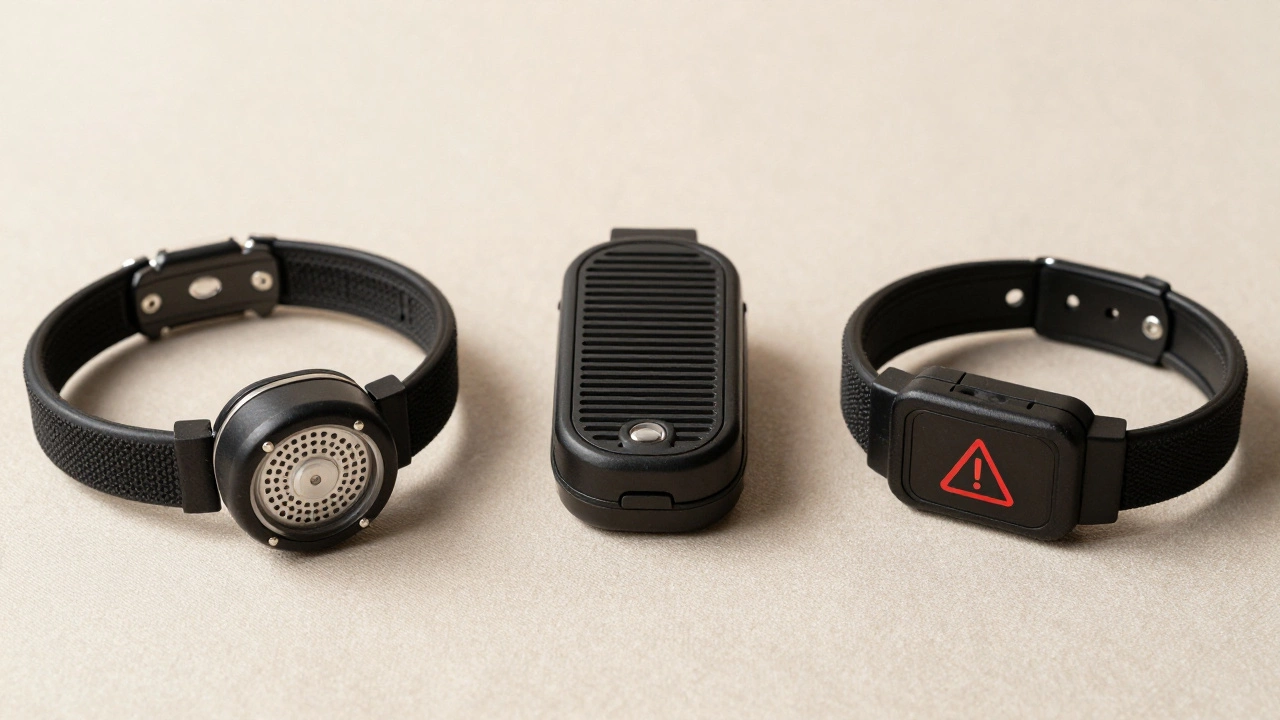
When training fails or the situation is urgent, many owners consider anti-bark collars. These devices detect barking via sound or vibration and deliver a correction. However, not all collars are created equal. Some are humane and effective; others are cruel and potentially illegal depending on your location.
| Type | Mechanism | Effectiveness | Risks & Concerns |
|---|---|---|---|
| Citronella/Spray Collar | Releases a burst of citronella scent when barking is detected. | Moderate | Generally safe. Some dogs may find the smell unpleasant but not harmful. Can be ineffective for stubborn barkers. |
| Vibration Collar | Delivers a gentle vibration to distract the dog. | Moderate to High | Low risk. May startle sensitive dogs. Best used as a reminder rather than a punishment. |
| Sonic/Ultrasound Collar | Emits a high-frequency sound only dogs can hear. | Variable | Safe for most dogs. May annoy other pets or people nearby. Not effective for deaf dogs. |
| Static Shock Collar | Delivers an electric shock upon detecting barking. | High (short-term) | High Risk. Can cause fear, aggression, and physical injury. Banned in several countries. Veterinary associations strongly advise against use. |
If you decide to use a collar, always consult a professional trainer first. Never use a shock collar unless absolutely necessary and under professional supervision. Even then, many experts argue that the risks outweigh the benefits. Citronella and vibration collars are safer alternatives that still provide a clear signal without causing pain.
Environmental Management and Lifestyle Changes
Training is only one part of the equation. Your dog’s environment plays a huge role in their behavior. Simple changes can reduce barking significantly without any formal training sessions.
- Block Visual Triggers: If your dog barks at people outside, cover the lower half of windows with opaque film. This limits their view while still allowing light in. For indoor cats, ensure they have high perches away from dog-accessible areas to prevent inter-species barking.
- White Noise Machines: For alert barkers, background noise can mask outside sounds. A fan, radio, or white noise machine can help drown out distant traffic or neighbor conversations that trigger barking.
- Increase Exercise: A physically exhausted dog is less likely to bark out of boredom. Aim for at least 30-60 minutes of vigorous exercise daily, depending on breed and age. Incorporate mental stimulation like puzzle toys, scent games, or obedience training.
- Create a Safe Space: Provide a quiet, comfortable area where your dog can retreat. Use a crate or a designated room with their bed and favorite toys. Make this space positive by feeding meals there and giving treats when they enter voluntarily.
These adjustments address the underlying needs of your dog. They show respect for their instincts while guiding them toward calmer behavior.
When to Seek Professional Help
Some cases of excessive barking are deeply rooted in trauma, medical issues, or severe anxiety. If your dog shows signs of self-harm, aggression, or extreme distress, do not attempt to handle it alone. Consult a certified veterinary behaviorist or a force-free professional dog trainer.
Medical conditions such as thyroid disorders, cognitive decline in senior dogs, or chronic pain can also cause increased vocalization. A vet visit should always be the first step if the barking is sudden or accompanied by other behavioral changes.
Remember, patience is key. Changing ingrained habits takes weeks, sometimes months. Consistency from all household members is essential. If one person ignores the barking while another gives attention, the dog remains confused and the behavior persists.
How long does it take to train a dog to stop barking?
It varies widely depending on the cause and consistency of training. For simple attention-seeking barking, you might see improvement in 1-2 weeks. For deep-seated anxiety or territorial barking, it can take several months of daily practice. Patience and persistence are critical.
Are shock collars safe for dogs?
Most veterinary organizations and animal welfare groups advise against shock collars due to risks of fear, aggression, and physical injury. Safer alternatives like citronella spray or vibration collars are recommended. Always consult a professional before using any aversive device.
Why does my dog bark when I leave the house?
This is likely separation anxiety. Your dog feels distressed when left alone. Solutions include gradual desensitization to departures, providing engaging toys, and possibly consulting a behaviorist for severe cases. Punishment worsens anxiety.
Can exercise really stop barking?
Yes, especially for boredom-induced barking. Physical and mental exhaustion reduces the energy available for nuisance barking. Combine regular walks with puzzle toys and training sessions for best results.
What should I do if my dog barks at night?
First, rule out medical issues or discomfort. Ensure they have had enough exercise during the day. Create a quiet sleeping environment with minimal distractions. Avoid reinforcing nighttime barking with attention. Consider a white noise machine to mask external sounds.