Dog Flight Cost & Policy Estimator
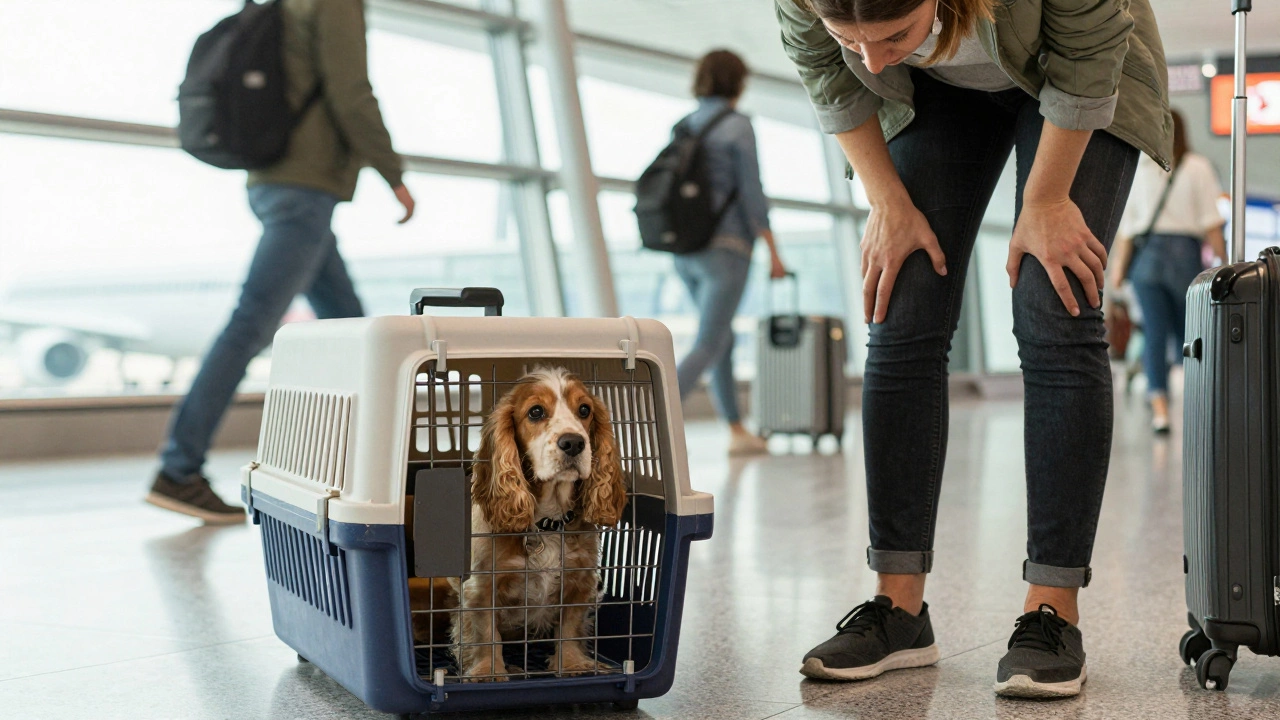
Picture this: you’re at the airport gate, ready to board, but your loyal companion is stuck behind you. Not because they misbehaved, but because they weigh exactly 40 pounds. That’s the tricky line many airlines draw between "carry-on" and "cargo." Flying with a 40 lb dog isn’t impossible, but it requires strategy, patience, and a deep understanding of airline rules that change faster than flight schedules.
If you have a medium-to-large breed like a Cocker Spaniel, Beagle, or even a smaller Labrador, you know the struggle. Most major carriers cap in-cabin pets at 15 to 20 pounds including the carrier. A 40-pound dog almost always means checking them as baggage or shipping them via cargo. But before you book that ticket, let’s break down your real options so you don’t get stranded at the terminal.
The Hard Truth About Weight Limits
You need to accept one fact early on: a 40 lb dog will likely not fly in the cabin with you on most traditional airlines. The Federal Aviation Administration (FAA) doesn’t set weight limits, but individual airlines do to ensure safety and space. Delta, United, American, and Southwest generally limit in-cabin pets to 15-20 lbs total (dog plus carrier).
Why the strict limit? It’s about overhead bin space and emergency evacuation protocols. If every passenger brought a 40-lb dog, planes would be dangerously crowded. However, there are exceptions. Some boutique airlines or specific routes might offer more flexibility, but these are rare. Your primary path is usually checked baggage or cargo.
Option 1: Checked Baggage (The Most Common Route)
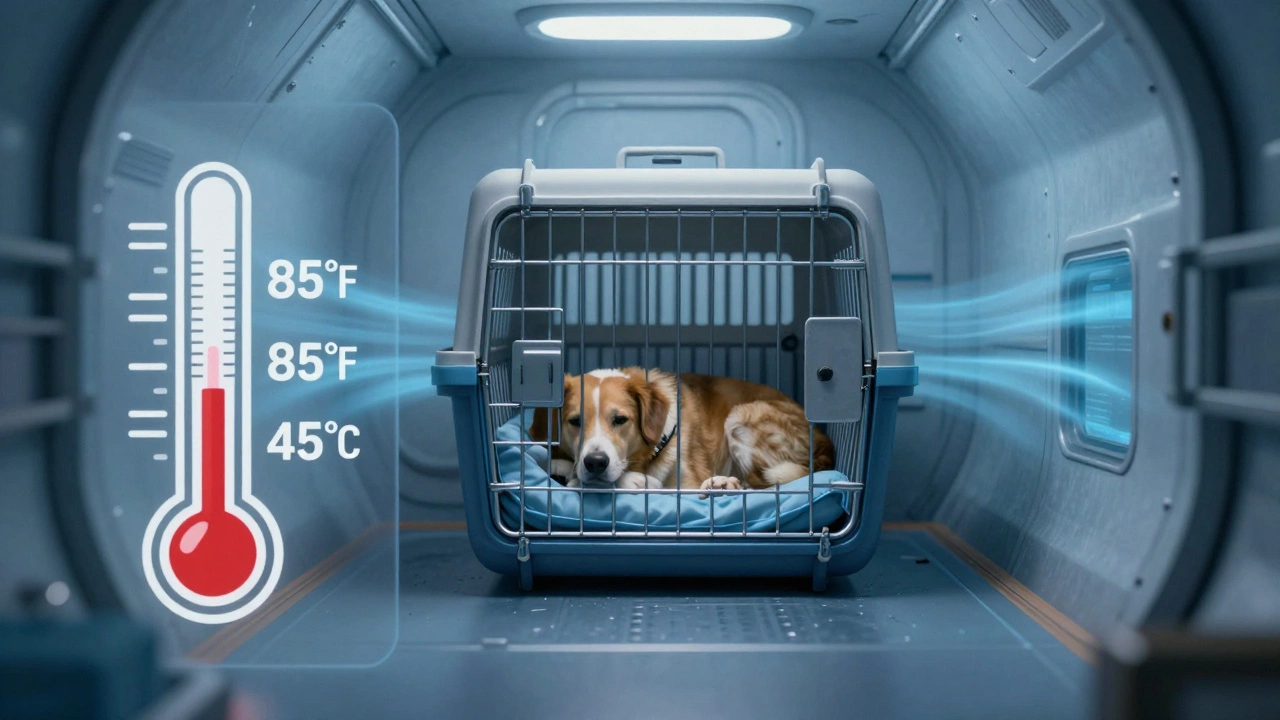
When your dog travels as checked baggage, they ride in the pressurized, temperature-controlled hold of the plane. This is different from unpressurized freight cargo. Here’s what you need to know:
- Cost: Expect to pay $100-$250 each way within the US. International flights can cost significantly more.
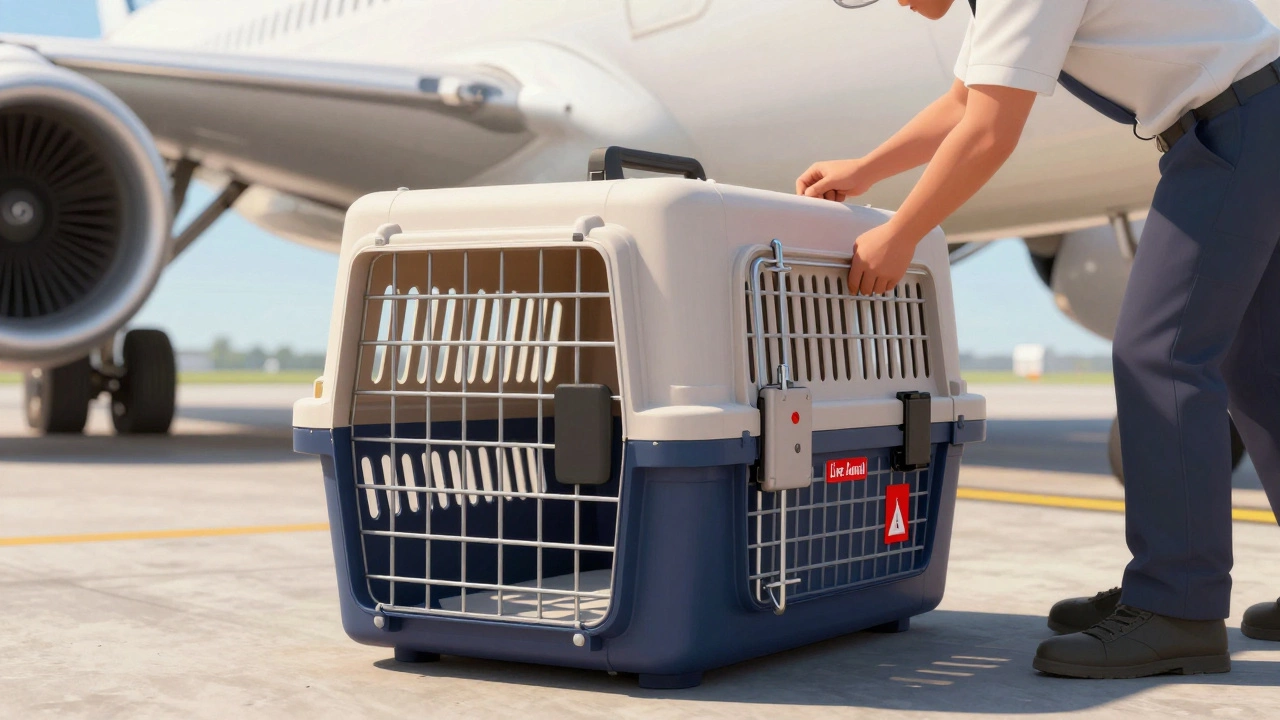
- Carrier Requirements: You must use an IATA-compliant hard-sided kennel. Soft carriers won’t survive the handling process.
- Check-in Process: Arrive at least 3 hours early. You’ll fill out health certificates and pay fees at the special services counter, not the regular check-in desk.
This option keeps you connected to your dog’s flight status. If your flight gets delayed, their shipment is usually adjusted automatically. It’s also cheaper than full cargo services. But remember, you won’t see your dog until you land and head to the baggage claim area designated for live animals.
Option 2: Air Cargo (For Long-Haul or International)
If you’re flying internationally or on a route where checked baggage isn’t available for pets, you’ll use air cargo. Companies like PetAir or UPS Pet Care handle these shipments. Your dog travels separately from you, often on a different flight.
Air cargo is more expensive ($500-$2,000+) but offers specialized care. Handlers monitor temperatures and pressure closely. This is the safest bet for very long journeys or extreme weather conditions where airlines might ban checked pets entirely.
Critical Preparation Steps
Flying with a large dog isn’t just about buying a ticket. You need to prepare documentation and gear weeks in advance.
1. Health Certificate
A USDA-accredited veterinarian must issue a health certificate within 10 days of travel. For international flights, this window tightens to 5 days or less. This document proves your dog is free of contagious diseases and fits to fly. Don’t skip this; no airline will load your dog without it.
2. The Right Kennel
Your 40 lb dog needs a crate that allows them to stand, turn around, and lie down comfortably. Measure your dog, then add 2-4 inches for comfort. The crate must be sturdy, leak-proof, and have secure latches. Label it clearly with your contact info, destination address, and "Live Animal" stickers facing outward.
3. Acclimation Training
Don’t introduce the crate the day before the trip. Start weeks early. Feed your dog inside the crate, take short car rides, and simulate airport noises. A stressed dog makes travel harder for everyone. Calm behavior starts at home.
Airlines That Might Offer Flexibility
While most major US airlines stick to the 20-lb rule, some European and Asian carriers have slightly higher limits or more flexible policies. Always call directly-website info is often outdated.
| Airline | In-Cabin Limit | Checked Baggage Allowed? | Notes |
|---|---|---|---|
| Delta Air Lines | 20 lbs (total) | Yes | Strict size limits; no snub-nosed breeds in cargo. |
| United Airlines | 15 lbs (total) | Yes | Temperature restrictions apply; banned if avg temp >85°F or <45°F. |
| American Airlines | 20 lbs (total) | Yes | Requires advance reservation; limited spots per flight. |
| British Airways | 22 lbs (total) | Yes | More flexible for larger dogs on certain routes. |
| Lufthansa | 22 lbs (total) | Yes | Strong cargo network; good for international travel. |
Weather Restrictions: The Hidden Trap
Airlines refuse to transport dogs as cargo or checked baggage when temperatures are too hot or too cold. This is known as the "temperature embargo." If the departure, arrival, or layover city has an average daily temperature above 85°F (29°C) or below 45°F (7°C), your dog may be denied boarding.
This affects spring and fall travel heavily. Always check the forecast for all airports involved. If you’re close to the cutoff, consider rebooking or using a professional pet shipper who can navigate these restrictions better than you can.
Brachycephalic Breeds: Extra Caution
If your 40 lb dog is a Bulldog, Pug, Boxer, or any breed with a flat face, you face additional hurdles. These breeds struggle to regulate body temperature and breathe under stress. Many airlines, including Delta and United, ban them from cargo holds entirely due to high mortality rates during flights.
For brachycephalic breeds, in-cabin travel is often the only safe option-but you’ll need a carrier that fits the weight limit, which is nearly impossible for a 40-lb dog. Consult your vet about sedation risks (never sedate without veterinary approval) and consider alternative transport like ground services.
Pro Tips for a Smooth Journey
- Book Early: Airlines limit the number of pets per flight. Secure your spot weeks in advance.
- Use a Familiar Blanket: Place a worn t-shirt or blanket in the crate to provide comfort through scent.
- Hydrate Wisely: Attach a frozen water bowl to the crate door to prevent spills while providing ice that melts slowly.
- Avoid Feeding Before Flight: Withhold food for 4-6 hours before travel to reduce nausea and accidents.
- Arrive Early: Give yourself 3 hours for paperwork, weighing, and security checks.
What Happens at the Airport?
On travel day, go straight to the Live Animal Counter. You’ll present your health certificate, pay fees, and hand over your crate. The staff will inspect the latch and label the crate. You’ll receive a receipt with tracking details. Keep this receipt handy-it’s your proof of shipment.
At your destination, proceed to the Live Animal Receiving Area immediately after deplaning. Do not go to regular baggage claim. Wait for your name to be called or for staff to bring your crate to you.
Can a 40 lb dog fly in the cabin?
Almost never. Most US airlines limit in-cabin pets to 15-20 lbs including the carrier. A 40 lb dog exceeds this limit and must travel as checked baggage or air cargo. Always verify with your specific airline, as policies vary.
Is it safe for a large dog to fly in the cargo hold?
Yes, when done correctly. The cargo hold is pressurized and temperature-controlled. Risks increase with extreme weather, improper crating, or lack of acclimation. Using IATA-compliant crates and avoiding temperature embargoes minimizes danger.
How much does it cost to fly with a 40 lb dog?
Expect $100-$250 each way for checked baggage within the US. International flights or air cargo services can range from $500 to over $2,000 depending on distance, airline, and service level.
Do I need a health certificate to fly with my dog?
Yes. A USDA-accredited vet must issue a health certificate within 10 days of travel (or less for international). This document confirms your dog is healthy and fit to fly. No airline will transport your pet without it.
What if the weather is too hot or cold?
Airlines enforce temperature embargoes. If the average daily temperature at any airport involved is above 85°F or below 45°F, your dog may be denied boarding. Check forecasts carefully and consider rescheduling or using professional pet shipping services.
Can I sedate my dog for the flight?
Generally no. Sedation can interfere with breathing and balance at altitude, posing serious health risks. Most airlines prohibit sedated pets. Consult your vet for calming aids that are safe for air travel instead.
Which airlines are best for traveling with large dogs?
European carriers like British Airways and Lufthansa often have more flexible policies for larger dogs compared to US majors. Always call customer service directly to confirm current rules, as online information may be outdated.