Dog Sleep Behavior Quiz
How Well Do You Understand Your Dog's Sleep Habits?
Take this 5-question quiz to see what you know about why dogs sleep next to their owners.
Question 1: Why do dogs sleep next to their owners?
Question 2: What does it mean when a dog sleeps with its belly exposed?
Question 3: What is a possible sign of separation anxiety in dogs?
Question 4: What should you do if your dog sleeps on your bed because of separation anxiety?
Question 5: Is it always healthy for dogs to sleep with their owners?
Your Score:
Ever wake up to find your dog curled up right beside your pillow, snoring softly like a tiny engine? You’re not alone. Millions of dog owners share this nightly ritual. But why does your dog choose your bed over its own cozy dog bed? It’s not just about warmth or soft sheets. There’s a deeper reason rooted in instinct, emotion, and the bond you’ve built together.
They See You as Their Pack Leader
Dogs are descendants of wolves, and wolves sleep in close proximity to their pack. In the wild, sleeping together isn’t just about comfort-it’s about safety. The pack protects each other while resting. When your dog climbs onto your bed, it’s not being disobedient. It’s following an ancient rule: sleep near the leader to stay protected. Your dog doesn’t think of itself as a pet. It thinks of you as its alpha, its guardian, its family. Sleeping next to you reinforces that hierarchy-and gives your dog a sense of security.It’s a Sign of Trust
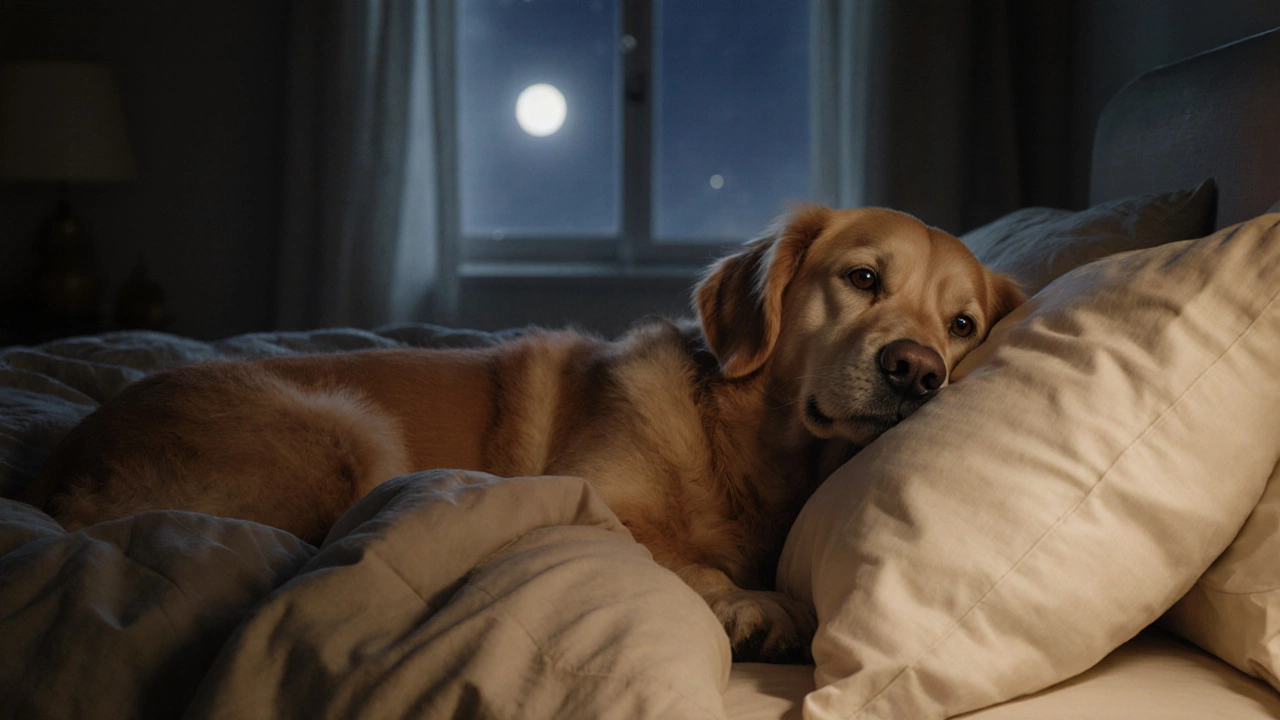
Dogs don’t sleep deeply unless they feel safe. Think about it: when was the last time you saw your dog fully asleep on the floor in a busy room? Probably never. But when your dog curls up beside you, eyes closed, belly exposed, that’s trust in its purest form. That vulnerable position-belly up, limbs relaxed-is only taken when a dog knows it won’t be harmed. Your bed isn’t just a place to rest. To your dog, it’s a sanctuary. And you’re the reason it feels safe enough to let its guard down.They Crave Your Scent and Warmth
Your scent is familiar. It’s comforting. It’s home. Dogs have up to 300 million olfactory receptors-compared to our 5 million. That means your smell carries a lot more information to them than it does to you. When you’re in bed, your pillow, sheets, and blankets are soaked in your unique scent. That’s like walking into a room where everyone you love is talking at once. It’s overwhelming in the best way. Add in body heat, and you’ve got the perfect sleeping environment. Even if your dog has a heated dog bed, nothing beats the warmth of a human body.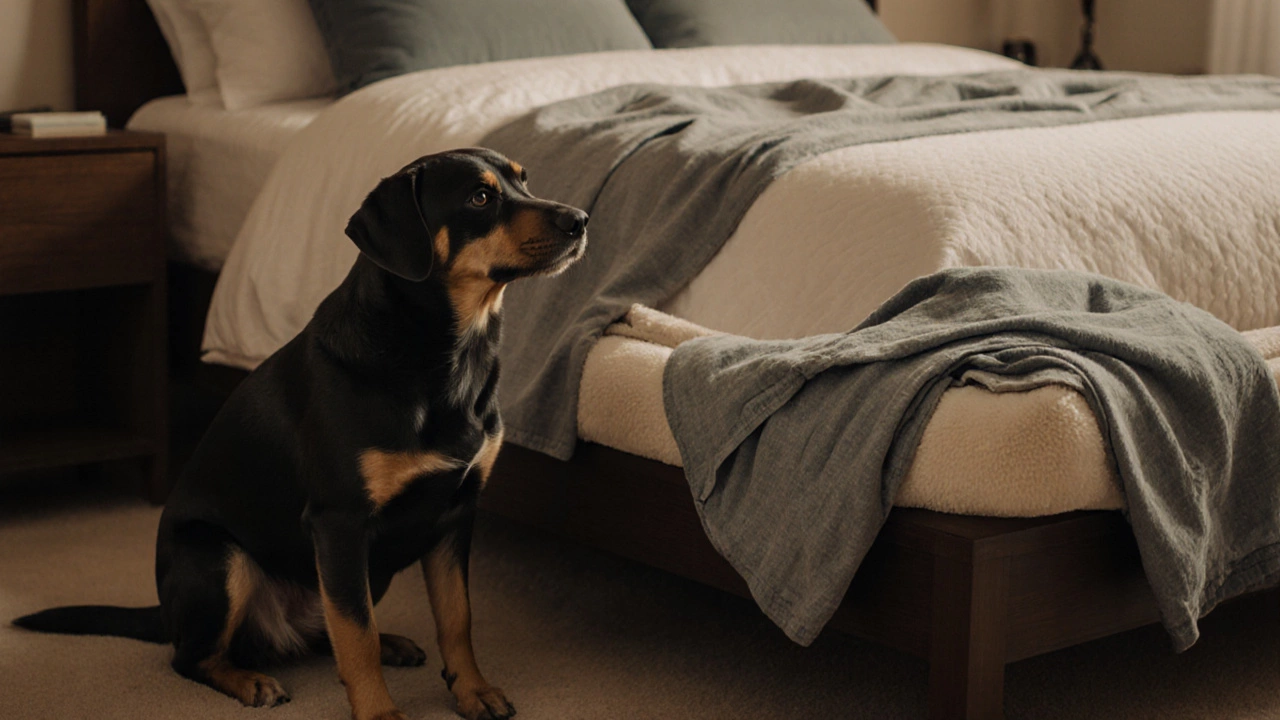
Separation Anxiety Is Often the Hidden Cause
Not all dogs sleep next to their owners because they want to. Some do it because they’re afraid not to. If your dog follows you from room to room, whines when you leave the house, or becomes frantic when you start getting ready for bed, it might be struggling with separation anxiety. Sleeping next to you is its way of preventing you from leaving. This isn’t just clinginess-it’s stress. And if left unaddressed, it can grow into bigger behavioral issues. Look for other signs: chewing furniture when alone, pacing, excessive barking, or accidents in the house. If you suspect anxiety, talk to a vet or certified dog behaviorist. They can help you create a plan that gives your dog confidence without reinforcing dependency.Your Dog’s Sleeping Preferences Are Shaped by Experience
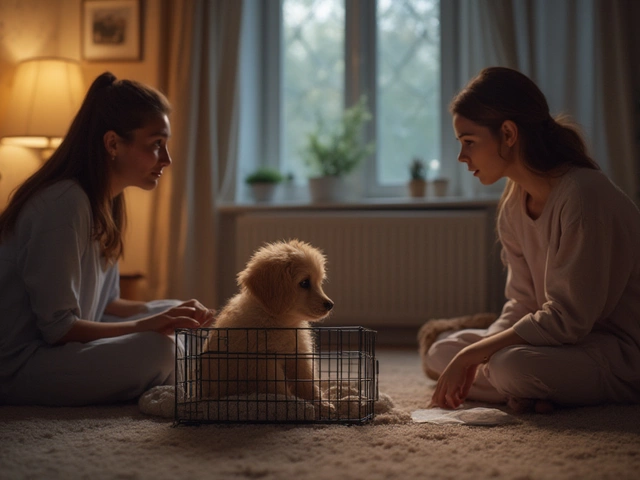
Some dogs were never taught to sleep anywhere else. Maybe when they were a puppy, you let them sleep beside you out of pity-or because they cried. That one time turned into every night. Over time, your dog learned that being on your bed = attention = comfort = reward. Dogs don’t understand boundaries the way humans do. They follow patterns. If you’ve allowed it, they assume it’s normal. That doesn’t mean you have to stop it. But if you want your dog to sleep in its own bed, you need to retrain it gently. Start by placing its bed right next to yours. Reward it when it lies down there. Slowly move it farther away over weeks. Consistency is key. Don’t punish. Don’t yell. Just redirect.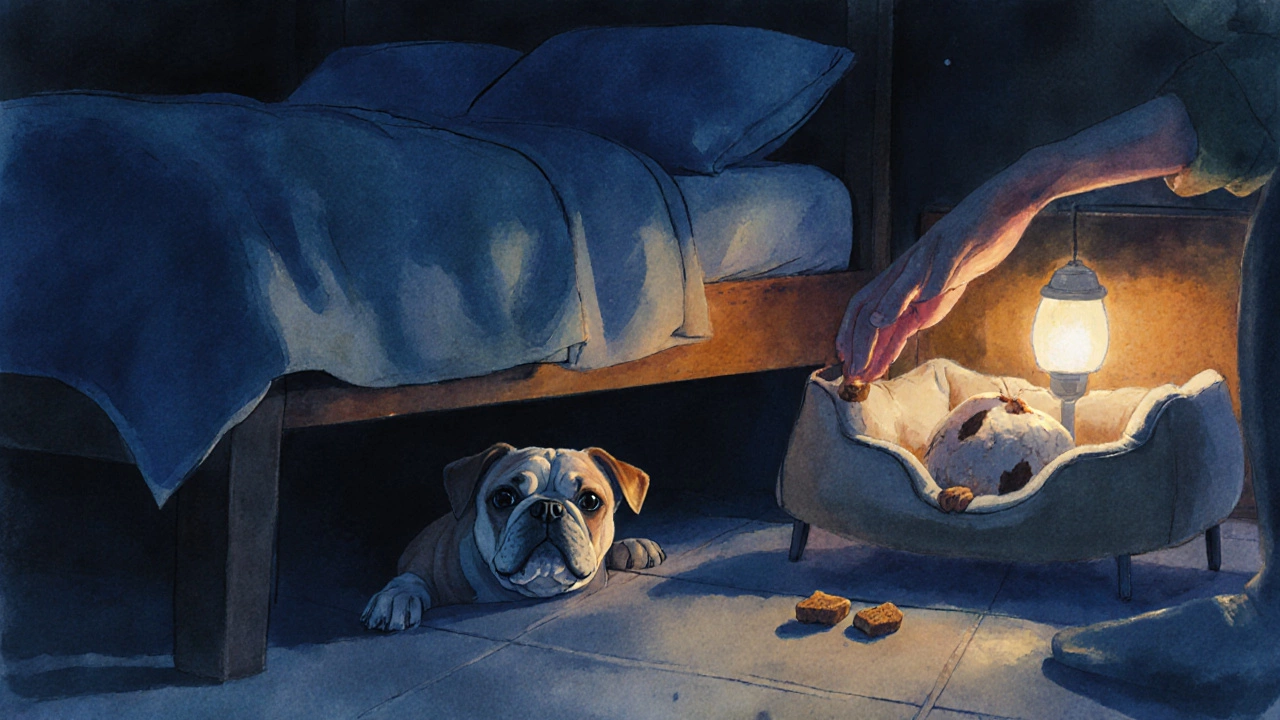
Is It Healthy for Your Dog to Sleep With You?
For most dogs and owners, sharing a bed is perfectly fine. Studies show that co-sleeping with pets can reduce stress and improve sleep quality for humans too. But there are exceptions. Dogs with allergies, skin conditions, or parasites can spread issues. Large dogs might disrupt your sleep with movement or snoring. Older dogs with arthritis may struggle to jump onto the bed, risking injury. And if you have a baby, a newborn, or someone with a compromised immune system, it’s safer to keep pets out of the bedroom. Your dog’s health matters too. If it’s overweight, sleeping on a hard mattress can strain its joints. A supportive dog bed on the floor might be better than a soft one on your bed.What If You Want Your Dog to Sleep Elsewhere?
You don’t have to say goodbye to cuddles. You just need to change the location. Start by buying a high-quality dog bed-one that mimics the feel of your mattress. Memory foam, raised edges, and warm fabrics help. Place it right beside your bed. Let your dog explore it on its own. Toss a treat on it. Rub your shirt on it to transfer your scent. At night, gently guide your dog to its bed. If it tries to climb up, calmly say “off” and lead it back. Don’t get frustrated. This takes time. Some dogs adapt in a few days. Others take weeks. Be patient. Reward progress. Eventually, your dog will learn that its bed is its safe place-and you’ll still get the same closeness, just in a way that works better for everyone.Other Dogs Sleep Next to Their Owners-It’s Normal
You’re not weird for letting your dog sleep with you. In fact, research from the Mayo Clinic found that 55% of dog owners share their bed with their pets. A 2023 study in the journal Anthrozoös showed that people who co-slept with their dogs reported higher levels of emotional connection and lower stress scores than those who didn’t. The key is balance. If your dog sleeps beside you because it loves you, that’s beautiful. If it’s because it’s scared, that’s something to gently fix. Either way, your dog’s choice to sleep next to you isn’t random. It’s a quiet, daily act of loyalty.Is it bad for my dog to sleep on my bed?
No, it’s not bad for most dogs. Many dogs and owners benefit from the emotional comfort and reduced stress that comes from sleeping together. But if your dog has health issues like arthritis, allergies, or parasites, or if you have a baby or weakened immune system, it’s safer to keep your dog off the bed. Always consider both your dog’s needs and your own.
Why does my dog prefer my bed over its own dog bed?
Your dog likely prefers your bed because it smells like you, is warmer, and feels safer. Even the best dog bed can’t compete with the scent and warmth of a human. Your dog doesn’t see your bed as a privilege-it sees it as the most secure place to rest.
How do I stop my dog from sleeping on my bed without upsetting it?
Don’t force or punish. Instead, create a better alternative. Get a high-quality dog bed with memory foam and your scent on it. Place it right next to your bed. Reward your dog every time it uses it. Slowly move the bed a few inches farther away each day. Be consistent and calm. Most dogs adapt within a few weeks.
Could my dog’s behavior mean it has separation anxiety?
Yes. If your dog only sleeps next to you because it’s afraid you’ll leave, that’s a sign of separation anxiety. Other signs include destructive behavior when alone, constant whining, pacing, or accidents indoors. If you notice these, consult a vet or certified dog behaviorist. They can help you build your dog’s confidence without reinforcing dependency.
Do all dogs want to sleep with their owners?
No. Some dogs are perfectly happy in their own space, especially if they’ve been trained that way from puppyhood. Breeds like Greyhounds and Basenjis are often more independent. Others, like Labrador Retrievers and Cavalier King Charles Spaniels, are bred to be close companions and naturally seek proximity. It depends on breed, personality, and past experiences.