Cat Food Guide: What to Look for and How to Feed Your Kitty
Choosing cat food can feel overwhelming. Between dry kibble, wet cans, grain‑free claims, and endless brand names, it’s easy to get stuck. The good news? You don’t need a nutrition degree to make a solid choice. Below are the basics that will help you pick food that keeps your cat happy, healthy, and full of energy.
Dry vs. Wet: Which One Is Right for Your Cat?
Dry food is cheap, easy to store, and can help with tooth brushing. However, it often contains fillers and less moisture, which may not satisfy a cat’s natural need for water. Wet food packs more protein and moisture, mimicking what cats would eat in the wild. Most vets recommend a mix: a few dry bites for convenience and a serving of wet food for hydration and higher-quality protein.
When you’re shopping, check the label for the first ingredient. Real meat should be at the top. If you see “chicken meal” or “meat by‑product” far down the list, it’s a red flag. Also, look for a guaranteed analysis that shows protein levels of at least 30% for dry and 8% for wet.
Spotting Bad Ingredients
Not every ingredient that sounds fancy is good for your cat. Fillers like corn, wheat, and soy add carbs that felines don’t need. Artificial colors, flavors, and preservatives can cause allergies or digestive upset. If a product lists “by‑product” without specifying the source, stay away. Stick to foods that use named meat sources—like “chicken” or “salmon”—and avoid unnecessary grains.
Some cats are sensitive to certain proteins. If you notice itching, vomiting, or loose stools, try a limited‑ingredient diet that focuses on one protein source. Many brands now offer single‑protein options without added grains, which makes it easier to pinpoint the cause of a reaction.
Portion size is the next piece of the puzzle. A typical adult cat needs about 20 calories per pound of body weight each day. Check the can or bag for calorie information, then divide by your cat’s weight to get the right amount. Remember that kittens, seniors, and active cats have different needs. A kitten may need 2‑3 meals a day, while an adult usually does fine with two.
Finally, keep an eye on how your cat reacts. If they’re gaining weight, cut back on the dry portion. If they’re drinking more water than usual, it could be a sign the diet is too dry. Adjust gradually and watch for changes in coat shine, energy level, and litter box habits.
Choosing cat food doesn’t have to be a gamble. Focus on real meat, avoid unnecessary fillers, mix dry and wet for balance, and adjust portions based on your cat’s age and activity. With these simple steps, you’ll feel confident that you’re feeding your feline the best possible diet.

How Many Times Should You Feed a Cat? A Simple Guide for Every Life Stage
Learn how often to feed your cat based on age, health, and food type. Get clear guidelines for kittens, adults, and seniors, plus tips to avoid overfeeding and keep your cat healthy.
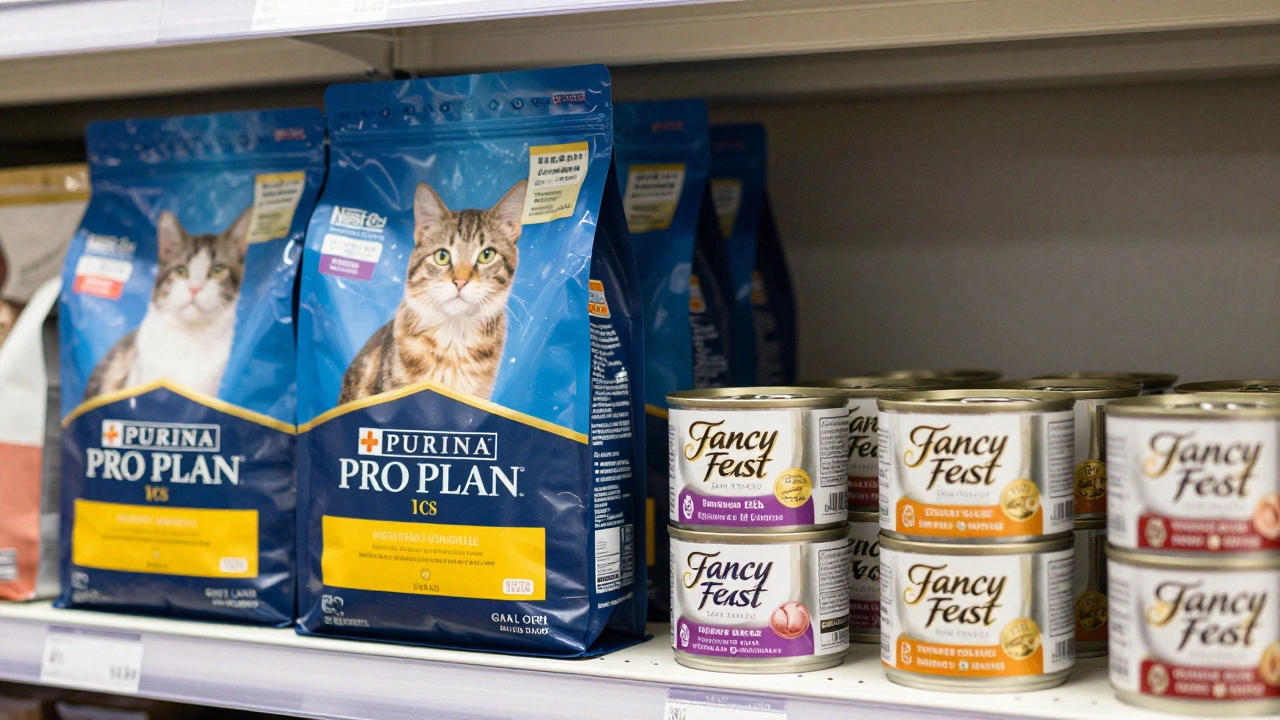
Is Purina and Fancy Feast the same company? Here's the real story
Purina and Fancy Feast are both owned by Nestlé, but they’re not the same. Fancy Feast is a premium wet food line, while Purina offers budget to premium dry and wet options. Learn how they differ and what to feed your cat.

Should Cats Have Access to Food All the Time? The Truth About Free Feeding
Leaving food out all day for your cat might seem kind, but it can lead to obesity, diabetes, and other health problems. Learn why scheduled meals are safer and how to make the switch.

What Is the Best Cat Food for a Starving Cat?
Feeding a starving cat wrong can kill them. Learn the safe, vet-approved way to re-feed a malnourished cat with high-protein wet food, what to avoid, and how to prevent fatal complications.
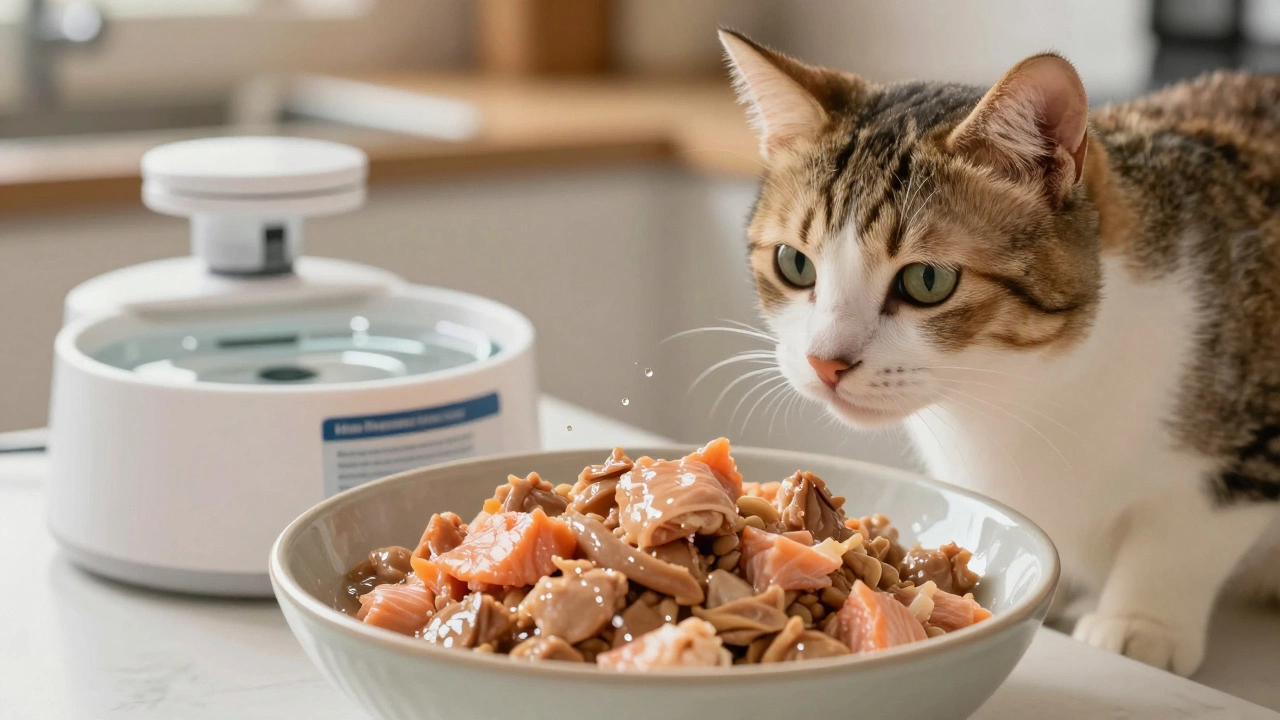
What Is the Best Food to Feed a House Cat? A Simple Guide to Healthy Cat Nutrition
Find out what the best food is for a house cat, including wet vs dry options, key ingredients to look for, and common mistakes to avoid. Simple, science-backed advice for healthier cats.
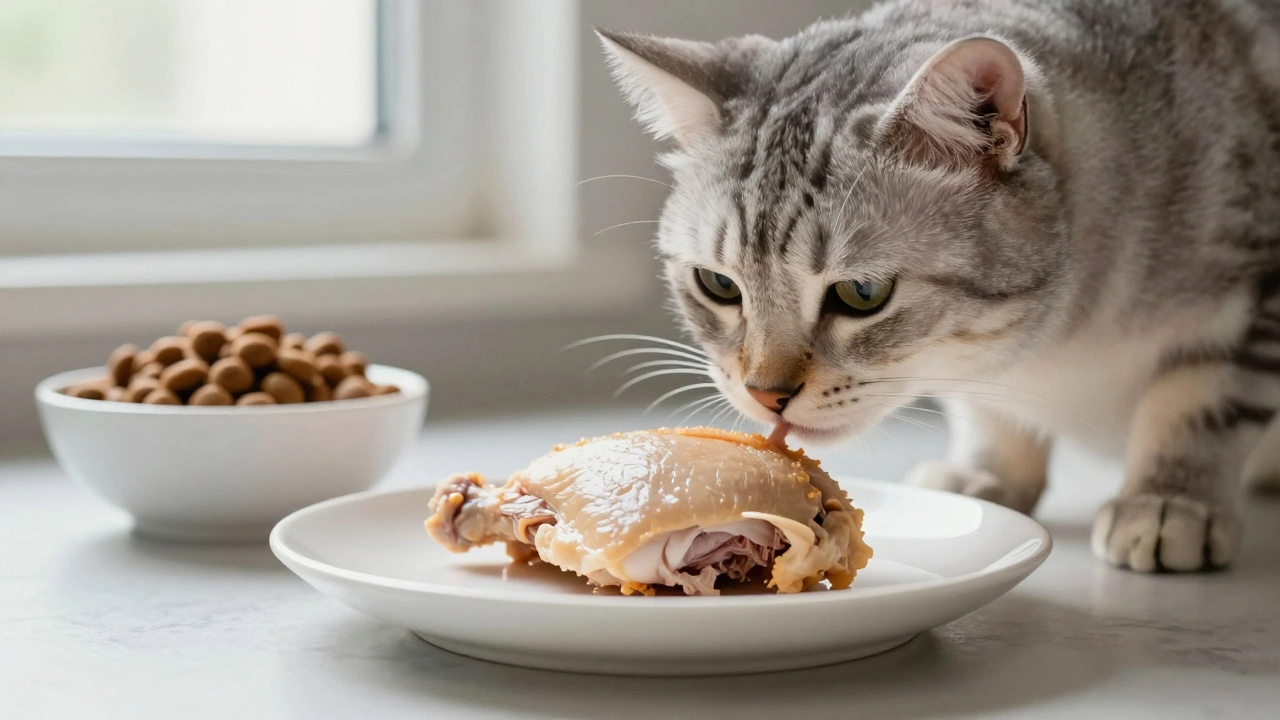
What Can Cats Eat Instead of Cat Food? Safe Human Foods for Cats
Cats can eat small amounts of plain cooked chicken, fish, or eggs as temporary alternatives to cat food-but never as a replacement. Learn what’s safe, what’s dangerous, and how to handle emergencies.
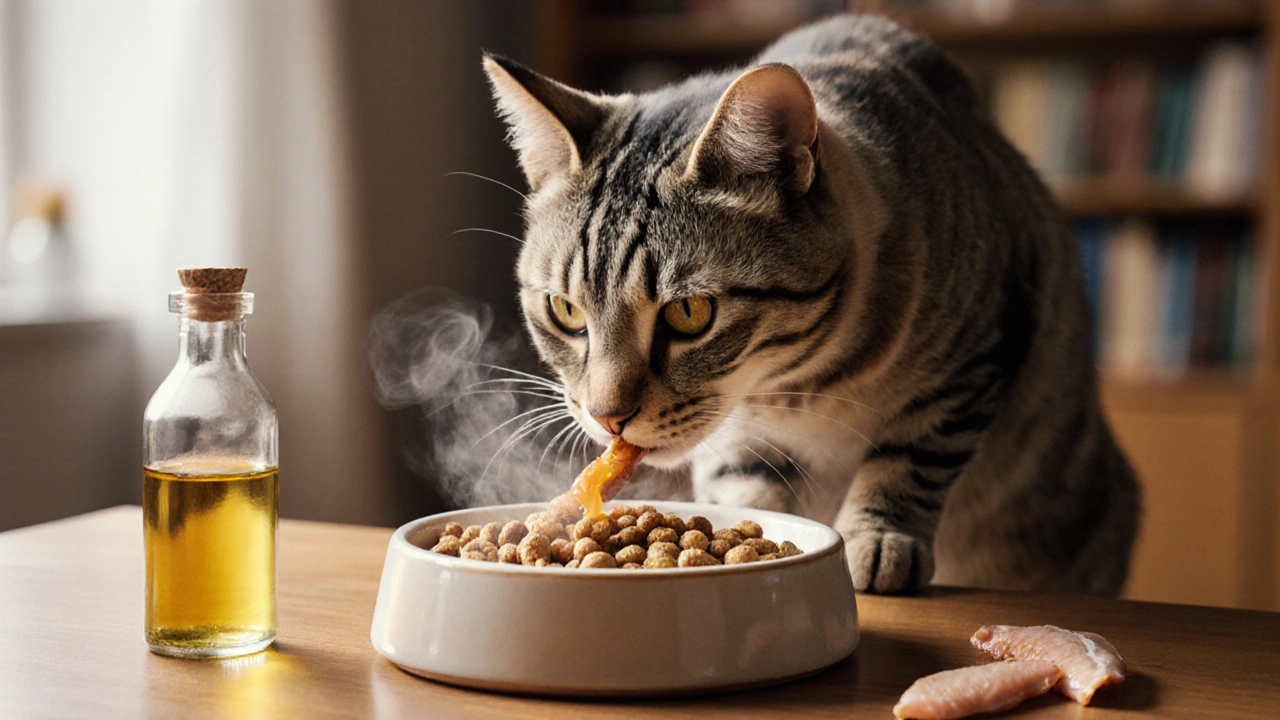
What to Add to Your Cat's Dry Food for Better Nutrition
Discover safe, effective ways to enhance your cat's dry food with wet food, toppers, fish oil, and probiotics to improve hydration, coat health, and digestion-without risky additions.

How Quickly Does Wet Cat Food Spoil? Shelf Life and Safety Tips
Wet cat food spoils quickly-often within 1 to 2 hours at room temperature. Learn how long it lasts in the fridge, how to store it safely, and what to do if your cat eats spoiled food.
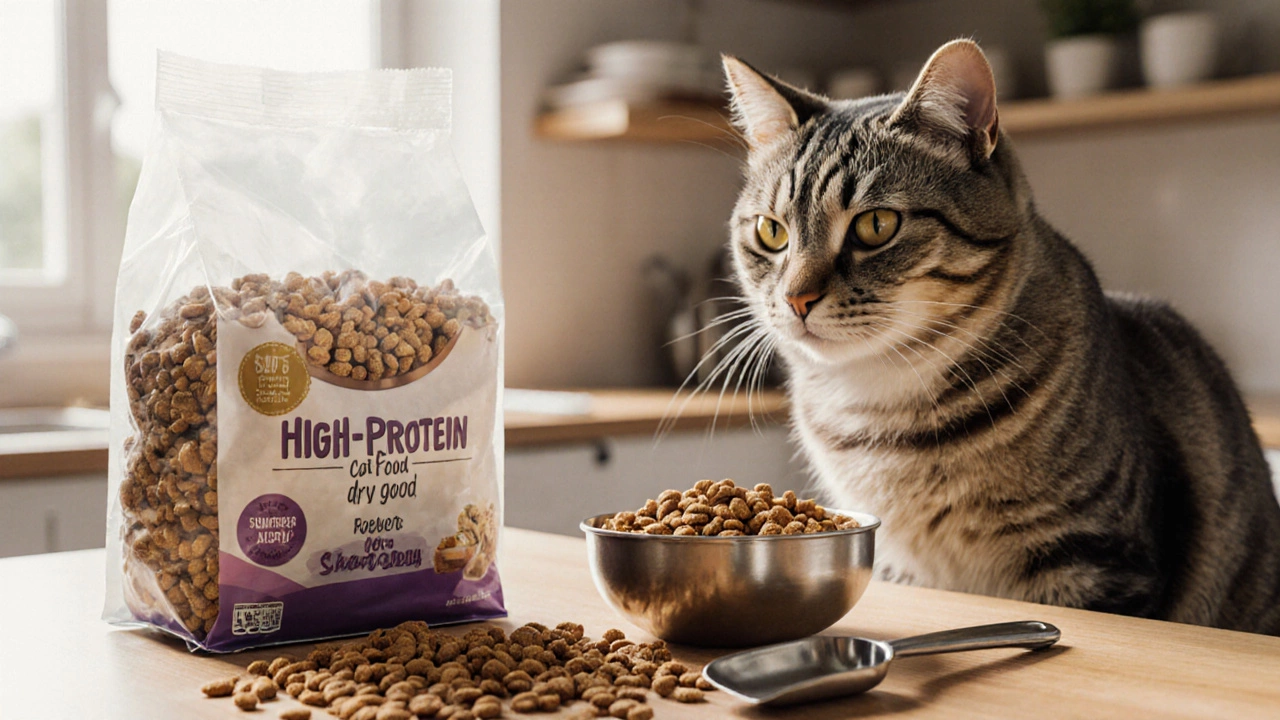
Can Cats Thrive on Dry Food Only? Facts, Risks & Tips
Explore if cats can thrive on dry kibble alone, understand the nutrition basics, weigh pros and cons, and get practical tips to keep your feline healthy.
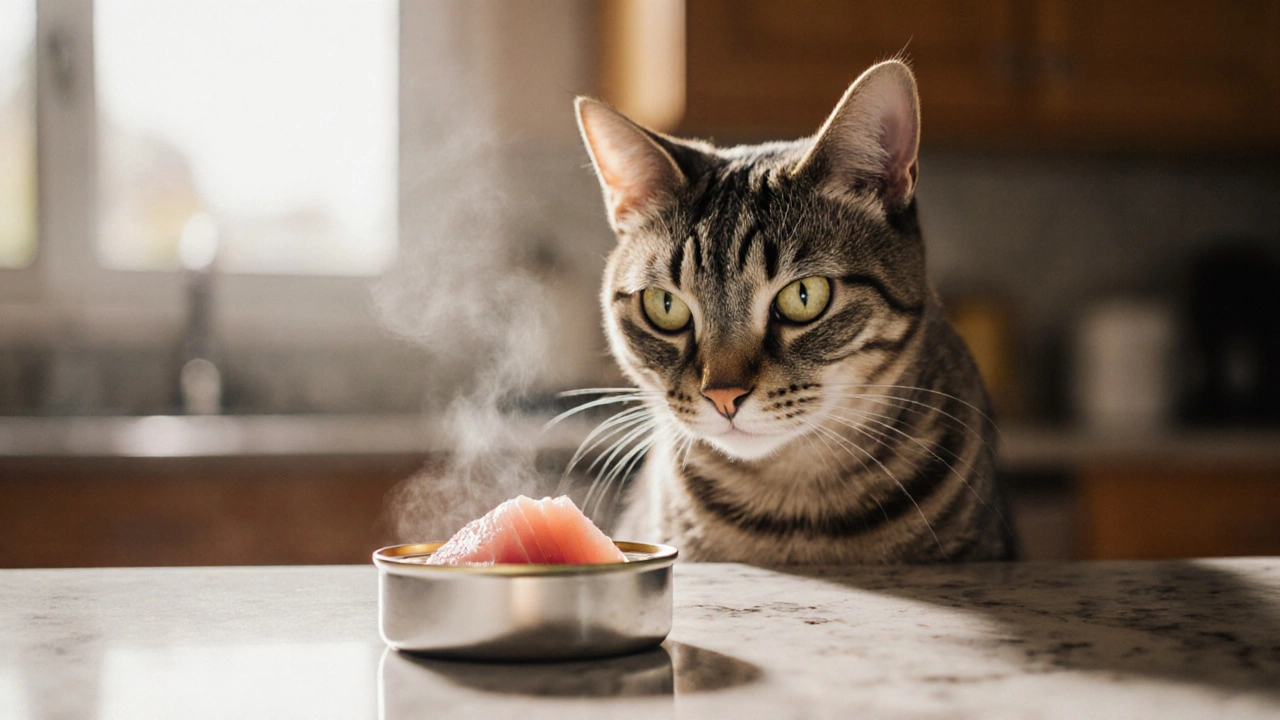
Tuna for Cats: Benefits, Risks & Safe Feeding Guide
Discover the real benefits and hidden risks of feeding tuna to cats, plus safe portion guidelines, alternatives, and a quick checklist for pet owners.
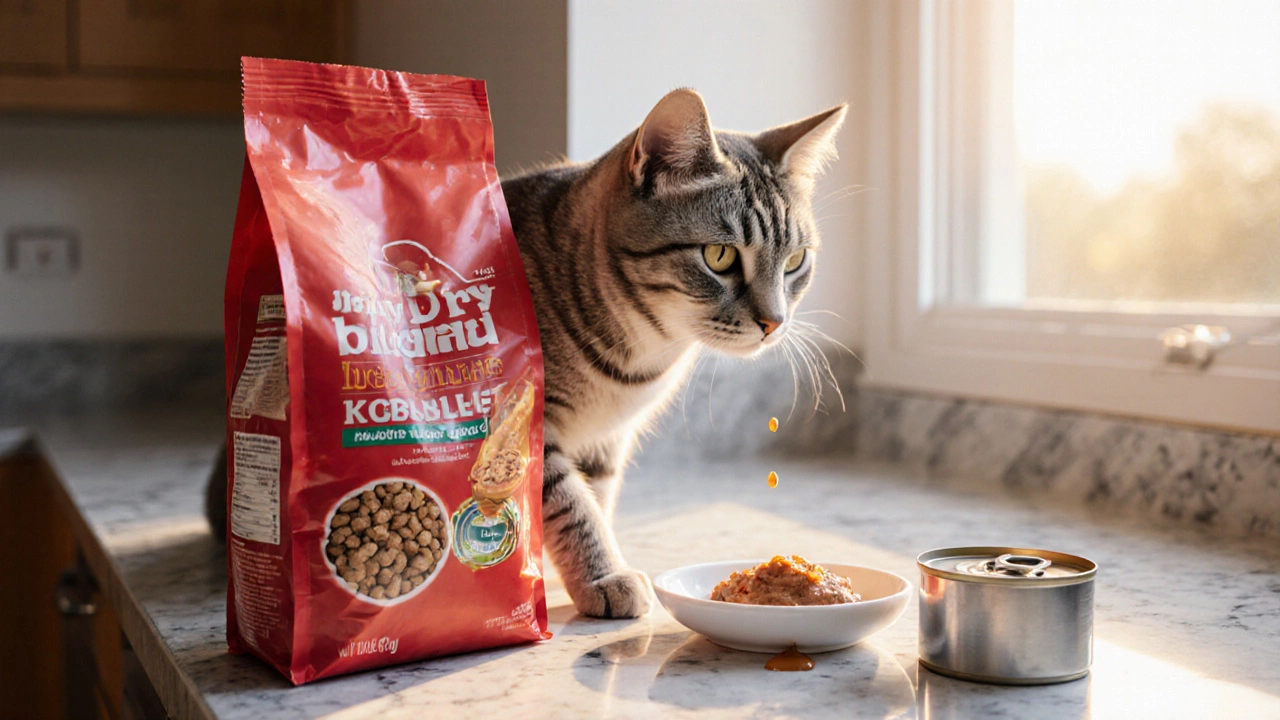
Dry vs Wet Cat Food: Which Is Healthier for Your Feline?
Explore the pros and cons of dry vs wet cat food, learn how each affects hydration, weight and dental health, and get a practical guide to building a balanced, healthy cat diet.
Healthiest Cat Food for Indoor Cats: Top Picks and Nutrition Tips
Wondering what the healthiest cat food for indoor cats is? This guide breaks down what makes the best diet, ingredients to look for, and expert tips for happy, healthy felines.