Cat Food Supplement Calculator
Calculate the right amounts of supplements to add to your cat's dry food based on their weight. Always consult your vet before adding new supplements.
Most cat owners know dry food is convenient. But if your cat seems bored with their kibble, or you notice their coat isn’t as shiny, or their litter box habits have changed-you might be wondering: what should I add to my cat's dry food? The answer isn’t just about making it tastier. It’s about filling real nutritional gaps that dry food alone can’t cover.
Why Dry Food Alone Isn’t Enough
Commercial dry cat food is designed to be complete and balanced. But that doesn’t mean it’s ideal. Most dry foods are high in carbohydrates-sometimes over 40%-because starch is needed to hold the kibble together. Cats, however, are obligate carnivores. Their bodies evolved to get energy from protein and fat, not carbs. That mismatch can lead to weight gain, low energy, and even urinary issues over time.
Plus, dry food has almost no moisture. Cats naturally get most of their water from prey. In the wild, they’d eat mice or birds that are 70% water. Dry food is usually 8-10% water. That’s why so many cats suffer from chronic dehydration, which stresses their kidneys and increases the risk of urinary crystals and blockages.
Add Wet Food: The Simplest Fix
The single best thing you can add to dry food is wet food. Not as a replacement, but as a supplement-even just a tablespoon or two per meal.
Wet food is packed with moisture. One 3-ounce can has about 75% water. That’s the equivalent of drinking a full cup of water. Mixing wet food with dry helps your cat stay hydrated without forcing them to drink more from a bowl.
It also adds real meat protein and fat, which are easier for cats to digest than plant-based fillers. Look for wet foods with meat as the first ingredient: chicken, turkey, salmon, or rabbit. Avoid those with gravy, carrageenan, or artificial colors. Brands like Tiki Cat, Weruva, or even store-brand canned pâtés from reputable retailers work fine.
Start with one teaspoon of wet food mixed into their dry bowl. If your cat eats it, slowly increase to a tablespoon. You don’t need to switch entirely. Just 10-15% wet food per day makes a measurable difference in hydration and appetite.
Try Cat Toppers: Flavor and Nutrition in One
If your cat turns up their nose at wet food, try freeze-dried or dehydrated toppers. These are made from real meat-often single-ingredient like chicken, tuna, or salmon-and are lightly processed to lock in nutrients and aroma.
Just sprinkle a few pieces on top of the dry food. The smell wakes up their appetite, and the texture gives them something new to chew. Brands like Stella & Chewy’s, Primal, or even Amazon Basics freeze-dried toppers are widely available and affordable.
Some toppers are fortified with taurine, omega-3s, or probiotics. Check the label. If it says “complete and balanced,” it’s meant to be a full meal. If it says “for supplemental feeding only,” it’s meant to be added to dry food-and that’s what you want.
Pro tip: Store freeze-dried toppers in the fridge after opening. They go rancid fast if left at room temperature.
Boost With Fish Oil or Omega-3s
Many dry foods skimp on omega-3 fatty acids, especially EPA and DHA. These are critical for brain health, joint mobility, and skin/coat condition. Cats can’t make them on their own-they must get them from food.
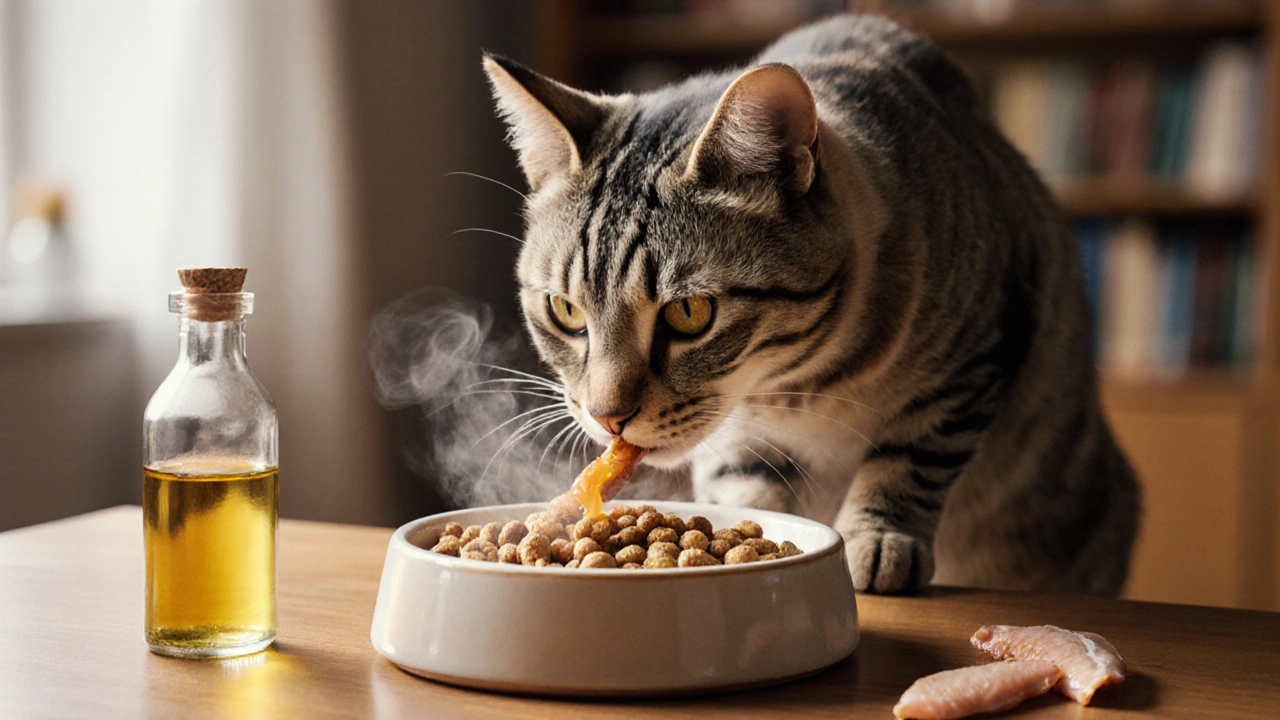
Adding a small amount of fish oil (like salmon or krill oil) directly to their bowl can help. Look for a liquid supplement made specifically for cats. The dose? About 1/8 to 1/4 teaspoon per day for an average 10-pound cat.
Don’t use human fish oil capsules unless they’re labeled for pets. Human versions often contain too much vitamin A or additives that can upset your cat’s stomach. Also, avoid flaxseed oil-it’s useless for cats. They can’t convert plant-based omega-3s into the forms they need.
Results? You’ll often see shinier fur, less shedding, and even calmer behavior within 3-4 weeks.
Consider Probiotics for Digestive Health
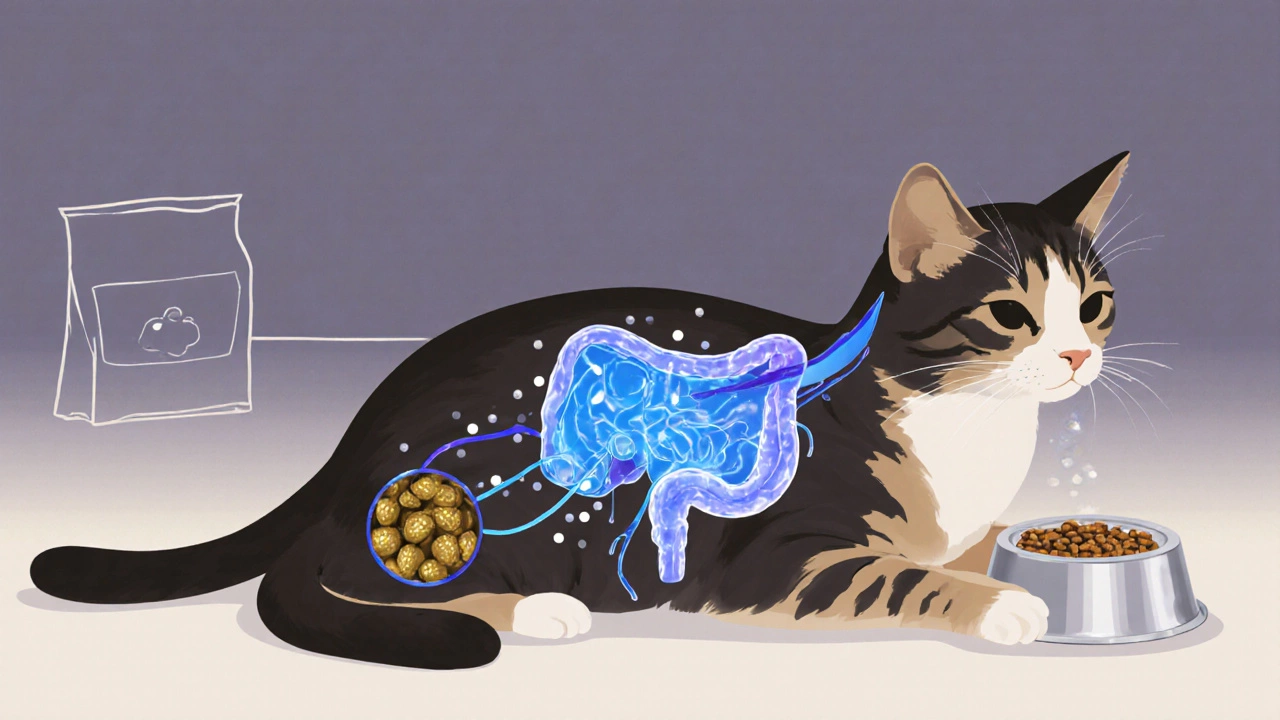
Many cats on dry food develop occasional constipation, gas, or soft stools. That’s often due to low moisture and poor gut flora balance.
A cat-specific probiotic can help. Look for products with live cultures like Enterococcus faecium or Bifidobacterium. These strains have been tested in cats and shown to improve stool quality.
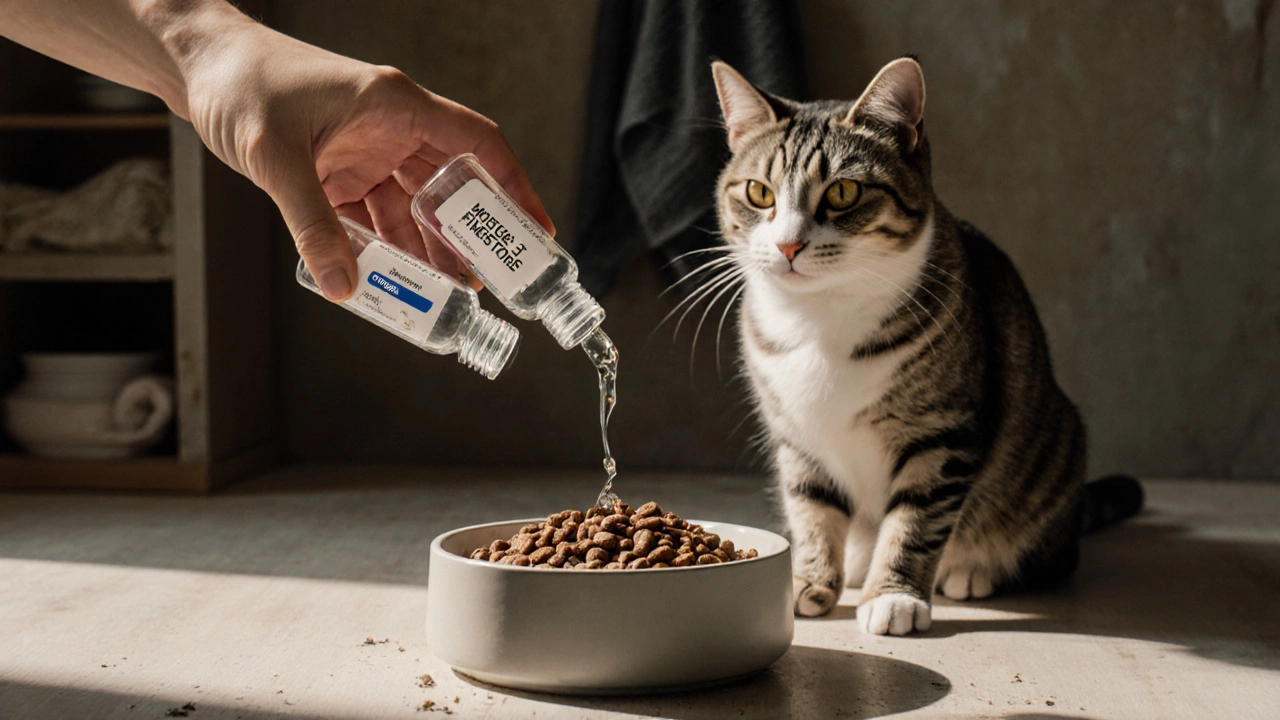
Probiotics come in powders, pastes, or capsules you can open and mix into food. Give it daily for at least 2-3 weeks to see results. Don’t expect overnight fixes. Gut health takes time to rebuild.
Some vet-recommended brands include FortiFlora, Proviable, or VetriScience Probiotic Everyday. You can find them at pet stores or online.
Don’t Add These Things
Not everything you think is healthy is safe. Avoid adding:
- Garlic or onions-even small amounts can cause anemia
- Raw eggs-risk of salmonella and biotin deficiency
- Dairy products-most adult cats are lactose intolerant
- Grains like rice or oats-cats don’t need them, and they spike blood sugar
- Human vitamins or supplements-too much vitamin D or zinc can be toxic
Even “natural” ingredients can be dangerous. If you’re unsure, check with your vet before adding anything new.
When to Talk to Your Vet
Some changes in your cat’s behavior aren’t just about food. If your cat suddenly stops eating dry food, loses weight, vomits often, or urinates outside the litter box, those are red flags. These could point to kidney disease, hyperthyroidism, or dental pain.
Don’t assume it’s just boredom. A vet can run basic blood tests and a urinalysis to rule out medical issues. Once those are cleared, then you can safely experiment with food additions.
Also, if your cat is older (over 7 years), has a history of urinary issues, or is overweight, talk to your vet before adding supplements. Some nutrients can interact with medications or worsen existing conditions.
Putting It All Together: A Simple Daily Plan
You don’t need to overhaul your cat’s diet overnight. Start small. Here’s a realistic plan:
- Every morning: Mix 1 tablespoon of wet food into their dry kibble.
- Every other day: Sprinkle 1-2 freeze-dried toppers on top.
- Twice a week: Add 1/8 teaspoon of fish oil.
- Weekly: Give a probiotic powder if your cat has soft stools or low appetite.
That’s it. No complicated recipes. No expensive superfoods. Just real, safe additions that match your cat’s biology.
Within a month, you’ll likely notice: more energy, less hairballs, brighter eyes, and a happier cat who actually looks forward to mealtime.
Final Thought: It’s About Balance, Not Perfection
You don’t need to make your cat’s food “perfect.” You just need to make it better than it was. Dry food is fine as a base. But adding even small amounts of moisture, real meat, and essential fats turns it from a convenience food into something that truly supports your cat’s health.
Start with wet food. Add a topper. Try fish oil. Watch how your cat responds. You don’t need to do everything at once. Just one change at a time-and you’ll see the difference.
Can I mix wet and dry cat food together?
Yes, mixing wet and dry cat food is not only safe-it’s often recommended. Wet food adds moisture and real meat protein, which dry food lacks. Mixing them helps improve hydration and makes meals more appealing. Just make sure the wet food is meant for adult cats and doesn’t contain harmful additives like garlic or excessive salt.
Is fish oil good for cats on dry food?
Yes, fish oil is excellent for cats on dry food. Most dry diets are low in omega-3 fatty acids like EPA and DHA, which support skin, coat, brain, and joint health. A small daily dose (1/8 to 1/4 teaspoon) can reduce shedding, improve coat shine, and ease inflammation. Always use a cat-specific formula, not human fish oil.
What are the best cat toppers for dry food?
The best cat toppers are freeze-dried or dehydrated single-ingredient meats like chicken, salmon, or tuna. Brands like Stella & Chewy’s, Primal, or Amazon Basics offer plain options without fillers or preservatives. Avoid toppers with added grains, artificial flavors, or gravy. Sprinkle a few pieces on top to entice picky eaters and boost protein intake.
Can I add milk or yogurt to my cat’s dry food?
No, regular milk or yogurt is not safe for most adult cats. After weaning, cats lose the enzyme needed to digest lactose. Adding dairy can cause diarrhea, gas, or vomiting. If you want to give a dairy-like treat, choose lactose-free cat milk sold in pet stores-but even that should be rare, not daily.
How do I know if my cat needs supplements?
Signs your cat may benefit from supplements include dull coat, excessive shedding, dry skin, low energy, or irregular bowel movements. But these can also signal underlying health problems. Before adding any supplement, have your vet check for kidney disease, thyroid issues, or dental pain. Supplements should support, not replace, veterinary care.
If your cat is eating well, staying hydrated, and looking healthy, you’re already doing a great job. The goal isn’t to fix what isn’t broken-it’s to make good nutrition even better, one small addition at a time.