Puppy Command Tracker
Daily Training Tracker
Track your puppy's progress learning the three essential commands: name recognition, come, and leave it
Progress: 0/6
Your Progress
Your puppy needs at least 1 good practice for each command to make progress. Consistency is more important than perfect sessions!
Pro Tip: Keep training sessions under 5 minutes. Short, positive moments build stronger connections than long, frustrating sessions.
At eight weeks old, your puppy isn’t ready to sit and stay for hours like a seasoned dog. But they’re already learning everything-what’s safe, what’s fun, and who leads the pack. This is the perfect time to start laying the groundwork for good behavior, not with long training sessions, but with tiny, everyday moments that build trust and understanding.
Forget Tricks, Focus on Foundations
Don’t waste time trying to teach your puppy to spin or play dead. At this age, their attention span is about 5 to 10 minutes, max. What they need are simple, practical commands that help them live safely and happily in your home. These aren’t tricks. They’re life skills.
The top three things every 8-week-old puppy should start learning: name recognition, come, and leave it. That’s it. Nothing more. Skip the heel, skip the sit-for-dinner, skip the fancy stuff. Get these three solid, and everything else follows.
Name Recognition: The First Step to Connection
Your puppy doesn’t know their name yet. Not really. They hear it as just another sound-like the fridge opening or the doorbell ringing. You need to change that.
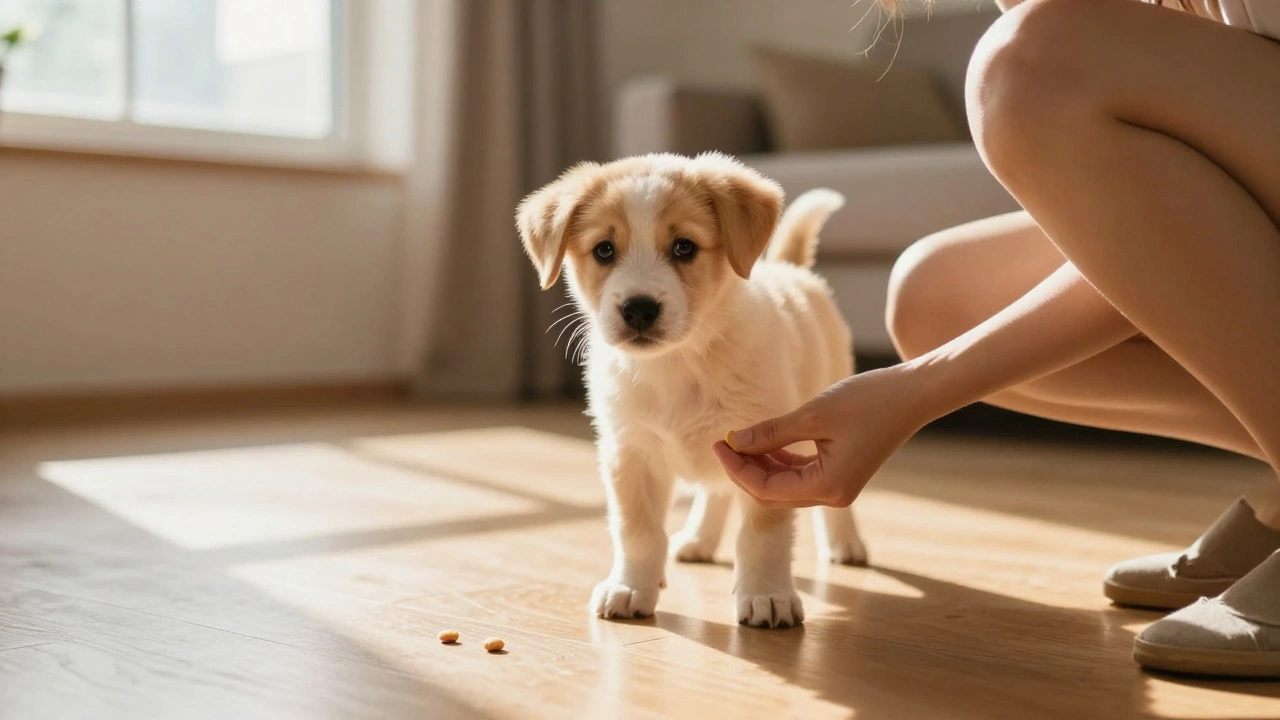
Here’s how: Say their name in a happy, clear voice. When they look at you-哪怕只是转头-immediately say “Yes!” and give them a tiny treat. Do this five times a day, in different rooms, while they’re playing, eating, or just chilling. No yelling. No repeating. Just one clear name, one quick reward.
Why this matters: If they don’t respond when you call their name, you can’t guide them away from danger. A puppy running toward the road? A dog barking at the neighbor’s cat? If their name means “look at me,” you’ve got control. If it doesn’t, you’re just shouting into the wind.
Come: The Most Important Command You’ll Ever Teach
“Come” isn’t about obedience. It’s about survival. A puppy that doesn’t come when called could get hit by a car, wander into traffic, or chase a possum into the bush. And at eight weeks, they’re already curious, fast, and fearless.
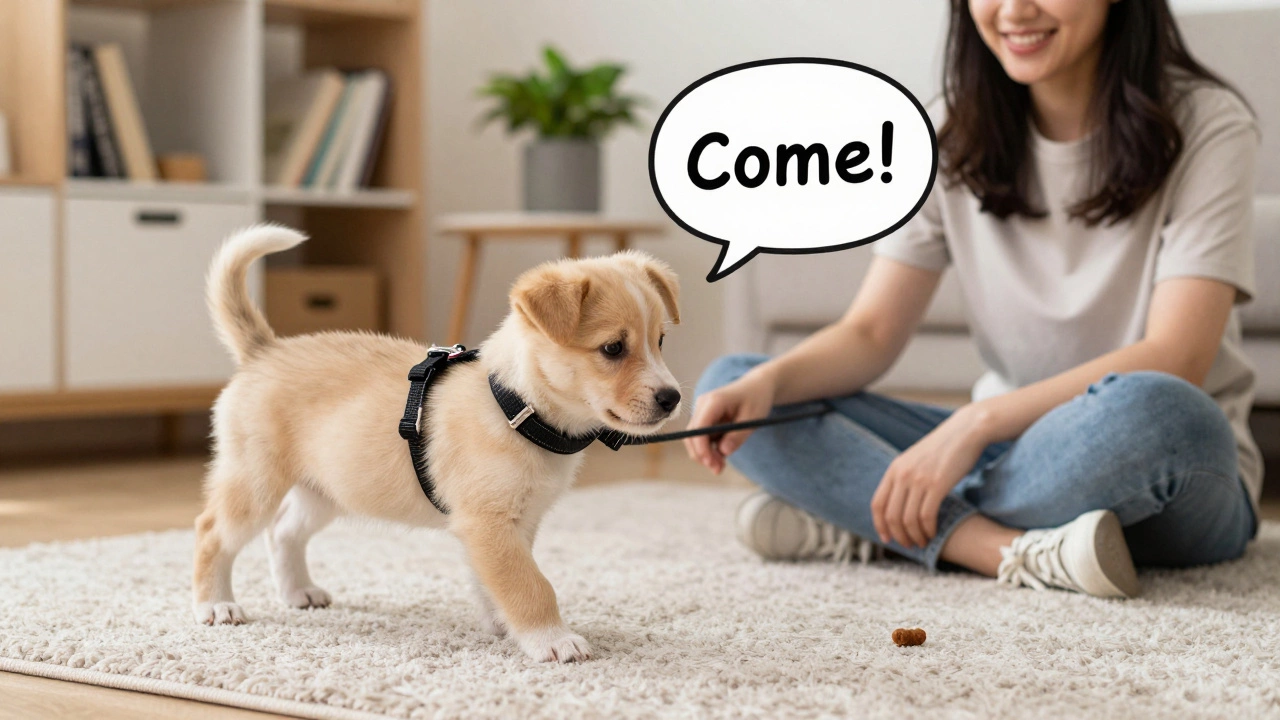
Start inside. Sit on the floor. Say their name, then say “Come!” in a bright, excited tone. When they take even one step toward you, reward them with a treat and lots of praise. Don’t chase them. Don’t grab them. Just wait. If they don’t move, try again in a quieter spot. Repeat this five times a day.
Use a long leash (at least 3 meters) in the yard. Let them explore, then call them. When they come, reward like they just won the lottery. The goal isn’t perfection-it’s making “come” the most rewarding thing in their world.
Never call them to come for something they’ll dislike-like a bath or a nail trim. That teaches them to ignore you. Always pair “come” with something good: treats, play, pets, or just a happy voice.
Leave It: Your Puppy’s Safety Net
Puppies put everything in their mouths. Socks. Cords. Cat poop. Leftover pizza crusts. At eight weeks, they’re not being naughty-they’re exploring. But some things can kill them.
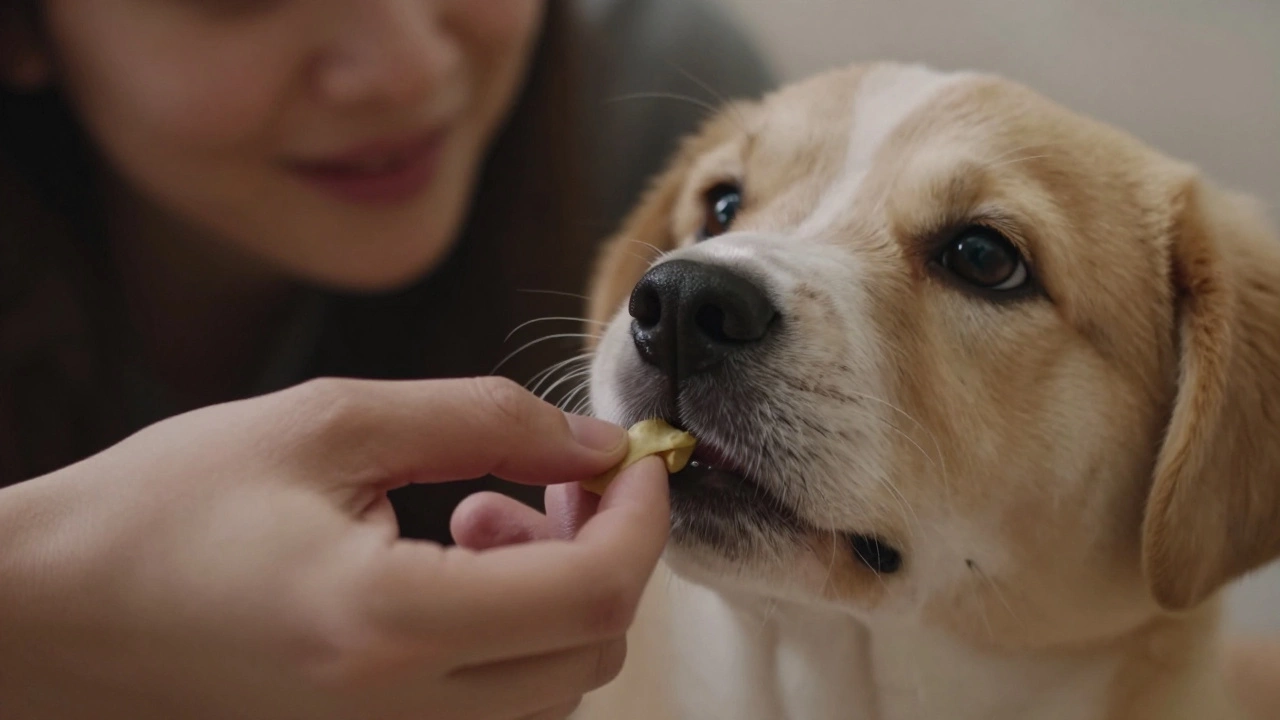
Teach “leave it” with a treat in your closed fist. Let them sniff and nuzzle. Wait. When they stop trying to get it and look up at you, say “Yes!” and give them a different treat from your other hand. That’s the lesson: “When you stop trying, you get something better.”
Practice this with low-value items first-a paper towel roll, a sock. Then move to higher distractions. Don’t rush. If they grab something they shouldn’t, don’t yell. Just calmly say “Leave it,” walk over, and swap it for a treat. Over time, they’ll learn to drop things without being told.
What Not to Do
Don’t use punishment. A sharp “No!” or a tap on the nose doesn’t teach. It scares. And fear makes puppies shut down-or worse, become reactive.
Don’t train for more than 5 minutes at a time. Three short sessions a day beat one long, frustrating hour. Puppies learn best through repetition, not intensity.
Don’t expect consistency. They’ll forget. They’ll ignore you. They’ll chase a butterfly instead of coming when called. That’s normal. Training isn’t linear. It’s messy. Keep showing up, keep rewarding, and they’ll get there.
What Else? Sit? Stay? Heel?
You can introduce “sit” if you want, but it’s not urgent. Just hold a treat above their nose. When their bottom lowers, say “Yes!” and give it. That’s it. No need to force it. If they don’t sit, that’s fine. Try again tomorrow.
“Stay”? Not yet. At eight weeks, their brain isn’t wired for duration. They’re still learning how to control their own body, let alone hold a position.
“Heel”? Skip it. That’s for walks, and at this age, walks should be short (5 minutes max) and focused on sniffing, exploring, and bonding-not marching in line.
Training Isn’t a Task-It’s a Habit
You don’t need a training schedule. You need consistency. Every time you hand them a treat, say their name. Every time you open the door, ask them to come. Every time they grab something they shouldn’t, say “Leave it” and swap it.
These moments add up. One day, you’ll notice they look at you before chasing the squirrel. Or they drop the sock when you say “Leave it.” Or they come running when you call-even from the other room.
That’s the magic. Not because you taught them. Because you showed them that listening to you leads to good things. And that’s what they’ll remember forever.
What You’ll Need
- Small, soft treats (pea-sized)
- A 3-meter leash
- A quiet space with few distractions
- Patience
- Consistency
That’s it. No clickers. No training classes. No fancy tools. Just you, your puppy, and a few moments a day.
Real-Life Example
One owner in Auckland started training her 8-week-old Border Collie mix, Luna, with just these three commands. Within two weeks, Luna would come when called from the backyard. She’d drop sticks instead of chewing them. And she looked up every time her name was said-even when other dogs were around.
She didn’t use treats forever. She used them for the first month. Then she switched to praise, pets, and play. Now, at six months, Luna’s the most responsive dog in the neighborhood. Not because she’s smart. Because she learned early that listening to her human meant good things.
Can I start training my 8-week-old puppy even if they’re still shy?
Yes, absolutely. Shyness doesn’t mean they can’t learn. Start in quiet, low-stress environments. Keep sessions short and positive. Use high-value treats-something they really love. Let them move at their own pace. The goal isn’t obedience. It’s building trust. A shy puppy learns best when they feel safe, not pushed.
Should I use a clicker for training at this age?
Not necessary. Clickers work great for older puppies and dogs, but at eight weeks, the sound can be startling. Many puppies find the click too loud or confusing. Stick with a simple “Yes!” or a happy word. You can introduce a clicker later, once they’re more confident and focused.
What if my puppy ignores me when I call them?
Don’t chase them. Don’t repeat their name. Go to them calmly, gently guide them back, and reward them for coming-even if you had to walk over. Then, practice in a quieter spot with less distraction. Make sure you’re rewarding them more than you ever have before. If they’re ignoring you, it’s because coming doesn’t feel worth it. Make it the best thing that ever happened to them.
How long until my puppy masters these commands?
There’s no finish line. At eight weeks, you’re building the foundation-not finishing the course. You’ll see progress in days, but mastery takes weeks. Some puppies get it in 2 weeks. Others take 6. That’s normal. Keep practicing daily. The goal is reliability, not speed. By 12 weeks, if they respond 8 out of 10 times, you’re doing great.
Can I train my puppy without treats?
Not at first. Treats are the easiest way to show them that listening pays off. Once they understand the connection, you can start phasing them out. Use praise, pets, play, or a game of tug. But don’t skip the treats in the beginning. Without a reward, they have no reason to try.