Attention Training Progress Tracker
Measure your progress in teaching your dog to pay attention to you. Based on the article's research, consistent practice leads to results in 3-5 days.
Daily Practice Tracker
The article recommends 5 minutes of attention training twice daily for best results.
Most people think the first thing to train a dog is sitting on command. That’s not it. The real starting point is something quieter, simpler, and way more powerful: teaching your dog to pay attention to you. Without this, every other command - sit, stay, come - becomes a guessing game. Your dog isn’t being stubborn. They’re just distracted by the world. And that’s normal.
Why Attention Comes Before Commands
Think of it like this: if you’re trying to teach someone to drive, you don’t hand them the steering wheel before they’ve learned to look in the rearview mirror. Same with dogs. A dog who doesn’t notice you is a dog who won’t listen. They’re busy sniffing grass, chasing leaves, or watching a squirrel three blocks away.
Studies from the University of Bristol show that dogs who respond quickly to their owner’s gaze have a 70% higher success rate in learning new commands within the first two weeks. That’s not magic. It’s attention. When your dog looks at you on purpose - not because you yelled, not because you waved a treat - that’s the foundation of everything else.
How to Teach Attention in 5 Minutes a Day
You don’t need treats, a clicker, or a training collar. You just need patience and consistency. Here’s how to start:
- Stand still in a quiet room. No distractions. No talking. Just you and your dog.
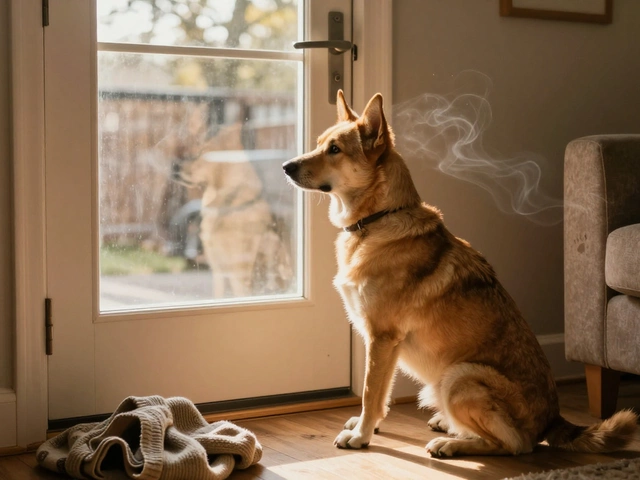
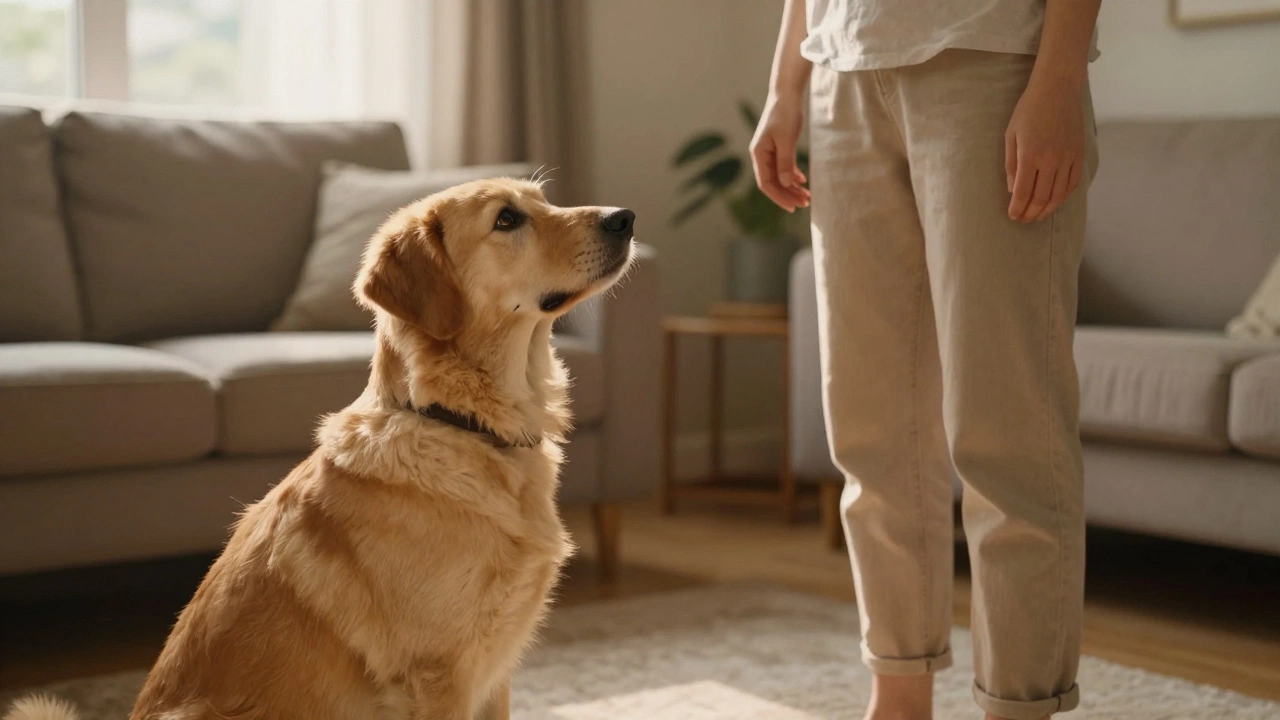
- Wait. Don’t call their name. Don’t move. Just wait. Most dogs will look at you within 10 to 30 seconds - either out of curiosity or boredom.
- The second their eyes meet yours, say "Yes!" in a cheerful voice and give them a small treat. Not before. Not after. Right when they look.
- Repeat this 5 times in one session. Do it twice a day.
- After a few days, start doing it while standing up. Then while walking. Then outside.
That’s it. No shouting. No pulling. No forcing. Just reward the moment they choose to look at you.
What Not to Do
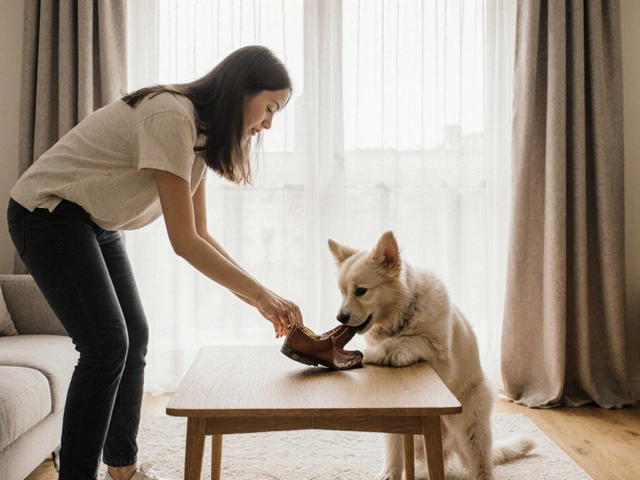
Many people try to force attention by saying "Look!" over and over. That doesn’t work. Your dog learns that your voice is background noise. Others use treats to lure the gaze - holding food near their face. That teaches your dog to chase the treat, not to focus on you. They learn to follow the food, not your eyes.
Another mistake? Training when your dog is overstimulated. If they’ve just come in from the backyard, are barking at the mail carrier, or are full of zoomies - wait. Wait until they’re calm. Training during chaos teaches chaos.
When You’ll See Results
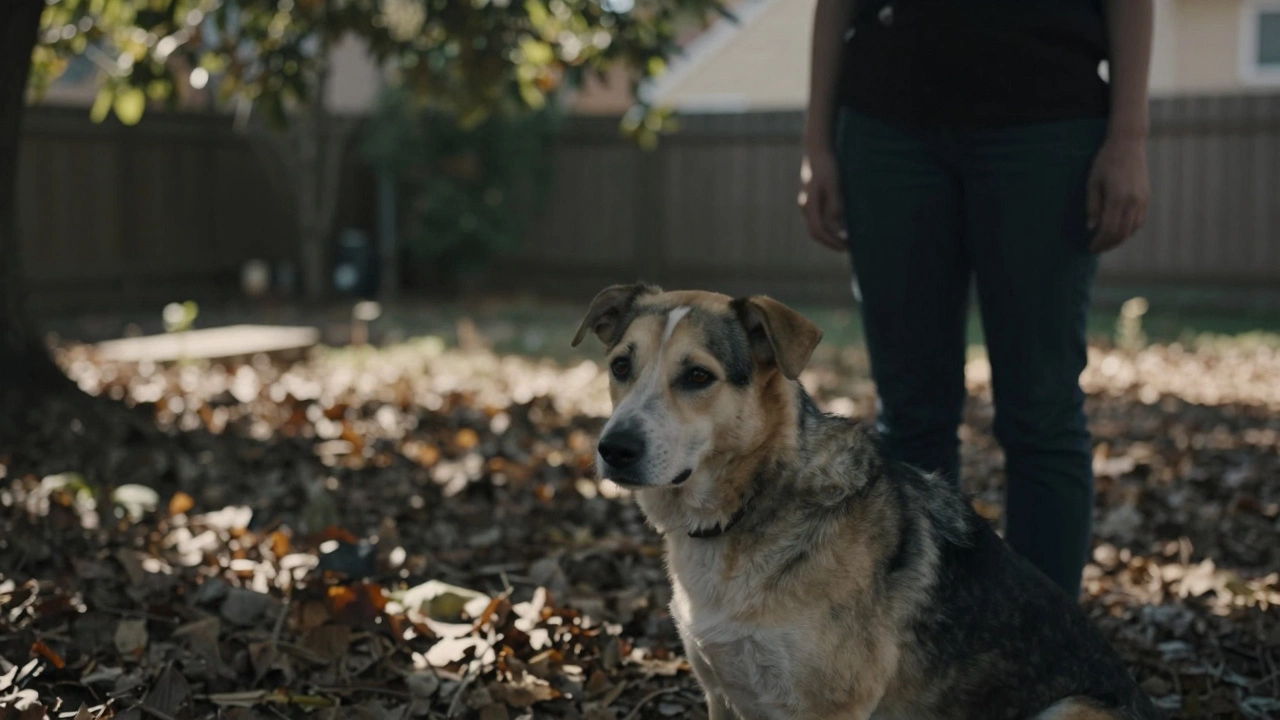
If you do this daily, you’ll notice changes in about 3 to 5 days. Your dog will start glancing at you without being asked. They’ll pause mid-sniff to check in. That’s the moment you’ve unlocked. Now, when you say "Come," they’re actually listening. When you say "Sit," they’re not confused - they’re waiting for your cue.
By day 7, most owners report their dogs will look at them in the park, even with other dogs around. That’s not luck. That’s attention training working.
What Comes Next
Once your dog reliably looks at you in quiet spaces, start practicing in low-distraction areas - your backyard, a quiet street. Then move to busier places. Each time, reward the glance. After that, you can layer in basic commands:
- Sit: Hold a treat near their nose, then move it up slightly. As their head goes up, their bottom will lower. Say "Sit" as they do it, then reward.
- Leave it: Place a treat on the ground. When they move toward it, say "Leave it." If they stop, even for a second, reward with a different treat from your hand.
- Recall: Say their name, then say "Come." When they come, reward with praise and a treat. Never punish them for coming - even if it took 10 seconds.
But remember: none of these stick unless your dog checks in with you first. Attention is the glue. Everything else is just the structure.

Common Misconceptions
Some trainers say you need to be the "alpha." Others say you need treats for every behavior. Neither is true. You don’t need to dominate your dog. You just need to be worth paying attention to.
And you don’t need hours a day. Five minutes, twice a day, is enough. Consistency beats intensity every time. A dog who gets 5 minutes of focused attention daily will learn faster than one who gets 30 minutes of distracted yelling.
Also, don’t wait until your dog is 6 months old to start. Puppies as young as 8 weeks can learn to look at you. The earlier you start, the easier it becomes.
Real-Life Example
A friend in Auckland adopted a 1-year-old rescue named Luna. She was terrified of people and bolted at every noise. The first week, she wouldn’t even make eye contact. The owner started the attention game - standing still, waiting, rewarding the glance. After 4 days, Luna looked at her while walking past a barking dog. That was the turning point. Within two weeks, Luna would pause mid-run to check in. Now, she sits calmly on the sidewalk when strangers walk by. Not because she was corrected. Because she learned to trust that her owner was the safest thing around.
Final Tip: Make It a Habit
Train attention before every meal. Before every walk. Before every play session. Make it part of your routine. Your dog will start to expect it. And when they do, you’ve built something deeper than obedience - you’ve built connection.
That’s the real goal. Not a perfectly trained dog. A dog who chooses to be with you.
What if my dog never looks at me?
If your dog doesn’t look at you after several days, check your environment. Are you training in a place with too many distractions? Try moving indoors or to a quieter spot. Also, make sure your treats are high-value - small pieces of chicken or cheese work better than kibble. If your dog is fearful or anxious, start with shorter sessions and avoid forcing eye contact. Let them come to you. Patience matters more than speed.
Can I train an older dog this way?
Absolutely. Dogs of any age can learn to focus. Older dogs may take a little longer because they’ve built habits, but they often learn faster because they’re calmer. The key is consistency. Use the same method - wait, reward the glance, repeat. Don’t rush. A 7-year-old dog can learn to check in with you just as well as a puppy.
Do I need treats forever?
No. After your dog reliably looks at you, start phasing out treats. Replace them with praise, petting, or a quick game of tug. The goal is to make your attention and presence rewarding on its own. Treats are just the starter fuel. Once the habit is built, you can drive on without them.
What if my dog looks at me but doesn’t respond to commands?
That’s normal. Looking at you is step one. Commands are step two. Once attention is solid, introduce one command at a time. Keep training sessions short. If your dog doesn’t respond, go back to attention training for a few days. They might be overwhelmed. Rebuilding focus often fixes command issues faster than repeating the command.
How long should each training session last?
Five minutes is plenty. Two sessions a day is ideal. Dogs have short attention spans. Longer sessions lead to frustration - for you and them. Short, positive, and frequent wins every time. It’s better to end on a success than to push until they tune out.