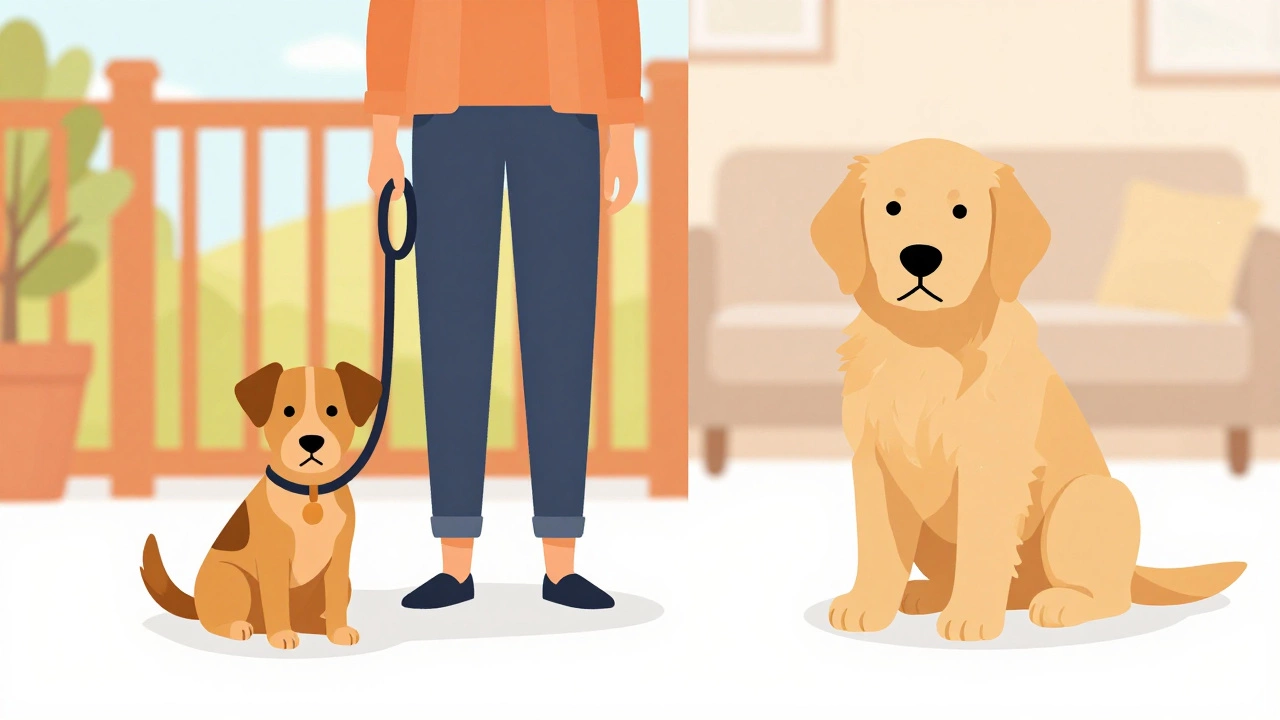
Buy vs. Adopt: Dog Cost & Lifestyle Calculator
Your Situation
- Fee: $200
- Vet/Supplies: $1,400
- Purchase Price: $2,000
- Vet/Supplies: $1,200
Enter your details to get started
Adjust the sliders and select your preferences on the left to see which path fits your life best.
You want a dog. The idea of coming home to a wagging tail and unconditional love is irresistible. But before you open your heart (and your wallet), there is one massive decision hanging over you: do you buy a dog from a breeder or adopt one from a shelter? It’s not just a logistical choice; it’s an ethical crossroads that defines the start of your relationship with your new best friend.
There is no single "correct" answer here. Both paths have serious pros, cons, and hidden surprises. Some people need the predictability of a specific breed’s temperament. Others are moved by the chance to save a life. To make the right call, you need to look past the emotional appeal and examine the reality of health, cost, behavior, and long-term commitment.
The Case for Adopting: Saving a Life
Adopting a dog is often framed as the morally superior choice, and for good reason. Shelters and rescues are overflowing. In the United States alone, millions of dogs enter shelters annually, and hundreds of thousands are euthanized due to lack of space. When you adopt, you are directly preventing a death sentence and freeing up resources for another animal in need.
What is the real impact of adopting a dog?
Adoption reduces overcrowding in shelters, saves lives, and supports non-profit organizations dedicated to animal welfare. It also helps combat the demand for commercial breeding operations.
But beyond the ethics, there are practical benefits. Most shelter dogs come spayed or neutered, microchipped, and up-to-date on vaccinations. This initial package can save you hundreds of dollars compared to a breeder who might only provide basic shots. Plus, many adult dogs in shelters already know basic commands like "sit," "stay," and how to walk on a leash. If you’re short on time or patience, an adult rescue might be easier to integrate into your life than a high-energy puppy.
However, adoption comes with uncertainties. You rarely know the full history of a shelter dog. Was it abused? Neglected? Did it live with other dogs? These unknowns can manifest as behavioral issues. Separation anxiety, fear of strangers, or resource guarding might not surface until weeks after you bring them home. You need to be prepared for potential training challenges and possibly higher veterinary bills if underlying health issues emerge later.
The Case for Buying: Predictability and Breed Traits
Buying a dog from a reputable breeder offers something adoption cannot guarantee: predictability. If you live in an apartment and need a low-energy companion, a Border Collie is likely a terrible fit. If you have young children, a breed known for gentleness, like a Golden Retriever, might be safer. Reputable breeders select for temperament, health, and size, giving you a clearer picture of what you’re signing up for.
Health is another major factor. Ethical breeders perform genetic testing on their breeding stock to screen for hereditary conditions common in their breed, such as hip dysplasia in German Shepherds or heart disease in Cavalier King Charles Spaniels. They provide health guarantees and documentation, which can offer peace of mind and potentially lower insurance premiums.
But "reputable" is the key word here. The rise of backyard breeders and puppy mills has made buying a dog riskier than ever. Puppy mills prioritize profit over welfare, keeping dogs in cramped, unsanitary conditions. Puppies from these sources often suffer from chronic health problems and severe behavioral issues due to lack of socialization. Distinguishing between a responsible breeder and a profiteer requires diligence. You should visit the facility, meet the parents, and ask for proof of health testing. If they hesitate or refuse, walk away.
Cost Comparison: What Will It Actually Cost You?
Money talks, and the price tag is often the deciding factor. On the surface, adoption seems cheaper. Adoption fees typically range from $50 to $400, depending on the organization and the dog’s age. Breeding fees, however, can range from $1,000 to $3,000 or more for popular breeds.
But don’t let the sticker price fool you. The first year of owning any dog-adopted or bought-is expensive. Food, toys, vet visits, grooming, and training add up quickly. A study by the American Veterinary Medical Association suggests the average first-year cost for a dog is around $1,200 to $1,800. Over a lifetime, this can exceed $15,000.
Here is where the hidden costs of adoption might catch you off guard. If a shelter dog has undisclosed medical issues, you could face thousands in unexpected vet bills. Conversely, a purebred dog from a breeder might require specialized care for breed-specific conditions. For example, French Bulldogs often need respiratory support, while large breeds like Great Danes may develop joint issues early. Factor in pet insurance, which is increasingly recommended for both adopted and purchased dogs to mitigate financial risk.
| Expense Category | Adoption (Shelter) | Purchase (Reputable Breeder) |
|---|---|---|
| Initial Fee | $50 - $400 | $1,000 - $3,000+ |
| Vaccinations & Spay/Neuter | Included | $200 - $500 (if not included) |
| Food & Supplies | $500 - $800 | $500 - $800 |
| Training & Behavioral Support | $200 - $600 (often needed) | $100 - $300 (usually less intensive) |
| Unexpected Vet Bills | Variable (higher risk of unknowns) | Variable (breed-specific risks) |
Behavioral Considerations: Personality and Training
Your lifestyle dictates the kind of dog you can handle. Do you work from home? Do you run marathons? Do you have toddlers? These factors matter more than whether the dog came from a shelter or a breeder.
Shelter dogs vary wildly in energy levels and trainability. Some are couch potatoes; others are zoomies-prone maniacs. Without knowing their history, you might end up with a dog that needs more exercise than you can provide, leading to destructive behavior. On the flip side, some shelter dogs are trauma survivors who need gentle, patient re-socialization. If you are inexperienced with dog training, this can be overwhelming.
Breeders, especially those focused on working lines or show lines, often raise puppies with early neurological stimulation and socialization. This "puppy kindergarten" approach can result in a more confident, adaptable dog. However, even well-bred puppies go through difficult phases, like the "teenage" rebellion at six months. No dog is born perfectly trained. Regardless of origin, you must commit to ongoing positive reinforcement training.
Ethical Implications: Supporting Good vs. Bad Practices
This is where your personal values come into play. Buying a dog supports the breeder. If that breeder is ethical, you are supporting someone who prioritizes animal health, genetic diversity, and responsible placement. You are helping preserve breed standards and ensuring that dogs are raised in loving homes.
If you buy from a pet store or online marketplace without verification, you are likely funding puppy mills. These facilities treat dogs as products, breeding them relentlessly until they die. The puppies suffer from poor hygiene, lack of veterinary care, and minimal human interaction. By purchasing from such sources, you perpetuate a cycle of abuse.
Adopting, conversely, supports the rescue ecosystem. Shelters rely on adoption fees to operate. Your fee helps feed and house other animals waiting for homes. It also sends a message to society that every dog deserves a second chance, regardless of breed or background.
How to Decide: A Practical Checklist
To narrow down your choice, ask yourself these honest questions:
- What is my budget? Can I afford a $2,000 puppy plus potential health issues? Or do I need the lower upfront cost of adoption?
- Do I need a specific trait? Am I allergic to certain dander levels? Do I need a hypoallergenic breed? Do I need a herding dog for livestock? If yes, a breeder might be necessary.
- Am I experienced with dogs? If you are a first-time owner, a well-socialized puppy from a breeder or a calm adult rescue might be better than a high-needs shelter dog with trauma.
- How much time do I have? Puppies require immense time for potty training and socialization. Adult dogs often settle in faster.
- Where will I source the dog? Never buy from a pet store. If buying, visit the breeder. If adopting, research the shelter’s reputation.
Frequently Asked Questions
Is it harder to train a rescue dog?
Not necessarily. Many rescue dogs are already house-trained and know basic commands. However, if the dog has had a traumatic past, they may exhibit fear-based behaviors that require patience and professional guidance. Puppies from breeders start from scratch but are often more eager to please during critical socialization windows.
Are mixed-breed dogs healthier than purebreds?
Generally, yes. Mixed-breed dogs often benefit from hybrid vigor, meaning they have a broader gene pool that reduces the risk of inherited diseases common in purebreds. However, reputable breeders test for genetic disorders, which can mitigate these risks significantly.
Can I find a specific breed in a shelter?
Yes! Breed-specific rescues exist for almost every popular breed, including Labradors, Huskies, and Pit Bulls. Additionally, general shelters often have mixed-breed dogs that closely resemble purebreds. Checking local shelters regularly increases your chances of finding your desired breed.
What questions should I ask a breeder?
Ask for proof of health testing for both parents (e.g., OFA hips/elbows, cardiac exams). Ask to see the whelping area and meet the mother. Inquire about their return policy-if they won’t take the dog back at any point in its life, they are not responsible. Also, ask how they socialize puppies before going home.
Is it wrong to buy a dog if I can adopt?
It is not inherently wrong if you choose a reputable, ethical breeder who prioritizes animal welfare. The problem lies in supporting puppy mills and irresponsible breeding practices. Responsible breeding preserves genetic health and temperament traits that are valuable for specific roles, such as service work or hunting.