Dog Bed Recommendation Tool
Answer a few questions about your dog to find the ideal bedding material for their specific needs.
Quick Summary: The Verdict on Memory Foam
- Best for: Senior dogs, breeds prone to hip dysplasia, and dogs with arthritis.
- Main Benefit: Superior pressure relief and joint alignment compared to polyester fill.
- Potential Downside: Can trap heat in the summer and may be too soft for some very small breeds.
- Key Tip: Look for "orthopedic" labels that specify high-density foam.
How Memory Foam Actually Works for Dogs
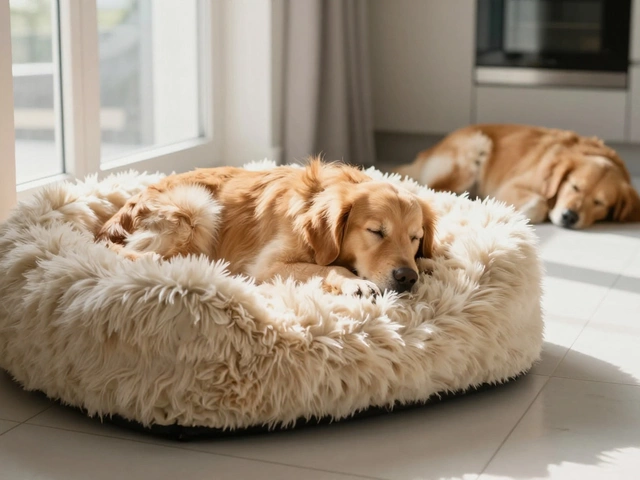
Most cheap dog beds use polyester fiberfill, which is basically like sleeping on a cloud that eventually collapses. When a dog lies on a fluffy bed, their heavy points-the hips and shoulders-sink right through the fluff and hit the hard floor. This creates pressure points that can lead to soreness and restlessness.
Memory foam is different because it's a viscoelastic foam. This means it reacts to heat and weight. When your dog lays down, the foam softens to match their exact shape. Instead of the weight being concentrated on the hip bones, it's spread across the entire surface area of the bed. This is why orthopedic dog beds are often recommended by vets; they essentially act as a shock absorber for the body.
Who Really Needs an Orthopedic Bed?
Not every dog needs the high-end support of a memory foam mattress. A healthy 2-year-old Labrador might be perfectly happy on a standard cushion. However, there are specific groups where this kind of bedding is practically a medical necessity.
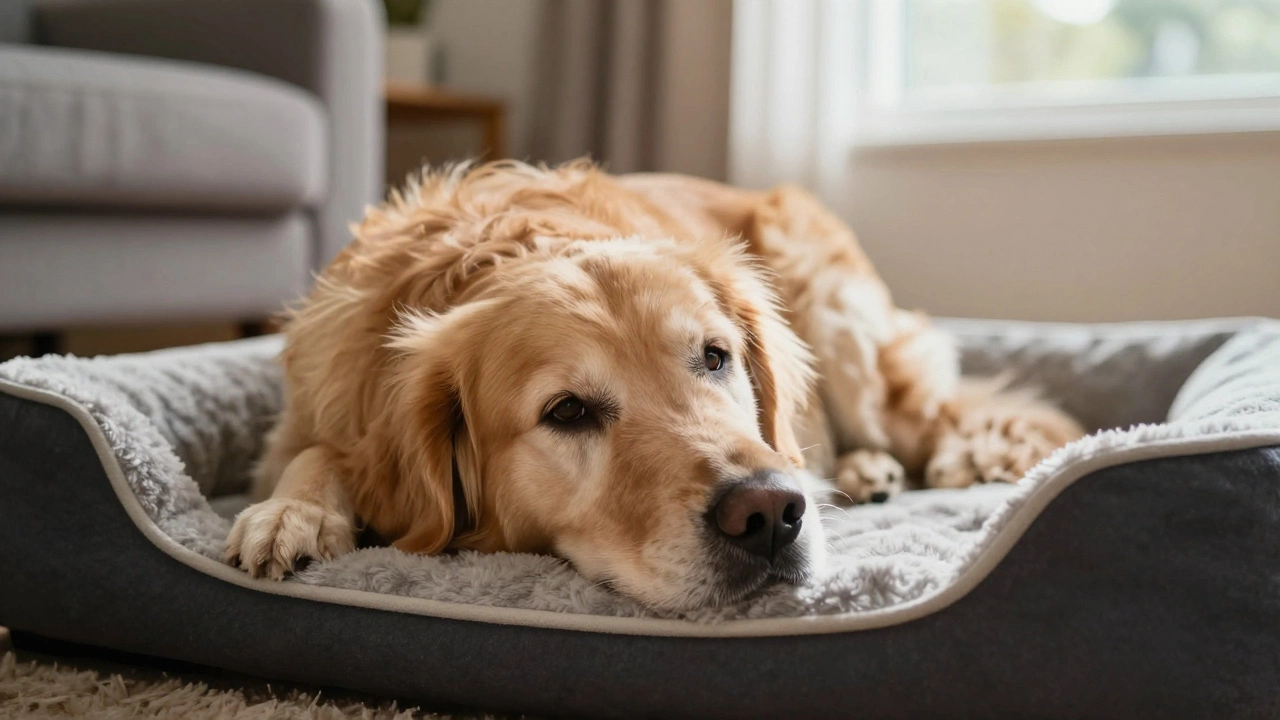
First, look at your dog's age. Senior dogs often suffer from osteoarthritis, where the cartilage in the joints wears down. A bed that minimizes friction and pressure helps them wake up less stiff in the morning. Then there are the breeds. Large breeds like Golden Retrievers, German Shepherds, and Great Danes are statistically more prone to hip dysplasia. For these dogs, the support provided by high-density foam prevents the joints from shifting into uncomfortable positions during deep sleep.
| Material | Support Level | Durability | Heat Retention | Best For |
|---|---|---|---|---|
| Polyester Fill | Low | Low (clumps) | Medium | Puppies / Short naps |
| High-Density Memory Foam | Very High | High | High | Seniors / Large Breeds |
| Egg-Crate Foam | Medium | Medium | Low | Dogs who overheat |
| Cotton/Wool | None | Medium | Low | Cooler climates/Nesting |
The Heat Problem: A Common Pitfall
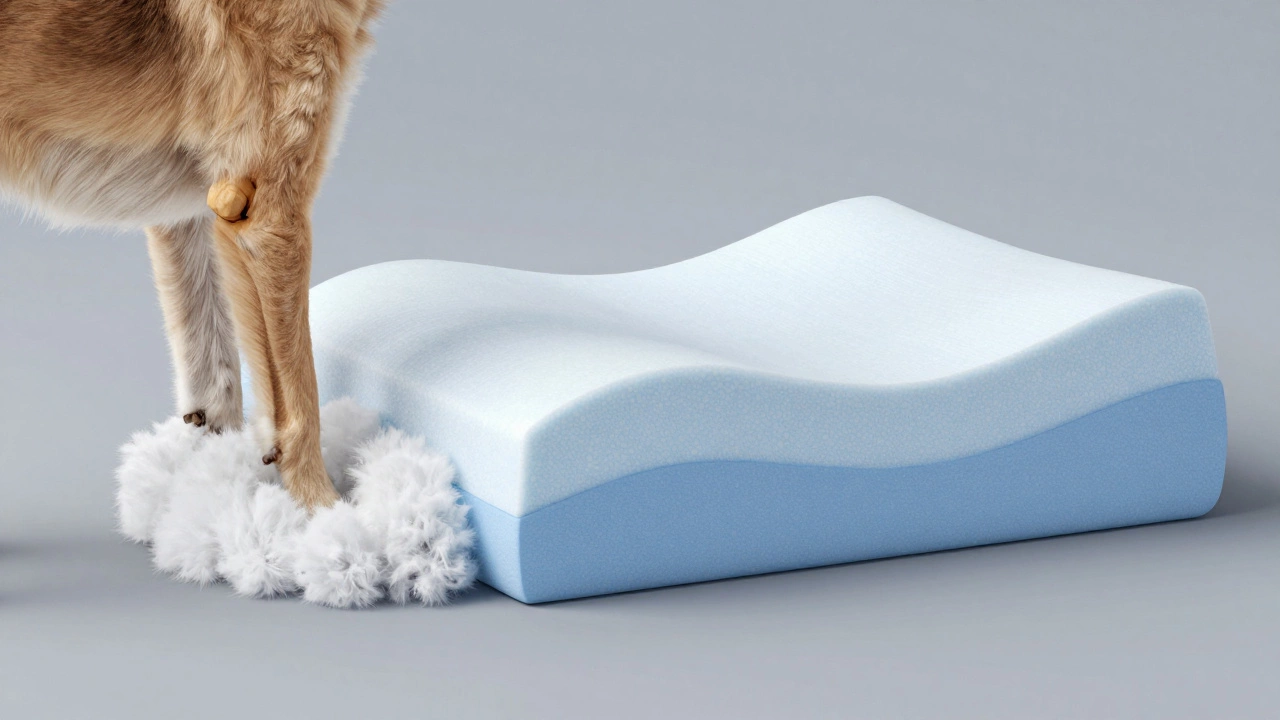
One of the biggest complaints about memory foam is that it "runs hot." Because the foam contours so closely to the dog's body, there is very little airflow between the dog and the mattress. For a thick-coated Husky or a dog that loves to sprawl, this can lead to overheating, especially in July or August.
If your dog is a "hot sleeper," you shouldn't give up on memory foam entirely. Instead, look for gel-infused memory foam. This technology embeds cooling gel beads into the foam structure to pull heat away from the skin. Another trick is to choose a bed with a breathable cover made of cotton or bamboo rather than a heavy synthetic plush that traps warmth.
Shopping Guide: What to Look for on the Label
Walking into a pet store can be overwhelming because every bed claims to be "orthopedic." To find a bed that actually supports your dog's weight, you need to look past the marketing and check the specs.
- Foam Density: If the bed feels like a sponge that you can easily squash with one finger, it's too soft. You want high-density foam that pushes back. A bed that is too soft will allow the dog to sink through to the floor, defeating the whole purpose.
- The "Layer Cake" Design: The best beds often have a dual-layer system. A top layer of soft memory foam for comfort and a bottom layer of supportive polyurethane foam to prevent bottoming out.
- Removable Covers: Dogs are messy. Whether it's mud from a walk or an accidental leak, a bed without a removable, machine-washable cover is a liability. Check that the zipper is heavy-duty; cheap zippers often break during the first wash.
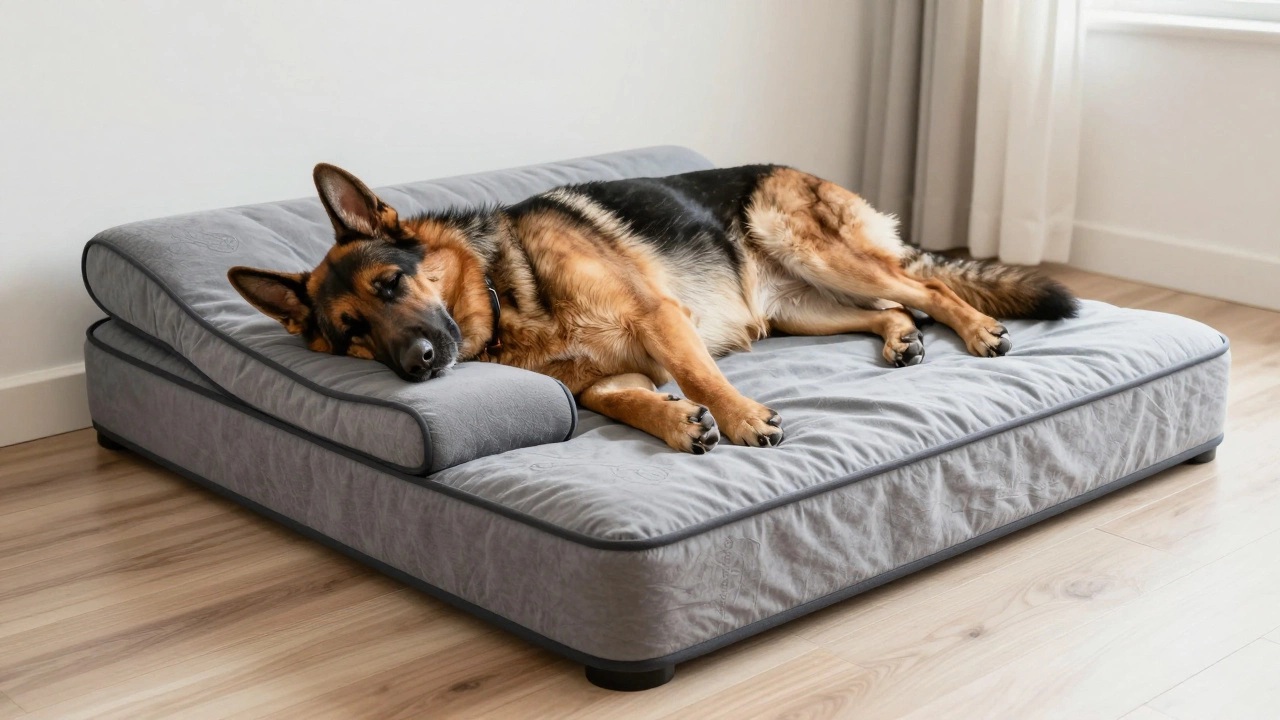
- Edge Support: Look for beds with raised edges (bolsters). Many dogs feel safer when they have a place to rest their head or lean against, and it keeps them from rolling off the foam onto the hard floor.
Maintenance and Long-Term Care
Memory foam is an investment, and unlike a $20 polyester bed, you want it to last for years. However, foam acts like a giant filter for dust, dander, and odors. Since you can't exactly throw a 4-inch slab of foam in the washing machine, you have to be strategic about cleaning.
Vacuum the foam core once a month using a handheld vacuum to remove embedded hair. If the foam gets a smell, avoid soaking it in water, as memory foam takes forever to dry and can grow mold internally. Instead, use a light mist of enzyme cleaner and let it air dry in a well-ventilated area. A waterproof liner between the foam and the cover is the smartest move you can make-it prevents liquids from ever reaching the core, which is the primary reason these beds fail prematurely.
When Memory Foam Is NOT the Best Choice
While it's a fantastic product, it's not a one-size-fits-all solution. For example, very small dogs-think Chihuahuas or Toy Poodles-often don't have enough body mass to "activate" the memory foam. They might find a high-density foam bed feels like a brick. For these tiny breeds, a softer blend of foam and fiberfill is usually more comfortable.
Additionally, if your dog is an aggressive "nester" who likes to dig and scratch their bed into a specific shape before lying down, memory foam might frustrate them. Memory foam doesn't "scrunch" or move; it stays put. Dogs that need to manipulate their bedding might prefer a high-quality shag bed or a bolstered lounge bed that allows for some rearranging.
Will a memory foam bed help my dog with arthritis?
Yes, it can significantly help. Arthritis causes inflammation and pain in the joints. Memory foam reduces the pressure on these sensitive areas and prevents the joints from being compressed against a hard surface, which can reduce morning stiffness and make it easier for them to get up.
How long do these beds typically last?
High-quality, high-density memory foam beds can last 3 to 5 years if properly cared for. The most common sign that it's time for a replacement is "bottoming out," where the foam no longer springs back and your dog's weight is pressing directly against the floor.
Can I use a human memory foam mattress topper for my dog?
You can, but it's not ideal. Human toppers are often too soft and lack the structural support needed for a dog's heavier frame. Also, they lack the durable, chew-resistant, and washable covers that specific dog beds provide, meaning the foam will get dirty and worn out much faster.
Is memory foam safe for puppies?
It's safe, but usually unnecessary. Puppies have very flexible joints and don't need the orthopedic support that seniors do. More importantly, puppies tend to chew and shred their beds; since memory foam is more expensive, you might want to start with a more durable, chew-proof bed until they are through the teething phase.
What is the difference between memory foam and orthopedic foam?
"Orthopedic" is a broad term that means the bed is designed to support joints. Memory foam is a specific type of material used to achieve that goal. However, some orthopedic beds use egg-crate foam or high-resilience poly-foam instead of memory foam. Always check the material list to ensure it's actually memory foam if that's what you're looking for.
Next Steps for Your Dog's Comfort
If you're undecided, start by observing your dog's behavior. Do they struggle to stand up? Do they spend a long time trying to get comfortable? If yes, a memory foam bed is a worthy investment in their quality of life.
For тех whose dogs are overweight, combining a supportive bed with a weight management plan is the best way to reduce joint stress. If you're buying for a puppy, consider a bed with a removable insert so you can upgrade to a full orthopedic mattress once they reach adulthood and their joints start to take more wear and tear.