Anti-Pull Tool Comparison & Safety Checker
Mechanism of Action
Safety & Effectiveness Analysis
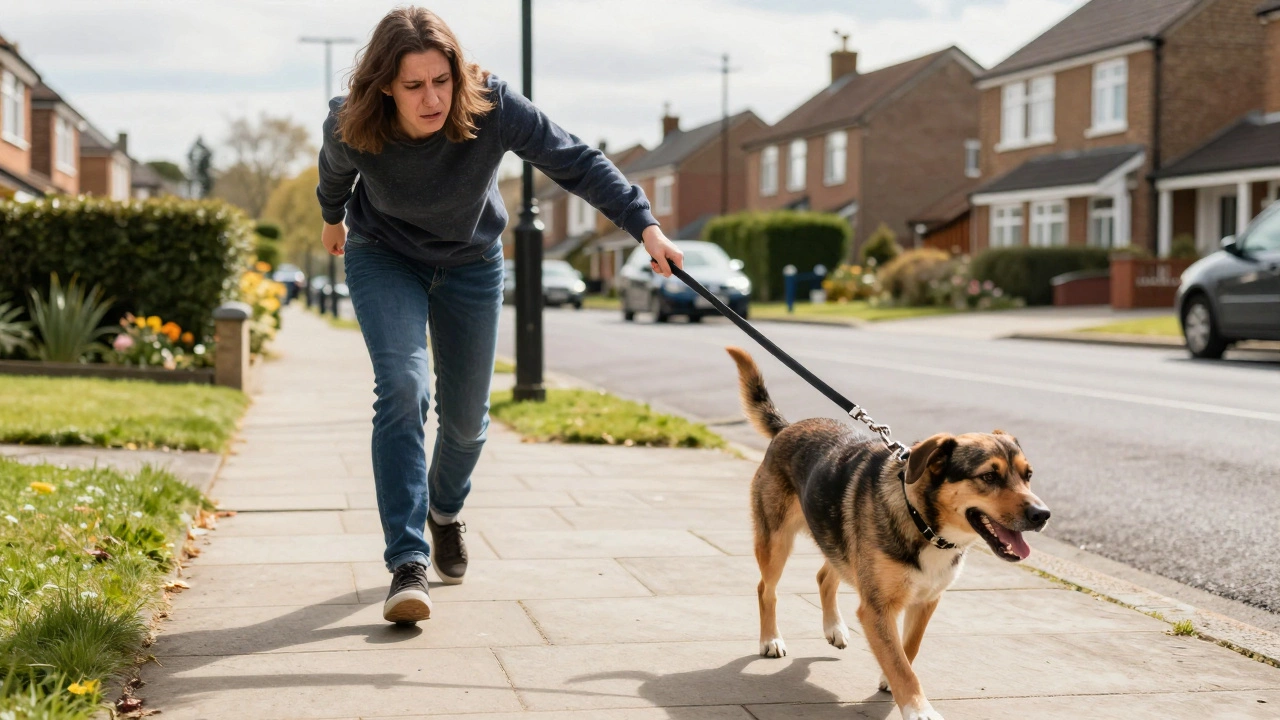
You’re walking your dog. They see a squirrel. Suddenly, you’re being dragged down the sidewalk, your arm straining, your dignity fading fast. It happens to almost every dog owner at some point. You want a solution that works *now*. That’s why prong collars get so much attention. They look intimidating. They promise immediate results. But does a prong collar actually stop pulling, or is it just masking the problem while causing new ones?
The short answer is yes-it often stops the physical act of pulling in the moment. But that doesn’t mean it solves the underlying behavior. In fact, for many dogs, it creates fear, anxiety, or even aggression. Before you snap one on your pup’s neck, let’s break down how these tools work, when they might be appropriate (spoiler: rarely), and what actually builds long-term leash manners without pain.
How Prong Collars Actually Work
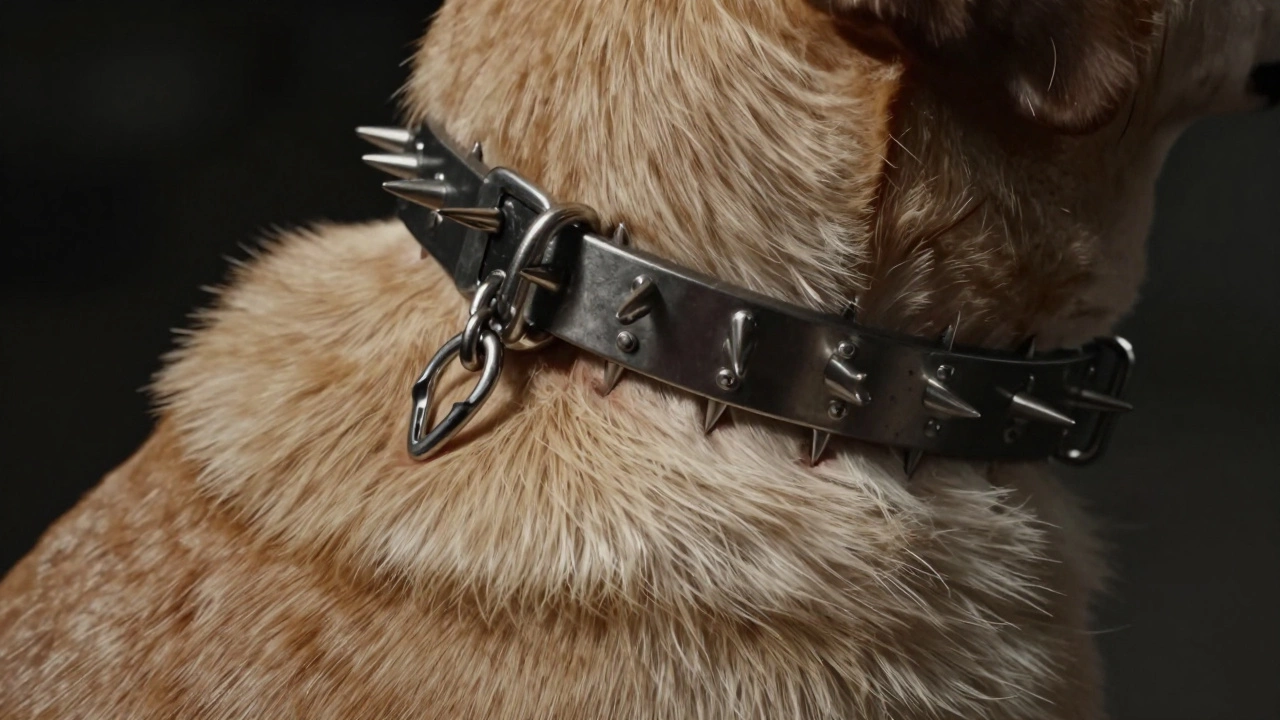
To understand whether a prong collar stops pulling, you first need to know what it’s doing to your dog. A prong collar-also called a pinch collar-is made of interlocking metal links with blunt spikes pointing inward toward the dog’s neck. When the dog pulls, tension tightens the collar, and those spikes press into the skin.
This isn’t about choking like a slip lead or martingale. It’s about discomfort. The idea is that the sharp pressure mimics the corrective bite a mother dog might use with her puppies. Proponents argue this “natural” feedback teaches the dog not to pull because the sensation is unpleasant enough to override their urge.
But here’s the catch: dogs don’t think in human terms of correction or discipline. They respond to cause and effect. If pulling equals pain, they’ll stop pulling *while wearing the collar*. But if the root cause of the pulling-excitement, fear, lack of focus, or poor impulse control-is never addressed, the behavior returns the second the collar comes off.
| Tool | Mechanism | Pain/Discomfort Level | Long-Term Behavior Change | Risk of Injury |
|---|---|---|---|---|
| Prong Collar | Pressure points from spikes | High | Low (suppresses behavior) | Moderate to High |
| Front-Clip Harness | Redirects momentum sideways | None | High (teaches loose-leash walking) | Very Low |
| Head Halter (e.g., Gentle Leader) | Controls head direction | Low (mild restraint) | High (with proper introduction) | Low |
| Choke Chain | Tightens around trachea | Moderate to High | Low (suppression-based) | High |
Why Prong Collars Often Fail Long-Term
Let’s say you put a prong collar on your reactive Labrador. Within three walks, he’s no longer yanking you toward every passerby. Success, right? Not necessarily. What you’ve likely achieved is suppression, not learning. Your dog hasn’t learned *how* to walk nicely; he’s learned that pulling hurts. So he holds back-but only when the collar is on.
Here’s where things get tricky. Dogs are incredibly smart at associating context with outcomes. If the prong collar is only used during stressful situations (like busy streets or near other dogs), your pup may start linking those environments with pain. This can escalate into generalized anxiety or even defensive aggression. Instead of solving the pulling, you’ve created a more complex behavioral issue.
Worse still, some dogs become desensitized to the prongs. Like any repeated stimulus, the initial shock wears off. Your dog learns to tolerate the discomfort rather than change his behavior. Now you’re dealing with a stronger, more determined puller who’s also slightly traumatized by his gear.
And let’s talk safety. Even “blunt” prongs can cause damage. Tracheal irritation, bruising, hair loss, and in severe cases, nerve damage or thyroid injury have been documented. Brachycephalic breeds (like Pugs or Bulldogs) are especially vulnerable because their neck structures are already compromised. Veterinary organizations across Australia, including the Royal Society for the Prevention of Cruelty to Animals (RSPCA) NZ, strongly advise against aversive tools due to these risks.
When Might a Prong Collar Be Considered?
I won’t lie to you: there are rare scenarios where professionals consider prong collars as part of a broader training plan. We’re talking large, powerful working breeds-think German Shepherds, Rottweilers, or Belgian Malinois-in high-stress environments where safety is paramount. And even then, it’s never a standalone fix.
If a certified force-free trainer recommends a prong collar, it should be:
- Fitted correctly (high on the neck, behind the ears, snug but not tight).
- Used temporarily alongside positive reinforcement techniques.
- Phased out as soon as alternative behaviors are established.
- Never used on fearful, anxious, or aggressive dogs without professional oversight.
Even in these cases, most modern trainers prefer front-clip harnesses or head halters. Why? Because they manage movement without inflicting pain. They give you control while keeping your dog’s emotional state intact. And crucially, they allow you to teach replacement behaviors instead of just suppressing unwanted ones.
What Actually Stops Pulling For Good
If you want your dog to stop pulling-not just while wearing a scary collar, but forever-you need to address the *why*. Most dogs pull because they’re excited, curious, frustrated, or simply haven’t been taught otherwise. Here’s what really works:
1. Front-Clip Harnesses Are Game-Changers
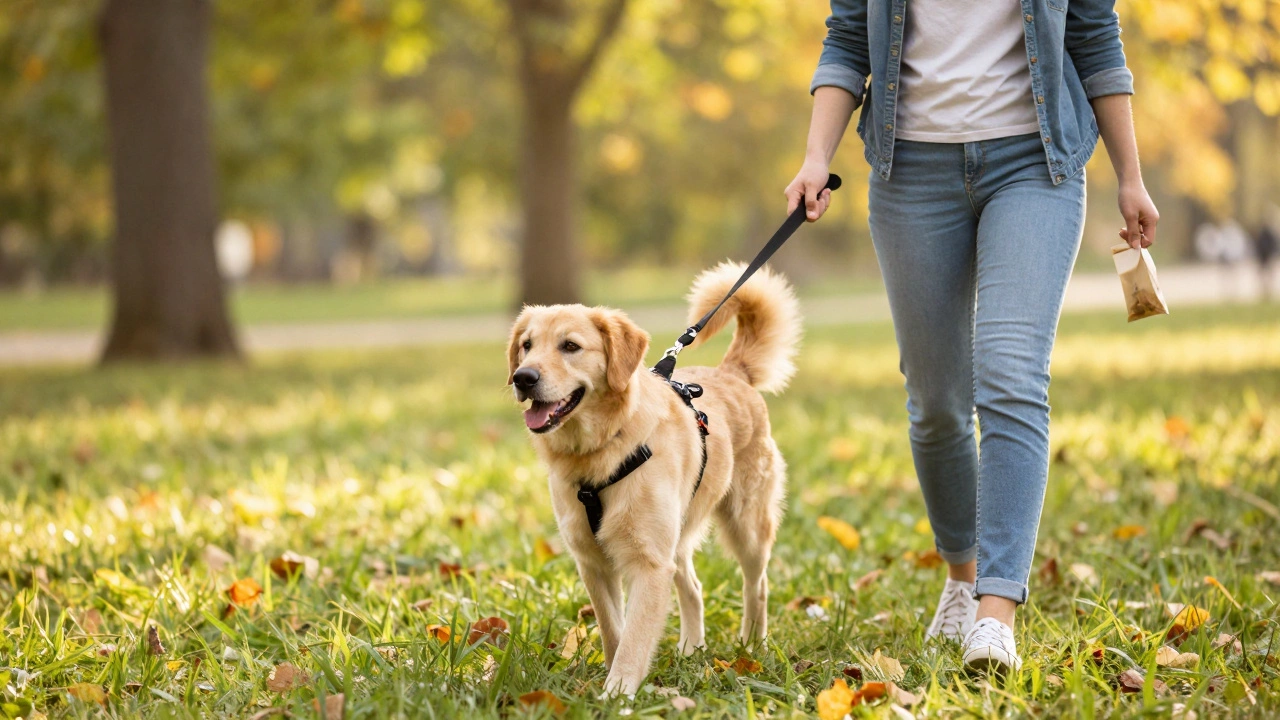
A harness with a clip on the chest changes everything. When your dog lunges forward, the harness gently turns them toward you. It’s physics, not punishment. No pain, no fear-just redirection. Brands like Freedom Harness or Easy Walk have helped thousands of owners regain control without resorting to aversives.
2. Teach Loose-Leash Walking as a Skill
Dogs don’t naturally know how to walk politely beside us. You have to teach it. Start indoors. Reward your dog for staying near your leg with treats, praise, or play. Gradually increase distractions. Use markers like “yes!” or a clicker to pinpoint good behavior. Consistency beats intensity every time.
3. Manage Environment, Don’t Just React
If your dog explodes at squirrels, avoid squirrel zones until he’s calmer. Use distance to your advantage. Let him observe triggers from far away, reward calm behavior, then slowly decrease the gap. This is called counterconditioning-and it rewires your dog’s brain instead of just silencing his actions.
4. Impulse Control Games
Games like “wait,” “leave it,” or “touch” build self-control. Practice them daily. A dog who can wait for food will eventually learn to wait before surging ahead on the leash. These skills transfer beautifully to real-world walks.
5. Hire a Certified Positive Reinforcement Trainer
If you’re stuck, don’t blame yourself-or your dog. Find a trainer accredited by organizations like Karen Pryor Academy or Certification Council for Professional Dog Trainers (CCPDT). Look for credentials like CPDT-KA or IAABC. Avoid anyone who promotes dominance theory, alpha rolls, or electronic collars. Science-backed methods yield better, safer results.
Red Flags: Signs Your Dog Is Suffering
Before you reach for a prong collar, watch your dog closely. Are they showing signs of stress? Ears pinned back? Whale eye (showing whites of eyes)? Lip licking? Yawning? These aren’t quirks-they’re distress signals. Ignoring them can lead to shutdown or explosion.
Also check your own mindset. Are you using the collar out of frustration? Shame? Pressure from others? Training should strengthen your bond, not strain it. If you feel angry or defeated, take a break. Go home. Try again tomorrow with fresh energy and a gentler approach.
Alternatives That Work Without Pain
You don’t need pain to train effectively. In fact, research consistently shows that positive reinforcement leads to faster learning, fewer behavioral issues, and stronger human-animal bonds. Here are proven alternatives:
- Bungee Leashes: Absorb sudden jerks, reducing strain on both you and your dog.
- Slip Leads (used correctly): Lightweight, easy to adjust, and effective when paired with rewards.
- Head Halters: Great for strong pullers; introduce gradually to prevent resistance.
- Enrichment Walks: Sniffari-style walks let dogs explore mentally, reducing frantic pulling.
- Clicker Training: Precise communication helps dogs understand exactly what earns rewards.
Each tool has its place. The key is matching the method to your dog’s personality, needs, and current skill level. One size does not fit all-but compassion always fits.
Final Thoughts: Choose Kindness Over Quick Fixes
Will a prong collar stop pulling? Technically, yes. But at what cost? Temporary compliance isn’t worth risking your dog’s trust, mental health, or physical well-being. Real progress takes patience, consistency, and empathy. It means celebrating small wins, adjusting strategies, and remembering that your dog isn’t giving you a hard time-he’s having a hard time.
Invest in tools that empower, not punish. Learn the science behind behavior. Surround yourself with supportive, evidence-based resources. Your dog will thank you-with wagging tails, relaxed shoulders, and joyful strides beside you. And honestly? So will you.
Is a prong collar cruel?
Many veterinary and animal welfare organizations consider prong collars potentially harmful due to the risk of physical injury and psychological stress. While proponents argue they mimic natural canine communication, critics point out that consistent pressure on sensitive areas can cause tissue damage, nerve irritation, and increased anxiety. The RSPCA New Zealand advises against their use, favoring force-free methods instead.
Can I use a prong collar on my puppy?
No, it’s not recommended. Puppies are still developing physically and emotionally. Their necks are delicate, and their brains are highly impressionable. Using aversive tools early can create lasting fear or confusion. Focus on positive reinforcement, short training sessions, and gentle guidance during this critical socialization period.
What’s the difference between a prong collar and a choke chain?
A prong collar uses multiple pressure points via spiked links to deter pulling through localized discomfort. A choke chain tightens uniformly around the neck, compressing the trachea and surrounding tissues. Both rely on negative reinforcement, but choke chains pose higher risks of airway damage, while prong collars may cause superficial injuries or desensitization over time.
Do prong collars work on big dogs?
They may suppress pulling temporarily in large breeds, but effectiveness varies widely. Size alone doesn’t determine suitability-temperament, history, and training goals matter more. Many big dogs respond better to structured positive reinforcement combined with appropriate equipment like front-clip harnesses. Always consult a qualified trainer before choosing any aversive tool.
Are there legal restrictions on prong collars?
Some countries and regions restrict or ban prong collars under animal cruelty laws. In parts of Europe, such as Sweden and Switzerland, their sale and use are prohibited. In New Zealand, while not explicitly illegal nationwide, local councils and welfare groups discourage them. Always check regional regulations and prioritize ethical, scientifically supported training practices.
How do I transition off a prong collar safely?
Gradual transition is key. Begin by pairing the prong collar with high-value rewards for calm behavior. Slowly reduce reliance on the collar as your dog responds to verbal cues and environmental management. Switch to a front-clip harness or standard flat collar while continuing reinforcement. Monitor for regression and adjust accordingly. Seek professional help if needed.
What should I look for in a humane anti-pull harness?
Look for padded straps, adjustable fits, and a front attachment ring. Ensure it allows full range of motion without chafing. Test mobility before committing. Popular options include the Freedom Harness, Ruffwear Web Master, and Easy Walk Harness. Fit matters more than brand-measure your dog accurately and consult sizing charts.
Can prong collars make aggression worse?
Yes, especially in fearful or reactive dogs. Adding pain to an already stressful situation can heighten arousal and trigger defensive responses. Instead of calming the dog, the collar may associate threats with discomfort, leading to escalated reactivity. Address root causes through desensitization, counterconditioning, and professional guidance.
Where can I find certified positive reinforcement trainers?
Search directories from reputable organizations like the Certification Council for Professional Dog Trainers (CCPDT), International Association of Animal Behavior Consultants (IAABC), or Karen Pryor Academy. Verify credentials such as CPDT-KA, KPA-CTP, or IAABC-CAT. Read reviews, ask for references, and ensure alignment with your values and goals.
How long does it take to stop pulling with positive methods?
Timeline depends on factors like age, breed, prior experiences, and consistency. Some dogs improve within weeks; others require months. Daily practice, realistic expectations, and celebration of incremental progress are essential. Remember, building reliable habits takes time-but the payoff is a confident, cooperative companion who enjoys walks as much as you do.