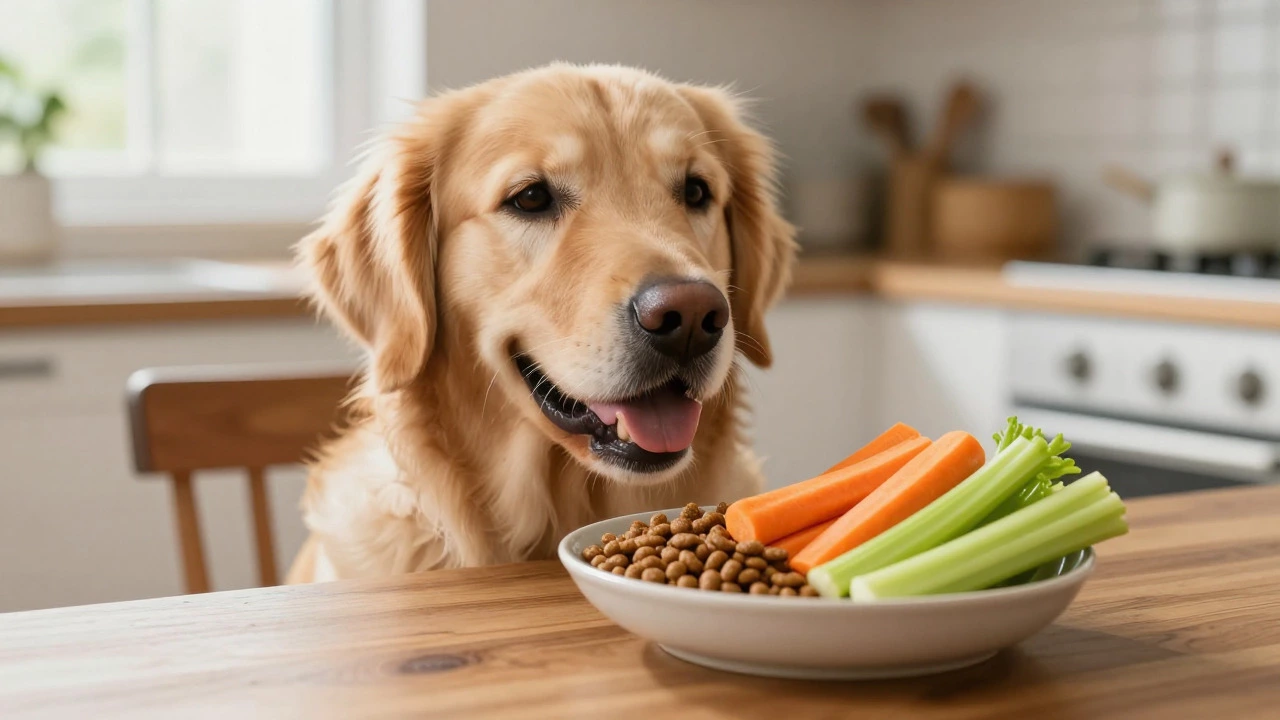
Dog Vegetable Portion & Safety Calculator
*Introduce one new vegetable at a time. Wait 3-4 days before adding another to monitor for reactions.
Quick Reference List
✅ Safe & Recommended
❌ Toxic or Avoid
Adding vegetables to your dog's bowl isn't just a trend; it's a practical way to boost their fiber intake, add essential vitamins, and keep them engaged during mealtime. However, the line between a healthy snack and a toxic mistake is thinner than you might think. While some plants are superfoods for canines, others can cause kidney failure or digestive distress if not handled correctly.
This guide breaks down exactly which vegetables are safe, how much to feed, and the specific preparation methods that make all the difference. We will look at the nutritional benefits, potential risks, and simple recipes to help you integrate these greens into your dog's daily routine without guesswork.
Why Add Vegetables to Your Dog’s Diet?
Dogs are omnivores with a carnivorous bias, meaning they need meat as their primary protein source but can benefit significantly from plant-based nutrients. Commercial kibble often lacks the fresh enzyme activity found in raw or lightly cooked produce. By adding vegetables, you introduce a range of antioxidants and phytonutrients that support long-term health.
- Fiber Boost: Vegetables like pumpkin and carrots provide soluble and insoluble fiber, which aids in regular bowel movements and helps manage weight.
- Vitamin Density: Leafy greens offer vitamins A, C, and K, which support immune function and bone health.
- Hydration: Water-rich vegetables like cucumbers and zucchini contribute to overall fluid intake, especially useful for dogs who don't drink enough water.
- Dental Health: Crunchy raw vegetables like celery act as natural toothbrushes, helping to scrape plaque off teeth while chewing.
The key here is balance. Vegetables should complement, not replace, a balanced protein source. Think of them as the 'micronutrient pack' that rounds out the meal.
Top Safe Vegetables for Canine Consumption
Not all vegetables are created equal when it comes to dog safety. Some are easy on the stomach, while others require careful portioning. Here are the top contenders that veterinarians generally recommend for most healthy adult dogs.
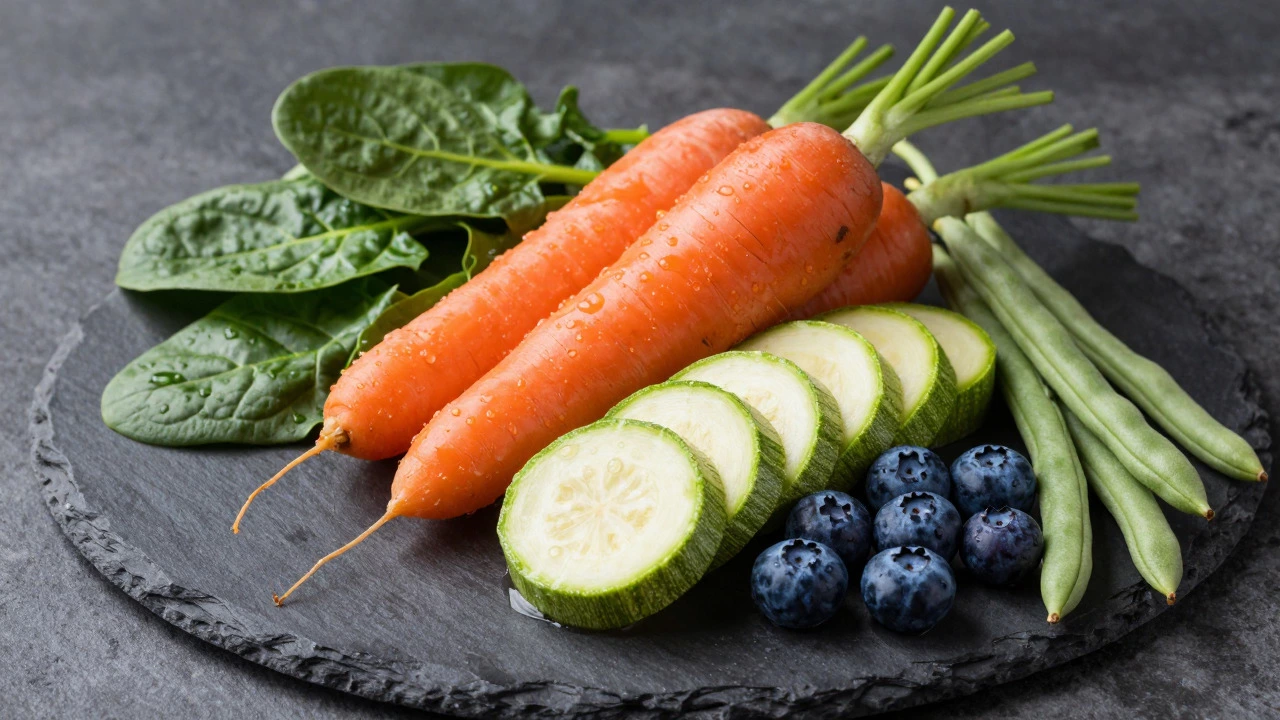
| Vegetable | Key Nutrient | Preparation Method | Best For |
|---|---|---|---|
| Carrots | Beta-carotene (Vitamin A) | Raw (crispy) or steamed (soft) | Dental cleaning, low-calorie snacking |
| Pumpkin | Soluble Fiber | Canned (plain) or boiled | Digestive regulation, sensitive stomachs |
| Spinach | Iron, Calcium, Vitamin K | Steamed only | Anemia prevention, joint health |
| Blueberries | Antioxidants (Anthocyanins) | Fresh or frozen | Brain health, immune support |
| Zucchini | Vitamin C, Potassium | Steamed or raw (peeled) | Low-calorie filler, hydration |
| Green Beans | Vitamins A, C, K | Boiled plain | Weight management, diabetes support |
Carrots are a crunchy root vegetable rich in beta-carotene, which converts to vitamin A in the body. They are one of the safest options because they are non-toxic even in large quantities and provide a satisfying chew. If your dog has strong jaws, raw carrot sticks are excellent for dental hygiene. For older dogs or those with dental issues, steam them until soft before mixing into food.
Pumpkin is a versatile gourd used primarily for its high soluble fiber content, which absorbs water in the gut. It is famous for regulating digestion. If your dog is constipated, a spoonful of plain canned pumpkin (not pie filling) can work wonders. Conversely, if they have diarrhea, the same fiber helps firm up stools. Just ensure you avoid the seeds, which can be a choking hazard or cause blockages.
Spinach is a leafy green packed with iron and calcium, though it contains oxalates that require moderation. While nutritious, spinach should not be a staple for every meal due to its oxalate content, which can contribute to bladder stones in predisposed breeds. Steam it lightly to break down tough fibers and reduce the oxalate concentration slightly. A small handful mixed into a bowl of kibble once or twice a week is a safe approach.
Vehicles vs. Fruits: The Blueberry Exception
While we focus on vegetables, it is worth noting that Blueberries are small berries with high antioxidant levels that protect cells from damage. Technically fruits, they fit perfectly into this discussion because they are low-sugar and highly beneficial. They are great for training treats because their size is perfect for small mouths and their scent is enticing. Unlike grapes, which are toxic to dogs, blueberries are safe in moderate amounts. A tablespoon of fresh or thawed frozen blueberries is an ideal serving for a medium-sized dog.
Critical Preparation Methods
The way you prepare vegetables matters just as much as what you choose. Raw vegetables can be hard to digest for some dogs, leading to gas or undigested matter in stool. Cooking changes the chemical structure of the plant, making nutrients more bioavailable.
- Steam, Don't Boil: Steaming preserves more water-soluble vitamins like Vitamin C compared to boiling, where nutrients leach into the water. Aim for 5-10 minutes until tender-crisp.
- Remove Seeds and Stems: Tomato stems and leaves contain solanine, which is toxic. Always remove these. Similarly, remove apple cores and pear seeds (which contain trace cyanide compounds).
- No Seasonings: Avoid salt, garlic, onion, butter, or oils. Garlic and onion are particularly dangerous as they damage red blood cells in dogs. Plain is best.
- Size Matters: Cut vegetables into bite-sized pieces appropriate for your dog's size. Large chunks of raw carrot or zucchini can pose a choking risk for smaller breeds.
For example, if you are feeding Zucchini, a mild-flavored squash that is low in calories and high in moisture, consider peeling it first. The skin can be tough and difficult for some dogs to digest. Slice it into coins and steam for five minutes. This makes it soft enough for puppies and senior dogs to eat easily.
Portion Control and Frequency
A common mistake is overfeeding vegetables, which displaces necessary protein and fat from the diet. As a general rule of thumb, vegetables should make up no more than 10% of your dog's total daily caloric intake. For a 20kg dog eating roughly 400g of food per day, that means about 40g of vegetables.
Start slow. Introduce one new vegetable at a time, waiting 3-4 days before adding another. This allows you to monitor for any allergic reactions or digestive upset. If your dog experiences loose stools, reduce the amount or switch to a different vegetable. Most dogs adapt quickly, but sensitive stomachs may require slower transitions.
Vegetables to Avoid or Limit
While many vegetables are safe, some carry risks. It is crucial to know which ones to keep off the menu entirely and which ones need strict moderation.
- Onions and Garlic: Toxic in all forms (raw, cooked, powder). They cause oxidative damage to red blood cells, leading to hemolytic anemia.
- Avocado: Contains persin, which can cause vomiting and diarrhea in dogs. The pit is also a major choking hazard. Best avoided.
- Mushrooms: Wild mushrooms are risky because identifying poisonous species is difficult. Stick to store-bought white button mushrooms, which are safe in small, cooked amounts.
- Tomatoes (Green): Unripe tomatoes contain solanine. Ripe red tomatoes are safe in small quantities, but the green parts are not.
If you are unsure about a specific vegetable, check with your veterinarian. Individual health conditions, such as kidney disease or diabetes, may dictate which vegetables are appropriate. For instance, dogs with kidney issues might need to limit high-potassium vegetables like spinach or potatoes.
Practical Recipes for Home-Cooked Meals
Incorporating vegetables doesn't have to be complicated. Here are two simple ways to serve them without needing culinary skills.
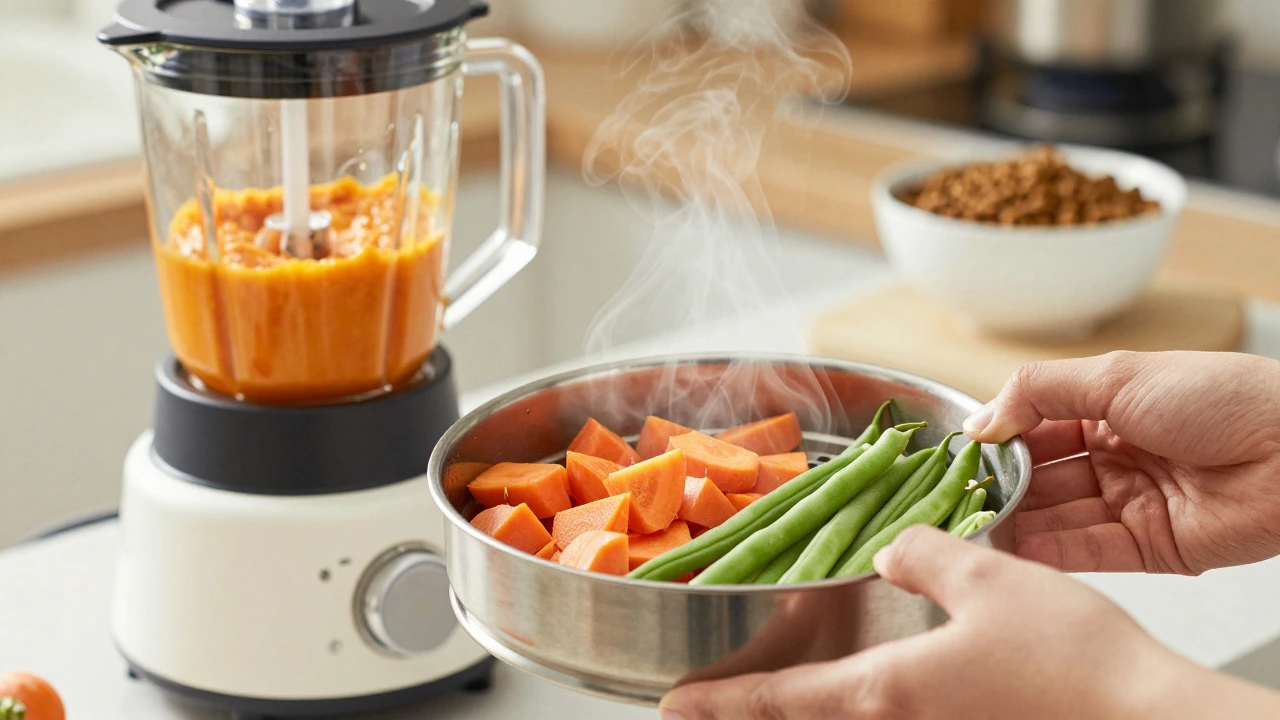
The Simple Topper: Take your dog's regular kibble. In a separate pan, steam diced carrots and green beans for 7 minutes. Drain the water thoroughly. Mix the warm vegetables over the dry kibble. The heat from the kibble can further soften the veggies. This method adds texture and smell, encouraging picky eaters to finish their bowls.
The Pumpkin Smoothie Bowl: Blend half a cup of plain canned pumpkin with a splash of warm water until smooth. Mix this puree into your dog's wet food. This is particularly effective for dogs with hairballs (if they are cats, but for dogs, it helps with coat shine and digestion). You can add a teaspoon of flaxseed oil for extra omega-3 fatty acids. Serve immediately.
Frequently Asked Questions
Can dogs eat raw vegetables?
Yes, many dogs can eat raw vegetables like carrots, cucumber, and broccoli. Raw is better for dental health and retains more heat-sensitive vitamins. However, ensure the pieces are small enough to prevent choking. If your dog has a sensitive stomach, cooking the vegetables may be easier for them to digest.
How much broccoli is safe for my dog?
Broccoli is safe but should be given in moderation. It contains sulforaphane, which is beneficial in small doses but can cause gastrointestinal upset if eaten in large quantities. Keep broccoli to less than 10% of their total diet. Remove the stalks, which are harder to digest, and focus on the florets.
Are sweet potatoes good for dogs?
Yes, sweet potatoes are an excellent source of complex carbohydrates and fiber. They are gentle on the stomach and great for dogs with allergies to common proteins. Always cook them thoroughly (boil or bake) before serving, as raw sweet potatoes can be hard to digest and potentially cause bloating.
Can I give my dog vegetable broth?
Only if it is made without onions, garlic, salt, or preservatives. Store-bought broths often contain hidden ingredients that are toxic to dogs. Homemade broth using chicken bones, carrots, and celery is a safe and hydrating addition to their food, especially for older dogs who need extra fluids.
What if my dog refuses to eat vegetables?
Start with very small amounts mixed into their favorite treat or wet food. Try different textures; some dogs prefer mushy purees while others like crunchy bits. Rotate the types of vegetables to find one they accept. Patience is key-do not force-feed, as this can create negative associations.