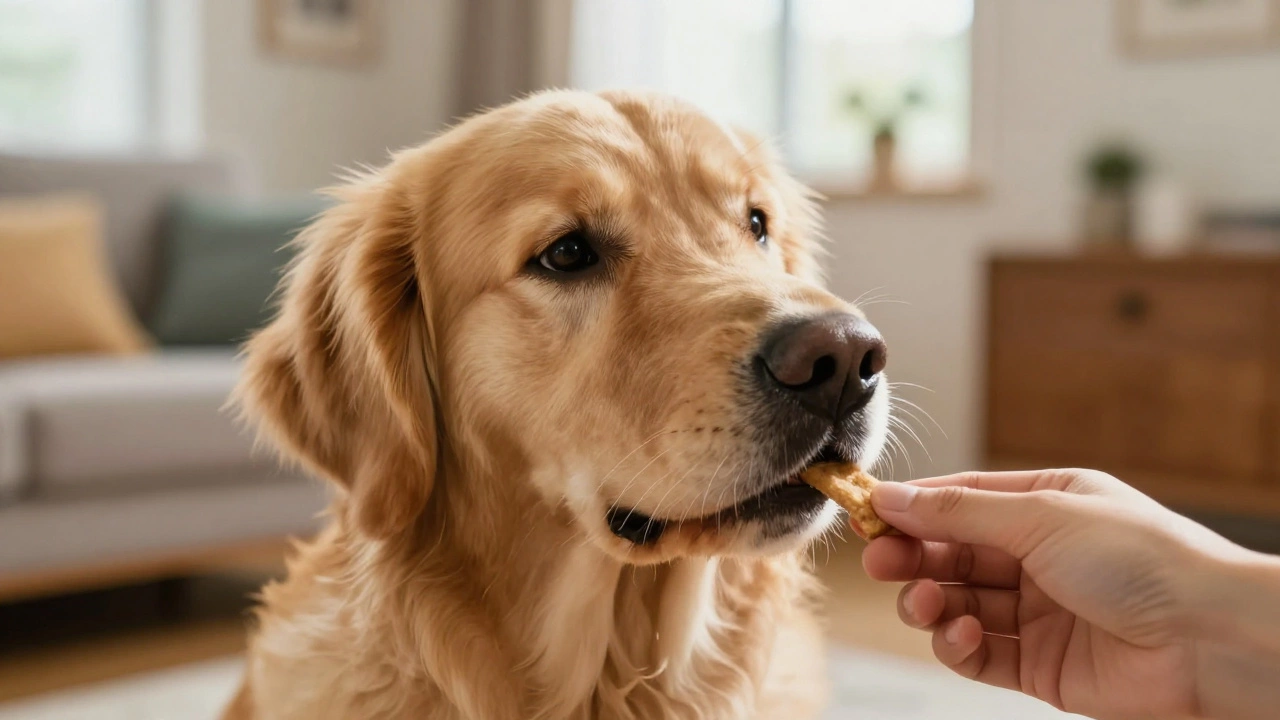
Dog Head Tilt Behavior Analyzer
Discover why your dog tilts its head based on breed characteristics, context, and behavior.
There is nothing quite as disarming as watching your dog cock their head to one side while you speak. It’s a universal moment of connection that makes every owner feel heard and understood. But have you ever stopped to wonder why they do it? Is it just an adorable quirk, or is there something more complex happening inside that furry brain?
The short answer is yes, it is adorable, but it is also a sophisticated tool for survival and communication. When a dog tilts its head, it isn't just being cute; it is actively processing information, adjusting its auditory focus, and trying to decode your intentions. Understanding this behavior gives us a window into how dogs perceive the world and interact with us.
The Anatomy of Hearing: Why Shape Matters
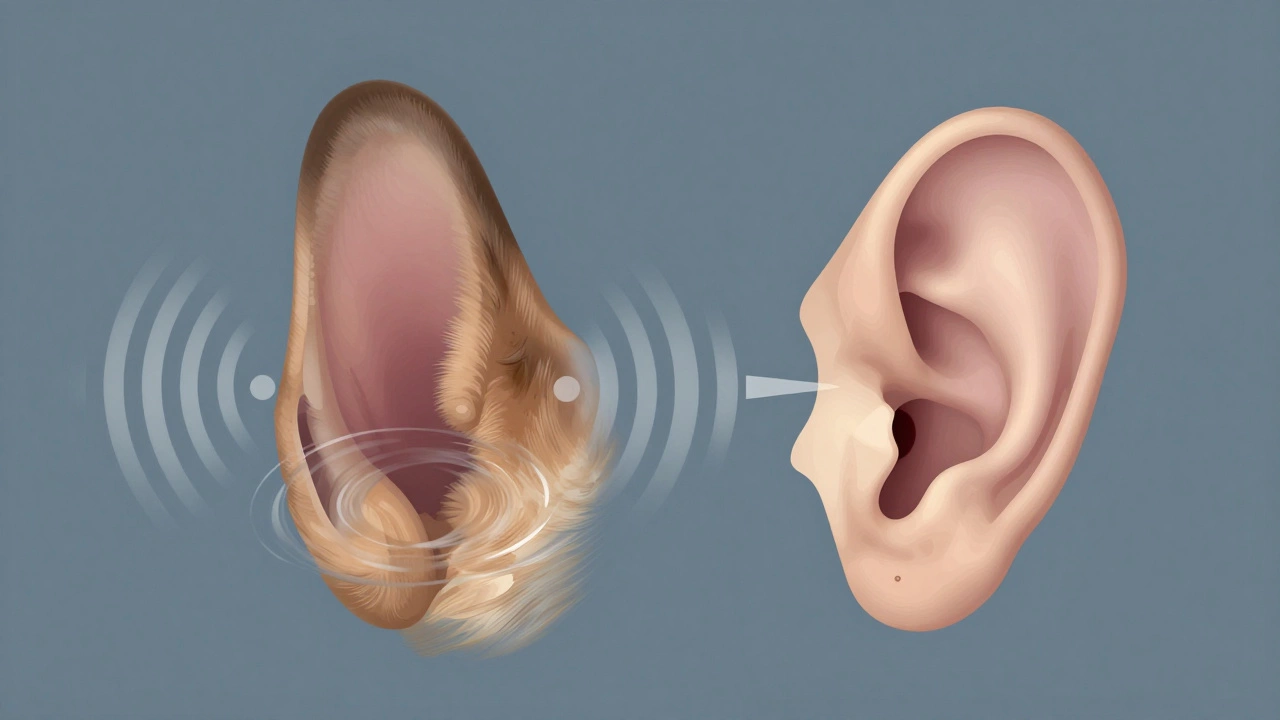
To understand the head tilt, we first need to look at canine ear structure, which is fundamentally different from human ears. Humans have relatively fixed ears that sit on the sides of our heads. Dogs, however, possess highly mobile pinnae (the visible part of the ear) that can rotate up to 180 degrees. This mobility allows them to pinpoint the source of sounds with incredible precision, often detecting frequencies far beyond human range.
When a dog hears a sound, especially a high-pitched one like a whistle or a specific command, it swivels its ears toward the noise. If the sound is ambiguous or if the dog is trying to distinguish between two similar voices, the head tilt comes into play. By tilting the head, the dog changes the angle at which sound waves enter the ear canal. This adjustment helps balance the volume between the left and right ears, allowing the brain to triangulate the sound's location more accurately. Think of it like adjusting a satellite dish to get a clearer signal.
| Feature | Humans | Dogs |
|---|---|---|
| Hearing Range | 20 Hz - 20 kHz | 40 Hz - 60+ kHz |
| Ear Mobility | Fixed position | Rotates up to 180° |
| Sound Localization | Head movement required | Independent ear rotation + head tilt |
This physical adjustment is particularly useful when a dog is listening to a human voice. Because humans speak in a frequency range that is lower than many natural canine sounds (like rustling leaves or cracking twigs), dogs may need to physically reposition their heads to capture the nuances of our speech patterns effectively.
Visual Clarity and Facial Recognition
While hearing plays a massive role, vision is another key driver behind the head tilt. Many dogs, especially those with long snouts like Collies or German Shepherds, have a significant blind spot directly under their muzzle. When a dog looks straight ahead, it cannot see what is immediately below its nose.
If you are holding a treat or making facial expressions while talking to your dog, they might tilt their head to get a better view of your mouth and eyes. This action moves their line of sight upward, allowing them to see your lips move and read your micro-expressions. For breeds with flatter faces, such as Pugs or French Bulldogs, the head tilt might be less about clearing a visual obstruction and more about aligning their binocular vision to focus on your face.
Dogs are incredibly attuned to human body language. They watch our hands for gestures, our eyes for direction, and our mouths for commands. A head tilt optimizes their field of view to take in all these visual cues simultaneously. It is a practical solution to a biological limitation, turning a potential disadvantage into a focused act of attention.
Decoding Human Speech: The Cognitive Angle
Beyond physics and biology, there is a strong cognitive component to the head tilt. Research suggests that dogs are not just reacting to tone; they are attempting to process the actual words we say. A study conducted by researchers at Eötvös Loránd University in Hungary found that dogs are more likely to tilt their heads when they hear familiar words compared to nonsense syllables.
This indicates that the head tilt is a sign of active engagement and concentration. When a dog hears a word it recognizes-such as "walk," "treat," or "sit"-it tilts its head to help its brain parse the meaning. It is similar to how you might furrow your brow or lean in when someone speaks a foreign language or mumbles. The dog is saying, "I know this word, let me make sure I’m understanding the context correctly."
This ability highlights the deep bond between humans and dogs. Over thousands of years of domestication, dogs have evolved to become experts at reading human communication. The head tilt is a behavioral adaptation that facilitates this cross-species dialogue. It shows that your dog is not just hearing noise; it is trying to comprehend your message.
Emotional Connection and Reinforcement
Behavior is rarely driven by a single factor, and emotion plays a huge role in why dogs tilt their heads. Dogs are social animals that thrive on positive interaction with their owners. If you have ever reacted with delight, praise, or treats when your dog tilted its head, you have inadvertently reinforced the behavior.
This is known as operant conditioning. Your dog learns that tilting its head results in a positive outcome-your happy voice, a scratch behind the ears, or a snack. Consequently, they are more likely to repeat the gesture when interacting with you. This creates a feedback loop where the head tilt becomes a social signal, a way for the dog to say, "I am paying attention to you, please continue."
Furthermore, dogs are empathetic creatures. They pick up on our emotional states through scent, sound, and sight. If you are speaking softly or showing signs of distress, a dog may tilt its head to assess the situation and offer comfort. In these moments, the head tilt is an expression of concern and curiosity, demonstrating the dog's desire to connect and support its human companion.
When Head Tilting Becomes a Health Concern
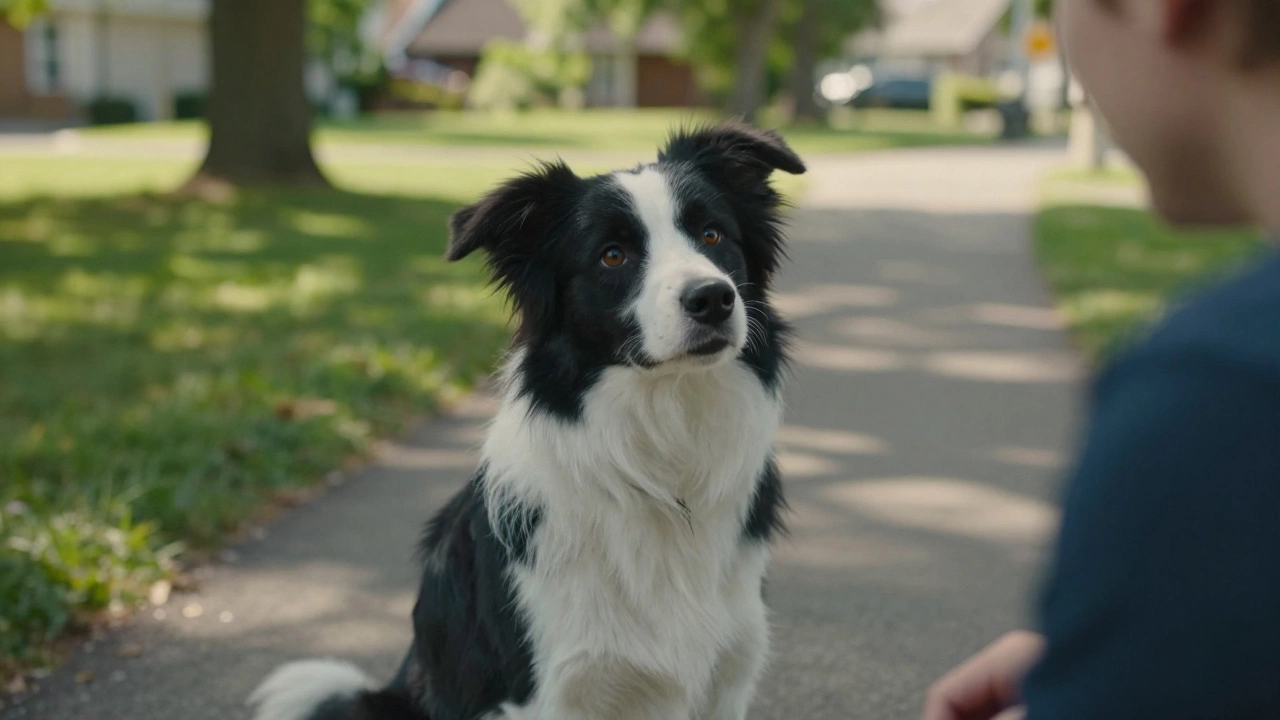
While occasional head tilting is normal and healthy, persistent or sudden changes in head position can indicate underlying medical issues. It is important to distinguish between a communicative head tilt and a symptom of illness. If your dog holds its head tilted to one side constantly, even when not interacting with you, this could be a sign of vestibular disease.
Vestibular disease affects the inner ear and the part of the brain that controls balance. Symptoms include:
- Loss of balance or stumbling
- Nystagmus (rapid, involuntary eye movements)
- Refusal to eat or drink due to nausea
- A permanent head tilt to one side
Other potential causes for abnormal head tilting include ear infections, dental pain, or neurological disorders. Ear infections are particularly common in breeds with floppy ears, as moisture gets trapped in the ear canal, leading to bacterial growth. If your dog is shaking its head frequently along with the tilt, scratching at its ears, or if you notice a foul odor, it is time to visit the vet.
Regular check-ups and monitoring your dog's behavior are crucial. If the head tilt is new, accompanied by other symptoms, or seems painful, do not assume it is just a cute habit. Early detection of health issues can prevent serious complications and ensure your dog remains comfortable and happy.
Strengthening the Bond Through Communication
Understanding why dogs tilt their heads can enhance the relationship you share with your pet. By recognizing that this behavior is a form of active listening and engagement, you can respond in ways that strengthen your bond. Use clear, consistent commands and reward your dog's attention. Speak in a calm, friendly tone to encourage positive associations with verbal communication.
You can also practice training exercises that involve verbal cues and hand signals. This not only reinforces good behavior but also provides mental stimulation for your dog. Games like "find it" or hide-and-seek can engage their problem-solving skills and encourage them to use their hearing and vision together.
Remember, every dog is unique. Some breeds may tilt their heads more frequently than others, and individual personalities play a role too. Pay attention to your dog's specific quirks and preferences. By observing and responding to their behaviors, you create a deeper level of trust and understanding that benefits both of you.
Do all dogs tilt their heads?
Not all dogs tilt their heads equally. Breeds with longer snouts and more mobile ears, such as Collies and Border Collies, tend to exhibit this behavior more frequently. However, most dogs are capable of tilting their heads when trying to understand a sound or see something clearly.
Is head tilting a sign of intelligence?
Yes, to some extent. Studies suggest that dogs who tilt their heads in response to spoken words are demonstrating cognitive processing and attention. It indicates that the dog is actively trying to interpret human speech, which requires a certain level of mental engagement.
Can I train my dog to stop tilting its head?
You generally don't need to stop this behavior unless it is linked to a medical issue. Since head tilting is a natural way for dogs to communicate and process information, discouraging it might hinder their ability to interact with you effectively. Instead, focus on rewarding positive communication overall.
What should I do if my dog's head tilt is constant?
If your dog holds its head tilted to one side continuously, especially if accompanied by loss of balance, vomiting, or eye twitching, consult a veterinarian immediately. These symptoms could indicate vestibular disease or an inner ear infection, which require professional medical treatment.
Do dogs tilt their heads for other animals?
Dogs are less likely to tilt their heads for other animals because they do not expect them to speak human languages. The behavior is primarily adapted for human-dog interaction. However, they may tilt their heads to investigate unusual sounds or sights made by other animals out of general curiosity.