Daily Dog Food Additions Calculator
Recommended Daily Additions:
Bone Broth
Hydration & Joints
Fish Oil (EPA/DHA)
Coat & Inflammation
Pumpkin Puree
Digestion & Fiber
Coconut Oil
Skin & Energy
Your dog is staring at you. Not with love, but with that specific, intense gaze reserved for empty bowls or the crinkle of a treat bag. You’re doing a great job feeding them a high-quality commercial kibble or fresh diet, but you can’t shake the feeling that something is missing. Is their coat dull? Are they getting stiff in their old age? The internet is flooded with conflicting advice about what to add to your dog's food every day.
The truth is, most commercially available dog foods are complete and balanced according to strict nutritional standards. Adding random ingredients without understanding the balance can actually do more harm than good. However, there are safe, science-backed additions that can boost hydration, support gut health, and improve joint mobility. This guide cuts through the noise to tell you exactly what belongs in that bowl-and what definitely doesn't.
Hydration First: Broth and Water
Dehydration is one of the most common yet overlooked issues in dogs, especially those who eat dry kibble exclusively. Dry food typically contains only 10% moisture, whereas a biologically appropriate diet should be closer to 70%.
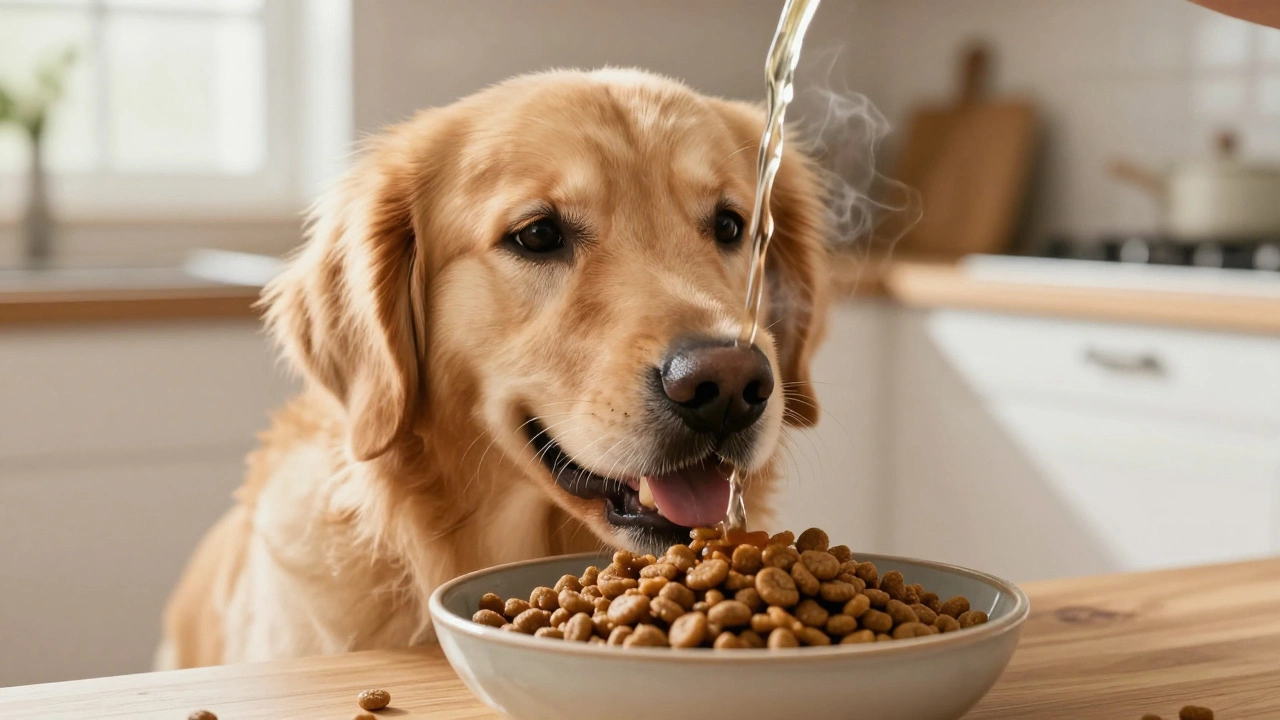
Bone broth is a nutrient-rich liquid made by simmering bones and connective tissues, providing hydration and minerals like collagen and glucosamine. It is the easiest way to increase water intake. You can make it yourself using chicken or beef bones, ensuring you remove all fat before serving. Store-bought versions are convenient, but you must check the label rigorously. Many human-grade broths contain onions, garlic, or excessive sodium, all of which are toxic or harmful to dogs. Look for plain, unsalted varieties specifically labeled as pet-safe.
- Add 1-2 tablespoons per 10 pounds of body weight.
- Warm it slightly to enhance the aroma, encouraging picky eaters.
- Avoid any broth with onion powder, garlic powder, or chives.
Gut Health: Probiotics and Prebiotics
If your dog has soft stools, gas, or occasional vomiting, their gut microbiome might need support. The gut is often called the "second brain" because of its direct link to immune function and even behavior.
Probiotics are live beneficial bacteria that help maintain a healthy digestive tract and support immune system function. While some fermented foods work, targeted probiotic supplements designed for dogs are more reliable because they contain strains proven to survive stomach acid and colonize the canine gut, such as Lactobacillus acidophilus and Bifidobacterium animalis.
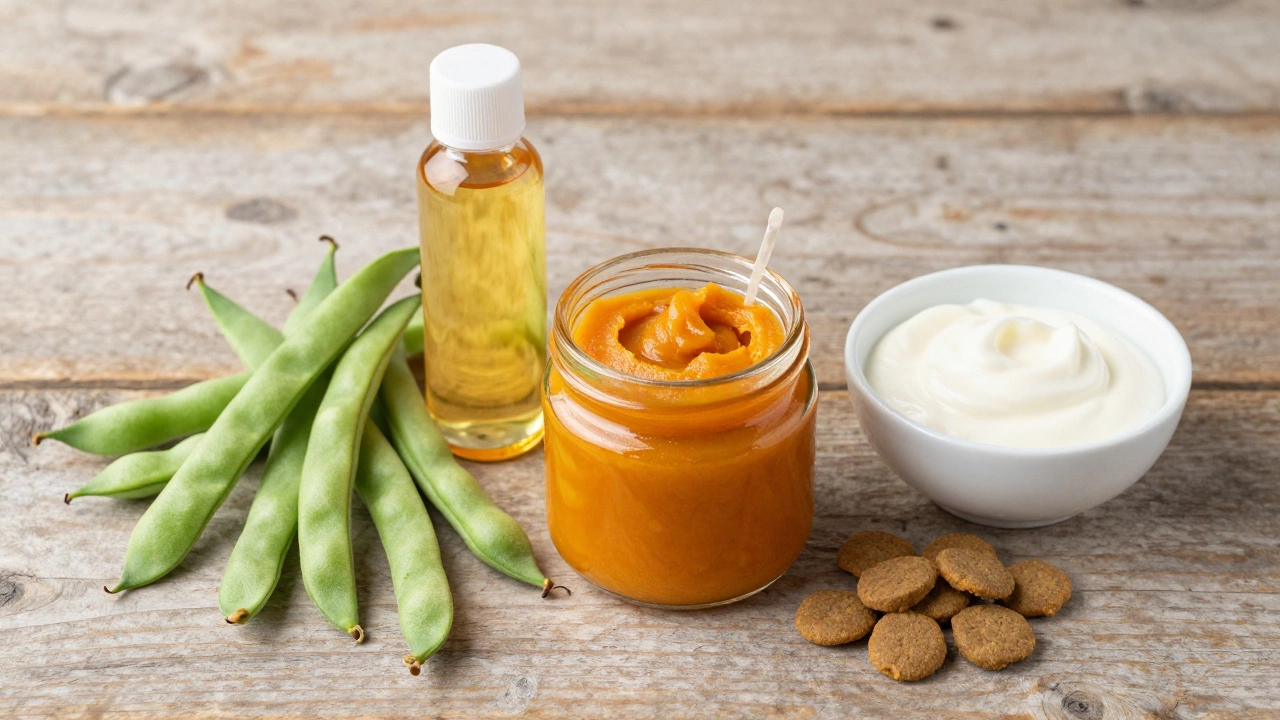
For a natural approach, plain, unsweetened yogurt is a popular choice. However, many adult dogs are lactose intolerant. If you try yogurt, start with a teaspoon. If no diarrhea occurs within 24 hours, it’s likely safe. A safer alternative is Pumpkin puree is 100% pure canned pumpkin, not pie filling, which provides soluble fiber to regulate digestion. Just a tablespoon can help firm up loose stools or ease constipation due to its high fiber content.
| Ingredient | Safety Status | Notes |
|---|---|---|
| Plain Pumpkin Puree | Safe | Must be 100% pumpkin, no spices. |
| Unsweetened Yogurt | Cautious | Test for lactose intolerance first. |
| Garlic (Raw/Cooked) | Toxic | Damages red blood cells; avoid entirely. |
| Onion Powder | Toxic | Common in broths; strictly forbidden. |
Joint Support: Omega-3 Fatty Acids
Inflammation is the enemy of aging joints. Whether you have a young Labrador prone to hip dysplasia or an older Spaniel with arthritis, reducing inflammation is key. Most commercial diets are deficient in Omega-3s relative to Omega-6s, creating a pro-inflammatory state.
Fish oil is a supplement rich in EPA and DHA, essential fatty acids that reduce inflammation and support skin and coat health. Salmon oil is particularly effective because it offers a better ratio of these fatty acids. Look for products that specify the amount of EPA and DHA on the label, not just the total fish oil volume. A general rule of thumb is 20-55 mg of combined EPA/DHA per pound of body weight daily.
You’ll notice results in two ways: a shinier, softer coat within weeks, and improved mobility over months. If your dog hates the taste, freeze the capsules and give them like a pill, or mix a small amount into wet food.
Mental Enrichment: Foraging and Variety
Adding things to food isn't just about nutrients; it's about engagement. Dogs that eat from a static bowl often finish in seconds, leading to boredom and potentially obesity.
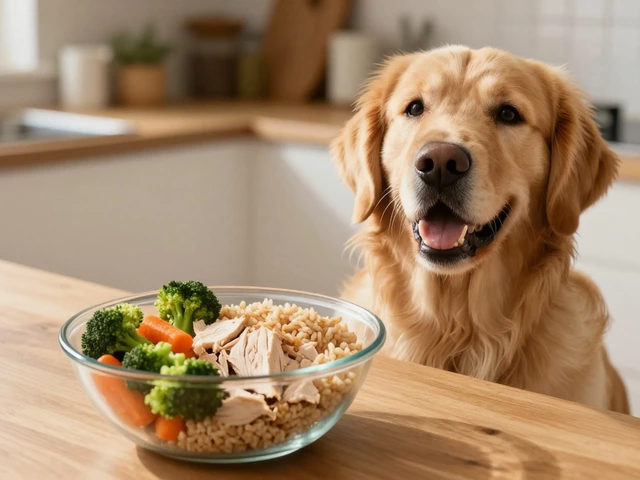
Consider adding low-calorie vegetables that require chewing. Carrots, green beans, and broccoli florets (in moderation) add crunch and volume without significant calories. These can be mixed directly into kibble or used as training rewards. This practice, known as "food toying," turns mealtime into mental exercise. It slows down eating, which reduces the risk of bloat-a life-threatening condition in deep-chested breeds like Great Danes and German Shepherds.
What to Avoid: Common Myths and Dangers
Not everything humans find healthy is safe for dogs. In fact, some popular "superfoods" are dangerous.
- Grapes and Raisins: Even small amounts can cause acute kidney failure. Never add fruit salads containing these.
- Xylitol: An artificial sweetener found in sugar-free peanut butter and gum. It causes rapid insulin release and liver failure. Always check peanut butter labels.
- Cooked Bones: Never add cooked chicken or beef bones to food. They splinter and can puncture the digestive tract. Only raw, meaty bones under supervision are considered safe by some trainers, but this is controversial.
- Macadamia Nuts: Toxic to dogs, causing weakness, vomiting, and hyperthermia.
Another common mistake is over-supplementing calcium. If you are feeding a home-cooked diet, adding bone meal or calcium carbonate without veterinary guidance can lead to severe skeletal deformities in puppies and metabolic issues in adults. Commercial kibbles are already fortified; adding more creates an imbalance.

Tailoring Additions to Life Stages
A puppy’s needs differ vastly from a senior’s. Puppies require precise calcium-to-phosphorus ratios for proper bone growth. Adding extra vitamins or minerals to a puppy’s complete food can disrupt this balance. Stick to protein sources like boiled chicken breast or lean ground turkey for flavor enhancement.
Seniors, on the other hand, benefit from added fiber for slower digestion and glucosamine/chondroitin for joint support. Their sense of smell may diminish, so warming up food or adding strong-smelling toppings like a bit of tuna juice can stimulate appetite.
Consulting Your Veterinarian
Before making significant changes, talk to your vet. Blood tests can reveal deficiencies or excesses that supplements might mask or exacerbate. For example, if your dog has pancreatitis, adding high-fat fish oil or meats could trigger a painful flare-up. Personalized advice ensures that what you add enhances their life rather than shortening it.
Can I add human vitamins to my dog's food?
Generally, no. Human multivitamins often contain iron levels that are toxic to dogs or xylitol as a binder. Always use supplements formulated specifically for canines to ensure safety and correct dosage.
How much bone broth should I give my dog?
Start with 1-2 tablespoons per 10 pounds of body weight. Monitor your dog for any signs of digestive upset. Ensure the broth is low-sodium and free from onions and garlic.
Is coconut oil good for dogs?
Coconut oil contains medium-chain triglycerides (MCTs) which can provide energy and support skin health. However, it is high in saturated fat. Use sparingly-about 1/2 teaspoon per 10 pounds of body weight-and consult your vet if your dog is overweight or has pancreatic issues.
Can I feed my dog eggs every day?
Yes, cooked eggs are an excellent source of protein and amino acids. Avoid raw eggs due to the risk of salmonella and biotin deficiency caused by avidin in raw egg whites. Scrambled or boiled eggs are safe in moderation.
What vegetables are safe to add to dog food?
Safe vegetables include carrots, green beans, pumpkin, spinach (in small amounts), and blueberries. Cook them lightly to improve digestibility. Avoid onions, garlic, leeks, and chives as they are toxic.