Dog Feeding Schedule Calculator
Enter your details above to see a personalized recommendation.
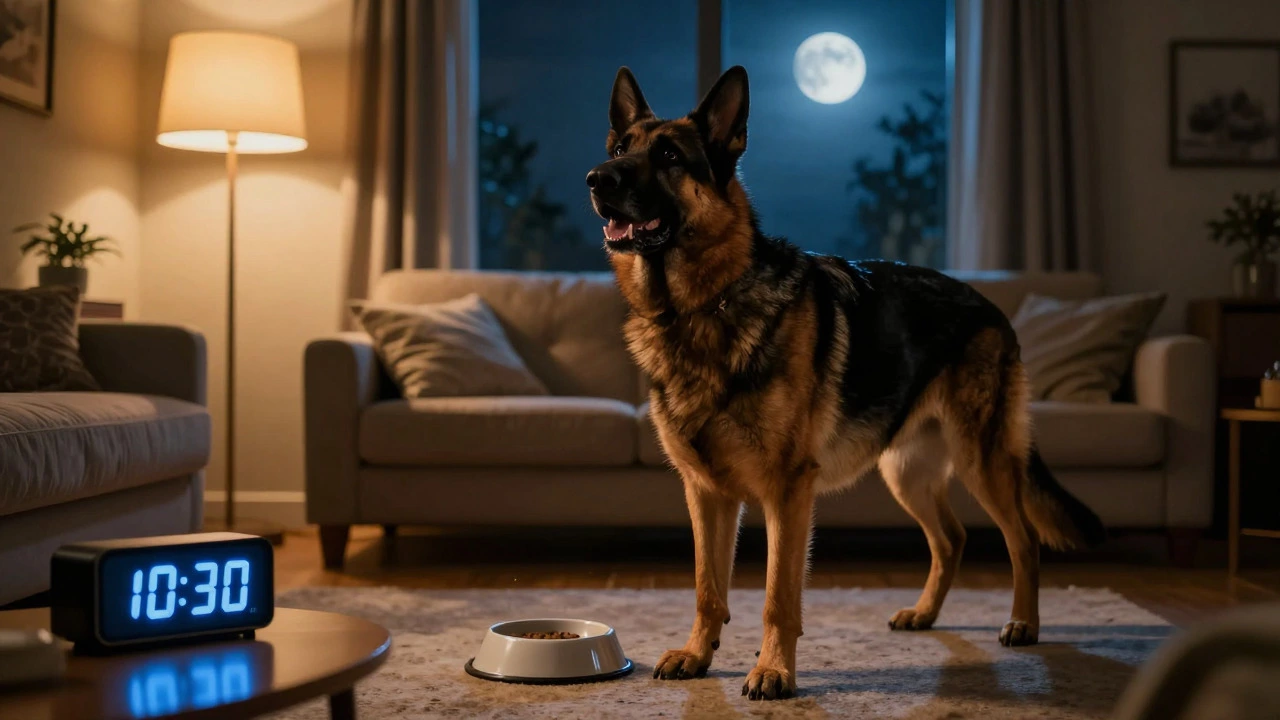
It’s 10:30 PM. The house is quiet, but your dog’s stomach growls loud enough to wake the neighbors. You look at the clock, then at the empty bowl, and wonder: what time should you stop feeding your dog at night? It feels cruel to leave them hungry, but late-night snacks can mess up their routine, cause gas, or even lead to bloat in deep-chested breeds. Getting this timing right isn't just about convenience; it's about protecting their digestive health and ensuring they sleep through the night without accidents.
The short answer? For most adult dogs, the last meal should be finished by 6:00 PM to 7:00 PM. This allows 4 to 6 hours of digestion before bedtime. Puppies and senior dogs might need slight adjustments, but the core principle remains the same: give their bodies enough time to process food before lying down for eight hours. If you’re working a shift job or have an irregular schedule, this guide will help you find a rhythm that works for both of you without compromising their health.
Why Timing Matters More Than Amount
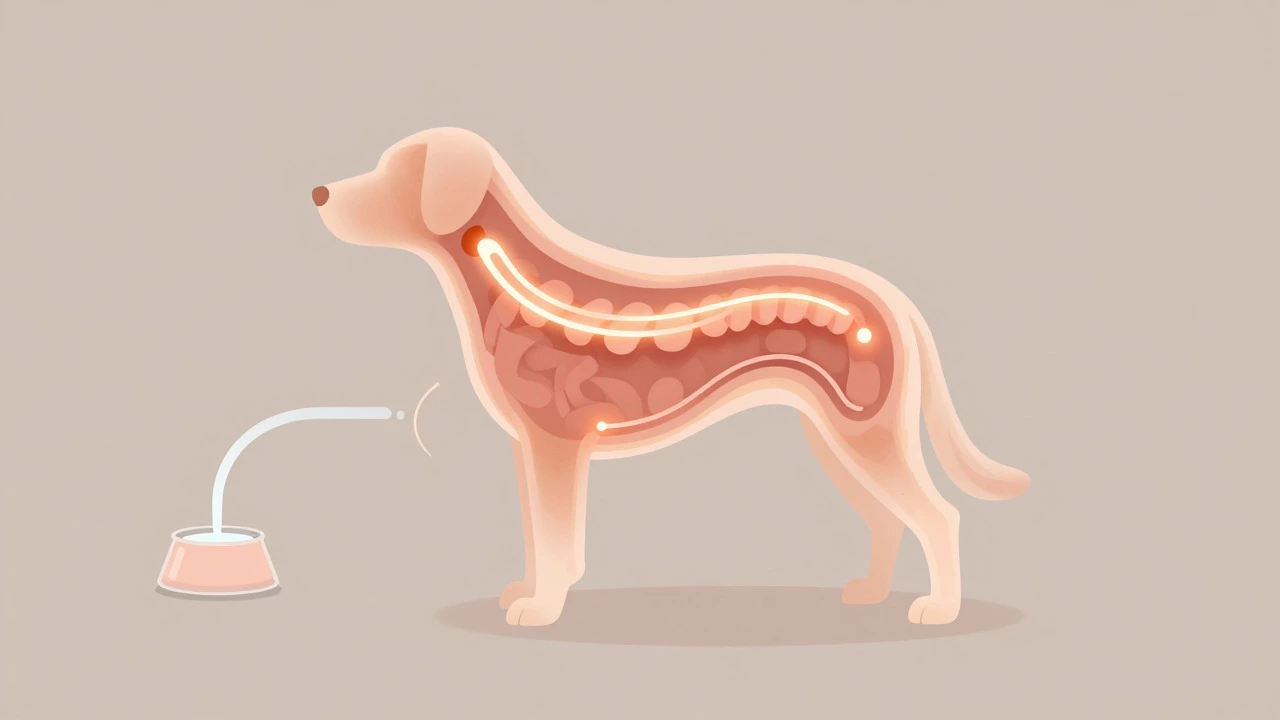
We often obsess over how much kibble goes into the bowl, but when *when* we feed them is equally critical. Dogs don’t have the same complex circadian rhythms as humans, but their digestive systems do slow down significantly during sleep. If food is still sitting in the stomach when a dog lies down, gravity doesn't help move it along as efficiently. This can lead to indigestion, acid reflux, or simply a restless night where they pace around looking for comfort.
There’s also the issue of bladder control. Food intake triggers water intake. If you feed your dog a large meal at 9:00 PM, they’ll likely drink water immediately after. By 2:00 AM, that water needs to go somewhere. For puppies or older dogs with weaker bladders, this is a recipe for midnight accidents. By finishing dinner earlier, you align their biological urge to eliminate with your waking hours, not your sleeping hours.
The Golden Rule: The 4-Hour Buffer
Think of the 4-hour buffer as a safety net. If you want your dog to sleep at 10:00 PM, work backward. Subtract four hours, and you get 6:00 PM. That’s your target finish time for dinner. If your dog eats quickly, start serving the food around 5:30 PM. If they are a slow eater who picks at their food for 30 minutes, start at 5:00 PM.
This rule applies to wet food and raw diets too, though some owners of raw-fed dogs report faster digestion times. Even if digestion is faster, the 4-hour rule protects against bloating. Bloat, or Gastric Dilatation-Volvulus (GDV), is a life-threatening condition where the stomach twists. While more common in large, deep-chested breeds like Great Danes or German Shepherds, any dog can suffer from gastric distress if they exercise vigorously right after eating or lie down too soon. Giving them four hours ensures the stomach has emptied sufficiently before rest.
- Small breeds (under 10kg): Can sometimes digest faster, but stick to the 4-hour rule to avoid frequent nighttime urination.
- Medium breeds (10-25kg): The standard 4-5 hour buffer works best.
- Large breeds (over 25kg): Aim for 5-6 hours. Their slower metabolism means food sits longer, increasing bloat risk if they settle down too early.
Adjusting for Life Stages
Not all dogs play by the same rules. A puppy’s tiny stomach can only hold a small amount of food at a time, which is why they eat multiple times a day. But does the "stop feeding" rule apply to them? Yes, but the timeline is different.
For puppies under six months, you might be feeding three to four times a day. The last meal for a puppy shouldn’t be later than 8:00 PM if they go to bed at midnight. However, because their bladders are smaller, they may need a potty break at 10:00 PM regardless of when they ate. The goal here isn't just digestion; it's establishing a predictable elimination pattern so you know exactly when to take them out.
Senior dogs, on the other hand, often have slower metabolisms and may experience constipation or reduced appetite. If your senior dog eats slowly, don't rush them, but try to keep the mealtime window under 20 minutes. If they haven't eaten by 7:00 PM, it might be better to skip the evening meal entirely and offer a smaller breakfast in the morning. Many senior dogs do fine on one meal a day, provided it’s balanced. Forcing a late dinner can cause discomfort rather than satisfaction.
What About Snacks and Treats?
This is where most routines fall apart. You finish dinner at 6:00 PM, but then you give a treat for a trick at 8:00 PM, or a chew toy at 9:00 PM. Technically, you stopped feeding the main meal, but you introduced calories later in the night.
Treats count as food. If you’re using treats for training in the evening, keep them low-calorie and easy to digest. Avoid fatty chews or high-protein bites after 7:00 PM. Instead, save the high-value treats for morning training sessions. If you must give something in the evening, opt for a single piece of frozen carrot or a small portion of plain pumpkin. These are gentle on the stomach and less likely to trigger thirst or gas compared to meat-based chews.
Also, watch out for "free-feeding." Leaving a full bowl of kibble out all day sounds convenient, but it makes tracking the last meal time impossible. Your dog might graze until 11:00 PM, defeating the purpose of the 4-hour buffer. Measured meals at set times give you control over their digestion and help you spot changes in appetite early, which can be a sign of illness.
Handling Irregular Schedules
Life isn't always a 9-to-5 grind. If you work nights or have rotating shifts, maintaining a strict 6:00 PM dinner is tough. Here’s how to adapt without wrecking your dog’s system.
If you’re home at 4:00 AM and leaving at noon, consider splitting the daily food ration into two equal portions. Give one at 4:00 AM and the other at 12:00 PM. This keeps the gap between meals consistent and avoids a huge 12-hour fast followed by a massive meal. Alternatively, use an automatic feeder. Set it to dispense half the portion at 6:00 PM and the other half at 10:00 AM. Just ensure the feeder is reliable and clean, as clumped kibble can jam the mechanism.
For weekend warriors who stay up late, remember that dogs are adaptable but dislike chaos. If you stay up until 2:00 AM on Friday, try to keep their dinner at 8:00 PM instead of skipping it until Saturday morning. A skipped meal isn’t dangerous for a healthy adult dog, but a wildly inconsistent schedule can cause stress and anxiety. They pick up on your energy. If you’re frantic and rushing them to eat, they’ll eat nervously, which can worsen digestion issues.
Signs Your Timing Is Off
Your dog will tell you if the schedule isn’t working. Watch for these red flags:
- Nighttime whining or pacing: If they’re constantly circling the crate or scratching at the door, they might need to pee or feel uncomfortable due to a full stomach.
- Gas or burping after sleep: Waking up to a smelly room suggests food sat in the stomach too long or was digested poorly.
- Refusing breakfast: If they didn’t eat well the night before, they might be full or nauseous. Check if the previous evening’s meal was too late or too large.
- Vomiting undigested food: This usually means they ate too fast or too close to bedtime. Slowing down their eating with a puzzle feeder or slowing-bowl can help, but adjusting the time is the first step.
Practical Tips for Smoother Nights
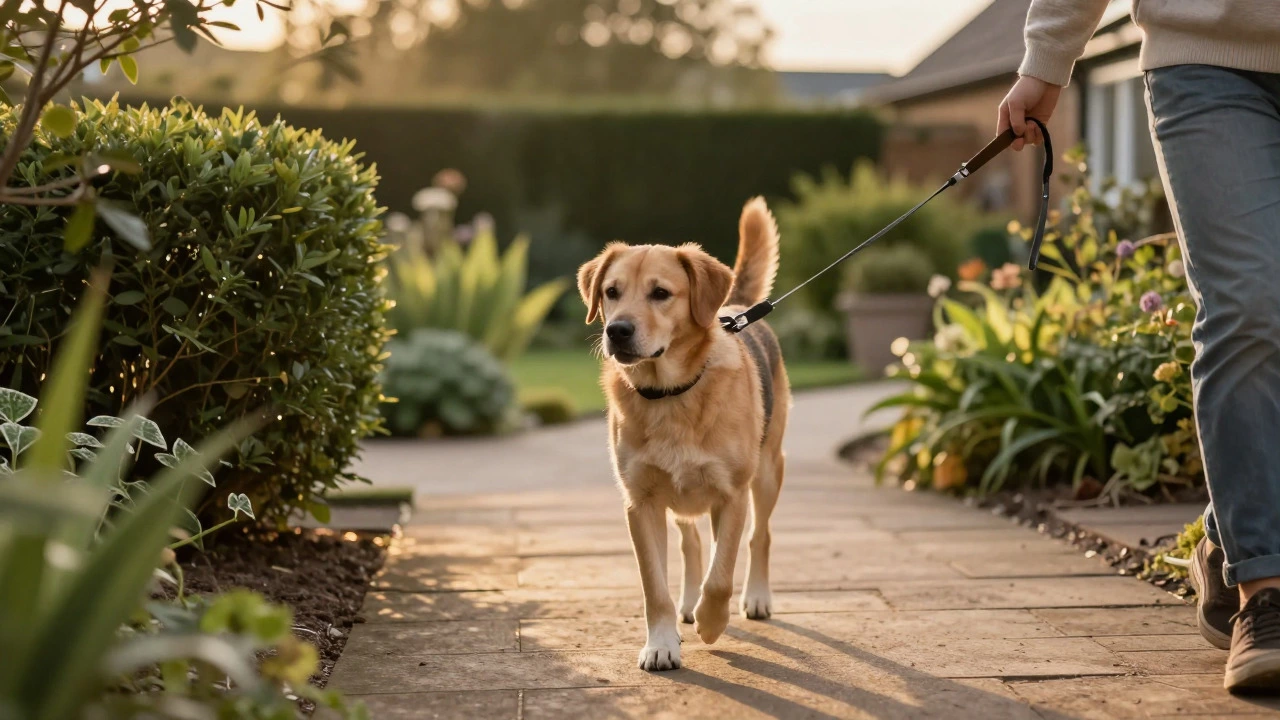
To make this transition easier, try these simple tweaks. First, use a timer on your phone. Set it for 5:30 PM as a reminder to serve dinner. Consistency builds habit. Second, make the post-dinner walk calm. No fetch, no sprinting. A 15-minute leisurely stroll helps stimulate bowel movements without agitating the stomach. Third, check their water bowl. Ensure it’s full, but remove it 30 minutes before bedtime if they tend to drink excessively. This reduces the likelihood of a full bladder at 3:00 AM.
Finally, listen to your specific dog. Some dogs are light sleepers and tolerate a later meal fine, while others are sensitive. Keep a simple log for a week. Note the time they ate, the time they went outside, and any signs of discomfort. After seven days, you’ll see the pattern clearly. Adjust the meal time by 15-minute increments if needed until you find the sweet spot where they sleep peacefully and wake up ready for breakfast.
Frequently Asked Questions
Is it bad to feed my dog twice a day?
No, feeding twice a day is standard for most adult dogs. The key is spacing the meals appropriately. If you feed in the morning and evening, ensure the evening meal is finished at least 4 hours before bedtime. This prevents overnight digestion issues and aligns elimination with your waking hours.
Can I feed my dog at 8 PM if they sleep at midnight?
Yes, 8 PM is generally safe if bedtime is midnight. That gives a 4-hour buffer. However, monitor for gas or restlessness. If they seem uncomfortable, try moving the meal to 7 PM. Individual tolerance varies, so observe their behavior after a few nights.
Should I remove the food bowl after they finish?
Yes, removing the bowl after 15-20 minutes is recommended. It prevents grazing, which makes it hard to track the last meal time. It also encourages mindful eating, reducing the risk of gulping air and causing bloat. Leave the bowl out only long enough for them to eat their measured portion.
Does wet food digest faster than dry kibble?
Wet food often digests slightly faster due to its higher moisture content and softer texture. However, the difference is minor. Stick to the 4-hour rule for both types. If your dog eats wet food, ensure it’s served at room temperature, as cold food from the fridge can shock the stomach and slow digestion further.
What if my dog vomits every morning?
Morning vomiting can indicate that the evening meal was too late or too large. Try moving dinner earlier by an hour. If the issue persists, consult your vet to rule out medical conditions like gastritis or pancreatitis. Sometimes, adding a small amount of rice to the evening meal can soothe the stomach, but timing adjustment is the first line of defense.