Puppy Toy Matchmaker
Tell Us About Your Puppy
Select your puppy's details to get personalized toy recommendations.
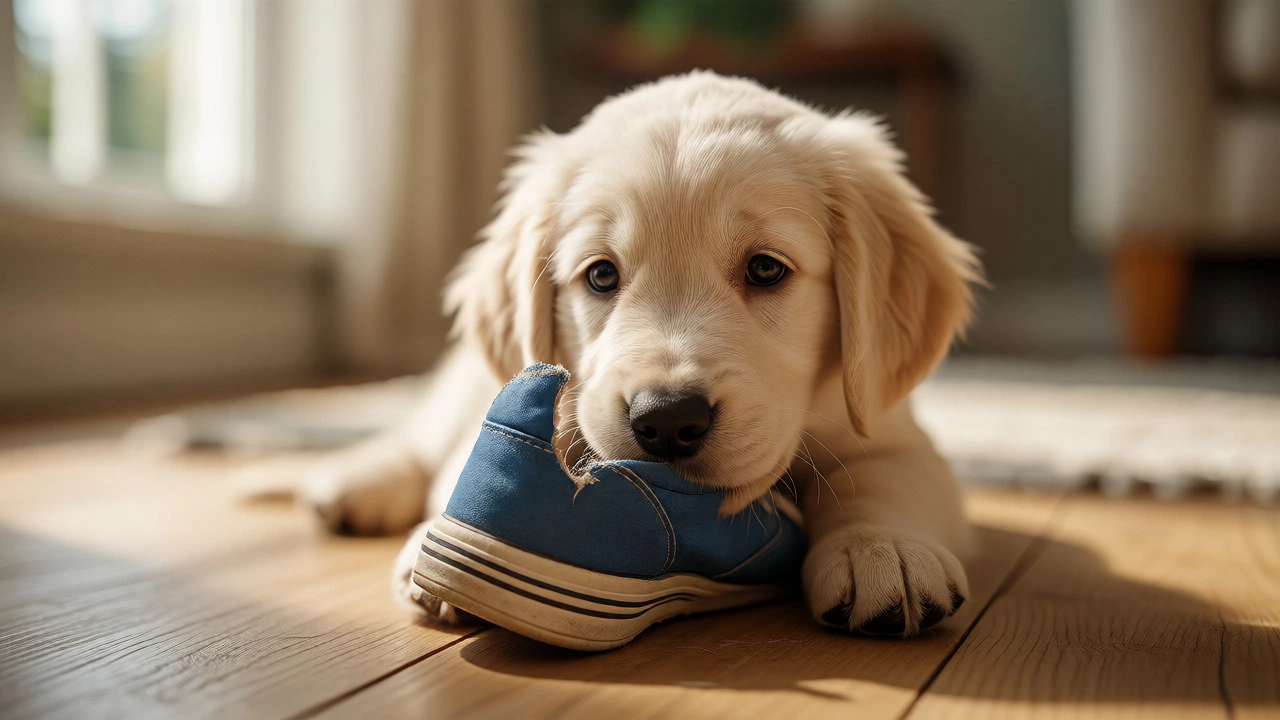
You just brought home a fluffy bundle of joy, and suddenly your living room looks like a crime scene. Shoes are shredded, table legs have bite marks, and the puppy is looking at you with those big, innocent eyes while holding a piece of your favorite sneaker in his mouth. Sound familiar? The solution isn’t just more discipline; it’s better entertainment. But walking into a pet store or scrolling through Amazon can be overwhelming. There are squeaky plushies, rubber bones, rope knots, and puzzle feeders. Which ones actually work?
Not all toys are created equal, especially for puppies. Their needs change rapidly as they grow, teethe, and develop their cognitive skills. Choosing the wrong toy can lead to boredom, destructive behavior, or even safety hazards. This guide breaks down exactly what kind of puppy toys hold up against sharp teeth, keep young minds engaged, and survive the inevitable chaos of early doghood.
Understanding the Puppy Brain and Body
To pick the right toy, you first need to understand what your puppy is going through physically and mentally. A puppy isn’t just a small adult dog. They are in a critical developmental phase where their instincts are hardwired by biology.
First, there’s teething. Between three and six months of age, puppies lose their baby teeth and grow their adult set. This process is painful and itchy. Chewing provides counter-pressure that soothes inflamed gums. If you don’t provide appropriate outlets for this urge, your furniture becomes the outlet. Second, puppies explore the world with their mouths. Unlike humans who use hands, dogs use jaws to investigate texture, taste, and resistance. Third, energy levels are high but attention spans are short. A good toy must capture interest quickly and sustain it without requiring complex setup from you every five minutes.
The Essential Categories of Puppy Toys
Rather than buying random items, categorize your purchases based on function. This ensures you cover all bases: physical relief, mental stimulation, and social interaction.
Chew Toys for Teething Relief
These are your first line of defense against destruction. You want materials that are durable but not so hard they crack a tooth. Avoid antlers or hard nylon chews for very young puppies; their teeth are brittle.
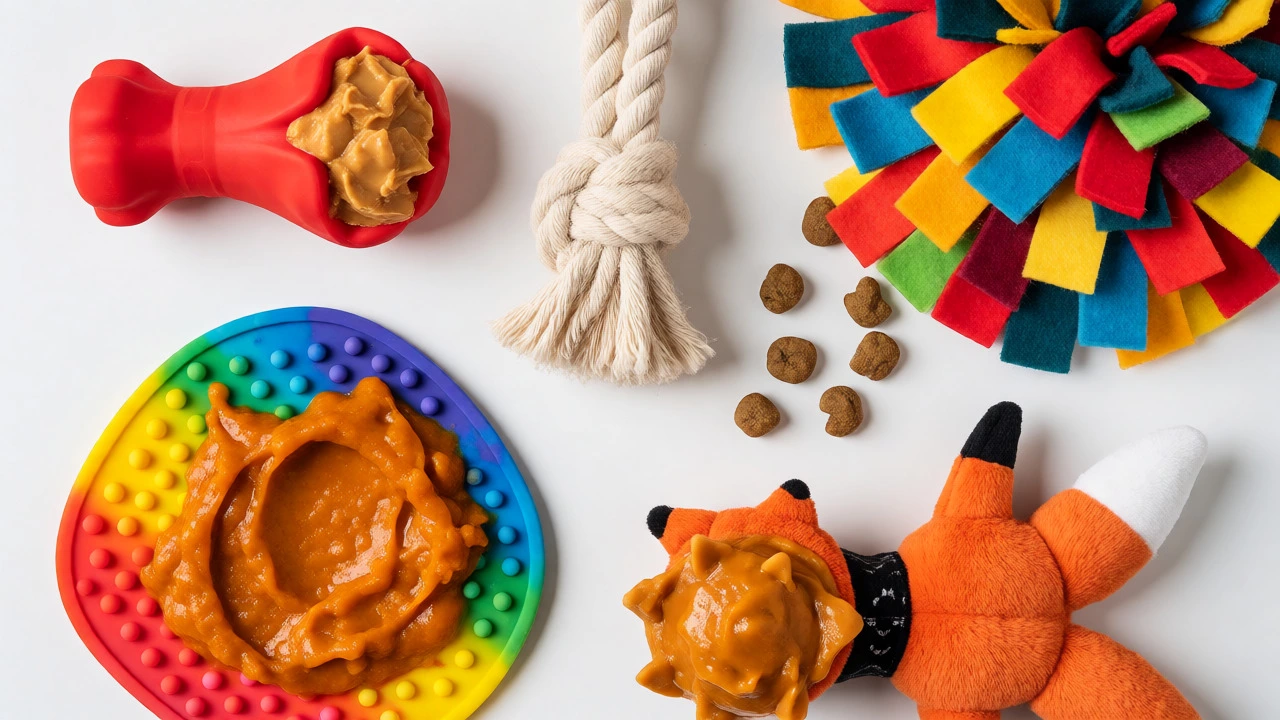
- Rubber Chew Toys: Brands like KONG offer varying hardness levels (often color-coded). For a standard Labrador or Golden Retriever puppy, a classic red KONG is usually too hard initially. Start with softer pink or purple variants designed for smaller breeds or younger ages.
- Frozen Treat Dispensers: Stuffing a rubber toy with wet food, peanut butter (xylitol-free), or yogurt and freezing it creates a long-lasting, cold soothing agent. The ice numbs the gums while the effort required to lick it out keeps them busy.
- Natural Rubber Rings: Simple rings allow for tug-of-war and independent chewing. Look for non-toxic, BPA-free materials.
Interactive and Puzzle Toys
Boredom is the enemy of a well-behaved puppy. Interactive toys engage the brain, which tires a dog out faster than physical exercise alone. Ten minutes of sniffing and problem-solving can be equivalent to an hour of walking.
- Treat Puzzles: These range from simple sliding boards to complex mazes. Start easy. If a puppy gets frustrated and quits, the toy is too hard. Rotate difficulty levels as they grow.
- Lick Mats: Silicone mats with textured surfaces spread with pumpkin puree or cream cheese. Licking releases endorphins, calming anxious puppies during thunderstorms or separation times.
- Snuffle Mats: Fabric mats with hidden treats encourage nose work. This taps into their natural foraging instinct and slows down eating if you’re feeding dry kibble.
Plush and Squeaky Companions
Yes, puppies love soft things. It mimics the warmth and comfort of littermates. However, durability is a concern.
- Durable Plushies: Look for reinforced stitching and no plastic eyes. Some brands use "tuff" fabrics that resist shredding longer.
- Squeakers: The sound mimics prey animals, triggering the predatory drive. Note that many puppies will eventually kill the squeaker. That’s part of the fun, but it means these toys are often short-lived.
Material Safety: What to Avoid
Not everything sold as a toy is safe. Ingesting foreign objects is one of the most common reasons puppies visit emergency vets. Here is a quick reference for material suitability.
| Material | Durability | Safety Risk | Best For |
|---|---|---|---|
| Natural Rubber | High | Low | Teething, heavy chewers |
| Vinyl/Plastic | Medium | Medium (choking hazard) | Gentle play, indoor use |
| Soft Plush/Fabric | Low | High (if ingested) | Cuddling, gentle fetch |
| Rope/Cotton | Medium | Medium (string ingestion) | Tug-of-war, dental health |
| Hard Nylon/Antler | Very High | High (tooth fracture) | Adult dogs, not young pups |
A critical rule: If a toy fits entirely inside your puppy’s mouth, it’s a choking hazard. Always supervise initial play sessions with new items. If you see pieces coming off-eyes, squeakers, fabric chunks-take the toy away immediately.
Matching Toys to Breed and Size
A Great Dane puppy has different jaw strength and size requirements than a Chihuahua. Buying generic "dog toys" often leads to frustration for both parties.
For large breed puppies (Labradors, Shepherds, Retrievers), look for toys labeled "Large" or "Giant." Small balls disappear instantly in their mouths. Large breeds also tend to be stronger chewers, so prioritize durability over cuteness. For small breeds (Yorkies, Maltese, Poodles), standard tennis balls might be too heavy or large. Opt for mini versions or lightweight plushies. Note that small breeds often have delicate teeth, so avoid overly hard chews even if they seem enthusiastic about them.
Consider the individual personality too. Is your puppy a "destroyer" or a "cuddler"? A destroyer needs rubber and rope. A cuddler needs soft fleece and warmth. Don’t force a shy puppy into rough tug games if they prefer solitary licking puzzles.
Rotation: The Secret to Long-Lasting Interest
Have you ever noticed your puppy ignores a toy after two days? That’s normal. Novelty drives engagement. If all their toys are out all the time, they become background noise.
Implement a rotation strategy. Keep only 3-5 toys accessible at any given time. Store the rest in a bin. Every week, swap half the toys out for the stored ones. Suddenly, the old toy looks brand new because it hasn’t been seen in seven days. This keeps the environment stimulating without needing to buy new items constantly.
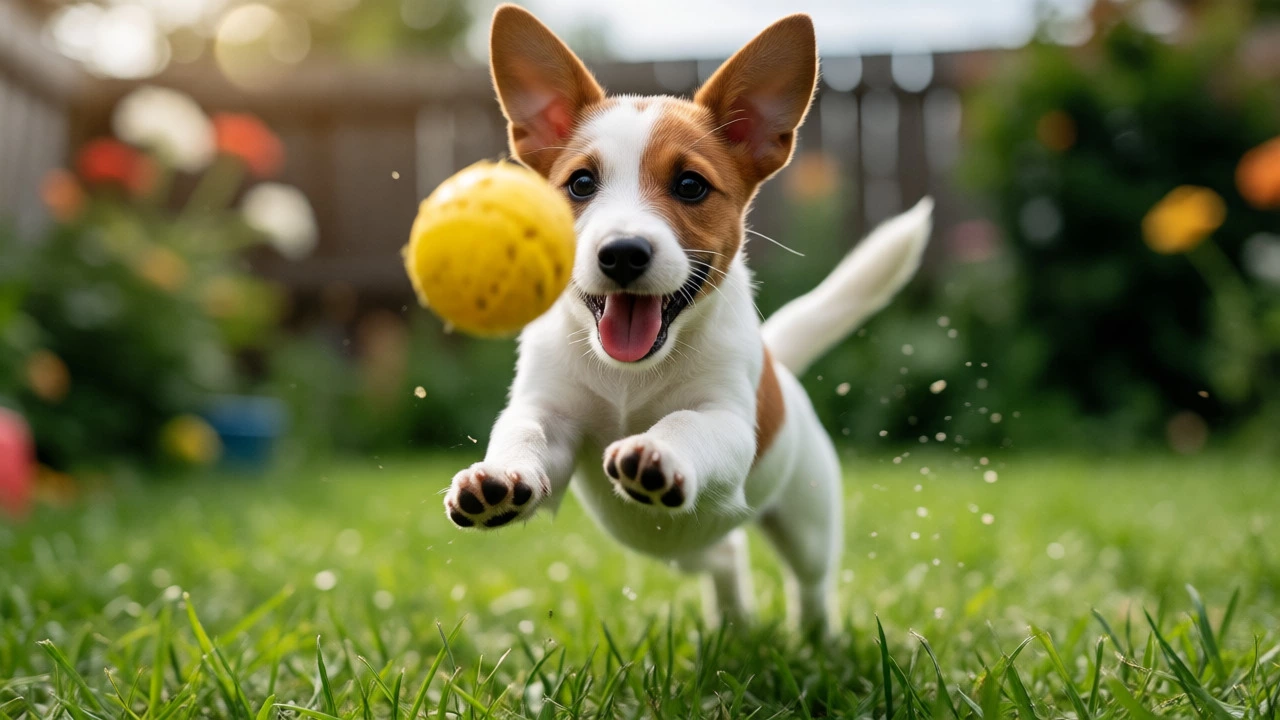
Also, pair toys with training. Use a specific toy for recall practice. Throw it, call the puppy, reward when they bring it back. This turns a passive object into a tool for bonding and obedience.
Common Mistakes to Avoid
Even well-meaning owners make errors that compromise safety or effectiveness.
- Ignoring Supervision: Never leave a puppy alone with a new toy until you know how they interact with it. Some dogs swallow squeakers whole.
- Using Old Children’s Toys: Kids’ toys aren’t tested for dog saliva toxicity or chewing durability. Plastic parts can shatter dangerously.
- Overlooking Cleanliness: Saliva, dirt, and slobber build up. Wash plush toys regularly. Scrub rubber toys with hot soapy water. Moldy or bacteria-laden toys can cause stomach upset.
- Buying Only One Type: Diversity prevents boredom. Mix chews, puzzles, and fetch items.
Final Thoughts on Building a Toy Box
There is no single "best" toy for every puppy. The ideal collection changes as your dog grows. At eight weeks, focus on soft textures and teething relief. By four months, introduce tugging and basic puzzles. By six months, upgrade to tougher materials as adult teeth come in fully.
Start with a few high-quality items rather than a mountain of cheap junk. Observe what your puppy gravitates toward. Do they shake it? Lick it? Chase it? Let their behavior guide your next purchase. Remember, the goal isn’t just to occupy them-it’s to build confidence, relieve stress, and strengthen your bond through play.
How many toys does a puppy actually need?
You don't need dozens. Three to five active toys are sufficient if rotated weekly. Having too many available at once reduces novelty and value. Focus on quality over quantity to save money and reduce clutter.
Are tennis balls safe for puppies?
Tennis balls can be risky. The fuzzy felt exterior acts like sandpaper, wearing down enamel over time. Additionally, if a puppy bites through the ball, they may ingest the rubber core or choke on fragments. Safer alternatives include rubber balls specifically designed for dogs or larger balls that cannot fit entirely in the mouth.
What is the safest material for a teething puppy?
Soft natural rubber is generally the safest choice. It is flexible enough to soothe gums without cracking teeth, yet durable enough to withstand chewing. Ensure it is free from harmful chemicals like BPA and phthalates. Frozen rubber toys offer added relief for sore gums.
How often should I replace my puppy's toys?
Inspect toys weekly. Replace them immediately if you see tears, loose parts, or significant wear. A broken toy poses a choking or intestinal blockage risk. For heavily chewed rubber toys, replacement might be needed every few months depending on the breed's strength.
Can I give my puppy rawhide chews?
Rawhide is controversial. Many puppies gulp large pieces without chewing properly, leading to digestive issues or choking. Some rawhides are treated with harsh chemicals. Safer alternatives include digestible edible chews made from yak milk, sweet potato, or dehydrated meat, which break down more safely in the stomach.