Pet-Friendliness & Cost Estimator
Select Your Scenario
Overall Difficulty Score
Estimated Initial Costs
- Average Pet Deposit $0
- Monthly Pet Rent Premium $0/mo
- Annual Licensing/Fees $0
- Estimated First Year Total $0
Select your scenario and click Analyze to see results.
You pack the leash, the favorite chew toy, and that one shirt you don’t mind getting muddy. You’re ready for an adventure with your dog. But before you book that flight or rent that cabin, there’s a question that keeps many owners up at night: what is the least pet friendly state? The answer isn’t just about which state has the fewest dog parks. It’s about a complex web of housing laws, public access rules, licensing fees, and even climate factors that can make life harder for you and your furry companion.
There is no single official "worst" state because regulations change, and "friendliness" depends heavily on whether you live in a city or the countryside. However, data from housing discrimination cases, public space restrictions, and veterinary cost indices point to a few consistent trouble spots. If you are planning a move or a long-term stay, understanding these hidden barriers is crucial.
The Housing Hurdle: Why Some States Are Tougher for Renters
The biggest barrier to pet ownership isn’t usually a law banning dogs; it’s the inability to find a place to live with them. In states with high population density and limited housing stock, landlords hold all the cards. When supply is low, they can afford to be picky. This makes "pet-friendly" less of a standard feature and more of a luxury item.
New York is a state where housing scarcity drives up rejection rates for pet owners. New York City alone sees thousands of rental applications for every available apartment. Landlords often use breed restrictions or weight limits as easy filters to reduce their workload. While New York State passed a law in 2021 allowing renters to sue if denied housing solely due to a service animal misrepresentation, emotional support animals still face a bureaucratic gauntlet. Finding a lease that doesn’t charge a non-refundable "pet fee" plus monthly "pet rent" is rare in major metro areas like NYC or Buffalo.
Similarly, California is a state with high housing costs but strong tenant protections. California has some of the strongest anti-discrimination laws for pets, yet the sheer cost of living means fewer landlords offer concessions. In cities like San Francisco or Los Angeles, you might find a pet-friendly unit, but expect to pay a premium. The "least friendly" aspect here isn't legal hostility; it's economic exclusion. If you can't afford the $500 pet deposit, you effectively have no options.
| State Category | Primary Barrier | Average Pet Deposit | Landlord Flexibility |
|---|---|---|---|
| Dense Urban (e.g., NY, MA) | Housing Scarcity | $300 - $600 | Low |
| High Cost Coastal (e.g., CA, HI) | Economic Exclusion | $500 - $800 | Medium |
| Rural South (e.g., AL, MS) | Lack of Amenities | $100 - $200 | High |
| Midwest Mixed (e.g., IL, OH) | Breed Restrictions | $200 - $400 | Medium |
Public Access and Leash Laws: The Freedom Factor
If you love taking your dog to the beach, the park, or even into a coffee shop, state-level attitudes toward public access matter. Some states have strict leash laws that apply broadly, limiting where your dog can go off-leash. Others lack designated off-leash areas entirely in urban centers.
Texas is a large state with varied local ordinances that can confuse visitors. Texas is huge, so generalizations are tricky. However, major cities like Houston and Dallas have strict noise ordinances and leash laws. Many public beaches in Texas require dogs to be leashed and kept out of swimming areas. While rural Texas is incredibly welcoming, the urban experience can feel restrictive if you’re used to the freedom of Pacific Northwest trails. The heat also plays a role; extreme temperatures mean you can’t walk your dog freely during peak summer months without risking paw burns and heatstroke.
In contrast, states like Colorado and Vermont are states known for extensive off-leash trails and pet-inclusive cultures. These states actively promote outdoor recreation with dogs. You’ll find dog-run areas in almost every town square and countless state parks that welcome four-legged hikers. The "least friendly" label rarely sticks to these regions because the infrastructure supports pet integration into daily life.
Licensing Fees and Bureaucracy
Some states make owning a dog administratively burdensome. Licensing fees vary wildly across the US. In some places, it’s a small annual fee to fund animal control. In others, it’s a significant expense, especially if you have multiple pets.
Illinois is a state with high licensing fees in certain municipalities. Chicago, for example, charges higher fees for unspayed/unneutered dogs, which can add up quickly. While this is intended to encourage responsible ownership, it can feel punitive to new owners who may not have spayed their puppy yet. Other states, like Maine or New Hampshire, have minimal or no mandatory state-wide licensing, making the administrative burden much lower.
Additionally, some states have stricter requirements for proof of rabies vaccination. If you travel frequently, you need to know if your destination requires a health certificate issued within a specific timeframe. States with bordering international crossings, like Florida or Washington, often have more rigorous inspection protocols, which can delay entry if your paperwork isn’t perfect.
Climate and Health Risks
Friendliness isn’t just legal; it’s environmental. A state might love dogs on paper, but if the climate poses severe health risks, it’s practically hostile to pet welfare. Heat, humidity, and tick-borne diseases are real concerns.
Florida is a state with high risks of heatstroke and vector-borne diseases for dogs. Florida is popular for retirees and their pets, but the summer heat is dangerous. Pavement temperatures can exceed 140°F, burning paws in minutes. Moreover, Florida has high rates of heartworm, Lyme disease, and ehrlichia. The cost of preventive medication and potential treatments is significantly higher here than in cooler climates. For brachycephalic breeds (like Pugs or Bulldogs), Florida’s humidity can make breathing difficult, leading to frequent vet visits.
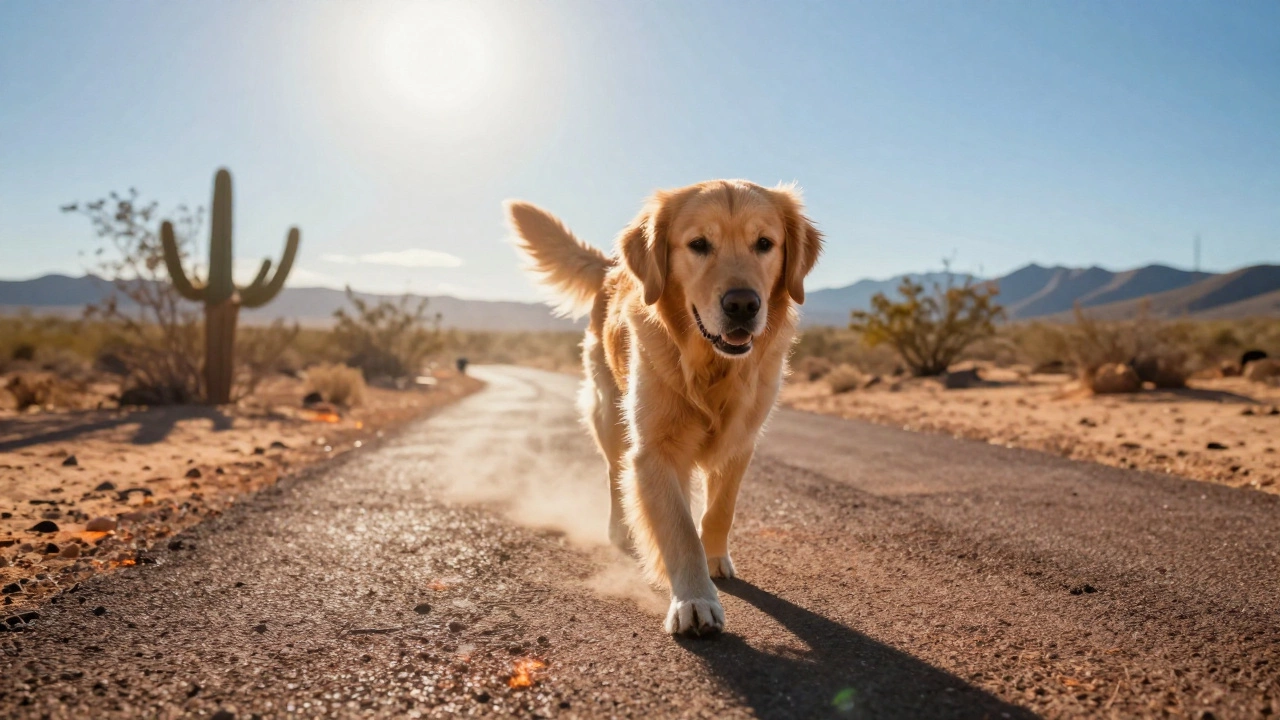
Similarly, Arizona is a state with extreme desert heat that limits outdoor activity. Phoenix regularly sees temperatures over 110°F. While air-conditioned homes are great, the inability to take evening walks or enjoy outdoor play during summer months restricts a dog’s quality of life. You become dependent on indoor facilities or early morning/late night routines, which disrupts normal socialization opportunities.
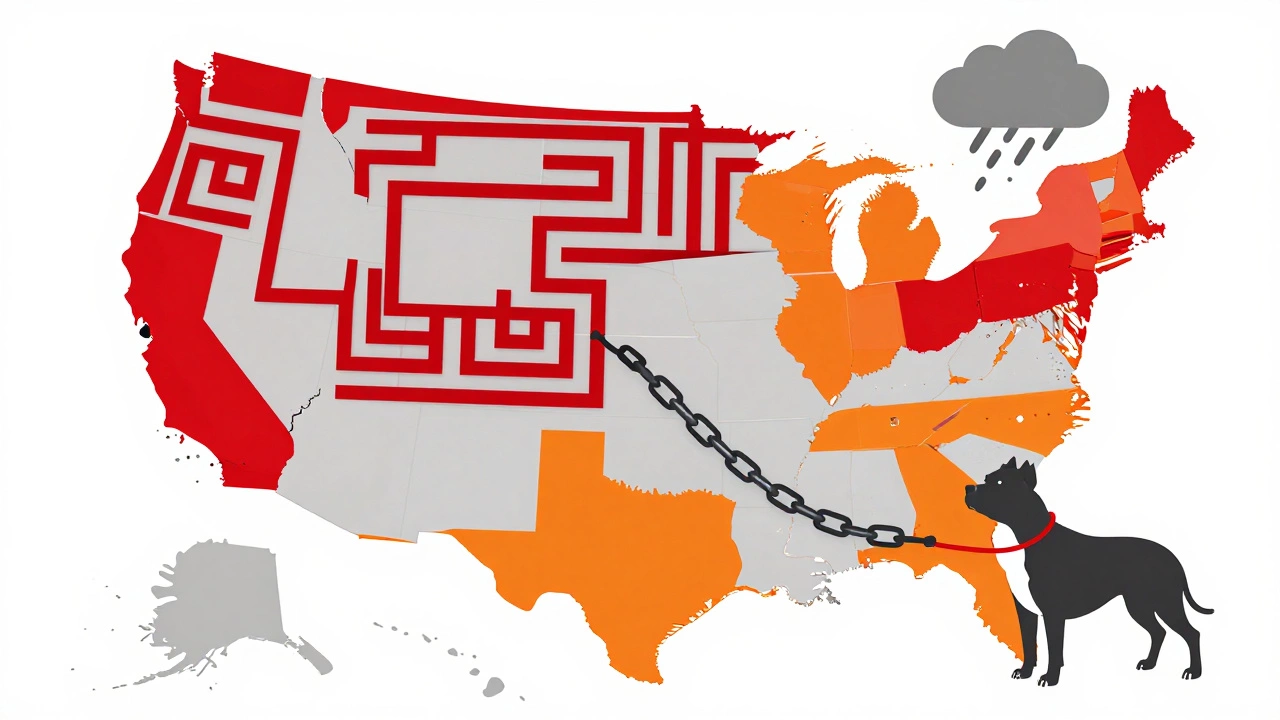
Breed-Specific Legislation (BSL) Hotspots
Perhaps the most direct form of unfriendliness is Breed-Specific Legislation (BSL). These laws ban or restrict specific breeds, often Pit Bulls, Rottweilers, or Doberman Pinschers. While many states have moved away from BSL, some jurisdictions still enforce strict rules.
Maryland is a state with notable BSL enforcement in Baltimore County. Baltimore County has one of the longest-standing BSL laws in the US. If you own a banned breed, you may face muzzling requirements, special licensing, and even confiscation if deemed a danger. This creates a climate of fear for owners of mixed-breed dogs that might visually resemble banned types. Moving to such an area requires careful research into local county codes, not just state laws.
Other areas with historical BSL include parts of Michigan and Pennsylvania, though enforcement varies by municipality. Always check local ordinances before moving. A state might be generally pet-friendly, but your specific city could be a nightmare for your breed.
How to Choose a Pet-Friendly Destination
So, what is the least pet-friendly state? It depends on your priorities. If you value housing availability, avoid dense urban hubs in New York or California unless you have a large budget. If you prioritize outdoor freedom, steer clear of states with extreme heat like Arizona or Florida during summer. If you own a breed often targeted by BSL, research local laws in Maryland or Michigan carefully.
To make your decision easier, consider these steps:
- Check Local Ordinances: State laws set the baseline, but city councils write the detailed rules. Look up leash laws, noise complaints, and breed restrictions for your target city.
- Calculate Total Cost: Include pet deposits, monthly rent premiums, licensing fees, and higher insurance costs. Some states have higher average vet bills due to climate-related health issues.
- Assess Climate Risks: Consider how heat, cold, or humidity affects your dog’s breed. Brachycephalic breeds suffer in heat; thick-coated breeds struggle in humidity.
- Verify Housing Options: Search for rentals *before* signing a lease. Use filters for "pet-friendly" and read reviews from other pet owners in those buildings.
- Plan for Emergencies: Ensure there are 24-hour emergency vets nearby. Rural states may have long distances to specialized care.
No state is perfectly hostile to pets, but some create unnecessary friction. By understanding these layers-housing, access, bureaucracy, climate, and breed laws-you can avoid the pitfalls and find a place where both you and your dog can thrive.
Is New York really the least pet-friendly state?
New York isn’t legally hostile to pets, but its housing market is extremely competitive. Landlords in New York City often reject pet applications due to high demand, making it difficult to find affordable, pet-friendly housing. It’s less about laws and more about economics.
Which states have the strictest breed-specific legislation?
Maryland, particularly Baltimore County, has some of the strictest BSL laws in the country. Parts of Michigan and Pennsylvania also have municipal bans on breeds like Pit Bulls. Always check local city codes, as state laws may not override local ordinances.
Are there any states that are completely dog-free?
No US state bans dog ownership entirely. However, some private communities, HOAs, or specific public spaces (like certain beaches or parks) may prohibit dogs. Always verify local rules before traveling or moving.
How does climate affect pet friendliness?
Extreme climates like Florida’s heat or Arizona’s desert conditions pose health risks to dogs, including heatstroke and paw burns. These states require more vigilance and higher veterinary costs, making them less "friendly" in terms of ease of care and safety.
What should I look for in a pet-friendly rental agreement?
Look for clear clauses on pet deposits, monthly pet rent, breed/weight restrictions, and liability insurance requirements. Avoid vague language that allows landlords to evict you arbitrarily for "pet disturbances." Get everything in writing.