Puppy Playtime Matcher
You just brought home a bundle of fluff. It’s cute, it smells like milk, and it’s currently chewing on your shoe lace. You’re probably wondering: what does this tiny creature actually want from life? Spoiler alert: it’s not just food and naps. Puppies are hardwired for interaction, exploration, and yes, destruction. Understanding what puppies enjoy is the key to raising a happy, well-behaved dog.
It’s easy to assume that all dogs are the same. But a puppy isn’t just a small adult dog. They are in a critical developmental window where their brain is soaking up experiences like a sponge. If you give them the right outlets now, you save yourself a mountain of vet bills and behavioral headaches later. Let’s break down exactly what makes a puppy tick, based on canine ethology and practical experience with hundreds of litters.
The Biological Drive Behind the Chaos
Before we talk about specific toys, we need to talk about why puppies do what they do. Dogs are predators by ancestry. Even though your Golden Retriever looks like a gentle giant, his DNA remembers chasing rabbits. This drive manifests in four main behaviors: stalking, pouncing, biting, and shaking. When a puppy grabs a rope toy and shakes its head violently, he isn’t being aggressive; he’s practicing the "kill bite" simulation. He’s satisfied.
Understanding this helps you choose better engagement methods. If you try to stop a puppy from mouthing hands without giving him an appropriate outlet, you’re fighting biology. Instead, redirect that energy. When you understand the why, the what becomes obvious.
Sensory Exploration: The Nose Knows Best
Puppies don’t see the world quite like we do. Their vision is less detailed, but their sense of smell is roughly 10,000 to 100,000 times more acute than ours. For a young dog, sniffing is basically reading the news. It reduces stress and provides mental stimulation that physical exercise simply can’t match.
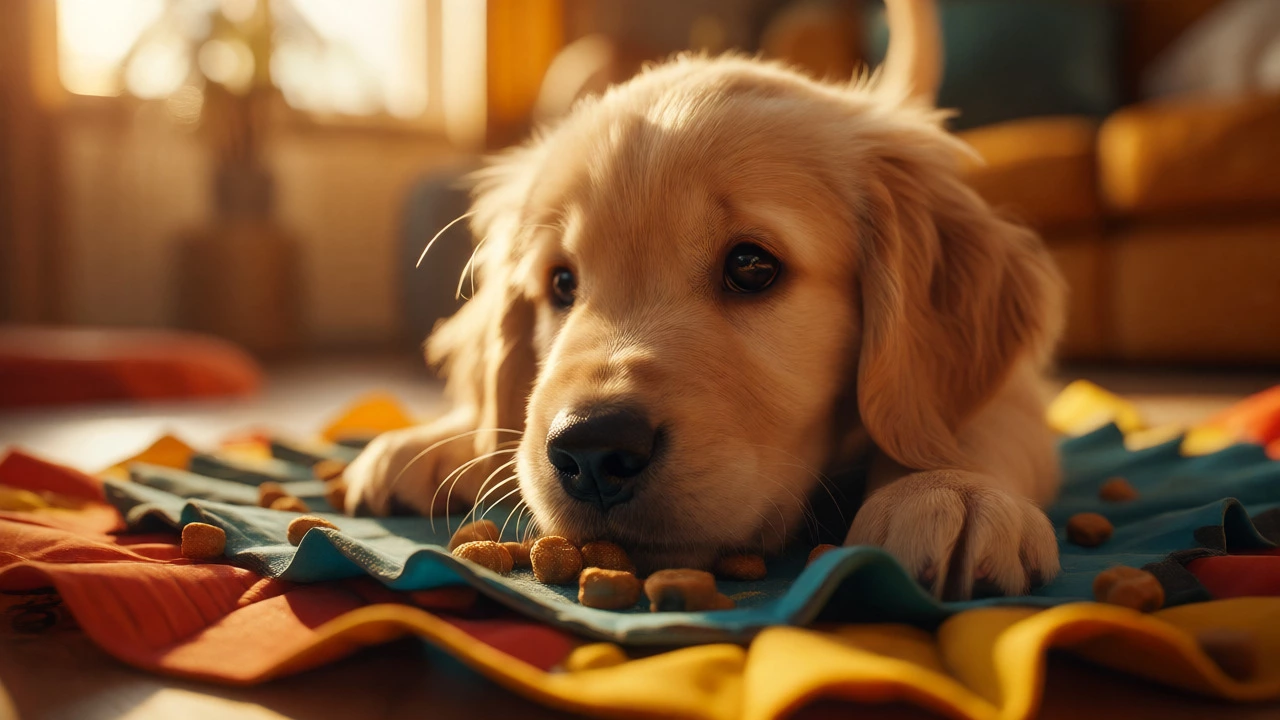
One of the most underrated forms of enrichment is scent work. You don’t need a professional trainer for this. Hide a few pieces of kibble around the living room or wrap a treat in a towel and let your puppy figure out how to get it. This activity taps into their natural foraging instinct. It tires them out mentally, which often leads to a calmer evening.
| Sense | Activity Example | Benefit |
|---|---|---|
| Smell | Nosework mats, hidden treats | Mental fatigue, confidence building |
| Taste/Chew | Frozen carrots, rubber chews | Soothes teething pain, jaw strength |
| Hearing | Rope squeaks, crinkle toys | Prey drive satisfaction (use sparingly) |
| Touch | Gentle brushing, petting | Bonding, socialization to handling |
The Art of Tug-of-War
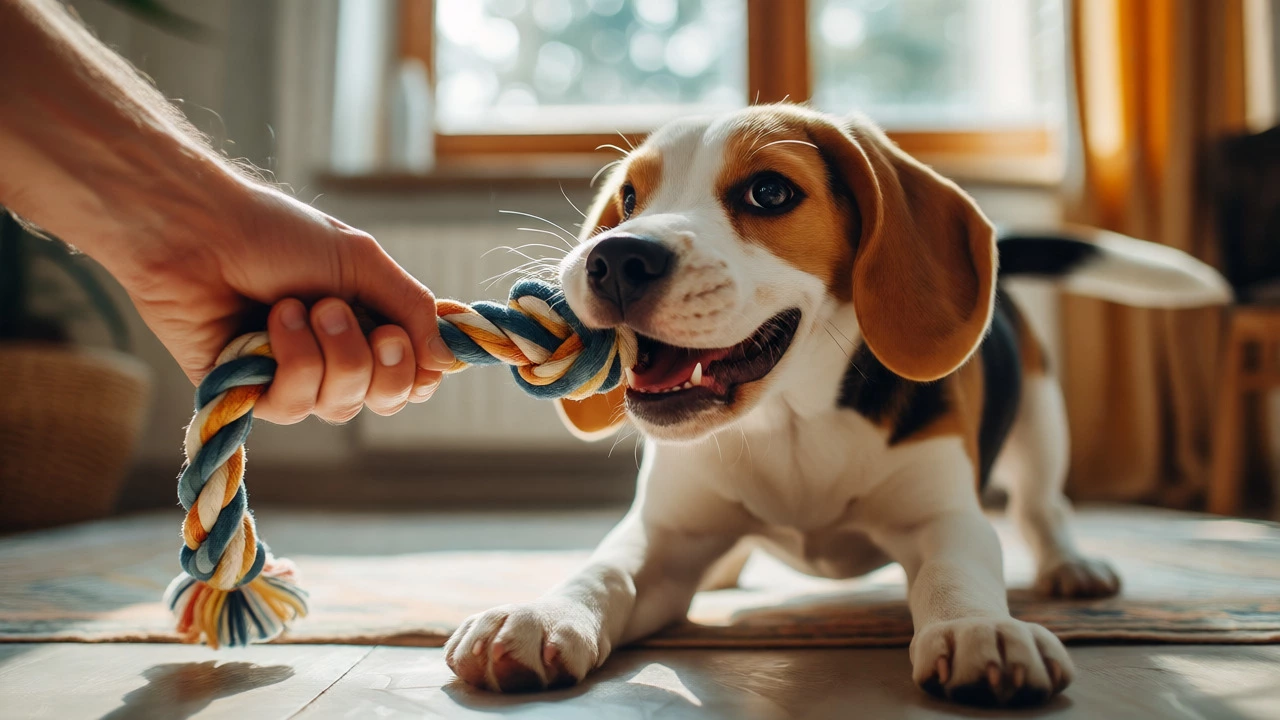
Many owners worry that playing tug will make their puppy aggressive. That’s a myth. In fact, structured tug-of-war is one of the best ways to teach impulse control. The rule is simple: the game starts when you say so, and it stops when you say so. If the puppy’s teeth touch your skin, the game pauses immediately. No yelling, just pause.
This teaches the puppy that roughness ends the fun. Over time, they learn to be gentle. Plus, tug engages multiple muscle groups and satisfies that urge to pull and hold onto something. Just make sure you use a long rope toy so there’s distance between their sharp little teeth and your fingers. And always let them win occasionally. Confidence matters.
Chewing: More Than Just Teething
Around three to six months, puppies lose their baby teeth and grow adult ones. During this phase, chewing isn’t just fun-it’s necessary relief. But even after teething, chewing remains a primary way dogs self-soothe. Think of it like human nail-biting or fidgeting. It releases endorphins.
Not all chew toys are created equal. Avoid hard objects like antlers or real bones if your puppy is under six months old. Their adult teeth are still developing and can fracture against extreme hardness. Instead, opt for rubber toys with some give, like Kongs, or soft fleece ropes. Rotate your chew toys weekly to keep interest high. A toy that’s been in the closet for two weeks feels brand new again.
Social Play: Learning Boundaries
No toy replaces another dog-or at least, no toy replaces the feedback loop of social interaction. Puppies learn bite inhibition primarily from their littermates. When a puppy bites too hard during play, the other yelps and stops playing. Your puppy learns quickly: "Hard bite = no friend."
If you have a single puppy, you become the surrogate littermate. This means you need to be consistent. Use a high-pitched "ouch!" when teeth touch skin. Then ignore them for ten seconds. It sounds harsh, but it works. Social play also includes humans. Fetch is great, but only if the puppy brings it back. If they chase it but don’t return, you’re reinforcing a possessive behavior. Work on the "drop" command early.
Novelty and Environment
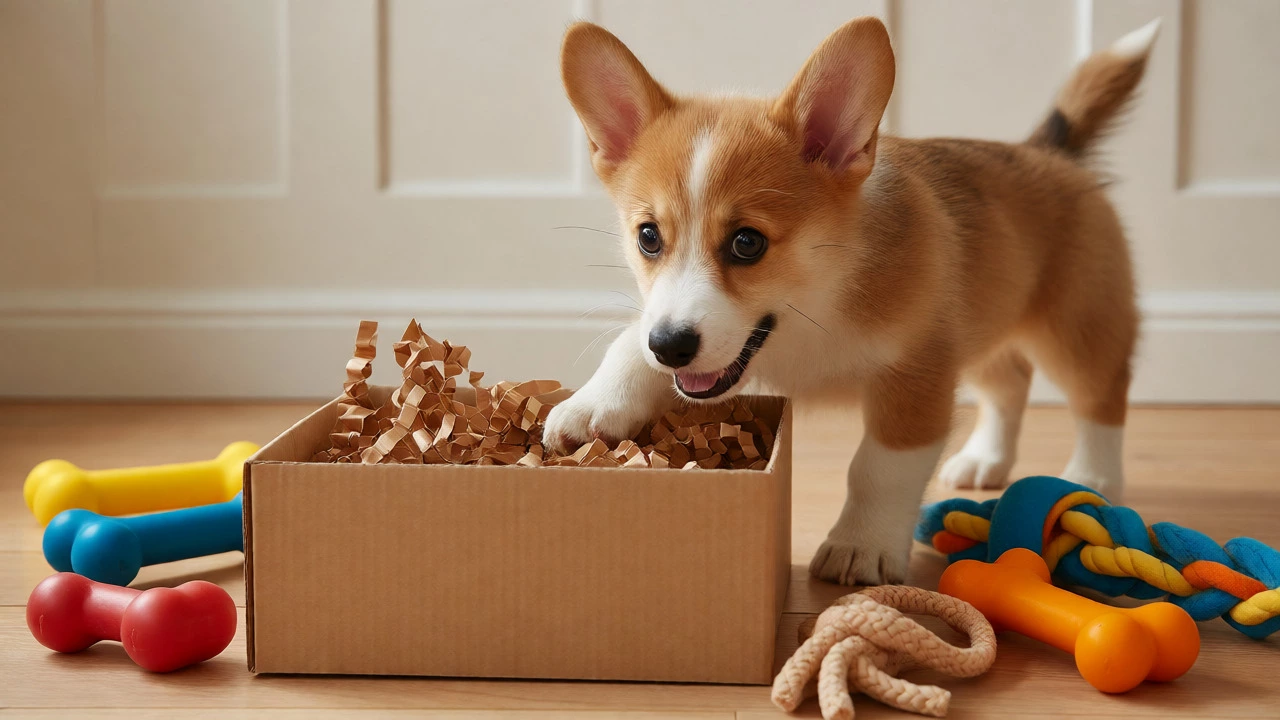
Puppies are curious by nature. A cardboard box can be more exciting than a $30 interactive feeder because it’s new, it makes noise, and it can be destroyed. Novelty triggers dopamine release in the brain. Changing the environment regularly keeps their brain engaged.
You don’t need expensive gear for this. Create obstacle courses using cushions and blankets. Take walks on different surfaces-grass, gravel, sand. Let them investigate safe new smells. This sensory variety builds resilience and prevents fearfulness later in life. A bored puppy is a destructive puppy. A stimulated puppy is a tired, happy puppy.
Common Mistakes to Avoid
First, don’t leave small parts lying around. Puppies explore with their mouths. A button, a sock, or a piece of foam can cause intestinal blockages. Always supervise play with new toys until you know your puppy’s chewing style.
Second, don’t rely solely on physical exercise. Walking a puppy for an hour won’t tire them out as effectively as twenty minutes of nosework and training. Mental exhaustion is deeper and lasts longer.
Third, avoid toys that encourage excessive barking. Squeaky toys are great for prey drive, but if your puppy learns that squeaking equals attention, they might start demanding it constantly. Use squeaky toys strategically, not as background noise.
Building a Routine Around Joy
So, what do puppies enjoy the most? It’s a mix of things: the thrill of the hunt, the comfort of chewing, the joy of social connection, and the excitement of novelty. Your job isn’t to entertain them 24/7. It’s to provide opportunities for these natural behaviors to occur safely.
Start with a rotation system. Keep five toys out, store the rest. Swap them every week. Combine short training sessions with play breaks. End each day with a calm chew session before bed. This structure gives your puppy predictability, which reduces anxiety. Happy puppies aren’t accidents; they’re the result of understanding their needs and meeting them consistently.
How many toys should a puppy have?
You don't need a huge pile. Start with 5-7 distinct types (chew, fetch, plush, puzzle, rope). Rotate them weekly to maintain novelty. Too many options can overwhelm a young dog.
Is tug-of-war bad for puppies?
No, it's excellent for teaching impulse control and bonding. Just ensure the puppy doesn't jump up or grab clothes. Stop the game immediately if teeth touch skin to teach gentleness.
Why does my puppy destroy every toy?
Destruction is often a sign of boredom or insufficient mental stimulation. Try increasing nosework or training sessions. Also, check if the toy is too fragile for your puppy's breed and jaw strength.
Do puppies prefer interactive toys over regular ones?
Interactive toys (like treat dispensers) are great for solo play and mental fatigue. However, puppies still crave social interaction. Balance both: use puzzles when you're busy, and engage in active play when you're free.
At what age can I introduce hard chew toys?
Wait until adult teeth come in, usually around 6 months. Before that, stick to softer rubber or fabric chews to protect developing enamel and gums.