Dog Collar Safety & Fit Checker
Use this tool to determine if your current collar setup is safe for your dog, especially regarding 24/7 wear and snagging risks.
You come home from work, and your dog greets you with a wagging tail and that familiar jingle of tags. It’s comforting, right? That little sound means they’re safe, identified, and ready for a walk. But have you ever looked at them while they’re sleeping on the couch or lounging in the garden and wondered: is it okay for dogs to wear collars all the time?
This isn’t just about comfort. It’s about skin health, accident prevention, and even how we train our best friends. As someone who has spent years around dogs in Auckland-from busy city parks to quiet suburban backyards-I’ve seen both extremes. Some owners never take the collar off, fearing their pet might slip out the door. Others remove it entirely at home, risking lost ID tags during a sudden escape. The truth sits somewhere in the middle, but it depends heavily on your specific dog.
The Case for Keeping the Collar On
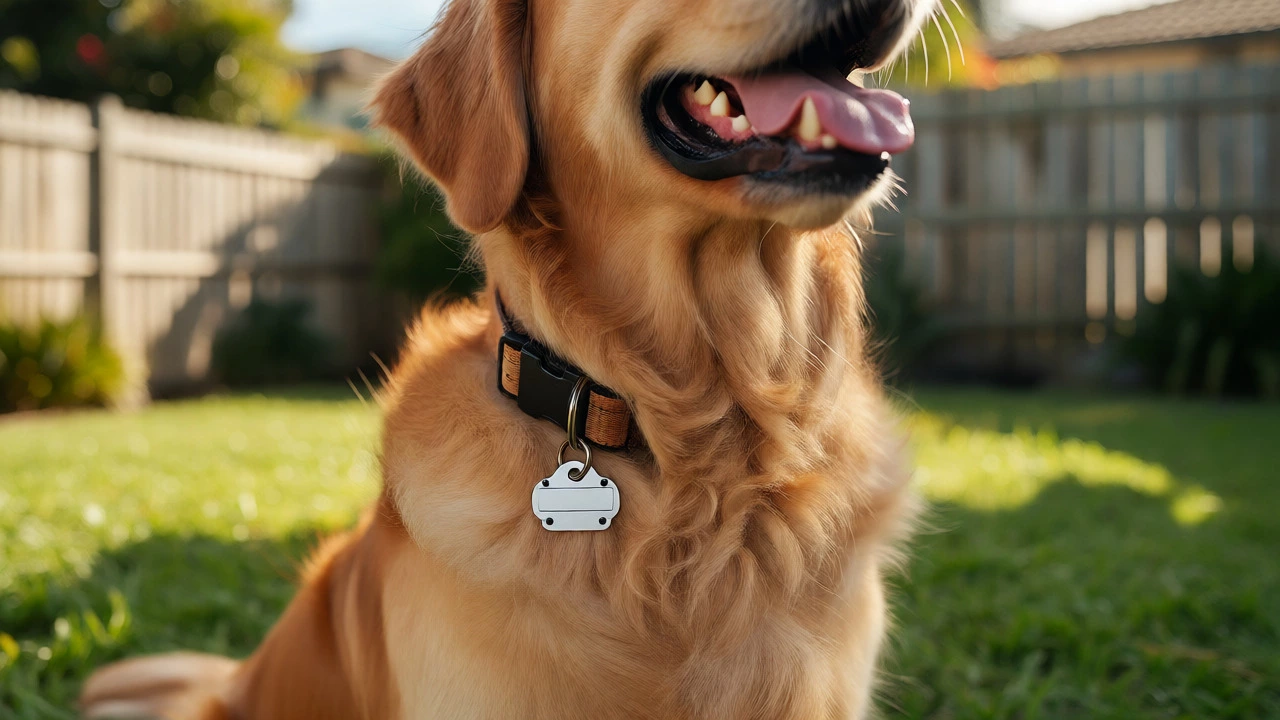
For many owners, the primary reason to keep a collar on 24/7 is identification. If your dog bolts through an open gate, a collar with a tag is often the fastest way for a neighbor or council worker to contact you. In New Zealand, microchipping is mandatory for most dogs, but scanning a chip requires specialized equipment. A visible tag is instant.
Beyond ID, some dogs simply need the structure. If you use a flat collar for basic leash attachment, keeping it on ensures you can grab them quickly if necessary. However, this convenience comes with caveats. Not all collars are created equal. A thick, leather collar designed for hiking might be fine for daytime wear, but leaving it on a puppy overnight could cause irritation.
| Collar Type | Best For | Safe for 24/7 Wear? | Risk Factor |
|---|---|---|---|
| Flat Nylon Collar | Daily walks, ID display | Yes, if fitted correctly | Low (if not too tight) |
| Breakaway Collar | Cats, anxious dogs, indoor pets | Yes, highly recommended | Very Low |
| Prong/Collar Pinch | Training correction | No | High (skin injury) |
| Electronic/Collar Shock | Recall training | No | Medium (battery/skin burn) |
| Wide Leather Collar | Large breeds, durability | Maybe (check for moisture) | Medium (mold/bacteria) |
The Hidden Risks of Constant Wear
Here is where things get tricky. When a dog sleeps, they move. They roll over. They scratch. If a collar is too tight, constant friction against the neck can lead to hot spots-painful, moist areas of inflamed skin that occur when bacteria gets trapped under fur and a foreign object like a collar strap. This is especially common in humid climates or if the dog swims frequently and the collar doesn’t dry properly.
Then there’s the snag hazard. Imagine your dog tries to jump over a fence or squeeze through a gap in the garden. If their collar catches on a branch or wire, a standard fixed collar won’t give way. This can result in strangulation or severe neck injuries. This risk is highest for puppies, who are naturally curious and clumsy, and for dogs left unsupervised outdoors.
Another subtle issue is hygiene. Collars absorb sweat, dirt, and saliva. Over weeks of continuous wear, this buildup creates a breeding ground for bacteria and fungi. You might notice a musty smell near your dog’s neck, which is a clear sign the collar needs washing-or removal-to let the skin breathe.
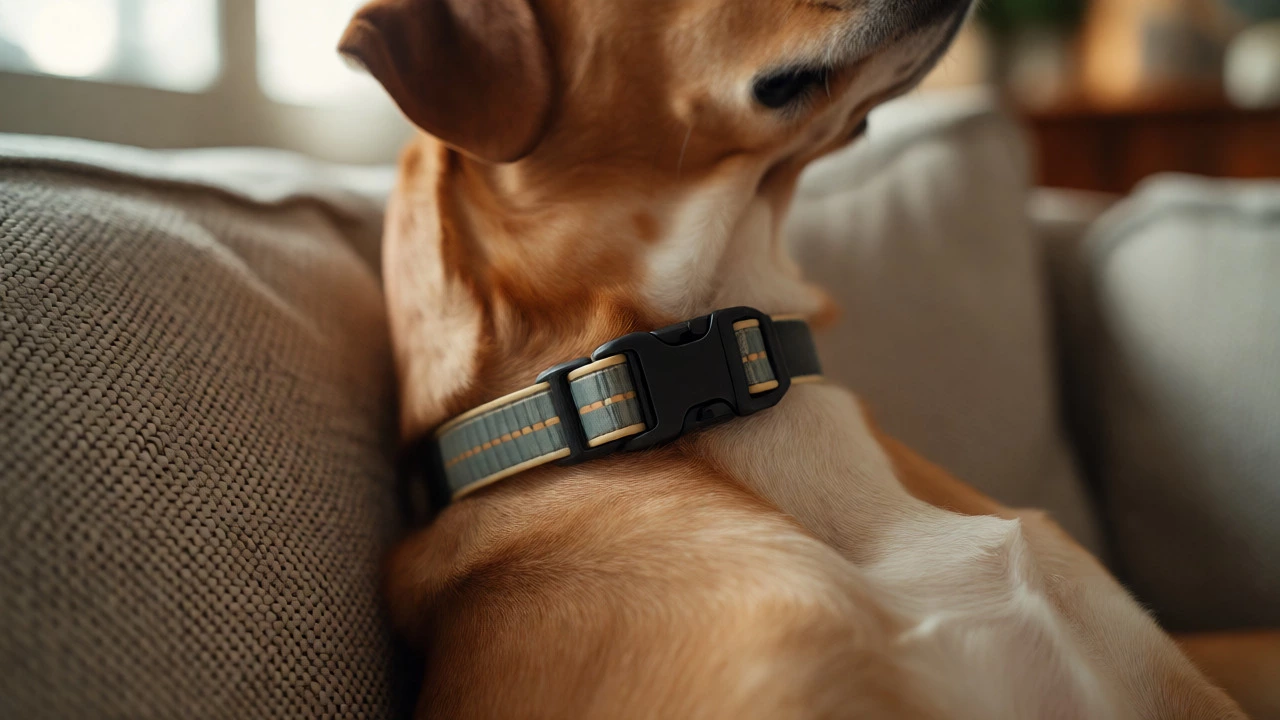
When You Absolutely Should Remove the Collar
There are specific scenarios where taking the collar off is non-negotiable. First, during crate training. If you leave your dog in a crate alone for hours, the risk of the collar catching on the metal bars is real. Even a small loop of nylon can tighten unexpectedly as the dog shifts position. Removing the collar eliminates this danger entirely.
Second, after swimming or bathing. Waterlogged collars stay damp against the skin for hours. This prolonged moisture softens the skin barrier, making it susceptible to infection. Always dry the neck area thoroughly before putting a clean, dry collar back on.
Third, if your dog shows signs of discomfort. Scratching at the neck more than usual, rubbing their head on the carpet, or showing reluctance when you try to adjust the collar are red flags. Check for matting underneath the strap. Matted fur pulls on the skin every time the dog moves, causing pain that mimics a collar fit issue.
Finding the Right Fit: The Two-Finger Rule
If you decide to keep the collar on for extended periods, fit is everything. Many owners make the mistake of fitting it too tightly so the dog “can’t lose it.” This restricts blood flow and traps hair. The gold standard is the two-finger rule. You should be able to slide two fingers comfortably between the collar and your dog’s neck. If you can only fit one finger, it’s too tight. If you can fit four, it’s too loose and likely to snag.
Check this fit weekly. Puppies grow rapidly; a collar that fits perfectly today might be choking them next week. Adult dogs also change weight seasonally. Regular checks prevent accidental tightening over time.

Alternatives to Traditional Collars
If you’re worried about safety but still want ID visibility, consider a breakaway collar. Unlike standard buckles, these feature a quick-release mechanism that pops open if significant pressure is applied, such as when caught on a fence. While originally designed for cats, they are increasingly popular for small dogs and puppies who spend time indoors unsupervised.
For larger, stronger dogs, a well-fitted harness used exclusively for walking allows you to remove the neck accessory entirely at home. This gives the neck a rest while maintaining control during outings. Just remember: if you go collar-free at home, ensure your dog is microchipped and registered with the local council (like Auckland Council) so they can be identified if they escape.
A Practical Routine for Dog Owners
You don’t need to choose between total safety and constant ID. Here’s a balanced approach I recommend to friends in my neighborhood:
- Daytime/Outdoors: Keep a durable, well-fitted flat collar on for ID and leash attachment. Inspect it for wear and tear.
- Unsupervised Indoor Time: If your dog is in a secure room or crate, consider swapping to a breakaway collar or removing it entirely to prevent snagging.
- Nighttime: If your dog sleeps in a crate or a confined space, remove the collar. If they sleep freely in the house, a light, breathable collar is usually fine, provided it passes the two-finger test.
- Weekly Maintenance: Remove the collar once a week to wash it and inspect the skin underneath for redness, mats, or ticks.
By rotating these practices, you minimize the risks of skin issues and accidents while maximizing the benefits of immediate identification.
Can my dog choke themselves with a collar?
Yes, especially if the collar gets caught on objects like fences, crates, or furniture legs. This is why breakaway collars are safer for unsupervised wear. Standard collars do not release under tension, which can lead to strangulation if the dog panics.
How often should I wash my dog's collar?
Ideally, once a month, or more frequently if your dog swims or rolls in mud. Accumulated dirt and bacteria can cause skin infections. Nylon collars can often be machine washed in a laundry bag, while leather requires gentle hand cleaning with specific conditioners.
Is it better to use a harness instead of a collar?
For walking, a harness is generally safer for the trachea and spine, especially for pullers or brachycephalic breeds (like Pugs). However, harnesses are less effective for displaying ID tags. Many owners use a harness for walks and a light collar for ID when at home.
Do I need a collar if my dog is microchipped?
Legally, yes, in many places including New Zealand, dogs in public spaces must wear a collar with registration tags. Practically, a microchip requires a scanner to read. A visible tag allows anyone who finds your dog to call you immediately without needing a vet or shelter visit.
What are the signs my dog's collar is too tight?
Look for matted fur under the collar, red marks or indentations on the skin, excessive scratching at the neck, or difficulty swallowing. If you cannot easily slide two fingers under the collar, it needs adjustment.