Dog Adoption Pathway Calculator
Select what matters most to you when adopting a dog:
dog adoption is a life-changing decision that requires careful consideration. Over 3 million dogs enter shelters in the U.S. every year, and many face euthanasia due to overcrowding. But when you choose the right source, you're not just getting a pet-you're saving a life. However, not all places are created equal. Some prioritize profit over animal welfare, leading to health issues and unethical practices. This guide compares animal shelters, rescue organizations, and reputable breeders to help you make the best choice for you and your new furry friend.
Animal Shelters: Affordable and Ready to Love
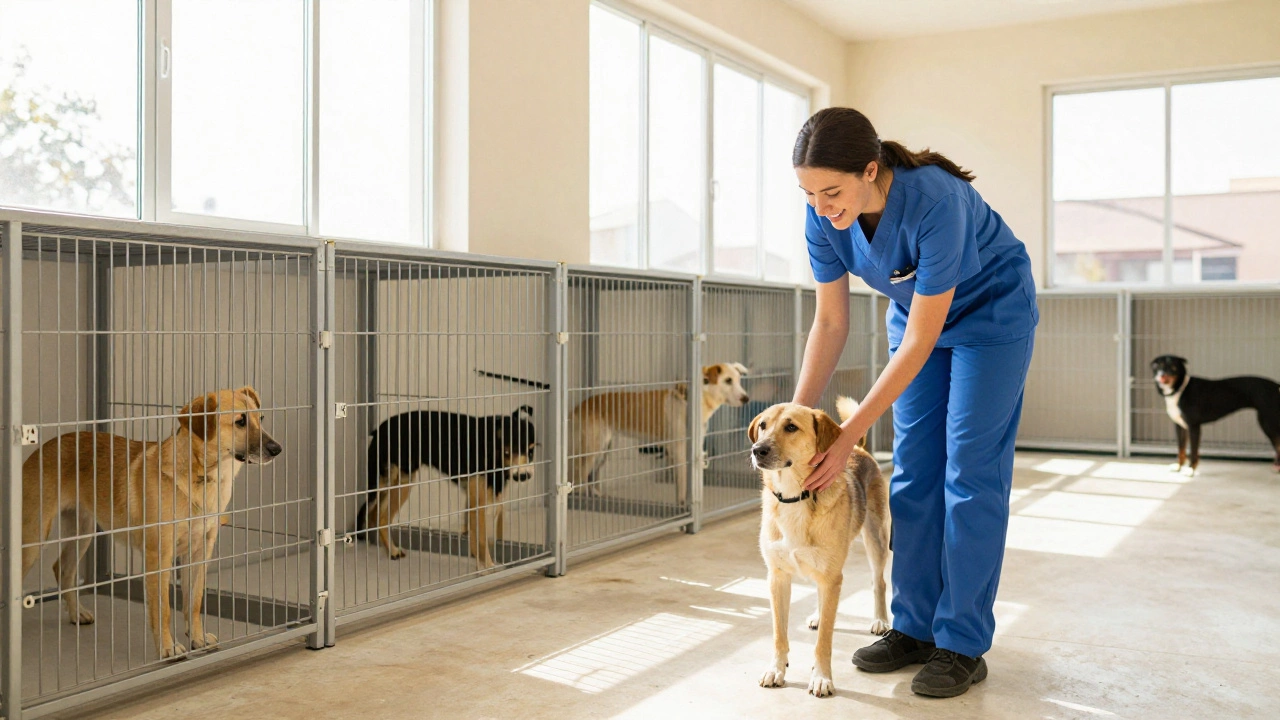
Animal shelters are government-run facilities that take in stray, abandoned, or surrendered dogs. Adoption fees typically range from $50 to $200 and usually cover vaccinations, spaying/neutering, and microchipping. For example, the ASPCA reports that 70% of shelter dogs are already spayed/neutered and vaccinated before adoption.
Pros: Shelters have a wide variety of dogs, including mixed breeds and purebreds. Many have been evaluated for temperament and health. Cons: Shelters can be overcrowded, so some dogs may have unknown histories or health issues. Always ask about the dog's background and any known medical conditions. Visit the shelter multiple times to interact with the dog before committing.
Rescue Organizations: Specialized Care for Specific Breeds
Rescue organizations focus on particular breeds or types of dogs. They often operate through foster networks, where dogs live in homes until adopted. This means they get more individual attention and socialization. For instance, the Golden Retriever Rescue of America has a network of volunteers who assess each dog's health and temperament thoroughly. Rescue adoption fees are usually $200-$400, which includes detailed health checks and breed-specific training.
Pros: Rescue groups often have detailed knowledge of each dog's personality and needs. They may also provide post-adoption support. However, the process can take longer due to home checks and waiting lists.
Reputable Breeders: When a Specific Breed is Essential
Reputable breeders prioritize health and ethics over profit. Some people want a specific breed for traits like size, energy level, or coat type. In those cases, a reputable breeder is the right choice. But not all breeders are ethical-avoid those who sell puppies online without meeting or who have multiple breeds available year-round.
A good breeder will let you visit their facility, meet the parents, and show health clearances for genetic conditions. For example, the American Kennel Club (AKC) requires breeders to provide documentation for hip dysplasia and eye issues in certain breeds. Costs can range from $800 to $3,000 depending on the breed. Always ask for health records and ensure the breeder is registered with a recognized kennel club.

Steer Clear of Puppy Mills: Red Flags to Watch For
Puppy mills are commercial breeding facilities that prioritize profit over animal welfare. They often sell dogs through pet stores, online, or at flea markets. These places keep dogs in cramped cages with little veterinary care.
- Selling puppies online without meeting in person
- Offering multiple breeds or litters year-round
- Refusing to show where the dogs live
- Not providing health records or vaccinations
The Humane Society reports that over 1 million puppies come from mills each year. Always adopt from shelters or rescues if you're unsure about a breeder.
Key Questions to Ask Before Adopting
Regardless of where you get your dog, ask these questions:
- What is the dog's medical history and current health status?
- Have they been spayed/neutered and vaccinated?
- What is the dog's temperament and energy level?
- Are there any known behavioral issues or special needs?
- What is the adoption process and what support is provided after adoption?

Adoption Checklist: Your Step-by-Step Guide
- Visit the shelter or rescue multiple times to interact with the dog
- Check the facility's cleanliness and the dogs' living conditions
- Ask for health records and vaccination history
- Ensure the dog has been spayed/neutered or schedule it
- Prepare your home with essentials like food, toys, and a crate
- Plan for a vet visit within the first week
Comparison of Adoption Sources
| Source | Cost | Health Checks | Time Commitment | Best For |
|---|---|---|---|---|
| Animal Shelters | $50-$200 | Basic vaccinations, spay/neuter | Immediate adoption | First-time owners, mixed breeds |
| Rescue Organizations | $200-$400 | Breed-specific health clearances | 1-4 weeks for screening | Specific breed needs, experienced owners |
| Reputable Breeders | $800-$3,000 | Genetic testing, health guarantees | 3-6 months for puppy | Specific breed requirements, long-term planning |
Is it better to adopt from a shelter or a rescue?
It depends on your needs. Shelters are great for adopting any dog quickly and affordably, while rescues often specialize in specific breeds and provide more detailed health and temperament info. If you want a particular breed or need thorough screening, a rescue might be better. For general adoption with less process, shelters are ideal.
How can I verify a breeder is reputable?
Ask to visit their facility, meet the puppy's parents, and see health clearances for genetic conditions. Reputable breeders will have AKC or other kennel club registration, provide detailed medical records, and never sell puppies online without meeting you in person.
What are common red flags for puppy mills?
Selling puppies online without meeting, offering multiple breeds year-round, refusing to show where dogs live, and not providing health records. Puppy mills often have overcrowded, unsanitary conditions and prioritize profit over animal welfare.
Why are adoption fees higher for rescues?
Rescue fees cover extensive health screenings, vaccinations, spaying/neutering, and sometimes behavioral training. They also fund the organization's foster network and ongoing care for other dogs in need.
Can I adopt a dog from a shelter if I have other pets?
Yes! Most shelters offer "meet-and-greets" with your current pets to ensure compatibility. They'll also share the dog's history with other animals to help you make the best match.