Cat Food Hydration & Topper Calculator
Enter your cat's details below to get personalized recommendations for adding water and toppers to their kibble.
Recommended Action Plan
Safety Check
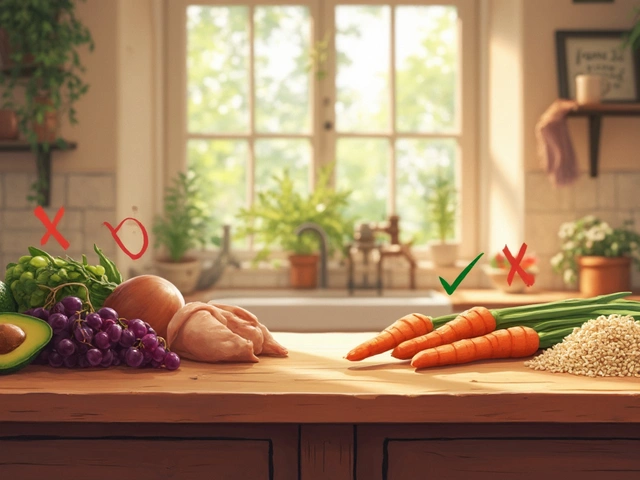
Always introduce new foods gradually over 4 weeks. Monitor stool quality and weight. If your cat has kidney disease or diabetes, consult your vet before adding supplements. Avoid onions, garlic, grapes, raisins, and dairy if lactose intolerant.
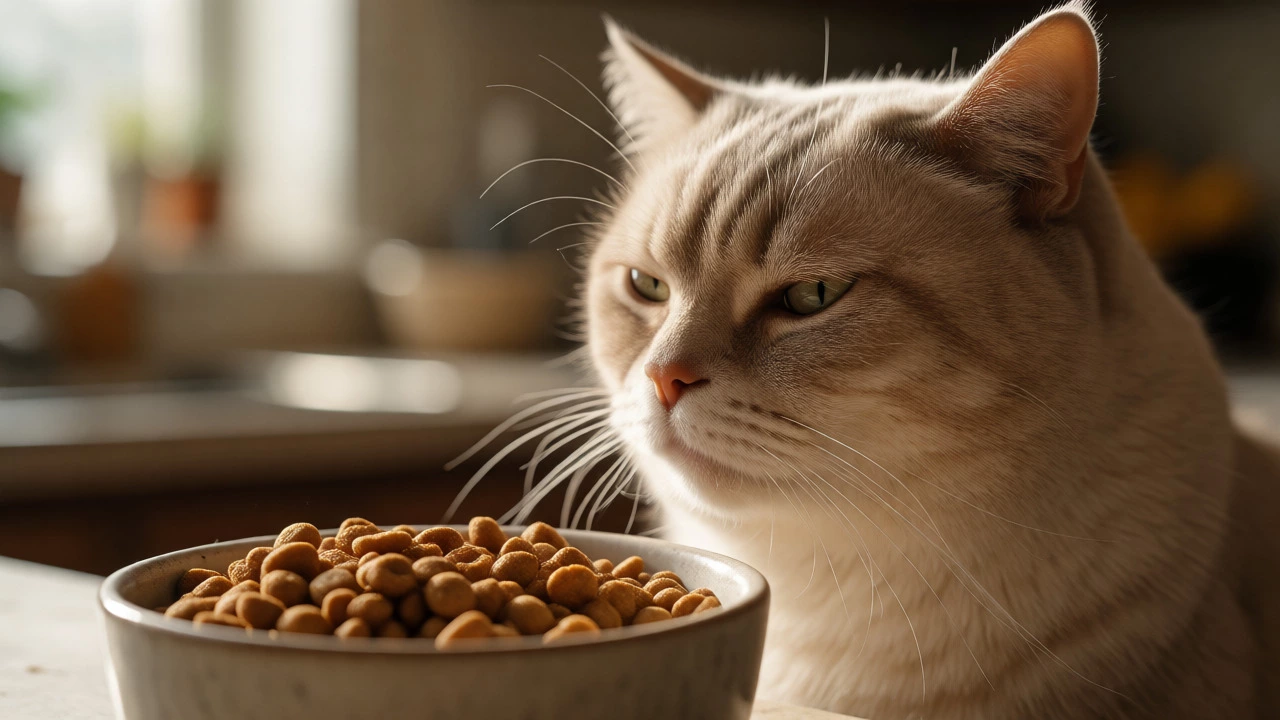
Picture this: you pour a handful of kibble into your cat’s bowl, and they sniff it, walk away, and stare at you with that judgmental look only cats can master. You wonder if the dry food is just boring them, or if it’s actually lacking something essential. It’s a common dilemma for pet owners in Auckland and beyond. The short answer? Yes, adding things to dry food can help, but not always in the way you think.
Many people assume dry kibble is incomplete on its own. While high-quality brands are formulated to be "complete and balanced," they have one major flaw: low moisture content. Cats evolved from desert-dwelling ancestors who got most of their water from prey. Kibble contains about 10% water, whereas natural prey is around 70%. This mismatch leads to chronic mild dehydration, which over years can stress the kidneys and urinary tract. So, before you start dumping random ingredients into the bowl, let’s figure out what your cat actually needs.
The Hydration Hack That Matters Most
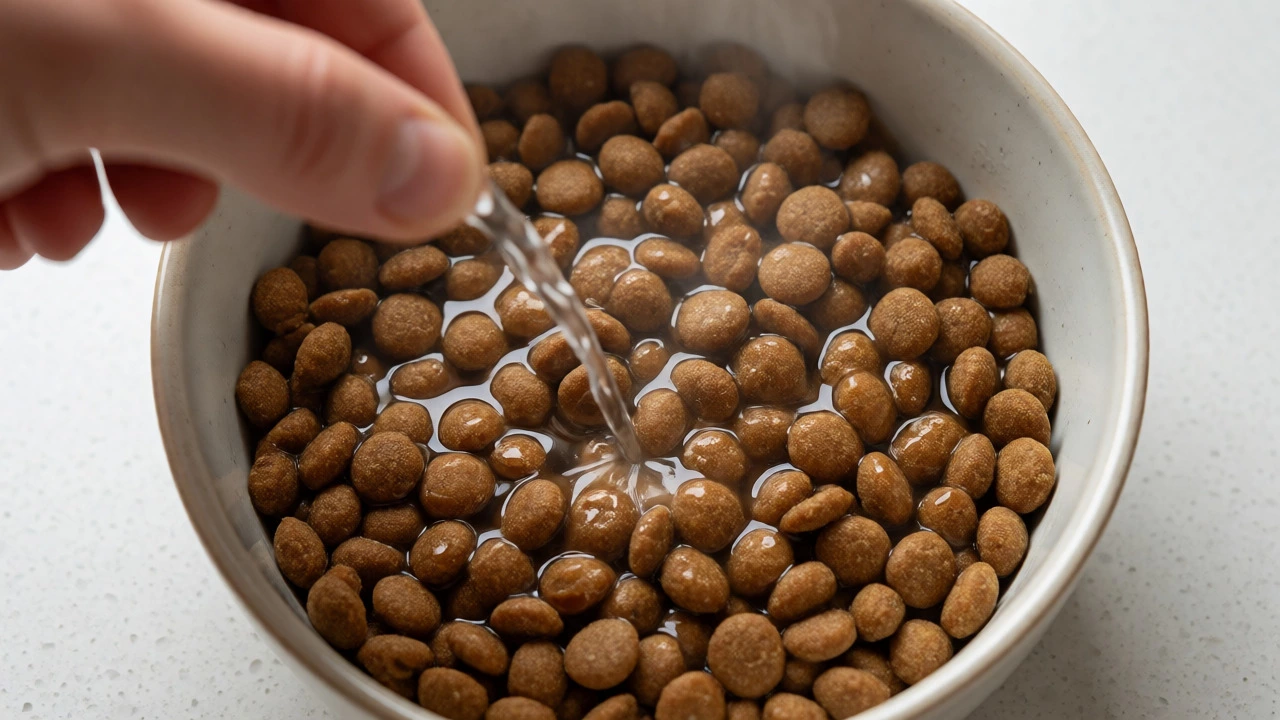
If you change only one thing, make it this: add water. Seriously. Most cats don’t drink enough from their bowls because they’re not wired to seek out standing water sources like dogs are. By adding warm (not hot) water to their kibble, you turn a dry meal into a hydrating feast. Aim for a ratio of one part water to three parts food, letting it soak for five minutes. This creates a gravy-like consistency that many cats find irresistible.
This simple trick does more than just improve taste. It increases total daily fluid intake, which helps flush out crystals and stones in the urinary tract. According to veterinary guidelines from the American Association of Feline Practitioners, increasing moisture intake is a primary strategy for managing lower urinary tract disease in cats. If your cat turns their nose up at plain water, try using low-sodium chicken broth instead. Just ensure it has no onions or garlic, which are toxic to felines.
Toppers That Boost Palatability and Nutrition
Sometimes, the issue isn’t health-it’s boredom. Cats can get tired of the same texture and flavor day after day. Adding a "topper" can reignite their interest without unbalancing their diet. But be careful: too many extras can lead to obesity or nutritional gaps. Here are some safe, vet-approved options:
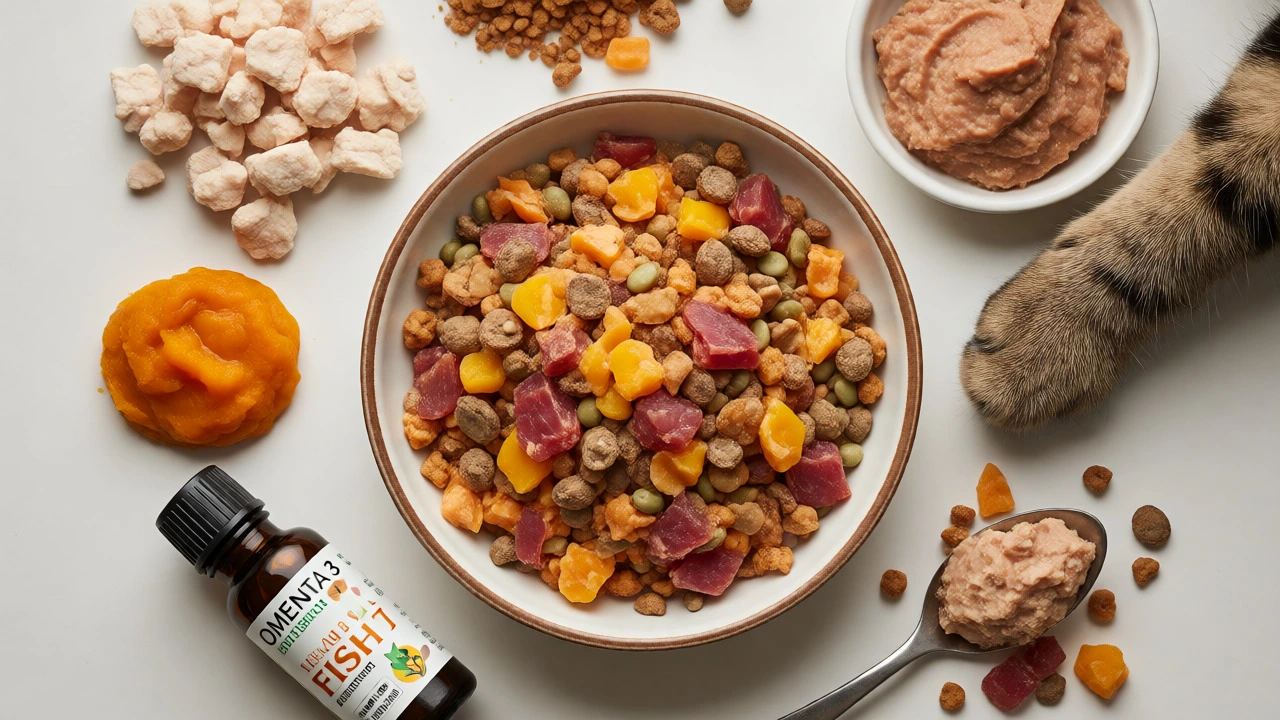
- Wet Food Mix-ins: Stirring a tablespoon of pâté-style wet food into dry kibble adds moisture and strong aromas. This is great for picky eaters or senior cats with dental issues.
- Freeze-Dried Raw Toppers: These are single-ingredient treats made from meat like chicken or duck. They provide a crunchy texture contrast and high protein content. Brands like Stella & Chewy's or local NZ suppliers offer these widely.
- Pureed Pumpkin: Plain canned pumpkin (not pie filling) adds fiber, which can help regulate digestion. A teaspoon is usually enough for an average-sized adult cat.
Avoid adding dairy products unless you know your cat tolerates them well. Most adult cats are lactose intolerant, so a splash of milk might result in digestive upset rather than joy. Similarly, skip human-grade seasonings; salt and spices aren’t necessary and can be harmful in excess.
Understanding Nutritional Balance
Here’s where it gets tricky. Commercial dry foods labeled "complete" meet standards set by organizations like the Association of American Feed Control Officials (AAFCO). This means they contain all necessary vitamins, minerals, amino acids (like taurine), and fats in the right ratios. When you add significant amounts of other foods, you risk diluting these nutrients.
For example, if you add large chunks of cooked chicken breast to every meal, your cat might fill up on protein but miss out on calcium and phosphorus found in the bone-rich formulations of commercial diets. Over time, this imbalance can affect bone density and organ function. The rule of thumb? Keep additions to less than 10% of the total daily calorie intake. If you’re adding more than that, consider switching to a primarily wet food diet or consulting a veterinary nutritionist.
| Additive | Primary Benefit | Risk Factor | Recommended Amount |
|---|---|---|---|
| Warm Water/Broth | Hydration, palatability | Low sodium required | 1-2 tbsp per meal |
| Wet Food | Moisture, aroma | Calorie increase | 1 tsp - 1 tbsp |
| Freeze-Dried Meat | Protein boost, texture | Cost, potential allergens | 5-10 pieces |
| Pumpkin Puree | Fiber, digestion aid | Dilutes calories | 1 tsp |
| Omega-3 Oil | Coat health, inflammation | Oxidation, calorie dense | 1 pump/drop |
Special Considerations for Senior and Sick Cats
Older cats often lose their sense of smell and taste, making dry kibble seem bland. For seniors, adding warm water releases volatile compounds in the food, enhancing aroma. If your senior cat has kidney disease-a common condition in cats over 10-your vet might recommend a specific renal diet. In these cases, do not add random toppers without approval, as phosphorus levels need strict control.
Cats with diabetes also require careful management. Adding high-carb toppings (like certain grain-based mixes) can spike blood sugar. Stick to high-protein, low-carb toppers like freeze-dried liver or fish. Always monitor weight closely when changing food composition. Obesity is a serious health risk for indoor cats, contributing to arthritis and diabetes.
How to Transition Your Cat’s Diet
Cats are creatures of habit. Sudden changes can cause refusal to eat, which is dangerous because cats can develop hepatic lipidosis (fatty liver disease) if they stop eating for more than 48 hours. Introduce new additives gradually.
- Week 1: Add just a teaspoon of water or broth to the usual kibble amount.
- Week 2: Increase liquid slightly or introduce a small pinch of freeze-dried topping.
- Week 3: Observe stool quality and energy levels. Adjust portions if weight gain occurs.
- Week 4: Establish a consistent routine based on what your cat prefers and tolerates.
Keep a log. Note what you added, how much, and how your cat reacted. Did they leave food behind? Was their coat shinier? Did litter box habits change? This data helps you tweak the approach. Remember, there is no one-size-fits-all solution. One cat might love salmon oil, while another hates the smell.
Common Mistakes to Avoid
Don’t fall into the trap of thinking "more is better." Over-supplementing is a real issue. Many owners add multivitamins or joint supplements without realizing the base food already provides sufficient levels. Excess vitamin A, for instance, can cause bone deformities in cats.
Also, beware of "humanization." Feeding cats table scraps like bacon, cheese, or tuna meant for humans can lead to pancreatitis or mercury poisoning (in the case of frequent tuna). Tuna should be an occasional treat, not a staple, due to its high thiaminase content, which breaks down vitamin B1.
Finally, check expiration dates on oils and toppers. Omega-3 fatty acids oxidize quickly when exposed to air and light. Rancid oil tastes bad and loses its anti-inflammatory benefits. Store bottles in the fridge once opened.
When to See a Vet
If your cat suddenly stops eating dry food altogether, or if adding toppers doesn’t spark interest, consult your veterinarian. Loss of appetite can signal underlying issues like dental pain, nausea, or systemic illness. Don’t assume it’s just pickiness. Blood work and a physical exam can rule out medical causes.
Similarly, if you notice weight loss despite increased food intake, or excessive thirst and urination, these could be signs of hyperthyroidism or diabetes. Early detection makes management easier and cheaper. Bring photos of your cat’s food setup and any recent changes to the appointment.
Is it okay to mix wet and dry food?
Yes, mixing wet and dry food is generally safe and beneficial. It combines the convenience of dry food with the hydration benefits of wet food. Ensure the total calorie count matches your cat’s daily needs to prevent weight gain.
Can I add fish oil to my cat's dry food?
Yes, fish oil is a great addition for skin and coat health. Use products specifically formulated for pets to avoid heavy metals. Start with a small dose to see if your cat accepts the taste, as some dislike the fishy aroma.
Why does my cat only eat the toppings and leave the kibble?
This is common behavior known as "cherry-picking." To fix it, mix the topping thoroughly into the kibble or crush it into powder form so it coats every piece. Alternatively, reduce the amount of topping until your cat eats the base food.
How much water should I add to dry cat food?
A good starting point is 1-2 tablespoons of warm water per cup of dry food. Let it sit for 5-10 minutes to absorb. Adjust based on your cat’s preference for texture-some like it soggy, others prefer it lightly moistened.
Are freeze-dried toppers healthy for cats?
High-quality freeze-dried toppers are healthy and minimally processed. They retain nutrients well and are free from preservatives. However, they are calorie-dense, so use them sparingly to avoid overweight issues.