Every dog owner who uses a crate has asked this question at least once: Should dogs wear collars in crates? It seems simple-put the collar on, keep the ID tag handy, and you’re done. But the truth is more complicated. Many well-meaning owners leave collars on during crate time, unaware of the real dangers. Others remove them completely, worrying about lost identification. Neither extreme is always right. The answer depends on your dog, the collar type, and how you use the crate.
Why Collars Can Be Dangerous in Crates
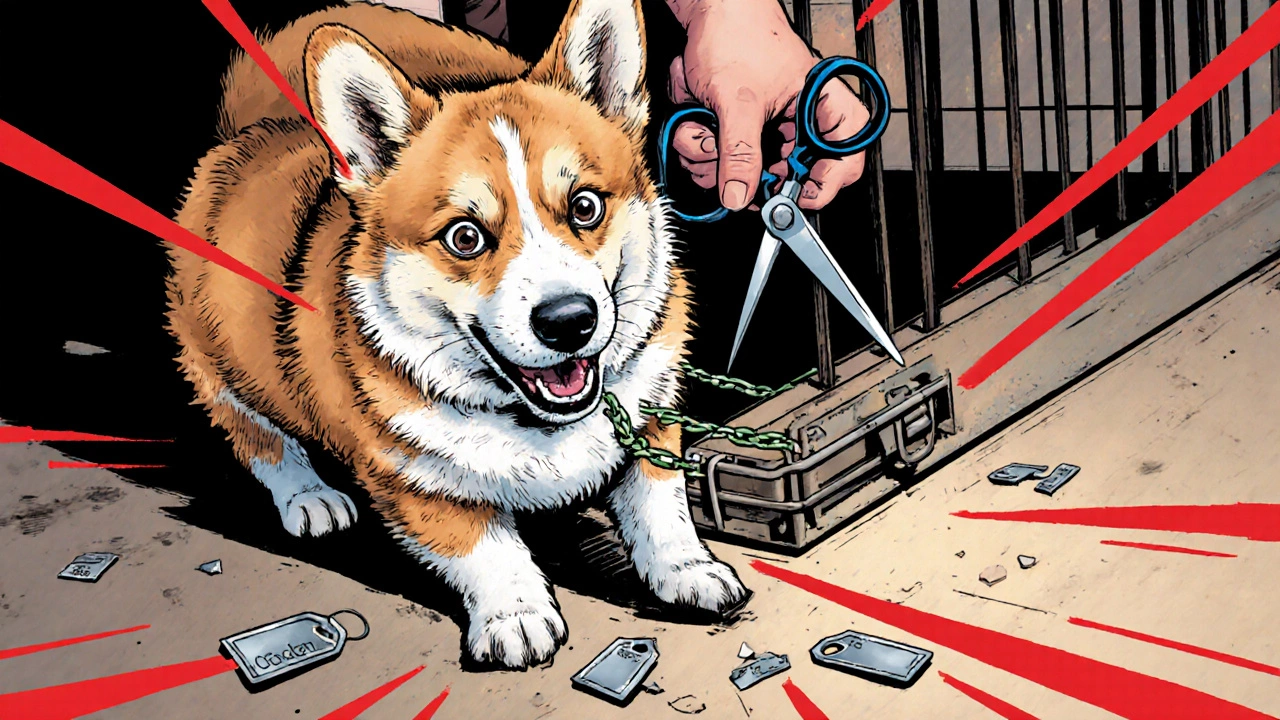
Crates are meant to be safe, quiet spaces for dogs. But a collar can turn that safe space into a trap. The most common risk is entanglement. If your dog moves suddenly-maybe they’re startled by a noise, trying to get comfortable, or just stretching-they can catch the collar on the crate bars, a water bowl, or even their own legs. Once caught, they panic. That panic can lead to choking, neck injuries, or even broken teeth from struggling against the restraint.
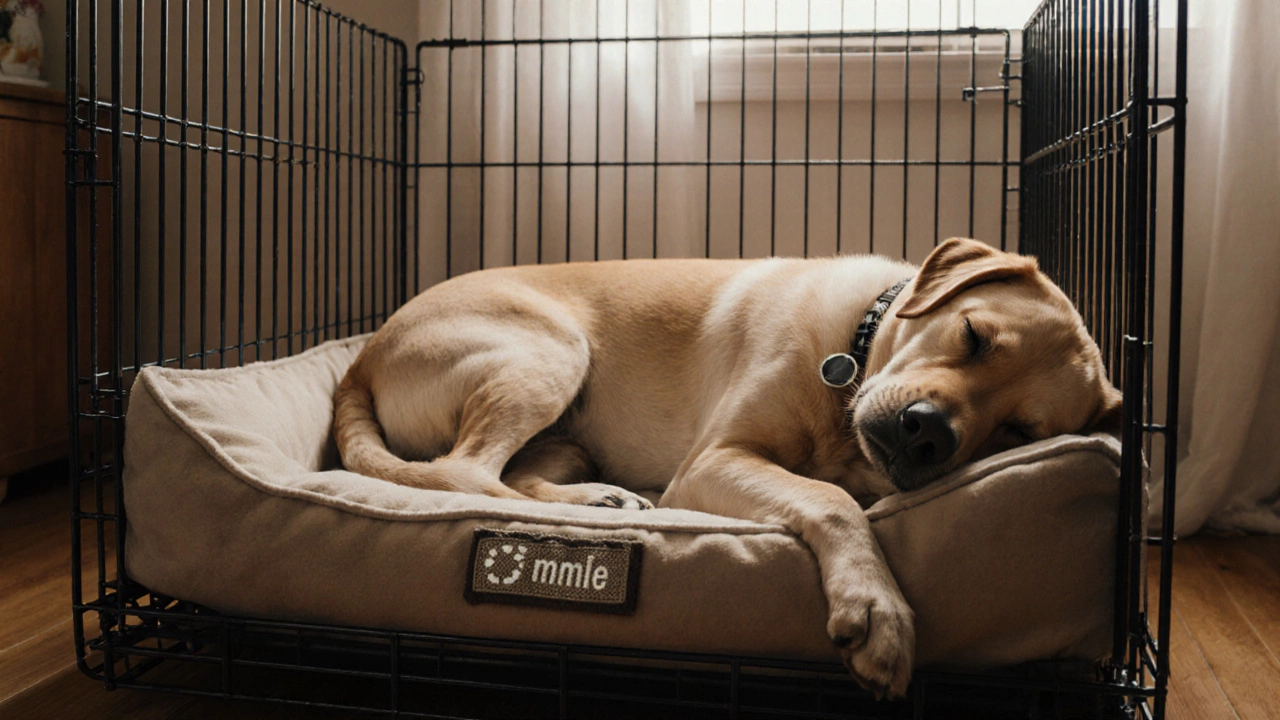
Real cases aren’t rare. In 2023, the New Zealand Veterinary Association reported over 120 cases of collar-related injuries in crated dogs in the past year alone. Most involved flat collars or those with metal tags. One owner in Christchurch described how their Labrador got the collar caught on the crate latch. By the time they found him, he was panting hard, his neck swollen. He needed surgery to repair damaged tissue.
Even if your dog is calm, accidents happen. Dogs don’t think like humans. A collar that’s fine during walks or play can become a hazard in the tight, confined space of a crate. The risk goes up if your dog is a strong puller, has a history of anxiety, or tends to chew on things.
When It’s Okay to Leave a Collar On
There are exceptions. Some dogs wear collars in crates without issue-and it’s not just luck. If your dog has a breakaway collar, and the crate is completely free of sharp edges, hooks, or dangling items, the risk drops significantly. Breakaway collars are designed to snap open under pressure. They’re made with a plastic or fabric clasp that releases if pulled too hard. These are the only collars you should consider leaving on during crate time.
Also, if your dog has a medical condition-like epilepsy or severe separation anxiety-you might need them to have their ID on at all times. In these cases, the risk of injury is outweighed by the risk of them getting lost during a seizure or escape. But even then, you should still use a breakaway collar. Regular buckle or choke collars are never safe in crates.
Another scenario: if you’re using the crate for short-term confinement while you’re home-say, while you’re in the shower or cooking dinner-a breakaway collar might be acceptable. But if your dog is crated overnight or for hours while you’re away, remove the collar.
What About ID Tags?
This is the biggest concern for most owners. You don’t want your dog to get lost without any way to identify them. But tags are the part of the collar that causes the most trouble. Metal tags jingle, catch on things, and add bulk. Even a small tag can snag.
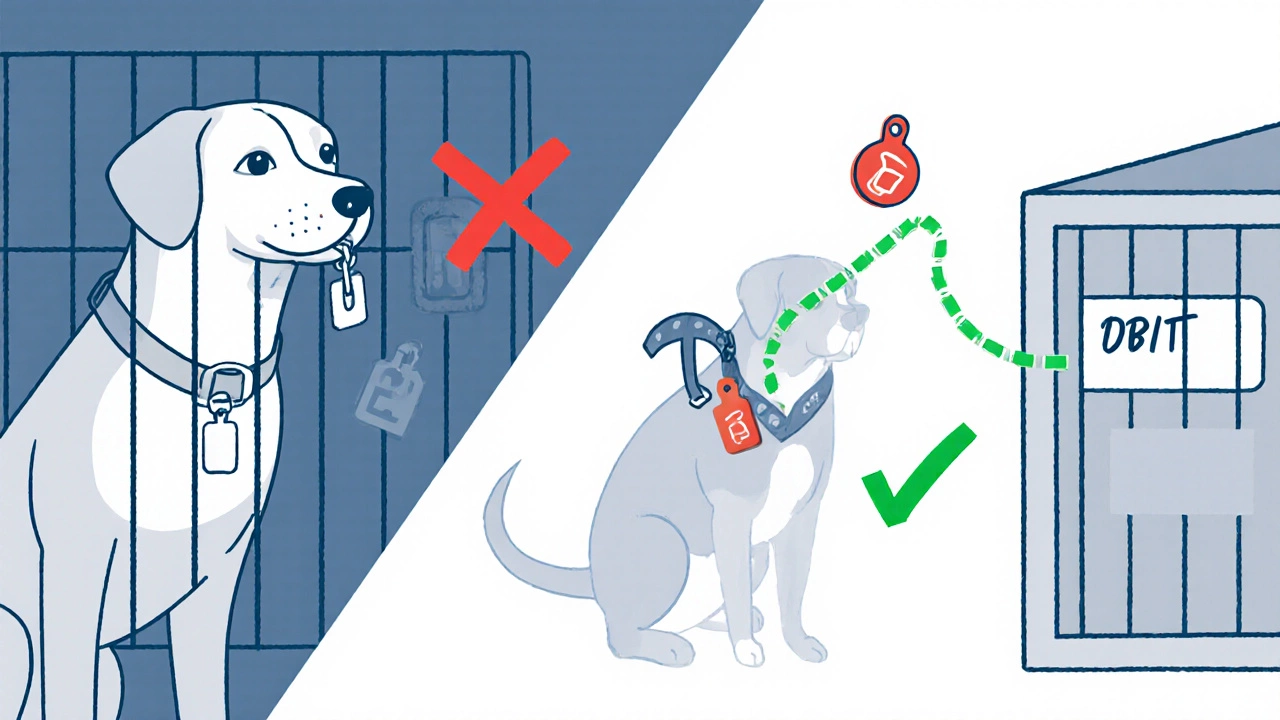
There are better options. Microchipping is the gold standard. In New Zealand, it’s legally required for all dogs over three months old. A microchip is implanted under the skin and holds your contact info. Vets and shelters scan for it. No risk of entanglement. No noise. No choking hazard.
If you still want a visible ID, use a collarless option. Silicone ID tags that clip onto harnesses or sewn-in fabric tags on your dog’s bed or crate mat can work. Or, use a collar with a flat, silent tag made of soft silicone or rubber-no metal rings, no jingle. These are less likely to catch.
What to Use Instead of a Collar in the Crate
If you’re removing the collar, you still need a way to identify your dog. Here’s what works:
- Microchip: The most reliable method. Register it with your current phone number and address. Update it if you move.
- Harness with ID: If your dog wears a harness during walks, leave it on during crate time. Many harnesses have a D-ring for tags, and they’re less likely to get caught than collars.
- Custom crate tag: Tape a small laminated card with your name and number to the outside of the crate. If someone finds your dog outside the crate, they’ll know where they came from.
- Sewn-in name tag: Some pet beds and crate liners come with a pocket for a name tag. Sew one in with your contact info. It’s safe, permanent, and won’t come off.
One Auckland dog owner switched from a collar to a silicone ID tag clipped to her dog’s harness after her Corgi got stuck in his crate. She now says, “I used to feel guilty taking the collar off. Now I feel guilty not having the microchip registered properly.”
How to Choose a Safe Collar (If You Must Use One)
If you decide to leave a collar on, here’s how to make it as safe as possible:
- Only use a breakaway collar. Look for the word “safety” or “breakaway” on the label. Avoid buckle collars, choke chains, prong collars, or any collar with metal hardware.
- Remove all tags. If you must have one, use a flat, rubber ID tag with no ring. Attach it directly to the collar with a sewn-in loop, not a metal ring.
- Check the fit. You should be able to slip two fingers under the collar easily. Too tight = choking risk. Too loose = slipping off and getting caught.
- Use a lightweight material. Nylon or cotton is better than leather or thick webbing.
- Inspect it daily. Frayed straps, loose stitching, or bent hardware = replace it immediately.
Brands like Ruffwear and Kurgo make breakaway collars designed for dogs who spend time in crates. They’re tested for safety under pressure and cost under $20. That’s cheaper than a vet bill.
What to Do If Your Dog Gets Caught
Even with precautions, accidents happen. If you find your dog tangled in their collar:
- Stay calm. Yelling or pulling will make them panic more.
- Try to gently release the collar. If it’s a breakaway, it might pop open on its own.
- If it’s stuck, use scissors to cut the collar away. Don’t try to pull it off over the head.
- Check for signs of injury: swelling, redness, trouble breathing, coughing, or reluctance to move the neck.
- Call your vet-even if your dog seems fine. Internal injuries can take hours to show up.
Keep a pair of small, blunt-tipped scissors in your dog’s emergency kit. It’s a small thing that could save their life.
Bottom Line: Remove the Collar, But Don’t Skip ID
For the vast majority of dogs, the safest choice is to remove the collar before crating. The risk of injury is real, and the reward-keeping your dog’s ID visible-isn’t worth it when better alternatives exist.
Microchipping is non-negotiable. It’s safe, permanent, and legally required in New Zealand. Add a harness ID or crate tag if you want extra visibility. And if you absolutely must use a collar in the crate, make sure it’s a breakaway model with no tags and fits perfectly.
Crates are supposed to be safe havens. Don’t let a collar turn it into a hazard. Your dog doesn’t need a collar in there. They need you to be smart about it.
Can dogs sleep with collars on?
Dogs can sleep with collars on only if the collar is a breakaway type and completely free of tags or hardware. Even then, it’s safer to remove it. Most dogs sleep more peacefully without anything around their neck. If your dog has a medical condition that requires constant ID, use a microchip instead.
What kind of collar is safe for crates?
Only breakaway collars are considered safe for crates. These have a plastic or fabric release mechanism that opens under pressure. Never use buckle collars, choke chains, prong collars, or collars with metal tags or rings. Even breakaway collars should be tag-free in the crate.
Do I need to remove the collar if my dog is calm?
Yes. Even calm dogs can move suddenly in their sleep or get startled by a noise. Collars don’t care if your dog is relaxed-they can still catch on crate bars, toys, or bedding. It’s not about behavior, it’s about physics. Removing the collar eliminates a known risk.
Is microchipping enough for ID?
Yes, microchipping is the most reliable form of ID. It’s permanent, can’t be lost, and is scanned by all vets and animal shelters. In New Zealand, it’s required by law. Just make sure your contact details are up to date in the national registry. Add a crate tag or harness ID if you want extra visibility, but the chip is your primary protection.
What if my dog chews off their collar?
If your dog chews off their collar, it’s a sign they’re stressed, bored, or trying to escape. Don’t replace it with a stronger collar-this could make the problem worse. Instead, address the root cause. Is the crate too small? Are they left alone too long? Do they need more exercise? A chewed collar is a warning sign, not a safety issue to fix with gear.