Dog Food Safety & Switch Advisor
Based on the recent controversies surrounding Purina Beneful, use this tool to evaluate if your dog's current diet needs adjustment. Answer the questions below to get a personalized recommendation.
Recommended Action Plan
It’s the nightmare scenario every dog owner dreads: you’re faithfully buying a trusted brand, feeding your pup what looks like wholesome kibble, and then suddenly, they get sick. Or worse, you hear rumors online that the bag in your pantry might be part of a massive legal battle. If you’ve ever Googled "Purina Beneful lawsuit", you know the anxiety is real. But here’s the twist most headlines miss: there isn’t just one simple lawsuit with a single answer. The story of Beneful is actually a complex web of consumer class actions, regulatory scrutiny, and shifting public perception over more than a decade.
Let’s cut through the noise. Did Purina Beneful poison dogs? Are people suing because of lawsuits or actual harm? And should you throw out your current bag of kibble? We’re going to break down exactly what happened, why the lawsuits started, what the courts decided, and-most importantly-what this means for your dog’s dinner bowl today.
The Origin of the Controversy
To understand the legal mess, you have to look at where it started. Around 2013, social media exploded with videos and posts claiming that Purina Beneful was making dogs violently ill. Owners reported symptoms ranging from vomiting and diarrhea to kidney failure and sudden death. These weren't isolated incidents; thousands of pet owners across the United States posted testimonials online, creating a wave of distrust that traditional advertising couldn't outrun.
At its core, the criticism wasn't just about taste. It was about ingredient quality. Critics pointed to the ingredient list, highlighting components like corn gluten meal, soy flour, and various synthetic additives. Detractors argued these were cheap fillers rather than high-quality protein sources. This sparked a broader conversation about what constitutes "real" dog food versus highly processed commercial kibble. While Purina maintained their products met all nutritional standards set by the Association of American Feed Control Officials (AAFCO), the court of public opinion had already rendered a verdict.
Breaking Down the Class Action Lawsuits
When consumers feel misled, they often turn to the law. Several class-action lawsuits were filed against Nestlé Purina PetCare Company, the parent company behind Beneful. These lawsuits generally fell into two categories: claims of false advertising and claims of product liability due to alleged health harms.
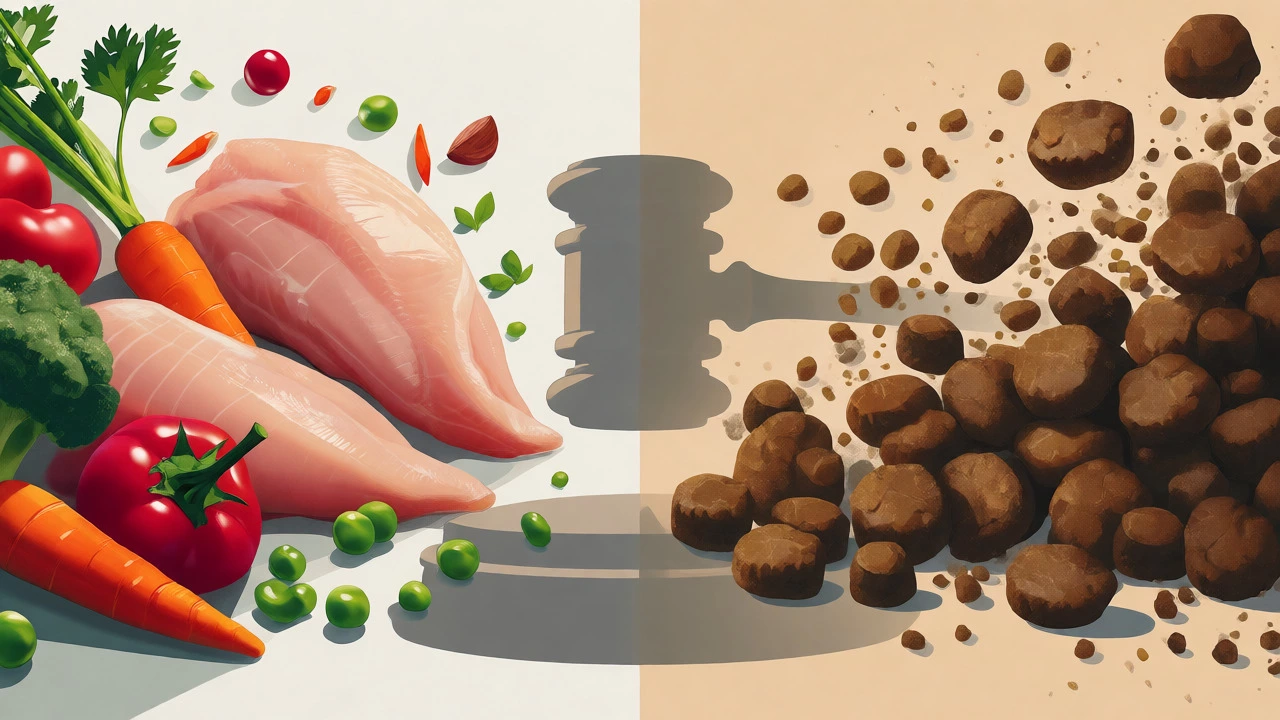
The false advertising suits were particularly interesting. Plaintiffs argued that the packaging used terms like "wholesome," "natural," and images of fresh vegetables to imply a higher quality of ingredients than what was actually inside the bag. They claimed that using terms like "chicken" when the primary protein source was chicken by-product meal was deceptive. Essentially, the argument was: "I paid for premium nutrition, but I got commodity-grade filler."
On the other hand, the health-related lawsuits were harder to prove. Establishing a direct causal link between eating Beneful and specific medical conditions like cancer or organ failure is notoriously difficult in veterinary medicine. Dogs eat many things, have varying genetics, and live different lifestyles. Proving that Beneful specifically caused an individual dog's illness required rigorous scientific evidence, which plaintiffs struggled to provide on a mass scale.
| Allegation Type | Plaintiff Claims | Purina's Response |
|---|---|---|
| False Advertising | Terms like "wholesome" are misleading given the use of fillers. | Labels comply with FDA and AAFCO regulations; terms are standard industry usage. |
| Health Harms | Dogs suffered kidney failure, liver issues, and death after consumption. | No scientific consensus links Beneful to widespread disease; cases were anecdotal. |
| Ingredient Quality | Use of propylene glycol and artificial colors indicates poor quality. | All ingredients are safe for canine consumption in regulated amounts. |
What Did the Courts Actually Decide?
This is the part that surprises most people reading horror stories online. In many of the major class-action suits, Purina didn't necessarily lose on the merits of the health claims. Instead, many cases were settled or dismissed based on procedural grounds or lack of sufficient evidence to certify a class.
For instance, in several instances, judges ruled that the plaintiffs failed to show that all dogs who ate Beneful suffered the same injury, which is a requirement for a class action. Just because some dogs got sick doesn't mean the product was defective for everyone. Furthermore, regarding the labeling disputes, courts often sided with the fact that federal and state laws allow certain terminology. If the FDA says "chicken" can include by-products in certain contexts, then calling it "chicken" isn't necessarily fraud.
However, "settled" doesn't always mean "guilty." Companies often settle lawsuits to avoid the enormous cost of litigation, even if they believe they are right. Some settlements offered refunds or coupons to customers who purchased Beneful during specific timeframes. But crucially, none of these legal outcomes resulted in a government-mandated recall of Beneful due to toxic contamination, which distinguishes it from brands involved in melamine or salmonella scandals.
The Role of Recalls vs. Lawsuits
It’s vital to distinguish between a lawsuit and a recall. A recall happens when a product is found to be unsafe, usually due to bacterial contamination (like Salmonella or Listeria) or foreign objects. Recalls are proactive or reactive measures taken by the manufacturer or mandated by the FDA.
Beneful has had recalls in the past, primarily for potential Salmonella contamination or incorrect labeling of nutrient levels. These are separate events from the lawsuits. When a recall happens, it’s concrete: bacteria were found. When a lawsuit happens, it’s often interpretive: was the marketing deceptive? Were the ingredients healthy enough? Confusing the two leads to unnecessary panic. If your bag of Beneful is not part of a specific lot number listed in a recent recall notice, the legal debates about marketing don't pose an immediate toxicological threat.
Analyzing the Ingredients: Is Beneful Bad?
Let’s look at the food itself, ignoring the lawyers for a moment. Is Beneful objectively bad for dogs? That depends on your definition of "good." Traditional kibble relies heavily on grains. Beneful formulas typically feature corn, wheat, and rice as base ingredients, supplemented with meat meals.
Critics argue that dogs are carnivores and should thrive on meat-heavy diets. Supporters point out that dogs are omnivorous scavengers who can digest starches efficiently. The inclusion of synthetic vitamins ensures the food meets minimum nutritional requirements, but bioavailability-the extent to which your dog absorbs those nutrients-is debated. High-heat processing can degrade some nutrients, requiring heavy fortification.
If you compare Beneful to premium grain-free brands or raw diets, it sits firmly in the budget-to-mid-range category. It provides calories and basic nutrition, but it lacks the high-protein density and minimal processing of higher-end options. For many dogs, this is perfectly fine. For dogs with sensitive stomachs or grain allergies, it might cause the digestive upset that fueled the initial complaints.
Should You Stop Feeding Your Dog Beneful?
So, what do you do now? If your dog has been eating Beneful for years and seems happy, energetic, and healthy, there is no urgent reason to panic. The lawsuits largely centered on marketing deception and anecdotal health reports, not proven toxicity. However, if your dog exhibits signs of gastrointestinal distress, skin issues, or lethargy, it might be worth re-evaluating their diet regardless of the lawsuit status.
Consider switching if:
- Your dog has known grain sensitivities.
- You prefer whole-food ingredients over meat meals and fillers.
- You want to support brands with more transparent sourcing practices.
Transition slowly. Switching dog food abruptly can cause diarrhea and vomiting, which might make you think the new food is bad, when really it’s just a change management issue. Mix 25% new food with 75% old food for three days, then adjust gradually over a week.
Beyond Beneful: How to Choose Safer Dog Food
The Beneful saga taught us that trust in big pet food corporations is fragile. To avoid future headaches, become a savvy label reader. Look for named animal proteins (e.g., "deboned chicken" instead of "poultry by-product meal") as the first ingredient. Avoid excessive artificial colors and preservatives like BHA/BHT if possible.
Check for third-party testing certifications. Brands that undergo voluntary audits by organizations like the National Animal Supplement Council (NASC) often have stricter quality controls. Also, keep an eye on FDA recall lists. Signing up for alerts can save you from accidentally feeding contaminated batches.
Did Purina Beneful actually kill dogs?
There is no definitive scientific proof that Beneful killed dogs en masse. While many owners reported deaths, these were often anecdotal. Veterinary studies did not establish a direct causal link between Beneful consumption and widespread fatal illnesses like kidney failure. Most legal claims regarding death were either settled without admission of guilt or dismissed due to lack of class-wide evidence.
Is Purina Beneful being recalled right now?
Recalls are event-specific. As of late 2026, you should check the official FDA website or Purina's recall page for the most current information. Past recalls were mostly for potential Salmonella contamination or labeling errors, not the lawsuits themselves. Always check the lot number on your bag.
Why did people sue Purina Beneful?
People sued primarily for two reasons: false advertising (claiming the packaging misled them about ingredient quality) and product liability (alleging the food made their dogs sick). The false advertising suits focused on terms like "wholesome" and the presence of fillers, while liability suits cited health issues.
Is Beneful safe for puppies?
Beneful offers specific puppy formulas that meet AAFCO nutritional profiles for growth. Safety-wise, it is considered safe for puppies unless they have specific allergies or sensitivities to grains or certain proteins. However, many breeders recommend higher-protein, lower-filler options for optimal development.
Who owns Purina?
Purina is owned by Nestlé, a Swiss multinational food and drink processing conglomerate corporation. This corporate structure means that decisions about pricing, manufacturing, and marketing are influenced by global business strategies, which sometimes contributes to consumer skepticism about quality control.