Puppy Potty & Schedule Estimator
Enter your puppy's age to see the estimated potty window and feeding recommendations.
Daily Recommendations
- Feeding: --
- Focus: --
💡 Quick Pro Tips:
Consistency is Key: Take your pup out first thing in the morning, after every nap, after meals, and right before bed.
The Rule: A puppy can generally hold their bladder for 1 hour for every month of age.
Quick Guide for New Owners
- Food: High-quality puppy kibble fed 3-4 times a day.
- Sleep: Use a crate or a designated safe zone to prevent midnight accidents.
- Health: Immediate vet visit for a wellness check and vaccination schedule.
- Training: Focus on potty training and "name recognition" first.
- Socialization: Gradual exposure to new sounds, people, and other dogs.
Setting Up Your Puppy's Safe Space
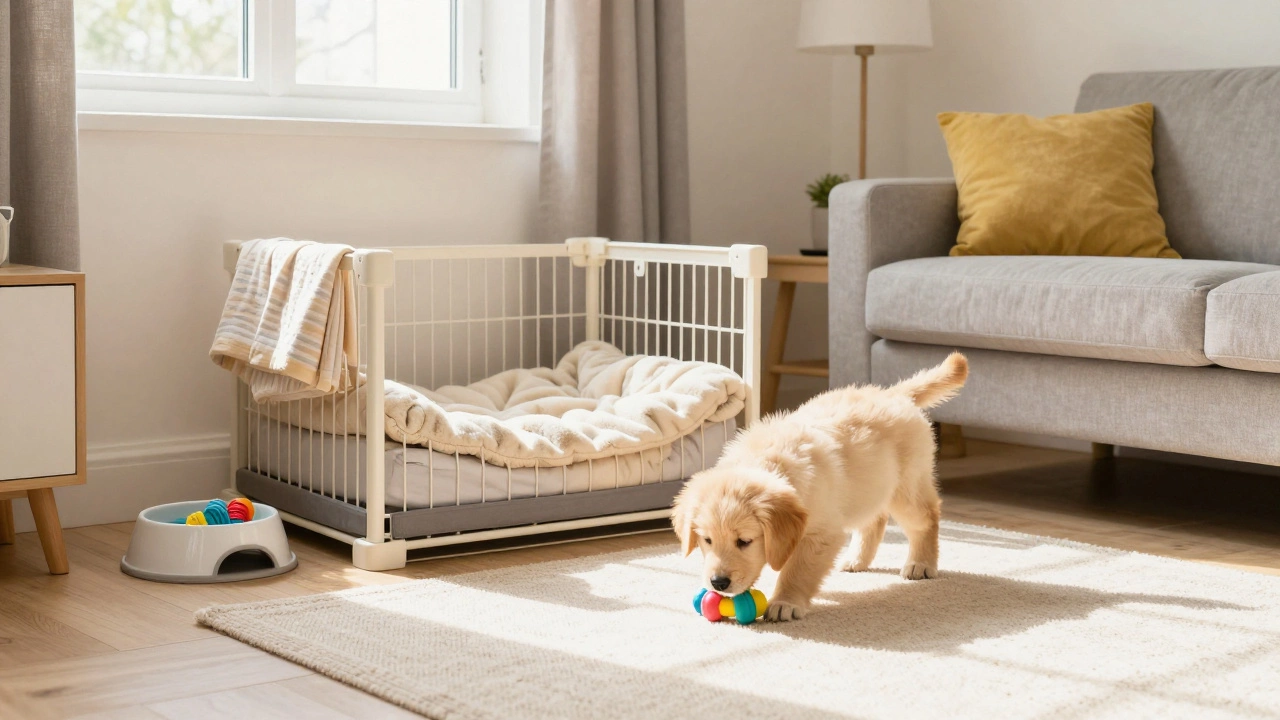
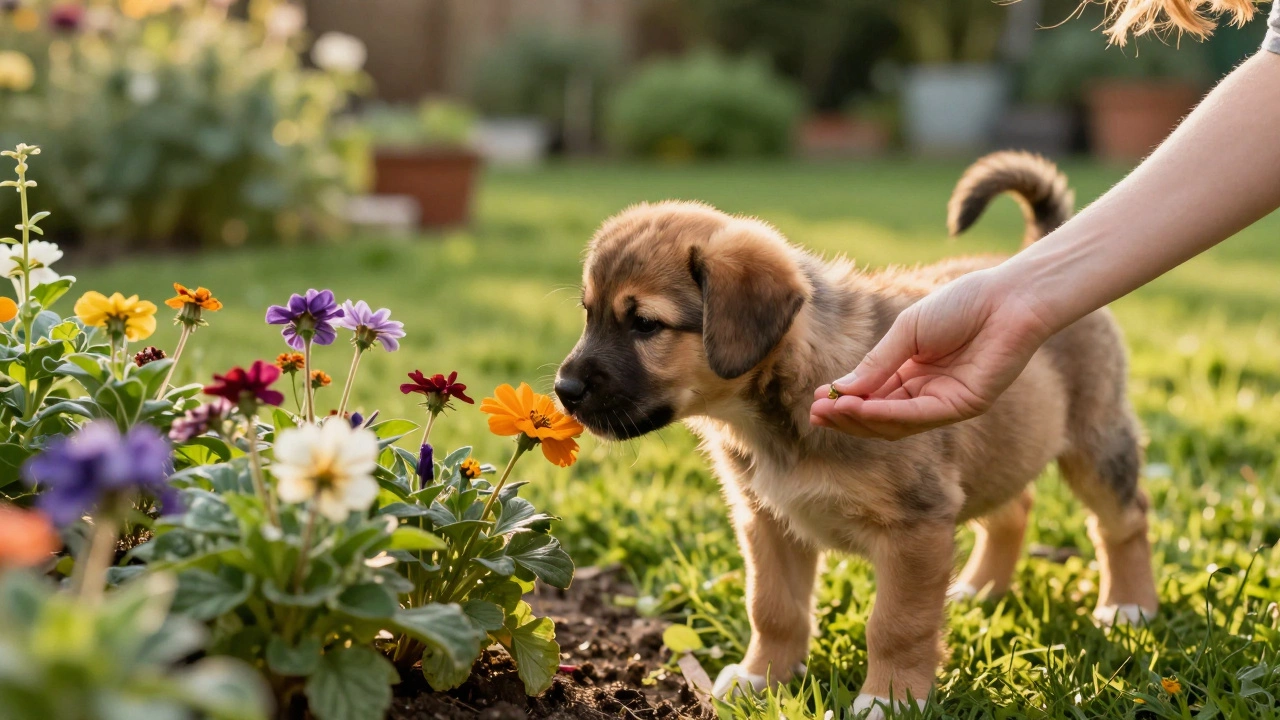
Before the puppy even crosses your threshold, you need to think about their environment. Imagine you're a tiny explorer who can't reach anything higher than six inches off the ground. That's where your puppy lives. You'll want to remove poisonous plants, hide electrical cords, and put away any small objects they could swallow.
One of the most debated tools in Crate Training is the practice of using a sized-appropriate kennel to provide a dog with a secure den-like space. It isn't about punishment; it's about giving them a place where they feel safe. Puppies have a natural instinct to keep their sleeping area clean, so a crate helps immensely with housebreaking. Make sure the crate is only slightly larger than the pup-if it's too big, they might use one corner as a bathroom and the other as a bed.
You'll also need a "puppy proofed" zone. This could be a playpen or a gated-off area of the kitchen. In this space, provide a water bowl, a soft bed, and a few variety-specific toys. Avoid giving them everything at once; rotating toys every few days keeps them interested and prevents boredom-induced chewing.
Feeding and Nutrition Basics
Puppies aren't just small dogs; they have completely different nutritional needs. They need more calories, protein, and specific minerals like calcium and phosphorus for bone growth. Feeding them adult dog food can lead to developmental issues or stunted growth.
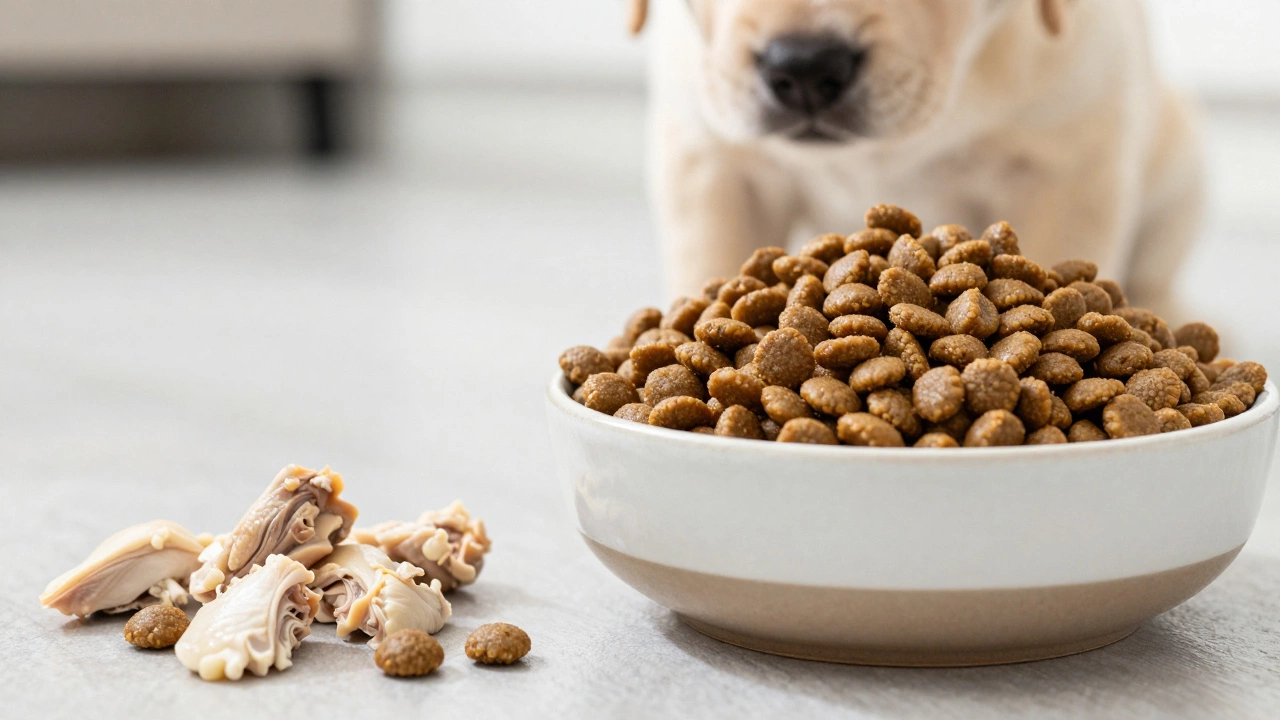
Look for Puppy Food that is specifically formulated for growth, often labeled as 'Puppy' or 'All Life Stages'. While some people prefer wet food, a high-quality dry kibble is usually better for dental health. If you're using dry food, you can soften it with a bit of warm water or goat's milk for the first week to make the transition easier on their stomach.
| Age | Frequency | Focus |
|---|---|---|
| 8-12 Weeks | 4 meals per day | Small, frequent meals to prevent blood sugar drops. |
| 3-6 Months | 3 meals per day | High protein for rapid muscle and bone growth. |
| 6 Months+ | 2 meals per day | Gradual transition toward adult portions. |
Avoid "human treats" like grapes, onions, or chocolate, which are toxic. If you want to reward them, use tiny pieces of plain boiled chicken or specific puppy training treats. Be careful not to overfeed; while a chunky puppy is cute, obesity in early life puts massive strain on their developing joints.
The Health Roadmap: Vet Visits and Vaccines
Your first trip to the vet should happen within the first 48 to 72 hours of bringing your pup home. This isn't just for shots; it's a baseline health check to ensure there are no congenital issues or hidden parasites like roundworms or hookworms, which are common in litters.
The most critical part of early health is Puppy Vaccination, which is a series of shots given to protect dogs from deadly diseases like Parvovirus and Distemper. You'll typically see a schedule that starts at 6-8 weeks and continues every 3-4 weeks until they are around 16 weeks old. Until your pup has completed the full series of shots, avoid taking them to dog parks or public areas where unknown dogs congregate. Parvo is incredibly resilient and can live in the soil for months.
Don't forget about parasite prevention. Fleas and ticks are a nightmare for puppies because their immune systems aren't fully developed. Talk to your vet about a monthly preventative that is safe for their specific weight and age. Also, ask about heartworm prevention, especially if you live in an area where mosquitoes are common.
Potty Training and Housebreaking
This is usually the most stressful part for beginners. The secret to puppy care and housebreaking is consistency and timing. A puppy's bladder is tiny; they literally cannot hold it for long. As a general rule of thumb, a puppy can hold their bladder for one hour for every month of age (e.g., a 2-month-old can go about 2 hours).
- Establish a Schedule: Take them out first thing in the morning, after every nap, after every meal, and right before bed.
- Use a Cue Word: As you set them in their spot, say "go potty." Eventually, they will associate the word with the action.
- Reward the Win: When they go in the right spot, throw a party. Give them a treat and a lot of praise immediately.
- Ignore the Accidents: If you find a puddle, don't yell or rub their nose in it. They won't understand why you're angry; they'll just learn to be afraid of you. Just clean it up with an enzymatic cleaner to remove the scent.
If you're working a 9-to-5 job, you'll need help. Whether it's a dog walker or a friend, someone needs to let the puppy out every 3-4 hours during the day. If you rely solely on puppy pads, be aware that some dogs struggle to transition from pads to grass later in life.
Socialization and Behavioral Development
There is a critical window for Puppy Socialization, which is the process of exposing a dog to new people, animals, and environments in a positive way, typically between 3 and 16 weeks. If you miss this window, your dog is more likely to be fearful or reactive as an adult.
Socialization doesn't mean "meet every dog on the street." It means controlled exposure. Let them hear the vacuum cleaner, see a person wearing a hat, or feel the texture of a wet sidewalk. When they encounter something new, give them a treat. You're essentially teaching them that "New Things = Good Stuff."
This is also the time to introduce Dog Training basics. Start with "Sit," "Stay," and "Come." Use positive reinforcement-meaning rewards for good behavior rather than punishments for bad behavior. If they chew a chair leg, don't just say "no"; give them a chew toy and praise them when they chew that instead. This tells them what they *should* do, rather than just what they shouldn't.
Grooming and Hygiene
Most beginners wait until their dog is older to start grooming, but that's a mistake. If you wait until they're a year old to brush their teeth or clip their nails, they will fight you every time. You need to "desensitize" them to being touched.
Start by gently touching their paws, opening their mouth to look at their teeth, and brushing their fur for a few minutes every day. Give them a treat during the process. This makes the groomer's job much easier and prevents stress during vet visits.
Regarding baths, don't overdo it. Bathing a puppy too often can strip the natural oils from their skin. Once every few weeks is usually enough unless they've rolled in something disgusting. Use a shampoo specifically formulated for dogs, as human shampoo has the wrong pH balance and can irritate their skin.
How many hours can a puppy be left alone?
Generally, a puppy can be left alone for 2 to 4 hours depending on their age. An 8-week-old puppy may only last 2 hours, while a 4-month-old might handle 4 hours. If you're gone longer, you'll need a pet sitter or a dog walker to prevent accidents and loneliness.
What do I do if my puppy keeps biting?
Puppies explore the world with their mouths, and teething can make them "land sharks." When they bite, make a high-pitched "Ouch!" sound and immediately offer a chew toy. If they don't stop, calmly walk away for 30 seconds. This teaches them that biting ends the play session.
When can I take my puppy to the dog park?
Wait until your puppy has completed all their primary vaccinations, usually around 16 weeks. Public dog parks are high-traffic areas where viruses like Parvovirus can linger. Until then, stick to private yards or playdates with healthy, vaccinated adult dogs.
Is it okay to feed puppies treats?
Yes, but in moderation. Treats should not make up more than 10% of their daily caloric intake. Use tiny, low-calorie treats for training to avoid obesity and to ensure they still eat their nutrient-dense puppy food.
How do I stop my puppy from crying in the crate?
Crying is normal; it's how they tell you they're lonely. The key is not to let them out while they are screaming, as this rewards the behavior. Wait for a few seconds of silence, then open the door. You can also put a worn t-shirt of yours in the crate so they can smell you.
Next Steps for Your Puppy's Growth
As your puppy moves past the first few months, their needs will shift. Around six months, many dogs hit a "rebellious" phase where they might ignore commands they previously knew. This is normal. Stay consistent with your training and don't give up.
If you're struggling with specific behavioral issues like separation anxiety or extreme chewing, consider hiring a certified professional dog trainer. Early intervention is far more effective than trying to fix a deep-rooted habit when the dog is two years old. Keep a log of their vaccination dates and weight gain to share with your vet during your six-month check-up. Your puppy's early experiences are the blueprint for the rest of their life-keep it positive, keep it structured, and enjoy the ride.