Rover Earnings & Payout Calculator
Enter your booking details to see exactly how much you keep and when you'll get paid.
Net Earnings Breakdown
Immediately upon confirmation
Calculating...
Calculating...
Fill out the form to see your estimated payout schedule.
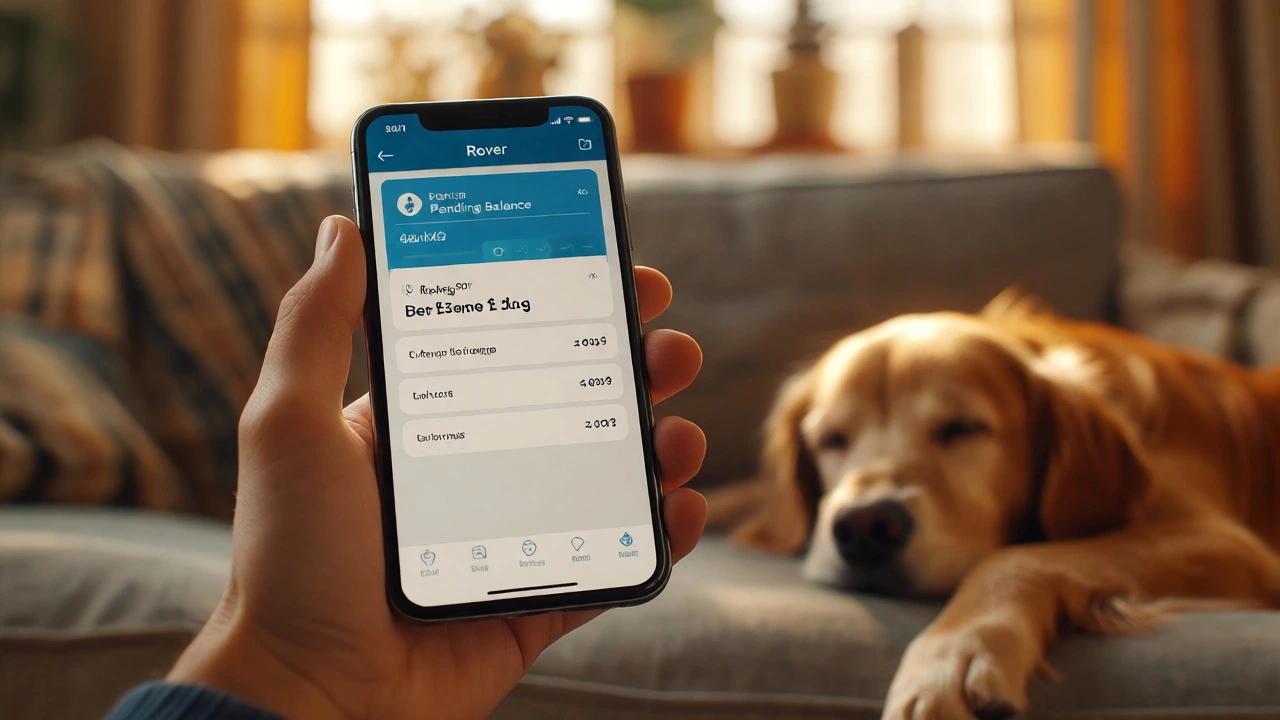
You just finished a three-day house sit for a Golden Retriever named Barnaby. He ate his food, slept on your couch, and didn’t chew the furniture. Great job. Now you check your bank account. It’s empty. You open the Rover app, and there it is: a pending balance that looks like real money, but isn’t quite yours yet. This confusion trips up almost every new dog walker. Unlike a traditional job where you get a paycheck on Friday, Rover operates on a gig-economy model with its own rules. If you’re wondering when that cash actually hits your checking account, you need to understand the two-step process of how Rover pays you.
The Two-Step Payment Process
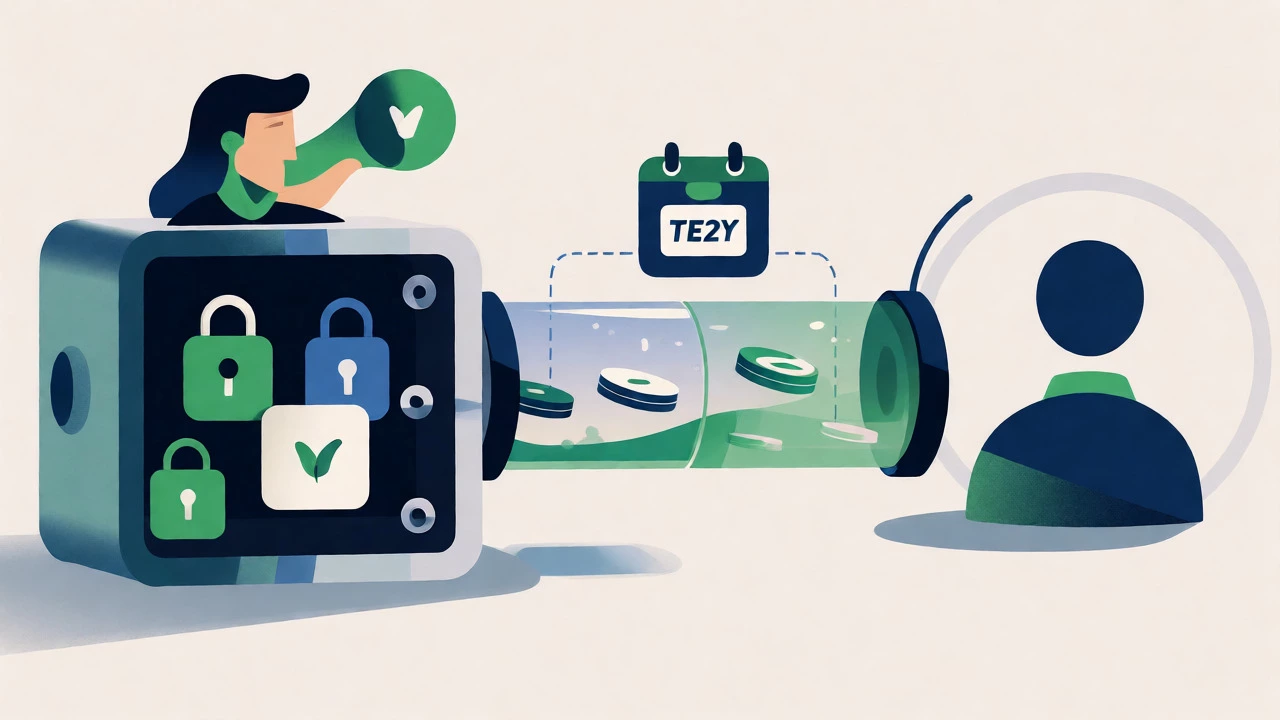
Rover doesn’t pay you directly from their company funds in real-time. Instead, they act as the middleman between the client (the dog owner) and you, the service provider. The money flows in a specific sequence that protects both parties. First, the client pays Rover when they book the service. That money sits in escrow. Second, after the service is complete and approved, Rover releases those funds to you. But here is the catch: they don’t send it straight to your bank. They send it to your Rover Wallet.
Your Rover Wallet is essentially an internal holding account within the app. Think of it like a digital piggy bank. You can see your earnings accumulate here immediately after a walk or stay ends. However, having money in your Wallet does not mean you have access to it in your actual bank account. You must explicitly request a transfer. This distinction causes most of the anxiety for new users. They see "$150 available" and think it’s theirs. In reality, it’s just ready to be moved. Understanding this separation is the first step to managing your finances as a professional pet sitter.
When Can You Withdraw Your Money?
Once the service is marked as complete by the client, the funds move from "Pending" to "Available" in your Wallet. For most services, this happens automatically 24 hours after the scheduled end time, provided the client hasn’t raised any disputes. If you did a drop-in visit, the clock starts ticking once the client confirms the visit was completed via the app. For overnight stays, the confirmation usually comes at the end of the final day.
Here is the critical timeline rule: Rover allows withdrawals only once per week. This is a hard limit for standard accounts. You cannot withdraw daily, even if you worked five days straight. You have to wait for your designated withdrawal day. When you sign up, you choose which day of the week works best for you-Monday through Sunday. Once chosen, you are locked into that cycle unless you contact support to change it, which can take time. So, if you pick Tuesday, you can only initiate a transfer on Tuesdays. Any money earned on Wednesday, Thursday, or Friday has to wait until the next Tuesday.
How Long Does the Transfer Take?
So, you hit the "Withdraw" button on Tuesday. How long until the money is in your hands? This depends entirely on your location and the banking infrastructure in your country. Since I am based in Auckland, New Zealand, I will use that as a baseline, but these timelines apply broadly to major English-speaking markets like the US, UK, Canada, and Australia.
For bank transfers via Stripe Connect, which is Rover’s primary payment processor, the typical timeframe is 3 to 5 business days. Let’s break that down. If you request a withdrawal on Tuesday morning, Stripe processes it. By Wednesday or Thursday, it leaves Rover’s system. By Monday of the following week, it should land in your bank account. Weekends do not count as business days. If you request a withdrawal on a Friday, the processing might start on Monday, meaning you won’t see the cash until late next week.
Many users ask about faster options. Rover offers an instant payout feature in some regions, but it often comes with a fee. In the US, for example, instant payouts might cost around $0.25 to $2.00 depending on the amount. In New Zealand and Australia, instant options are less common or unavailable, so you rely on the standard 3-5 day window. Plan your expenses accordingly. Do not spend money you see in the Rover Wallet before it clears your bank.
| Stage | Action Required | Timeframe | Status |
|---|---|---|---|
| Service Completion | Client confirms service | Immediate to 24 hrs | Funds become "Available" in Wallet |
| Withdrawal Request | User clicks "Withdraw" | Once per week (chosen day) | Funds leave Rover Wallet |
| Bank Processing | None (Automatic) | 3-5 Business Days | Funds arrive in Bank Account |
| Total Wait Time | N/A | Up to 10 Days | From service end to cash in hand |
Fees That Eat Into Your Earnings
Before you calculate your hourly rate, you need to subtract Rover’s cut. Rover charges a service fee to cover marketing, insurance, and platform maintenance. For most individual walkers and sitters, this fee is 20% of the total booking price. Yes, twenty percent. If you charge $20 for a 30-minute walk, Rover keeps $4, and you keep $16. If you charge $50 for an overnight stay, Rover takes $10, leaving you with $40.
There is also a small processing fee for credit card transactions, typically around 3%, which is sometimes passed on to the client, but often absorbed by the platform or deducted from the gross amount. Always look at your "Net Earnings" figure in the app, not the "Gross Price." Additionally, if you opt for instant payouts, remember those transaction fees add up. If you make ten $10 withdrawals instantly, you could lose several dollars in fees alone. Sticking to weekly standard transfers is the most cost-effective strategy for most part-time walkers.
Taxes and Record Keeping
This is the part nobody likes to talk about, but it matters. Rover payments are considered self-employment income. In New Zealand, this means you are responsible for declaring this income to the Inland Revenue Department (IRD). In the US, you will receive a 1099-K form if you earn over certain thresholds ($5,000 and 200 transactions as of recent IRS updates, though this threshold fluctuates). In the UK, you report it as self-assessment income.
Rover provides a tax summary tool in your dashboard. Use it. Every January, download your annual statement. It lists every payout, every fee deducted, and your total gross revenue. Keep this document safe. You can deduct legitimate business expenses against your income. These include mileage driven to client homes, treats bought for dogs, waste bags, and a portion of your phone bill used for the Rover app. Tracking these costs reduces your taxable income significantly. If you earn $5,000 a year walking dogs, but spent $500 on gas and supplies, you only pay tax on $4,500.

Troubleshooting Common Payment Issues
Sometimes, things go wrong. Here are the most frequent reasons your money might be stuck:
- Identity Verification Pending: If you are new, Rover may hold your first payout until they verify your identity and bank details. Ensure your name on your bank account matches your Rover profile exactly.
- Client Dispute: If a client claims the service wasn’t performed correctly, Rover holds the funds while they investigate. This can delay payment by weeks. Good communication and photo updates during walks prevent this.
- Incorrect Bank Details: A typo in your account number or routing code can cause a failed transfer. The money bounces back to your Wallet, and you have to restart the process. Double-check your settings before your first withdrawal.
- Holiday Delays: Banking holidays slow down Stripe processing. If you withdraw during Christmas or Easter, expect longer wait times.
If your money is missing for more than 7 business days after withdrawal, contact Rover Support. Have your booking ID and withdrawal date ready. They are generally responsive, but response times vary by region.
Maximizing Your Net Income
To make working with Rover worthwhile, you need to optimize your rates. Don’t undercut yourself just to get reviews. Start slightly higher than the average in your area. In Auckland, for example, competitive rates for a 30-minute walk range from NZD $25 to $35. If you charge $20, you might get more bookings, but after the 20% fee and taxes, your net hourly wage drops significantly. Calculate your minimum viable rate. Factor in travel time. Driving 20 minutes to a client’s house for a 30-minute walk eats into your profit margin. Try to cluster clients geographically. Doing three walks in one neighborhood beats doing one walk across town.
Also, consider offering premium services. Overnight stays and multi-dog walks command higher prices. A single overnight stay might pay as much as four separate walks but requires less driving time. Balance your schedule to maximize high-margin services. And always encourage repeat clients. Repeat bookings often come with lower customer acquisition costs because you don’t have to compete for them in the search results as aggressively.
Frequently Asked Questions
Does Rover pay me immediately after a walk?
No. After a walk is completed and confirmed by the client, the funds appear in your Rover Wallet. You must manually request a withdrawal on your chosen weekly payout day. Then, it takes 3-5 business days for the bank transfer to complete.
Can I withdraw money from Rover every day?
Standard accounts are limited to one withdrawal per week. You select a specific day (e.g., Tuesday) when you set up your account. You cannot change this frequently without contacting support. Instant payout options exist in some regions for a fee, allowing same-day transfers.
What percentage does Rover take from my earnings?
Rover typically charges a 20% service fee on each booking. This covers platform usage, insurance, and customer support. There may also be minor payment processing fees. Your net earnings displayed in the app reflect this deduction.
Do I need to pay taxes on Rover income?
Yes. Rover payments are treated as self-employment income. You are responsible for reporting this to your local tax authority (like the IRD in NZ or IRS in the US). Keep records of your earnings and deductible expenses such as mileage and supplies.
Why is my Rover withdrawal taking so long?
Common delays include bank processing times (3-5 business days), weekends/holidays, incorrect bank details, or pending identity verification. If it exceeds 7 business days, check your bank details and contact Rover support with your booking ID.