Dog Walking Rate Calculator
Quick Pricing Guide
- Beginners: $15-$25 per walk (depending on city size).
- Experienced/Certified: $25-$40 per walk.
- Specialized Care: $40+ (aggressive dogs, medical needs, or puppy training).
- Key Factors: Location, dog temperament, walk duration, and travel distance.
Before you set your price, you need to understand what you are actually selling. You aren't just selling a walk; you're selling peace of mind. When a client hires a dog walker is a professional service provider who ensures dogs get necessary exercise, bathroom breaks, and mental stimulation while owners are away, they are paying for reliability. If you're just a teenager helping a neighbor, $10 might work. But if you're running this as a business, you have to account for things like Liability Insurance, which protects you if a dog gets hurt or causes damage. Without insurance, one accident can wipe out every cent you've earned in a year.
Calculating Your Base Rate
To find your starting point, stop thinking about a flat fee and start thinking about your hourly goal. If you want to make $20 an hour after taxes and expenses, you can't just charge $20 per walk. You have to factor in the 'unpaid' time: driving to the client's house, greeting the dog, cleaning paws, and messaging the owner with updates. A 30-minute walk usually takes about 60 minutes of your actual time.
Look at your local market. In a small town, a $20 walk is a premium service. In a city like New York or London, that's a bargain. Check apps like Rover or Wag! to see what others in your zip code are charging. These platforms act as a baseline, but remember that they take a significant cut of the payment. If you're working independently, you can either undercut the agencies to attract clients or charge more by offering a more personalized, high-end experience.
| Experience Level | Price (30 Min) | Price (60 Min) | Target Client |
|---|---|---|---|
| Casual/Student | $12-$18 | $20-$30 | Neighbors, friends |
| Experienced Independent | $20-$30 | $35-$50 | Busy professionals |
| Certified Professional | $30-$45 | $50-$75 | High-net-worth, high-needs pets |
Adding Surcharges for Extra Work
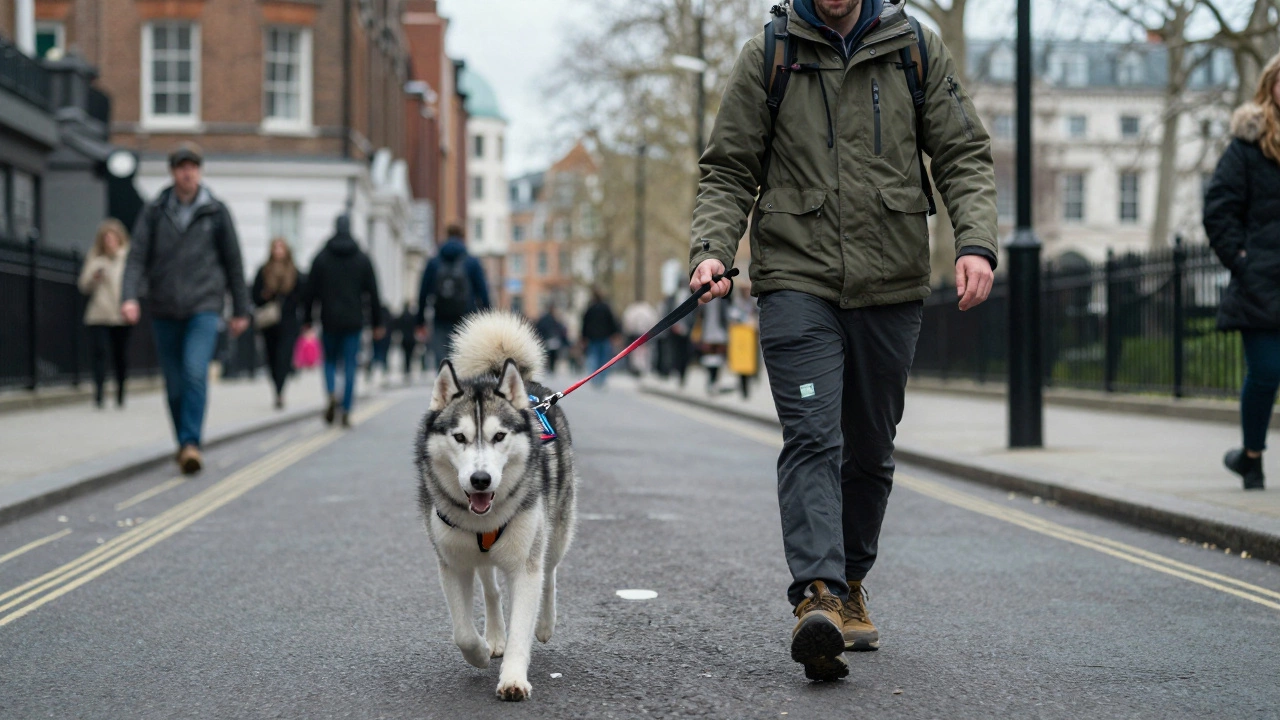
Not all dogs are created equal. Walking a sleepy Golden Retriever is a breeze; walking a reactive Husky that tries to fight every squirrel in a three-block radius is a workout and a stress test. You should charge a premium for "challenging" dogs. This isn't about punishing the owner, but about compensating you for the extra mental energy and risk involved. If a dog requires Positive Reinforcement Training techniques just to get down the street, that's a specialized skill.
Think about these common add-ons that should increase your price:
- Multiple Dogs: Don't double your price, but add a significant bump (e.g., +50% for a second dog from the same house).
- Puppy Care: Puppies are chaotic. They need more frequent bathroom breaks and constant supervision. Charge a 'puppy premium.'
- Holiday/Weekend Rates: Christmas, New Year's, and long weekends are peak demand times. Increasing your rate by $5-$10 per walk during these periods is standard industry practice.
- Medication Administration: If you have to give a pill or an injection, you are moving from 'walker' to 'caregiver.' This requires a higher fee.
The Hidden Costs of Dog Walking
If you charge $20 per walk and spend 20 minutes driving, you're losing money. Fuel, wear and tear on your car, and the time spent commuting are all overhead. To combat this, many successful walkers implement a 'service area.' If a client is outside your primary zone, add a travel fee. A simple $5 surcharge for any location more than 10 minutes away can save your profit margins.
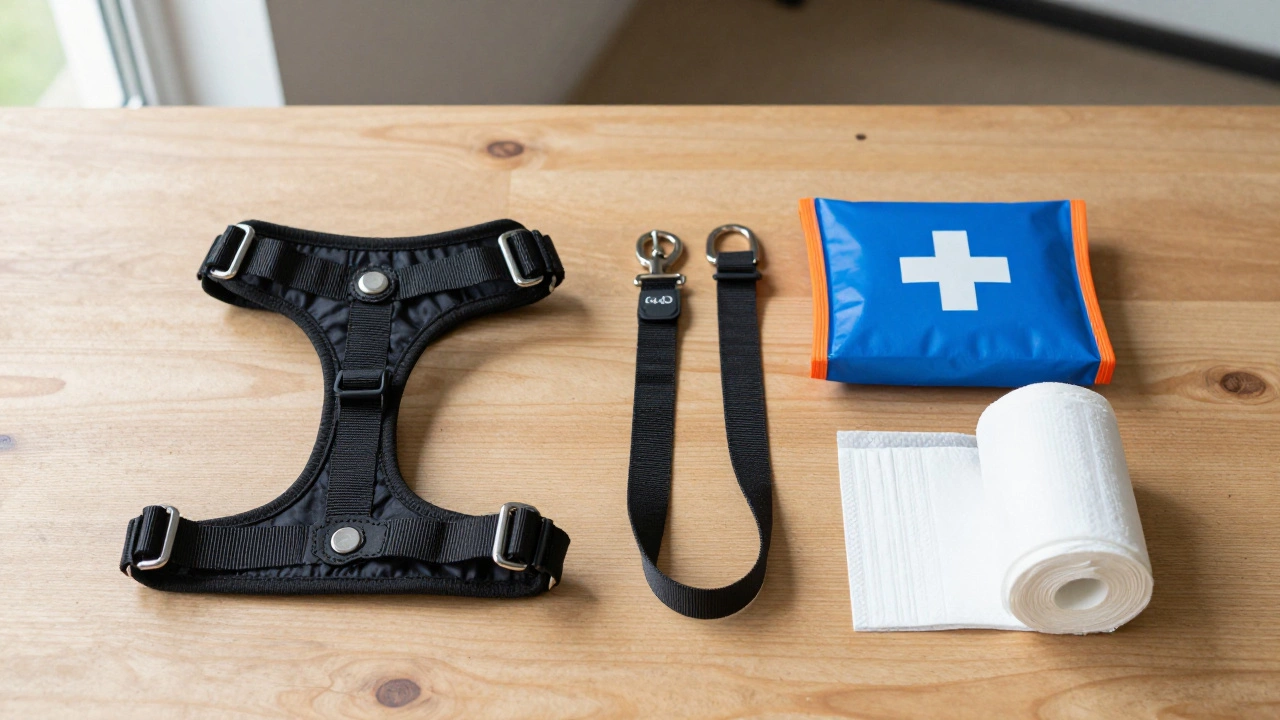
Then there's the gear. You'll need a sturdy Harness or a slip lead for dogs that don't have reliable collars, high-quality poop bags, and perhaps a first-aid kit. If you provide the equipment, that cost is baked into your rate. If you expect the owner to provide everything, you're saving money, but you're also risking a walk being cancelled because the owner lost the leash.
Structuring Your Pricing Packages
Charging per walk is fine for the occasional gig, but it's not a sustainable business model. You want recurring revenue. Instead of a one-off fee, offer weekly or monthly packages. This guarantees your income and gives the owner a slight discount for committing to a schedule.
For example, instead of $25 per walk, offer a "Five-Day Work Week" package for $110. The client feels they're getting a deal ($22/walk), and you have a guaranteed $110 coming in every week. This reduces the time you spend on administrative tasks like invoicing and scheduling. You can also offer a 'Subscription' model where they pay a monthly retainer for a set number of walks, which further stabilizes your cash flow.
How to Handle Price Increases
The hardest part of running a dog walking business is telling a long-term client that your prices are going up. You've probably bonded with their dog, and you don't want to seem greedy. However, inflation and your own growing expertise mean your old rates will eventually become unsustainable.
The key is transparency and notice. Don't spring a price hike on them the day of the walk. Give them 30 days' notice via email or text. Explain that as your business has grown and your experience with Canine Behavior has increased, you've adjusted your rates to reflect the quality of care provided. Most clients who value your service will understand. Those who fight over a $2 increase are often the same clients who demand the most unpaid extra work.
Should I charge more for large dogs than small dogs?
Generally, no. The size of the dog doesn't change the amount of time you spend walking. However, if a large dog is difficult to handle or requires more physical effort to control, that falls under 'challenging' dogs and warrants a higher fee based on temperament, not weight.
What is a fair price for a 15-minute 'potty break' walk?
Potty breaks should not be half the price of a 30-minute walk. You still have to drive to the house, enter, and leave. A common rule of thumb is to charge 60-70% of your 30-minute rate for a quick visit. If a 30-minute walk is $20, a potty break should be at least $12-$15.
Do I need a license to charge for dog walking?
In many regions, you don't need a specific license to walk dogs, but you do need a general business license for your city. More importantly, you should have professional liability insurance. This is what separates a 'hobbyist' from a 'professional' and allows you to justify higher rates.
How do I handle cancellations?
Implement a 24-hour cancellation policy. If a client cancels with less than 24 hours' notice, you should still charge a percentage (or the full amount) of the walk. Your time is your inventory; if you've blocked out an hour for a dog, you can't easily fill that slot last minute.
Is it okay to walk multiple dogs from different households at once?
Yes, this is a great way to increase your hourly earnings. However, you must have explicit permission from all owners. Because this increases the risk of dog fights or accidents, you should ensure your insurance covers group walks and that you have a proven track record with each dog's social skills.
Next Steps for Your Business
If you're just starting out, don't worry about having a perfect pricing sheet. Start with a few "beta" clients-friends or neighbors-to get a feel for how long the walks actually take and how much prep work is involved. Once you have a rhythm, formalize your rates in a simple PDF or a website page.
For those already walking dogs, audit your current clients. Are you spending 40 minutes of driving for a $15 walk? If so, you're losing money. Either raise the rate for that specific client or ask them to move to a different time slot that aligns with another walk in the same neighborhood. Efficiency is the only way to make a dog walking business truly profitable.