Emergency Cat Food Calculator
Daily Emergency Ration
Total cooked meat per day
Split into 2 meals (approx 1.0 oz each)
Safe Food Options & Portions
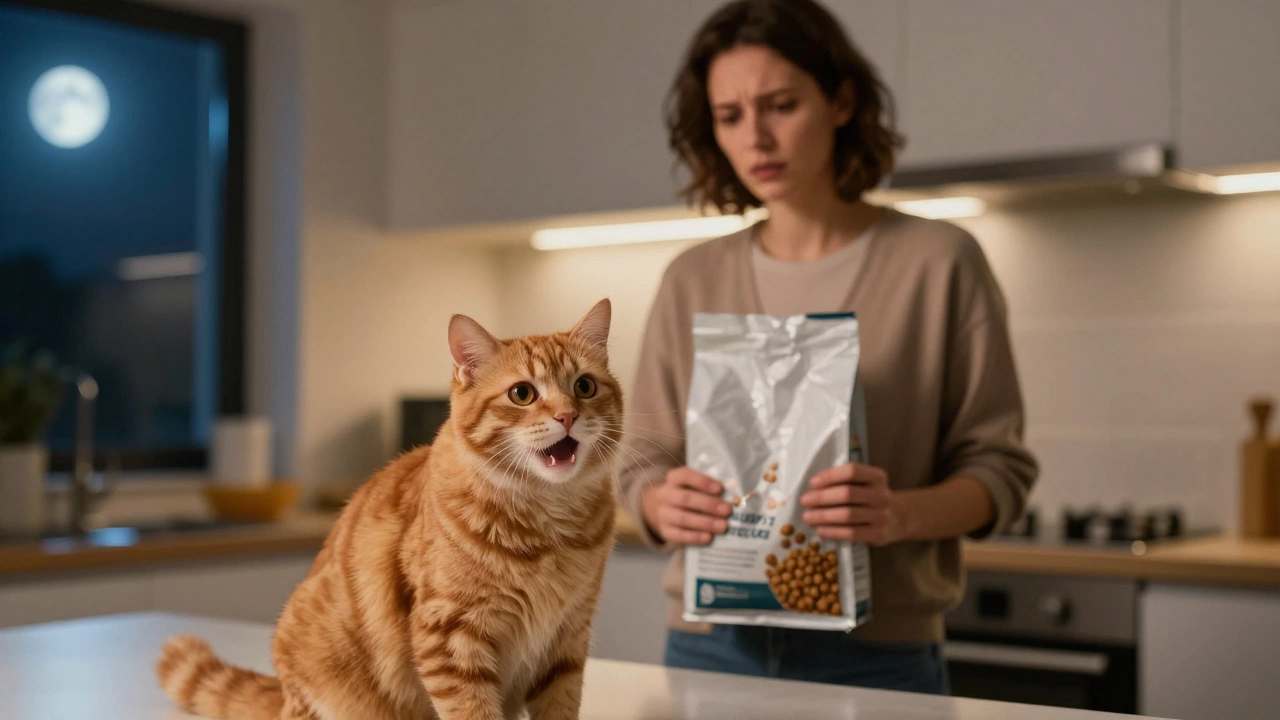
It’s 7 PM on a Tuesday. You’re about to scoop the usual amount of kibble into your cat’s bowl when you realize the bag is empty. The store is closed, or maybe you’re stuck in a remote cabin with no internet signal. Panic sets in. Your cat is staring at you, meowing loudly, expecting dinner. What do you do?
First, take a deep breath. Cats are obligate carnivores, meaning their bodies are designed to process meat, not plants or grains. While they need specific nutrients like taurine that are found in high-quality commercial cat food, they can survive for a short period on other protein sources. However, "surviving" and "thriving" are two different things. Feeding your cat inappropriate human food can lead to digestive upset, toxicity, or long-term health issues.
This guide isn’t about replacing your cat’s regular diet permanently. It’s about emergency management-keeping your cat fed safely for 24 to 48 hours until you can get proper cat food. Here is exactly what you can feed a cat if you run out of cat food, what you must absolutely avoid, and how to prepare these alternatives safely.
The Golden Rule: Plain Cooked Meat Only
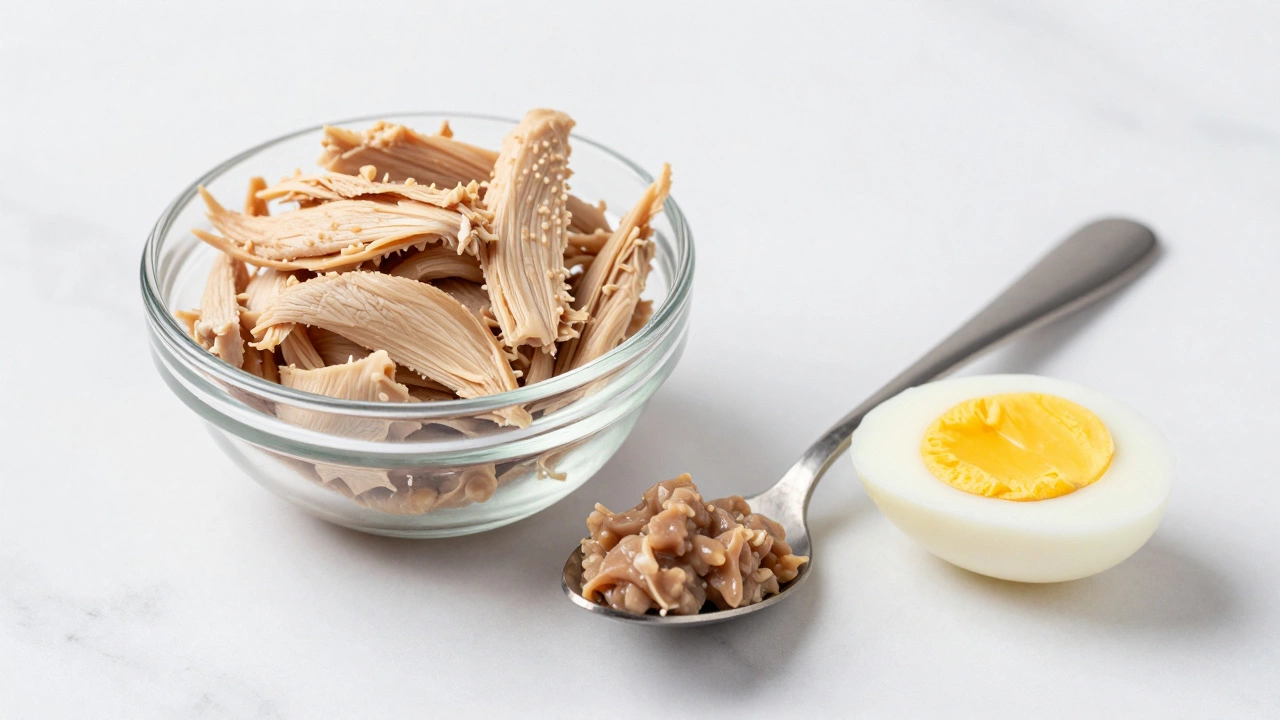
If you have nothing else, plain, cooked meat is your best friend. Unlike dogs, cats cannot digest large amounts of carbohydrates or fiber. Their stomachs are small and acidic, optimized for breaking down animal protein and fat. In an emergency, look for any unseasoned, cooked meat in your fridge or freezer.
| Food Item | Preparation Method | Serving Size (Approx.) | Risks/Notes |
|---|---|---|---|
| Chicken Breast | Poached or baked, no skin, no bones | 1-2 tablespoons per meal | Highly palatable; easy to digest |
| Turkey | Plain, cooked, shredded | 1-2 tablespoons per meal | Avoid deli turkey due to high salt |
| Beef | Lean ground beef, thoroughly cooked | 1 tablespoon per meal | Can be heavy on digestion; use sparingly |
| Canned Tuna (in water) | Drained well | 1 teaspoon only | Nutritional deficiency if used long-term; risk of mercury |
| Eggs | Scrambled or hard-boiled, fully cooked | 1/4 of a small egg | Never feed raw eggs (Salmonella risk + biotin deficiency) |
The key here is plain. No garlic, no onion, no soy sauce, no butter, and no oil. These seasonings contain compounds toxic to cats or can cause severe gastrointestinal distress. If you are cooking chicken breast, boil it in plain water. Shred it into tiny pieces so your cat can eat it easily. For dry-food-eating cats, this sudden switch to wet texture might seem strange, but hunger usually overrides preference.
What About Canned Human Food?
You might think canned tuna or chicken from the grocery aisle is a quick fix. It is better than nothing, but it comes with caveats. Most canned human meats are packed in brine (salt water) or oil. Salt is dangerous for cats because their kidneys cannot process high sodium levels efficiently. Oil adds unnecessary calories and can cause diarrhea.
If you use canned tuna, choose the variety packed in water. Drain all the liquid. Give only a small amount-think a teaspoon, not a whole can. Tuna lacks essential nutrients like calcium and vitamin A, and frequent consumption can lead to mercury poisoning or nutritional imbalances. Use it as a last resort, not a first choice.
Canned chicken or turkey meant for humans often contains added flavors and preservatives. Check the ingredient list. If it says anything other than "chicken" and "water," skip it. Instead, opt for fresh meat if available.
Foods That Are Strictly Forbidden
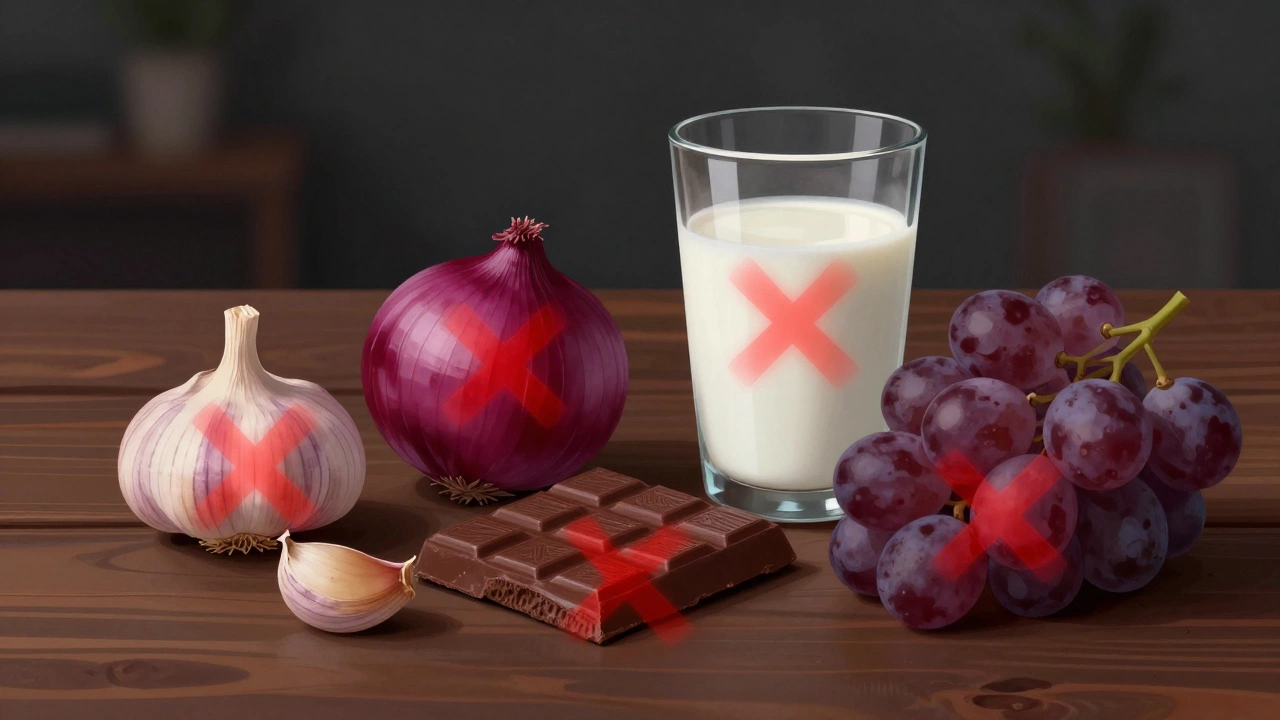
In a panic, you might consider giving your cat whatever is in the pantry. Some human foods are not just unhealthy-they are lethal. Avoid these items at all costs:
- Onions and Garlic: These belong to the Allium family and destroy red blood cells in cats, leading to anemia. Even powdered forms in soups or sauces are dangerous.
- Chocolate and Caffeine: Contains theobromine and caffeine, which affect the heart and nervous system. Can be fatal in small amounts.
- Milk and Dairy: Most adult cats are lactose intolerant. Cow’s milk causes gas, bloating, and diarrhea. It does not hydrate them effectively and can dehydrate them further through fluid loss.
- Raw Dough: Yeast dough expands in the warm stomach, causing bloat and potentially twisting the intestines. The fermentation also produces alcohol, which is toxic.
- Grapes and Raisins: Can cause acute kidney failure in cats, similar to dogs. The exact toxic agent is unknown, so zero tolerance is required.
- Xylitol: Found in sugar-free gum and candies. Causes rapid insulin release and liver failure.
Hydration Is Critical
When switching from dry kibble to wet meat, hydration becomes easier to manage, but you still need to ensure your cat is drinking. Dehydration is a silent killer, especially in older cats or those with kidney issues. If your cat refuses to drink water, try offering low-sodium chicken broth (make sure it has no onions or garlic). The smell of savory broth can encourage drinking.
If you are feeding dry meat scraps (like jerky), make sure they are soft enough to chew without choking. Cats don’t drink much water when eating dry food, so in an emergency, moistening the meat with a little water helps prevent constipation.
How Long Can This Last?
Let’s be realistic: this emergency diet is sustainable for one to three days maximum. After that, your cat will start missing essential nutrients like taurine, arachidonic acid, and preformed vitamin A. Deficiencies won’t show up immediately, but they accumulate. Within a week, you could see signs of malnutrition, including dull coat, lethargy, and eye problems.
If you cannot buy cat food within 48 hours, contact a local veterinary clinic. Many vets keep emergency supplies of prescription diets or standard kibble for clients in crisis. They may also provide advice tailored to your cat’s specific health conditions, such as diabetes or kidney disease, which require strict dietary controls.
Special Cases: Kittens and Senior Cats
Kittens under six months have higher energy and nutrient requirements. They need more protein and fat for growth. If you run out of kitten formula or specialized kitten food, plain boiled chicken or turkey is safer than adult cat food substitutes. However, kittens can hypoglycemic (low blood sugar) quickly. Feed small amounts frequently-every 3-4 hours.
Senior cats, especially those with chronic conditions like hyperthyroidism or renal insufficiency, are less adaptable to dietary changes. Sudden switches to high-protein human meat can stress their kidneys. If your senior cat has a medical condition, call your vet before making any changes. Do not guess.
Transitioning Back to Regular Food
Once you get proper cat food, don’t just dump it in the bowl. Your cat’s gut bacteria have adjusted to the new diet. A sudden switch back can cause vomiting or diarrhea. Mix a small amount of regular kibble or wet food with the emergency meat. Gradually increase the proportion of regular food over 2-3 days while decreasing the meat.
For example:
- Day 1: 75% emergency meat, 25% regular food
- Day 2: 50% emergency meat, 50% regular food
- Day 3: 25% emergency meat, 75% regular food
- Day 4: 100% regular food
Preventing Future Emergencies
The best way to handle running out of cat food is to never let it happen. Keep a backup supply. Buy a large bag of kibble or several cans of wet food and store them in a cool, dry place. Rotate stock every few months to ensure freshness. Consider setting up auto-delivery services for pet food so you always have a buffer.
Also, know your local resources. Identify the nearest 24-hour pet store or pharmacy that carries pet food. Save their phone numbers. In Auckland, many supermarkets stock basic cat food brands, but selection varies. Knowing which stores near you carry reliable options saves time in a crisis.
Can I feed my cat rice or pasta?
No. Cats are obligate carnivores and derive little to no nutritional value from grains. Rice and pasta fill them up without providing necessary protein, leading to potential nutrient deficiencies. They can also cause blood sugar spikes. Stick to plain meat.
Is it safe to give my cat leftover steak?
Only if it is plain, unseasoned, and cooked thoroughly. Avoid steaks marinated in garlic, onion, or soy sauce. Trim all visible fat, as high-fat meals can trigger pancreatitis in cats. Cut into small, bite-sized pieces.
What if my cat refuses to eat the emergency food?
Try warming the meat slightly to enhance aroma. Cats rely heavily on smell. If they still refuse, offer a small amount of strong-smelling fish (like sardines in water, drained) to stimulate appetite. Prolonged refusal to eat (more than 24 hours) requires veterinary attention, especially for overweight cats at risk of hepatic lipidosis.
Can I use baby food as a substitute?
Some meat-based baby foods (like pureed chicken or turkey) can be used in emergencies if they contain NO onion, garlic, or salt. Check labels carefully. Avoid fruit or vegetable blends. It is not nutritionally complete, so use only for one or two meals.
How much meat should I feed my cat?
A general rule is 1 ounce of cooked meat per 5 pounds of body weight per day, split into two meals. For a 10-pound cat, that’s about 2 ounces total. Adjust based on your cat’s activity level and age. Overfeeding can cause obesity; underfeeding leads to weakness.