Budget Dog Meal Calculator
Enter Your Dog's Details
Your Customized Budget Plan
Home-cooked diets require calcium supplementation (like eggshells) to prevent bone disease. Ensure you add ~2 crushed eggshells per week.
AVOID: Onions, Garlic, Raw Potato Skins, Cooked Bones
Daily Breakdown
| Component | Daily Amount | Est. Daily Cost |
|---|---|---|
| Protein (Chicken Thighs/Beef) | - | - |
| Carb (Plain White Rice) | - | - |
| Fiber/Veg (Carrots/Pumpkin) | - | - |
| Total | - | - |
*Based on standard budget ingredients (bulk rice, sale chicken). Prices are estimates.
I know that sinking feeling when you walk past the dog food aisle and pause at the price tag. You love your dog, and you want to give them the best, but sometimes bills pile up and every dollar counts. If you are struggling to afford commercial kibble right now, you need to know exactly what is safe and what puts your dog at risk. We aren't talking about cutting corners that harm your pet; we are talking about smart, budget-friendly choices that still nourish them properly.
This isn't a permanent solution, but it can be a bridge during hard times. Before you buy anything from the human grocery section, you must understand that dogs have different nutritional needs than humans. A simple meal of steak and rice sounds good, but over time, it can cause serious health issues if not balanced correctly. Let's break down what you can actually feed your dog safely when your budget is tight.
Understanding Your Dog's Basic Nutritional Needs
Before picking up ingredients, you need to grasp the basics. Your dog needs protein, carbohydrates, fats, vitamins, and minerals. They cannot live on bread alone, nor can they thrive on pure meat forever without fatiguing their kidneys. The most critical balance in any dietary planregimen for pets involving calcium and phosphorus ratios to ensure bone health and prevent long-term deficiencies. is calcium versus phosphorus.
If you cook raw meat, especially liver or muscle meat, it is often high in phosphorus and low in calcium. Without balancing this with a supplement or calcium-rich ingredient, your dog risks developing urinary stones or bone deformities. Most commercial dog foods grind bone into the mix to handle this naturally. When switching to whole foods, you lose that automatic balance, making supplementation a vital part of the plan.
Safe and Inexpensive Staples for Budget Meals
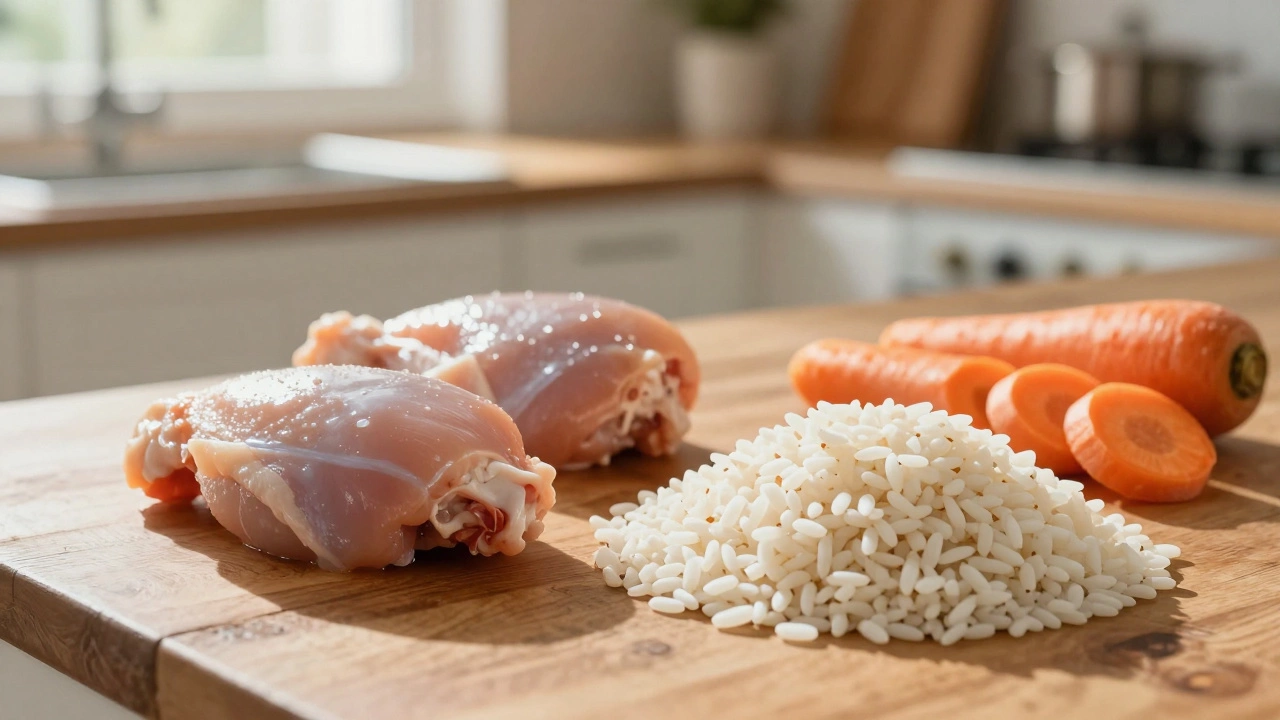
You can find affordable proteins and carbs in standard supermarket aisles. Here is a breakdown of what works well on a limited budget while providing actual nutrition.
| Ingredient | Benefit | Cooking Requirement | Cost Level |
|---|---|---|---|
| Rice | Digestible energy | Bollied in water | Low |
| Chicken Thighs | Protein and fat | Baked or boiled | Low-Medium |
| Canned Mackerel | Omega-3 fats | No prep needed | Medium |
| Carrots | Vitamins and fiber | Steramed or raw | Very Low |
| Eggs | Complete protein | Poached or boiled | Medium |
Rice is one of the safest carbohydrate sources. White rice is easier for a sensitive stomach to digest compared to brown rice, though brown offers more fiber. When buying in bulk bags rather than small packets, the cost per cup drops significantly. Always boil it plain. Do not add salt, oil, or butter.
For protein, look at poultry. Chicken thighs and drumsticks are usually cheaper than breast fillets. The skin contains fat, which provides energy, but try to remove excess if your dog is overweight. Beef mince (ground beef) can also be cost-effective depending on seasonal sales. Another hidden gem is canned mackerel or sardines in spring water. These provide essential omega-3 fatty acids that support skin and coat health, often cheaper than fish-oil supplements.
Essential Supplements for Home-Cooked Diets
Here is the hard truth: cooking from scratch without additives leads to deficiencies. You might see short-term results, but malnutrition sets in silently. To make a safe sandwich, you need a binder, and for a dog, that binder is a vitamin and mineral supplement designed for homemade diets.
Specifically, you need a canine multivitamin that includes Vitamin D, Zinc, and B-complex vitamins. However, the biggest danger spot is Calcium. Many people skip this because it's an extra step. You cannot simply give your dog human calcium tablets unless directed. Instead, consider adding crushed eggshell powder to the meals. One large eggshell has enough calcium to balance out the phosphorus in about 400 grams of meat. Alternatively, purchase a pre-mixed canine mineral powder which is sold online or at specialized stores. It seems expensive upfront, but it prevents thousands in veterinary bills later.

Foods to Absolutely Avoid on Any Budget
Just because it is human food doesn't mean it is safe for your dog. Some items seem harmless but are deadly. Even if you are trying to save money, do not feed the following:
- Chocolate and Caffeine: These contain theobromine, which dogs cannot metabolize. Even small amounts can cause seizures.
- Onions and Garlic: These destroy red blood cells, leading to anemia. Onions are often in pasta sauces; avoid those entirely.
- Grapes and Raisins: These can cause sudden kidney failure. The toxicity trigger amount varies wildly between dogs, so it is not worth the gamble.
- Xylitol: Found in sugar-free gum and some peanut butters. This causes rapid insulin release and liver failure.
- Raw Potato Skins: These contain solanine, a poison. Cook potatoes thoroughly and discard skins.
- Cooked Bones: Never feed cooked bones. They splinter easily and can puncture the internal organs. Only raw bones under supervision are safer, but they come with dental fracture risks too.
When you are frugal, the temptation is to clear your fridge of leftovers. Old pizza crusts are greasy and salty. Leftover roast dinners often contain onion gravy. Stick to whole, identifiable ingredients.
Tapping Into Community Resources
Before relying solely on human groceries, check if there are assistance programs available. In many areas, including New Zealand and Australia, there are "Pet Food Banks" run by local humane societies or animal welfare charities. These organizations exist specifically to help pet owners during financial crises.
They typically work with referrals from veterinarians or social workers. If you are struggling to pay rent or electricity, they may help you prioritize between food for you and food for your pet. Don't let pride stop you from calling your local shelter. There are also community groups online where members donate surplus pet food they are unable to use before expiration dates.

Transitioning and Monitoring Health
If you switch from kibble to a home-cooked diet, you must transition slowly. Sudden changes lead to vomiting and diarrhea, which wastes more money on vet visits. Mix 25% of the new food with 75% of the old for a few days, gradually increasing the ratio over two weeks.
Monitor your dog's weight weekly. Muscle loss is a sign of insufficient protein. Loose stools indicate poor digestion or imbalance. If you notice lethargy or a dull coat after a week, stop and consult a vet. While vet visits cost money, preventative checks are cheaper than treating chronic malnutrition diseases like pancreatitis or severe renal damage.
Creating a Weekly Meal Plan Example
To manage costs, planning is key. Instead of cooking day-to-day, prepare a batch. For example, boil a large pot of rice and bake a tray of chicken thighs once a week. Portion them out into freezer bags. Add vegetables daily since they don't freeze as well.
A sample portion for a medium-sized dog might include one cup of cooked rice, half a chicken thigh (no bone), and a handful of chopped carrots. If you add one tablespoon of crushed eggshell powder spread across three days of feeding, you are hitting the major nutritional markers. Rotate protein sources if possible to broaden nutrient intake.
When to Revert to Kibble
Once your financial situation stabilizes, return to quality kibble if possible. Home cooking requires significant time and knowledge to remain balanced long-term. Kibble offers consistency in every bowl. If you continue home cooking indefinitely, schedule annual blood tests to monitor organ function and electrolyte levels.
Remember, the goal is keeping your dog alive and healthy until you can afford the commercial options again. Prioritize high-quality protein and balanced carbohydrates. Avoid fillers like corn or wheat if your dog has sensitivities. Most importantly, never leave them hungry just because funds are low.
Can I feed my dog table scraps?
Table scraps are risky because they are unpredictable in salt and fat content. It is better to cook a separate meal using plain ingredients rather than relying on leftover human food which often contains harmful seasonings.
Is raw meat safe for budget feeding?
Raw meat carries bacteria like Salmonella. It should be handled carefully. For budget options, cooked chicken or frozen bulk meat is safer and often cheaper than premium raw blends.
How much food should I feed daily?
Generally, dogs need roughly 2-3% of their body weight in food daily, but this varies by age and activity. Consult a professional for precise gram measurements based on your dog's specific metabolism.
Where can I get free dog food?
Look for local animal welfare charities or SPCA branches that operate pet food banks. They often provide temporary relief packages to owners in crisis situations.
Are grains dangerous for dogs?
Most dogs tolerate rice and oatmeal very well. Grains provide necessary energy. Avoid grain-free diets unless a vet specifies allergies, as some grain-free recipes have been linked to heart issues in certain breeds.