Dog Departure Anxiety Checker
Observe your dog in the 24 hours before you leave. Check the behaviors you notice below to calculate their potential anxiety level.
Observed Behaviors
Assessment Result
Select behaviors on the left to see your dog's anxiety profile.
Low Anxiety
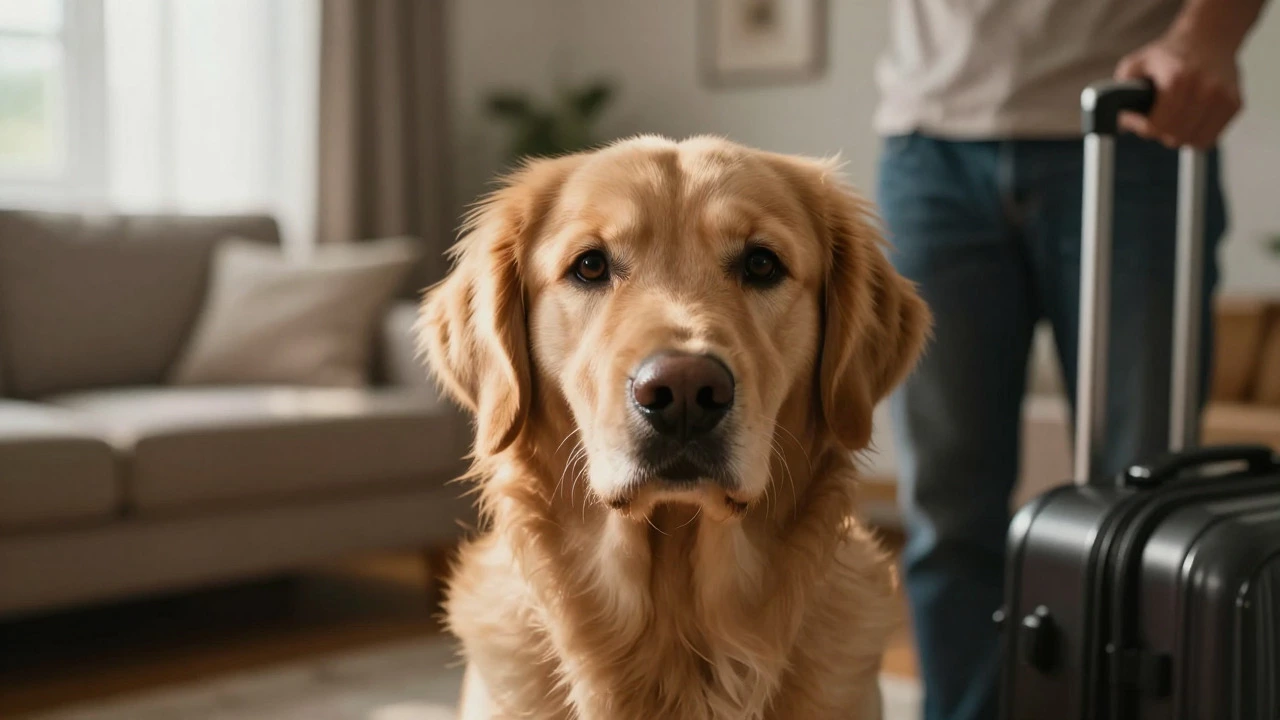
It’s 6:00 AM on a Tuesday. You’re dragging your suitcase across the floor, and your dog is staring at you with those wide, unblinking eyes. You grab your keys, and suddenly, the silence in the house feels heavy. You might be wondering if they actually know you’re going away for the weekend, or if they just sense that something is different. Dogs are incredibly attuned to human routines, but do they understand the concept of time or distance the way we do?
The Short Answer: They Sense the Shift
Here is the reality: dogs don’t check their calendars. They don’t know that "Friday" means "weekend trip." However, they are experts at pattern recognition. If you pack your bag only when you are leaving for more than 24 hours, your dog has likely learned that the sound of zippers equals absence. This is not magic; it is classical conditioning. Over time, specific cues-like putting shoes by the door or turning off lights-become triggers for their emotional state.
When you ask if your dog knows you're leaving, you are really asking if they recognize the pre-departure routine. For most pets, the answer is yes. They detect the change in your energy, the unusual noises, and the sudden lack of interaction. This awareness can lead to what we call departure anxiety, a subset of separation distress where the dog anticipates being alone before you have even walked out the door.
How Dogs Process Your Absence
To understand why your dog looks worried when you grab your coat, you need to look at how their brains process information. Dogs rely heavily on olfactory cues (smell) and auditory signals. When you leave, their environment changes drastically. The scent of your presence fades, replaced by the static smell of an empty room. This shift can be disorienting for animals that are deeply bonded to their primary caregiver.
Research in canine cognition suggests that dogs distinguish between short-term absences (like you going to the bathroom) and long-term departures (like you going on holiday). In a study involving dogs left alone in a lab setting, researchers noted that dogs showed higher cortisol levels (a stress hormone) when the owner was absent for longer periods, but the spike often began *before* the owner left. This indicates anticipation rather than just reaction. Your dog isn't sad because you are gone; they are stressed because they expect you to be gone.
- Visual Cues: Luggage, suitcases, or unusual clothing.
- Auditory Cues: Keys jingling, doors opening, vacuum cleaner running.
- Olfactory Cues: Sudden change in air circulation or temperature.
- Behavioral Cues: Owner moving quickly, talking less, or showing excitement/nervousness.

Signs Your Dog Is Anxious About Your Trip
If you are planning a dog friendly holiday or simply a weekend away, watching your dog’s body language is crucial. Not every sigh or whimper means panic, but certain behaviors indicate genuine distress. Here is what to look for in the 24 hours before you leave.
| Behavior | What It Means | Severity Level |
|---|---|---|
| Pacing or circling | Restlessness due to anticipated separation | Moderate |
| Excessive drooling | Physiological response to stress hormones | High |
| Refusing food | Loss of appetite due to anxiety | High |
| Following you from room to room | Attempt to maintain proximity and visual contact | Moderate |
| Whining or barking at closed doors | Frustration and fear of being locked out | Severe |
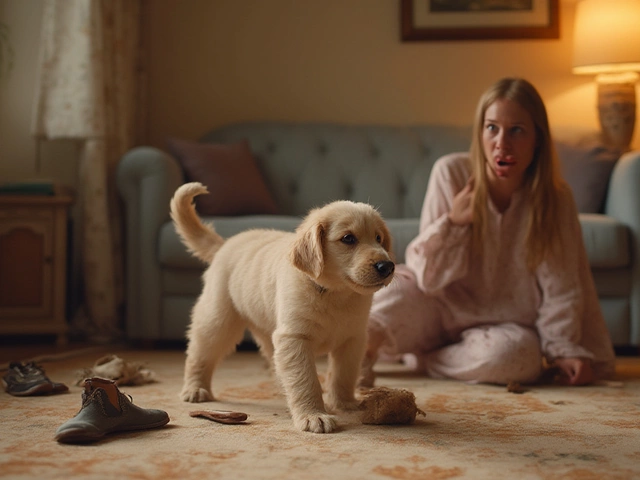
If you see three or more of these signs simultaneously, your dog is likely experiencing significant separation anxiety. This is different from normal boredom. A bored dog might chew a shoe; an anxious dog might destroy the door frame to escape the perceived threat of isolation.
Preparing Your Dog for a Long Absence
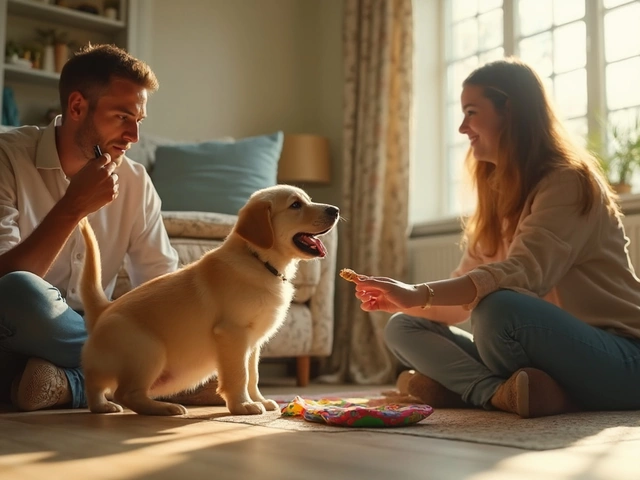
You cannot stop your dog from knowing you are leaving, but you can change how they feel about it. The goal is to desensitize them to the departure cues. This process requires patience and consistency. Start small. Pick up your keys, put them down, and wait. Do this ten times a day. Then, pick up your keys, walk to the door, open it, close it, and come back. By breaking down the sequence, you teach your dog that these actions do not always equal absence.
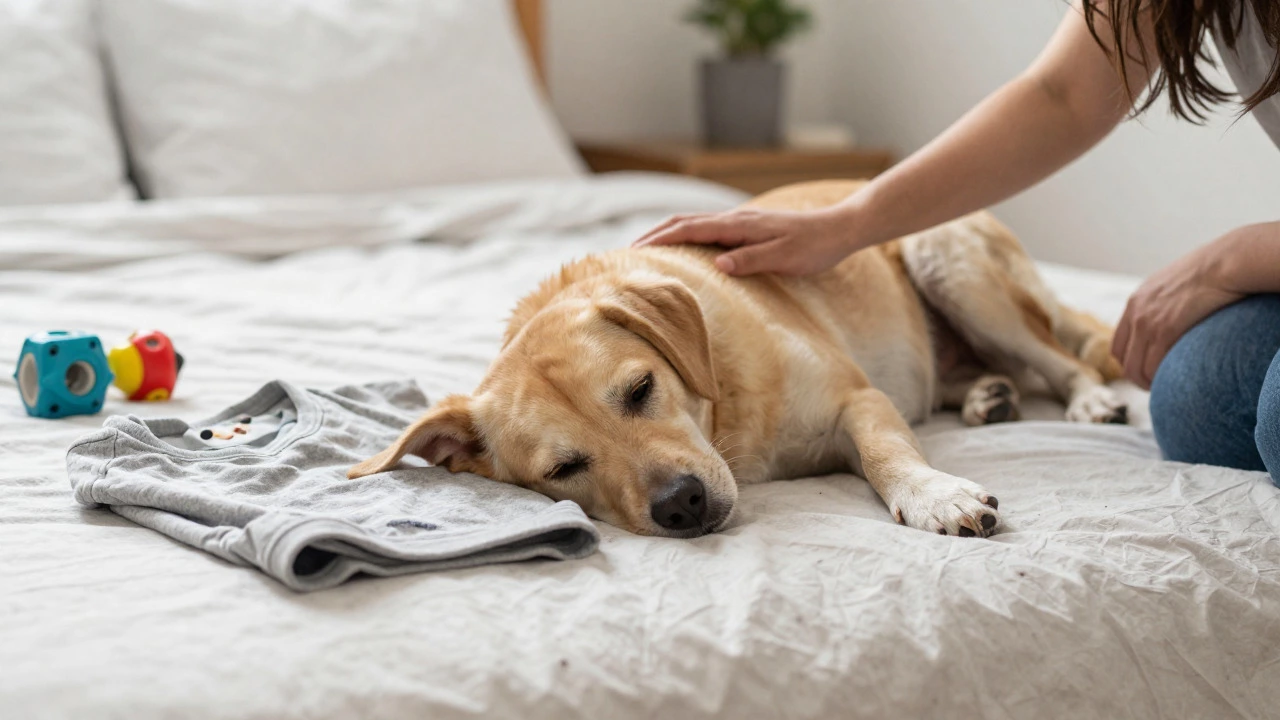
For longer trips, consider the environment. If you are hiring a sitter or boarding your dog, make sure they have familiar scents. A t-shirt worn by you, placed in their crate or bed, can lower cortisol levels significantly. Familiarity acts as an anchor. Additionally, interactive toys like treat-dispensing puzzles can keep their minds occupied, shifting their focus from "where is my human?" to "what is inside this toy?"
Choosing the Right Care During Your Holiday
When selecting a care provider, consider your dog’s temperament. Some dogs thrive in social environments like boardings facilities, while others prefer the quiet of a home visit. If your dog is reactive or shy, a professional pet sitter who comes to your home may be better. They provide a consistent environment, which reduces the cognitive load on your dog. They don't have to adapt to new smells, sounds, or people. They just have to adapt to a temporary change in routine.
Always do a trial run. Leave your dog with the sitter for a few hours during the week before your actual trip. Observe how they settle. If they are calm within 30 minutes, you are on the right track. If they are still pacing after two hours, you might need to adjust your plan or choose a different provider.
FAQs About Dog Departure Awareness
Do dogs know how long you will be gone?
No, dogs do not have a concept of time in the human sense. They understand duration through experience. If you usually leave for 8 hours, they learn to cope with 8-hour absences. If you suddenly leave for 7 days, they may struggle because the pattern has been broken. Consistency in routine helps them predict and manage their stress levels.
Is it bad to say goodbye to my dog?
Not necessarily, but it depends on your dog. For some, a calm, low-key goodbye provides closure. For others, a dramatic farewell increases their anxiety. Try both approaches. If your dog gets excited or panicked when you hug them goodbye, try leaving quietly. If they seem confused or sad when you leave without notice, a brief, calm acknowledgment might help.
Can music help reduce departure anxiety?
Yes, studies have shown that playing soft classical music or white noise can mask external sounds that might trigger anxiety, such as neighbors' dogs barking. It also creates a consistent auditory backdrop that can be soothing. However, avoid loud pop music or news broadcasts, which can increase alertness.
What should I do if my dog destroys things when I leave?
Destruction is usually a symptom of severe anxiety, not misbehavior. Punishment rarely works because the dog doesn't connect the damage to your return. Instead, focus on prevention. Use a camera to monitor their behavior, ensure they have enough mental stimulation before you leave, and consult a veterinary behaviorist if the problem persists. In extreme cases, medication may be recommended to help them relax during the transition.
Do dogs get lonely?
Yes, dogs are social animals and can experience loneliness. While they are adaptable, prolonged isolation without stimulation can lead to behavioral issues. Providing enrichment activities, such as snuffle mats or frozen Kongs, can alleviate feelings of loneliness by engaging their natural instincts to hunt and explore.