Police K9 Communication & Equipment Simulator
Select a scenario below to see how professional handlers choose the right communication tool for their working dogs.
Select a scenario on the left to view the recommended communication method and rationale.
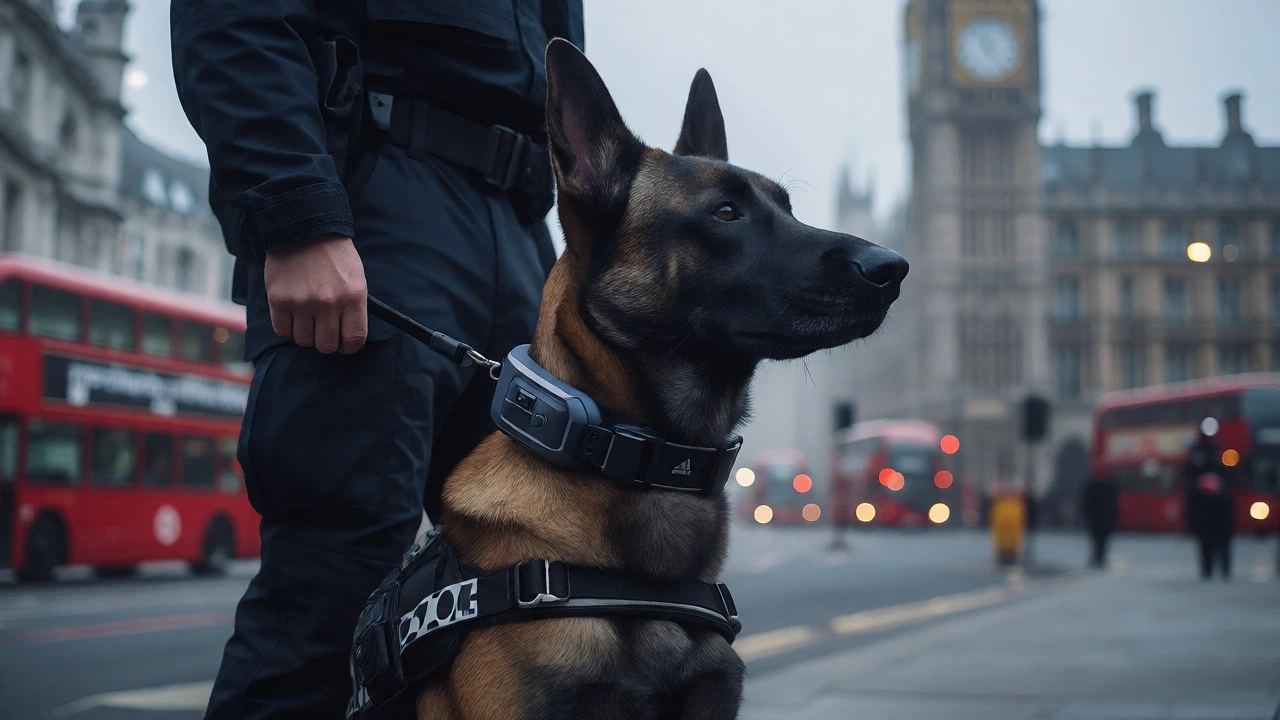
You see a police officer walking with a German Shepherd or Belgian Malinois. The dog looks intense, focused, and powerful. You might wonder: is that dog wearing a shock collar? Is the handler zapping it to keep it in line? It’s a common question, and the answer isn’t a simple yes or no. Police dogs are highly trained working animals, and their equipment reflects decades of evolution in canine behavior science. While some departments still use electronic collars, many have moved toward more humane methods.
The Short Answer: It Depends on the Department
There is no global rule for police dog training. Every agency sets its own protocols. In the United States, the UK, Australia, and New Zealand, practices vary widely. Some units rely heavily on positive reinforcement and traditional obedience commands. Others integrate modern technology, including remote collars, to enhance communication over long distances or in noisy environments.
So, do they use them? Sometimes. But calling them "shock collars" is often misleading. Most modern devices used by law enforcement are better described as e-collars or electronic training collars. These devices don’t just deliver painful shocks; they can emit tones, vibrations, or low-level static stimulation. The goal isn’t punishment-it’s precise communication.
Why Would Police Handlers Use Electronic Collars?
Imagine a suspect fleeing into a dense forest. The handler shouts "Stay!" but the wind carries the voice away. Or consider a chaotic crowd scene where verbal commands get lost in the noise. This is where an e-collar shines. It provides a consistent, immediate cue that the dog can feel regardless of distance or background noise.
Handlers aren’t trying to hurt their partners. They’re trying to ensure safety-for the public, the suspect, and the dog. A well-timed vibration or low-level stimulus can redirect a dog’s focus instantly. Think of it like a tap on the shoulder. If you’re distracted, a friend taps you to say, "Hey, look at me." That’s essentially what a properly used e-collar does for a working dog.
The Shift Away from Traditional "Shock" Methods
A few decades ago, electronic collars had a bad reputation. Early models delivered harsh, unpredictable jolts. Many trainers viewed them as cruel shortcuts. Today, the landscape has changed. High-quality brands like Dogtra, Garmin, and SportDOG produce devices with adjustable intensity levels. Some start so low that humans barely feel them.
Modern police K9 units prioritize positive reinforcement alongside these tools. A dog learns that obeying commands leads to rewards-food, toys, or praise. The e-collar serves as a backup for reliability, not a primary teaching tool. You don’t teach a puppy to sit with a zap. You teach it with treats and patience. The collar comes later, refining precision.
| Tool Type | Primary Function | Common Use Case | Handler Preference |
|---|---|---|---|
| Verbal Commands | Direct instruction | Close-range obedience | High (Universal) |
| Hand Signals | Visual cues | Noisy environments | High (Tactical) |
| E-Collar | Remote stimulation/tone | Long-distance recall, off-leash work | Moderate (Varies by unit) |
| Prong Collar | Physical pressure correction | Leash reactivity training | Low (Declining usage) |
What Do Police Dogs Actually Wear?
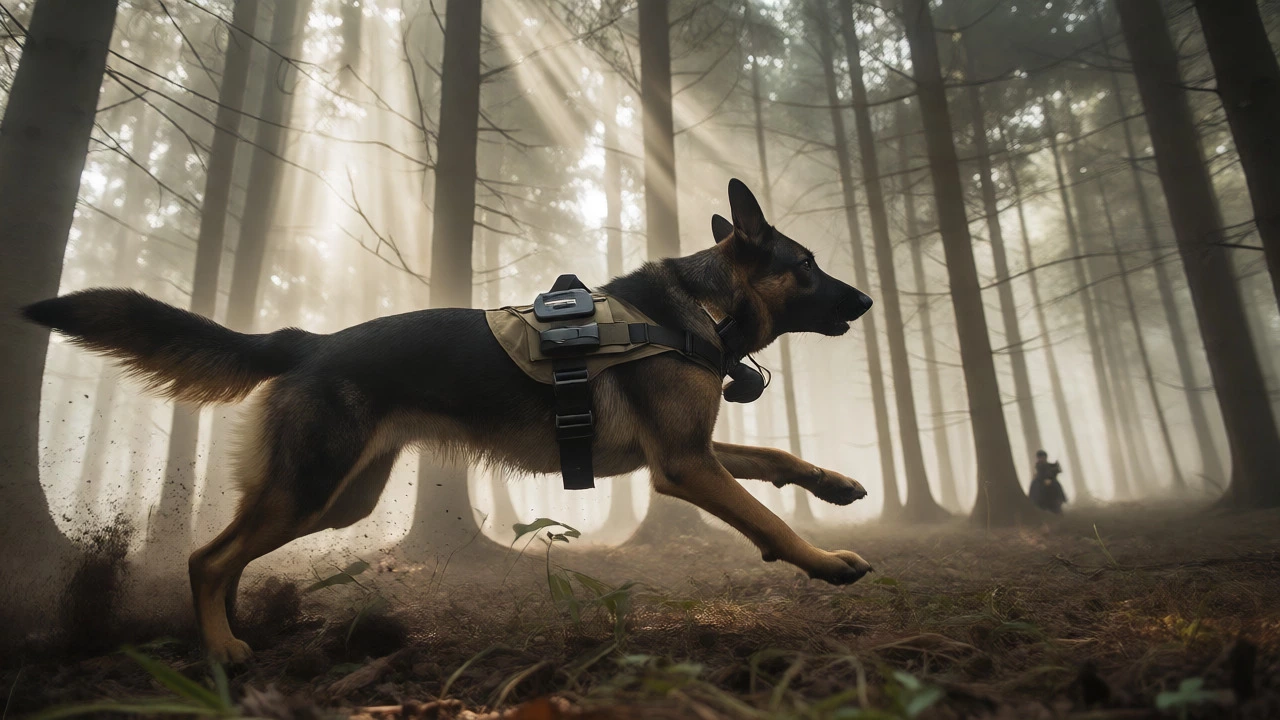
If you look closely at a police dog during deployment, you’ll likely see two main pieces of gear. First, there’s the harness or vest. This holds patches identifying the department and sometimes contains GPS trackers or body cameras. Second, there’s the collar itself. This might be a standard flat collar, a martingale, or an electronic receiver.
In many jurisdictions, such as parts of New Zealand and the UK, animal welfare laws strictly regulate how electronic collars can be used. For instance, some regions ban devices that cause pain, allowing only vibration or tone modes. This means even if a dog wears an e-collar, it might never actually receive a static pulse. The handler uses the tone mode exclusively, which acts as a neutral signal rather than a negative one.
The Role of Positive Reinforcement in K9 Work
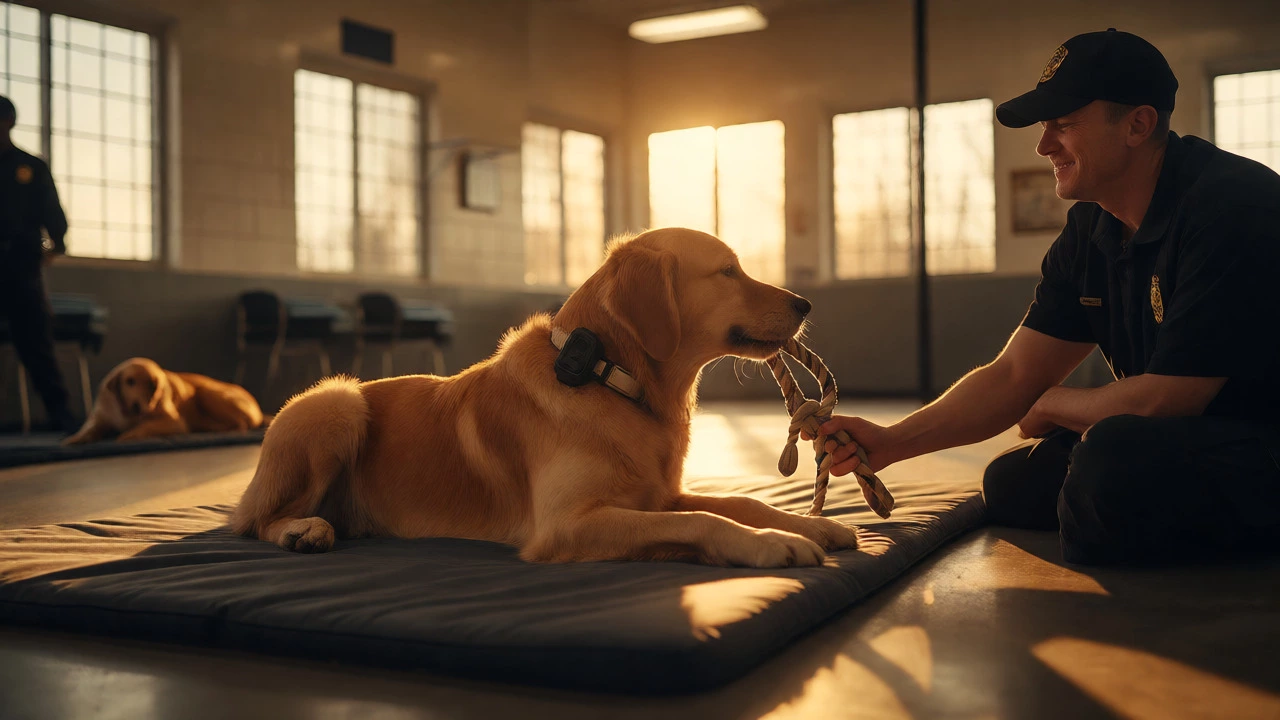
Here’s a fact that surprises people: most police dogs are motivated by play and food, not fear. Handlers build a strong bond through games like tug-of-war or fetch. When a dog successfully apprehends a suspect or finds a hidden drug package, it gets rewarded immediately. This drives the dog’s desire to work.
Relying solely on aversive tools (like shocks) can backfire. A stressed dog makes mistakes. A happy, confident dog performs better. Top-tier K9 programs invest heavily in ensuring their dogs enjoy their job. If a dog associates its collar with discomfort, it might hesitate to engage in tasks. Therefore, handlers spend months conditioning the dog to accept the device before using it in real scenarios.
Legal and Ethical Considerations
Animal rights groups have pushed for stricter regulations on electronic collars. In response, many police departments have updated their policies. Transparency is key. Agencies now often publish guidelines on how they train their dogs. You might find documents detailing the maximum voltage levels allowed or requiring regular veterinary checks to ensure no skin irritation occurs under the collar.
It’s also worth noting that "shock collar" is a colloquial term. Technically, these devices are called Electronic Training Collars. The distinction matters because it highlights the intent: training versus punishment. Misuse happens when owners use high settings without proper training knowledge. In professional hands, the risk of harm is minimal.
How Can You Tell if Your Local Police Uses Them?
If you’re curious about your local department, check their social media pages or official website. Many agencies share behind-the-scenes content showing training sessions. Look for comments from handlers explaining their methods. You can also attend open days or community events where K9 units demonstrate their skills. Ask questions directly. Most officers appreciate public interest in their partners’ welfare.
For pet owners considering similar tools, remember that police dogs undergo hundreds of hours of specialized training. Applying an e-collar to a family pet requires education too. Never assume that what works for a Malinois will automatically work for a Golden Retriever. Consult a certified trainer who understands balanced training methods.
Alternatives to Electronic Collars
Not every unit uses e-collars. Some prefer purely positive reinforcement systems. These rely on high-value treats and marker sounds (like a clicker) to communicate success. While effective, this method can be challenging in high-stakes situations where immediate compliance is critical. If a suspect is running toward a cliff, waiting for the dog to process a treat command might take too long.
Other alternatives include long-line leashes for distance control and whistle commands. Whistles carry sound further than human voices and offer a distinct tone that cuts through noise. Combining whistles with visual signals creates a robust communication system without any electrical components.
Do all police dogs wear shock collars?
No. Usage varies significantly by country, state, and individual department policy. Many agencies use standard flat collars or harnesses without electronic components, relying instead on voice commands and hand signals.
Are shock collars cruel to police dogs?
When used correctly by trained professionals, they are generally considered safe. Modern devices offer low-intensity settings and non-painful modes like vibration or tone. However, misuse or improper fitting can cause discomfort or stress, so strict protocols are essential.
What is the difference between a shock collar and an e-collar?
The terms are often used interchangeably, but "e-collar" is the broader technical term. It includes devices that deliver static stimulation, vibration, or audible tones. "Shock collar" implies pain, which may not accurately reflect the low-level stimuli used in professional training.
How do police dogs learn to ignore distractions with a collar?
Through gradual desensitization. Handlers introduce the collar slowly, pairing the sensation with positive experiences. Over time, the dog learns to associate the subtle cue with focusing on the handler, even amidst sirens, crowds, or other dogs.
Can I use a police-grade e-collar on my pet dog?
Yes, but caution is advised. Police-grade collars are durable and feature-rich, but they require skill to use effectively. Without proper training knowledge, you might accidentally confuse or frighten your dog. Always consult a professional trainer before introducing electronic aids.