Dog Holiday Planner
Plan Your Trip
Recommended Destinations
Essential Pre-Trip Checklist
Click items as you complete them.
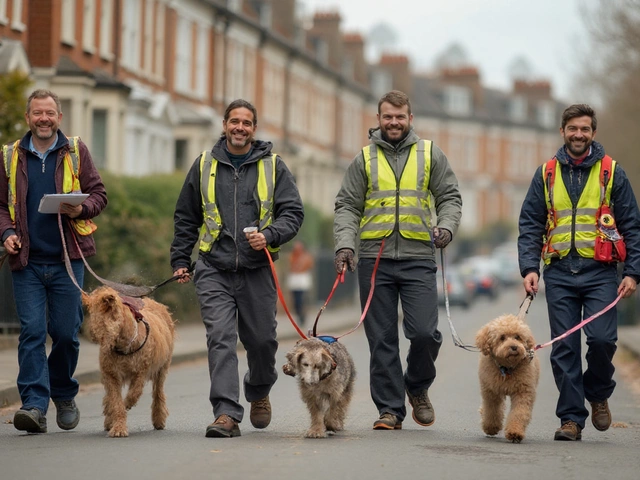
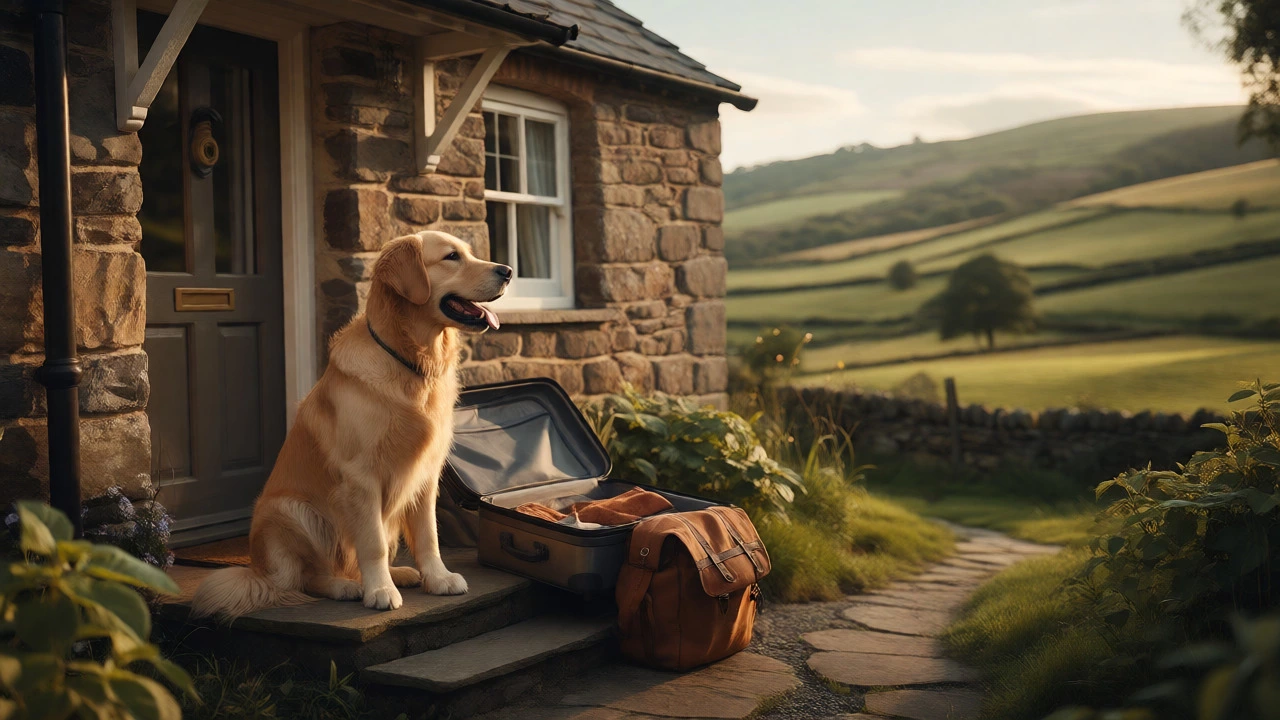
You’ve booked the flights. You’ve packed your bags. But there’s a four-legged problem sitting by the door, looking at you with those big, hopeful eyes. The question isn’t just can you take them; it’s where can you go on holiday with your dog without turning your relaxation into a logistical nightmare? Most people assume they’re stuck in their backyard or boarding kennels for two weeks. That’s outdated thinking. The world has shifted. From alpine trails in Europe to coastal retreats in New Zealand, dog-friendly tourism is booming. But here’s the catch: not all "pet-friendly" labels are created equal. Some mean a tiny patch of grass behind a concrete hotel. Others mean actual freedom.
This guide cuts through the marketing fluff. We’re looking at real destinations where your dog is welcome, practical ways to handle the logistics, and the specific rules that trip up most travelers. Whether you’re planning a road trip across Australia or flying to the UK, knowing where to go saves you stress, money, and a lot of barking.
The Global Landscape of Pet-Friendly Travel
Before you book anything, understand that "dog-friendly" varies wildly by region. In parts of Northern Europe, like Germany and Scandinavia, dogs are treated almost like family members in public spaces. You can bring them into cafes, shops, and even some offices. Contrast this with Southern Europe, where strict hygiene laws often ban dogs from restaurant interiors, forcing you to sit outside in the heat. If you’re based in Auckland, as I am, New Zealand offers a unique advantage. While we have strict biosecurity laws for inbound pets, domestic travel within NZ is incredibly dog-centric. Our beaches, national parks, and campgrounds are largely accessible, provided you follow leash laws.
When choosing a destination, consider your dog’s temperament. A high-energy Border Collie needs different terrain than an aging Bulldog who overheats easily. France, for instance, is fantastic for active dogs due to its extensive network of hiking trails (GR paths) and numerous campsites (campings) that allow pets. However, if your dog struggles with crowds, the bustling cities of Paris or London might be overwhelming, despite being technically "friendly." Rural areas in these countries offer far better experiences for both you and your pet.
Top International Destinations for Dog Owners
If you’re looking to fly internationally, certain countries make it easier than others. Here’s a breakdown of places where your dog won’t feel like an outsider.
| Destination | Best For | Key Challenge | Dog Access Level |
|---|---|---|---|
| New Zealand | Beaches, hiking, camping | Strict biosecurity for entry | High (Domestic) |
| France | Road trips, rural stays | Restaurant interior bans | Medium-High |
| United Kingdom | Cities, pub culture | Leash laws in city centers | High |
| USA (West Coast) | National Parks, surfing | Car dependency, long drives | Variable |
| Canada | Nature, lakeside cabins | Cold weather gear needed | Very High |
New Zealand remains a top pick for locals and visitors alike. Places like Abel Tasman National Park have specific tracks open to dogs, allowing you to explore pristine coastlines together. Just remember: check the Department of Conservation website before heading out, as restrictions change seasonally to protect wildlife.
France is ideal if you enjoy slow travel. Renting a cottage in Provence or Brittany means your dog has space to roam. Many French farmers’ markets (marchés) are welcoming, though you’ll need to keep them leashed. The challenge here is dining. Unless you find a terrace seat, you might end up eating cold sandwiches while your dog waits under the table.
The United Kingdom is surprisingly accommodating. Pubs in rural England often have designated "dog rooms," and many hotels now offer "doggie packages" with beds and treats. London itself is walkable, but you must be vigilant about off-leash zones. Hyde Park and Regent’s Park have specific areas where dogs can run free, which is a lifesaver for energetic pups.
Domestic Getaways: Road Trips and Camping
Sometimes the best holidays are close to home. Road trips offer flexibility that flying simply can’t match. You control the breaks, the food, and the pace. If you’re driving in Australia or New Zealand, stopovers are crucial. Plan for a break every two hours. This isn’t just for your bladder; it’s for your dog’s hydration and mental stimulation.
Camping is arguably the gold standard for dog holidays. It removes the anxiety of hotel policies entirely. At a campground, your dog can sleep in the tent with you, wake up to nature sounds, and spend days exploring. Look for sites labeled "pet-friendly" rather than just "pets allowed." The former implies a community of other dog owners, making socialization easier. Avoid "dry" campsites without water hooks if you’re traveling in summer; your dog will need constant access to fresh water to prevent heatstroke.
For those who prefer comfort over roughing it, look into glamping pods or cabin rentals. Platforms like Airbnb allow you to filter specifically for "Pets Allowed," but always message the host first. Ask specific questions: Is there a fenced yard? Are there other animals on the property? What’s the policy on muddy paws? These details prevent awkward check-ins and potential security deposit losses.

Preparing Your Dog for Travel Stress
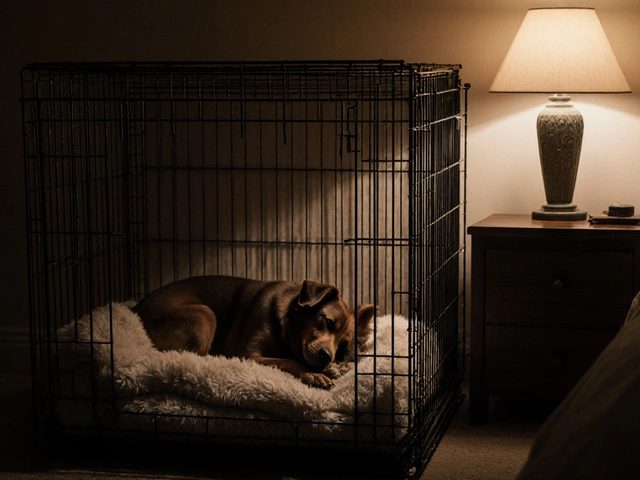
A holiday shouldn’t be traumatic. Dogs thrive on routine, so disrupting it requires preparation. Start conditioning your dog to their carrier or car crate weeks before departure. Let them sleep in it at home with a favorite blanket. If they associate the space with safety and rest, travel becomes less scary.
Health checks are non-negotiable. Visit your vet six weeks before travel. Ensure vaccinations are up to date, especially rabies if you’re crossing borders. Microchip details must be current. If you’re flying, ask your vet about sedation. Contrary to popular belief, most vets advise against sedating dogs for air travel because it can affect breathing and body temperature regulation at altitude. Instead, focus on exercise before the flight and calming pheromone sprays like Adaptil.
Packing for your dog is as important as packing for yourself. Bring enough food for the entire trip plus extra. Changing brands mid-trip can cause digestive upset. Pack their usual bowl, lead, collar, ID tags, waste bags, and any medications. Include a familiar toy or blanket that smells like home. This scent anchor helps reduce anxiety in unfamiliar environments.
Etiquette and Legal Responsibilities
Being a good guest starts with understanding local rules. In many European countries, leaving a dog alone in a hotel room is frowned upon or banned because barking disturbs neighbors. If you must leave them, ensure they are crate-trained and comfortable. Never assume a dog is okay being left alone just because they didn’t bark last time.
Leash laws vary significantly. In some places, you must keep your dog on a short leash (under 1 meter) at all times, even in parks. Failing to comply can result in hefty fines. Always carry proof of vaccination and registration papers. If your dog approaches another person or animal, ask permission first. Not everyone loves dogs, and some may be fearful or allergic. Control is your responsibility.
Clean up after your dog immediately. It sounds basic, but it’s the number one complaint from locals regarding tourists with pets. Carry multiple waste bags. If you’re in a sensitive ecological area, like a bird nesting zone, keeping your dog on a leash protects wildlife. Remember, you represent all dog owners when you travel. One bad experience can turn a business away from future pet guests.
Frequently Asked Questions
Can I take my dog on a plane?
Yes, but rules depend on size and breed. Small dogs usually travel in the cabin under the seat if their carrier fits dimensions specified by the airline. Larger dogs must travel in the cargo hold, which requires specific crates and health certificates. Always book early, as airlines limit the number of pets per flight.
Do I need a passport for my dog?
If you are traveling internationally, yes. Your dog needs a pet passport or equivalent documentation that includes microchip number, vaccination records (especially rabies), and sometimes a tapeworm treatment record. Requirements vary by country, so check the government import rules for your destination well in advance.
What should I do if my dog gets sick during the trip?
Research veterinary clinics near your accommodation before you arrive. Save their numbers and opening hours. Carry a basic first-aid kit for dogs including gauze, antiseptic wipes, and tweezers. If symptoms persist or involve vomiting, lethargy, or difficulty breathing, seek professional care immediately. Do not administer human medication without vet advice.
Are beaches generally dog-friendly?
It depends on the location and season. Many beaches restrict dogs during peak summer months or specific daytime hours. Some have designated "off-leash" zones. Always check local council signage before entering. In New Zealand, for example, regulations differ between councils, so what is allowed in Auckland might be banned in Wellington.
How do I keep my dog safe in hot weather?
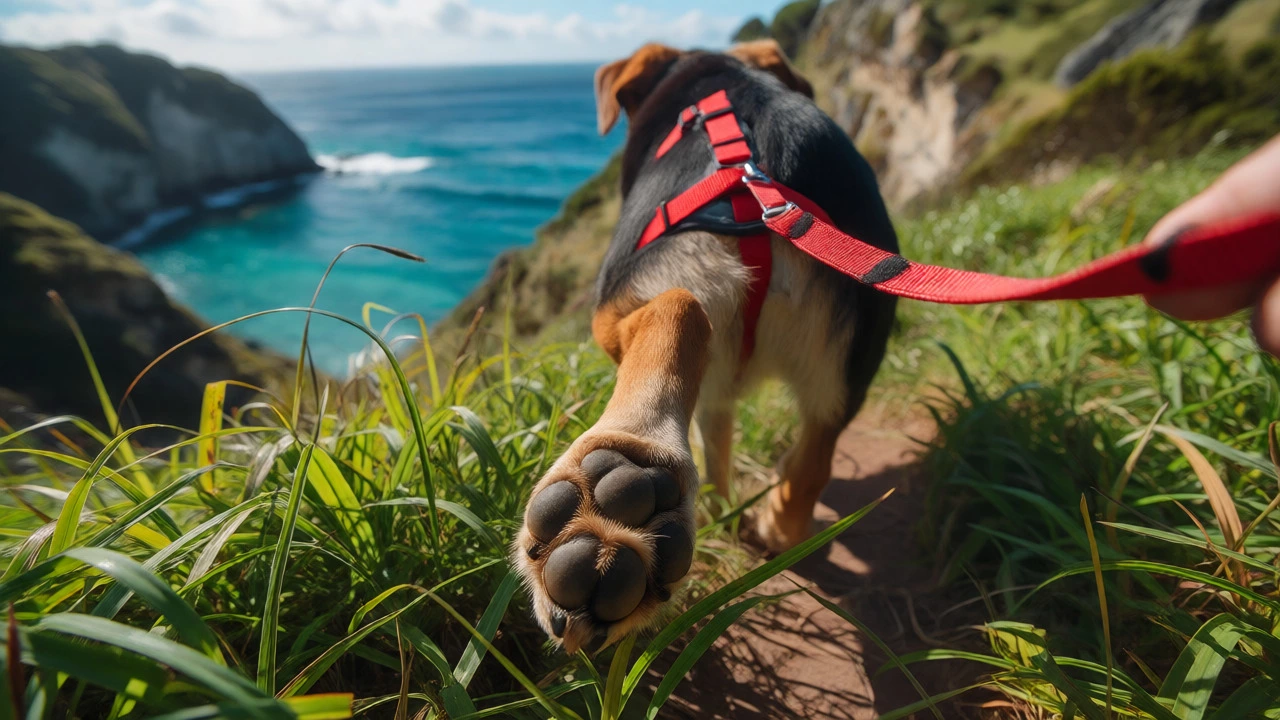
Never leave your dog in a parked car, even for a few minutes, as temperatures rise rapidly. Walk during early mornings or late evenings. Test pavement with your hand; if it’s too hot for you, it burns their paws. Provide shade and fresh water constantly. Brachycephalic breeds (flat-faced dogs like Pugs) are particularly vulnerable to heatstroke.
Next Steps for Your Trip
Ready to pack? Start by defining your budget and travel style. Do you want luxury hotels or rustic cabins? Next, verify the specific pet policies of your chosen accommodation. Don’t rely solely on search filters; call or email to confirm weight limits, breed restrictions, and additional fees. Finally, create a digital folder with scanned copies of your dog’s health records, insurance, and booking confirmations. Having these accessible offline ensures you’re prepared for any border checkpoint or emergency situation. Happy travels!