Dog Bed Recommendation Tool
You've probably seen it before: you spend eighty dollars on a plush, faux-fur sanctuary for your pup, and they decide to spend the night curled up on a cold kitchen tile or a scratchy wool rug. It's a classic pet owner struggle. The short answer is yes, dogs can absolutely sleep without a formal bed. They aren't like us; they don't need a memory foam mattress to feel rested. In the wild, their ancestors slept on dirt, leaves, and rock. However, while they can survive without one, whether they should depends entirely on your dog's age, breed, and health.
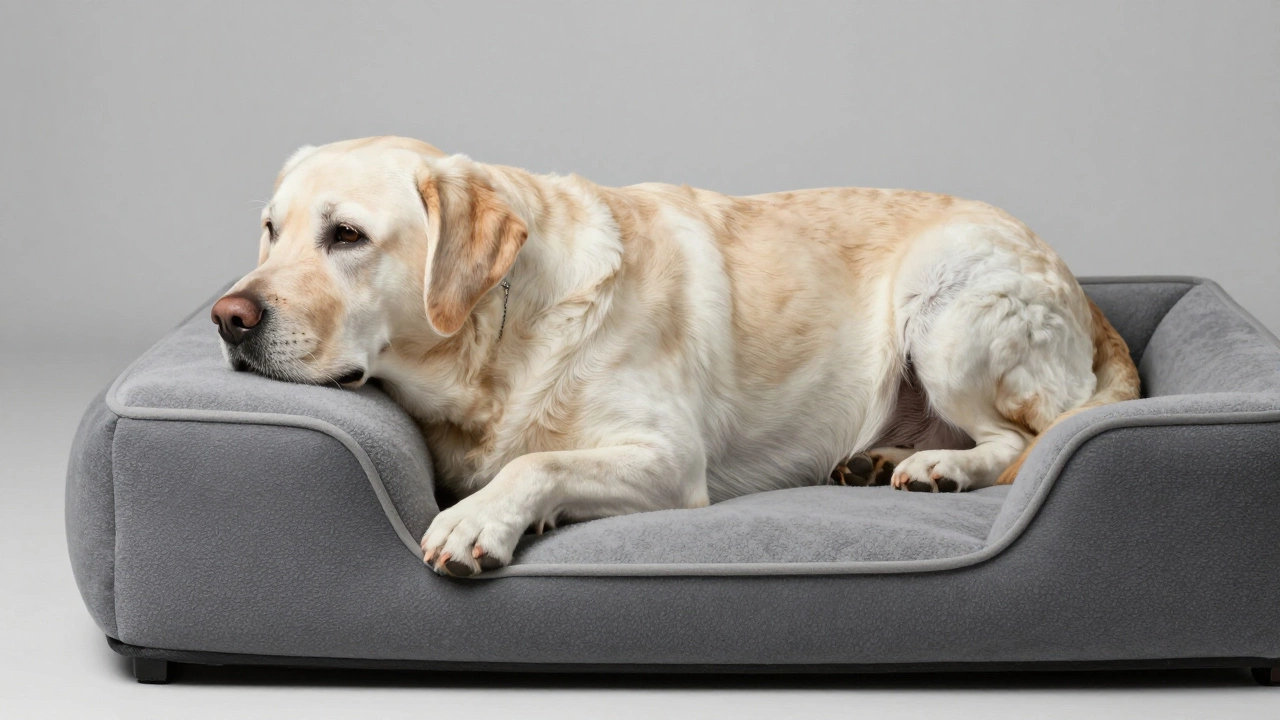
The real goal isn't about the piece of furniture itself, but about supporting the animal's physical needs. A dog bed is a specialized piece of pet furniture designed to provide cushioning, warmth, and a designated safe space for a canine. If your dog is young, healthy, and seems happy on the floor, you might not need one. But for a senior Lab with stiff joints, that "bed" becomes a medical necessity.
The Hidden Risks of Hard Floors
When a dog sleeps on a hard surface-like hardwood, laminate, or tile-they are essentially putting their entire body weight on a few concentrated pressure points. This isn't just about comfort; it's about physiology. For smaller breeds or older dogs, sleeping on hard floors can lead to pressure sores or exacerbate joint inflammation. Think about how you feel after sleeping on a gym mat for a night; now imagine doing that for ten years.
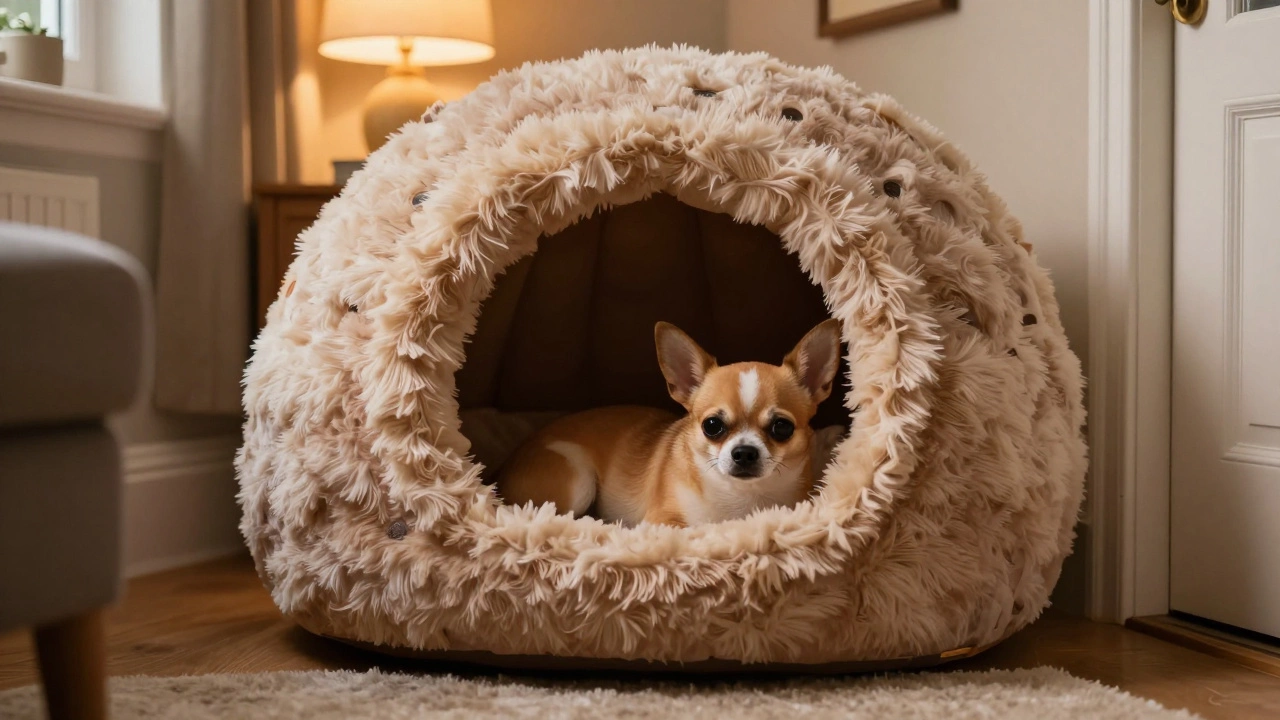
Another major issue is temperature regulation. While some dogs love the cold tile in the middle of a New Zealand summer, during winter, the floor acts as a heat sink. It sucks the warmth right out of their body. This is especially dangerous for Chihuahuas or other short-haired breeds that lack a thick undercoat to insulate them from the freezing ground.
When a Bed Becomes a Medical Tool
As dogs age, their cartilage wears down. This is where Osteoarthritis comes into play. In dogs with joint degradation, the friction between bones causes pain and stiffness. A hard floor offers zero support, forcing the joints to bear the brunt of the impact. This is why orthopedic dog beds are a game-changer. These beds typically use Memory Foam, which contours to the dog's shape and distributes weight evenly, reducing the pressure on elbows and hips.
If you notice your dog struggling to stand up after a long nap or circling excessively before they settle, they are likely experiencing discomfort. In these cases, a bed isn't a luxury item-it's a piece of healthcare equipment that prevents further joint degradation and improves their overall quality of life.
| Surface Type | Best For... | Pros | Cons |
|---|---|---|---|
| Hard Floors | Overheated dogs in summer | Cooling, easy to clean | Joint pressure, cold in winter |
| Standard Fabric Beds | Healthy adults/puppies | Warmth, soft texture | Limited joint support |
| Orthopedic Foam | Seniors, Large breeds | Maximum joint relief | More expensive, bulkier |
| Rugs/Carpets | Low-maintenance comfort | Better than tile | Traps allergens and hair |
Understanding the "Denning" Instinct
Beyond physical comfort, there's a psychological element. Dogs are den animals. In the wild, a secure, enclosed space meant safety from predators and the elements. This is why some dogs prefer sleeping in a corner, under a table, or in a cramped closet rather than in a wide-open, expensive bed. They are seeking a sense of security.
If your dog ignores their bed, try changing the style. A Donut Bed-those shaggy, circular beds with raised edges-mimics a nest. The raised rim provides a place to rest their head and creates a boundary that makes them feel protected. By tapping into this instinct, you can often coax a "floor-sleeper" into actually using their bed.
The Logistics of Choosing the Right Spot
Placement is just as important as the bed itself. If you put a bed in a high-traffic hallway, your dog might avoid it to prevent being stepped on. Most dogs prefer a spot where they can keep an eye on the room but aren't directly in the way. This is known as the "sentry" position. They want to be near you, but they also want to be able to see who is coming through the front door.
Consider the material based on your dog's chewing habits. If you have a Golden Retriever who views everything as a chew toy, avoid flimsy polyester. Look for heavy-duty canvas or nylon. For dogs that shed heavily, ensure the cover is removable and machine washable. There is nothing worse than a bed that becomes a giant sponge for odors and dander.
Signs Your Dog Actually Needs a Bed
Not every dog needs a fancy mattress, but there are clear signals that your pet is craving more support. Look for these red flags:
- Frequent repositioning: If they can't seem to get comfortable and keep shifting their weight, the surface is likely too hard.
- Limping after waking: This is a classic sign of joint stiffness caused by poor support during sleep.
- Shivering: If they are curled into a tight ball and still shaking, they aren't getting enough insulation from the floor.
- Sore spots: Check the elbows and hips for redness or thinning fur, which can indicate pressure sores from hard surfaces.
Will a dog bed help with anxiety?
Yes, especially beds with high walls or "cuddler" styles. Having a designated, soft space provides a psychological sense of security and ownership, which can lower stress levels in anxious dogs.
My dog prefers the floor to their bed. Should I force them?
Never force a dog to sleep in a specific spot. Instead, try moving the bed to where they naturally choose to sleep. If they love the kitchen tile, place a thin, cooling mat there. They might just be trying to regulate their body temperature.
How often should I wash a dog bed?
Ideally, you should wash the removable cover every two to four weeks. Beds trap skin cells, hair, and outdoor pollutants, which can lead to odors and potential skin irritations for your pet.
Can puppies sleep on the floor without a bed?
Puppies can, but they struggle more with temperature regulation than adults. A soft bed or blanket helps them stay warm and prevents them from getting chilled, which can impact their developing immune system.
Is memory foam safe for all dogs?
Generally, yes. Memory foam is excellent for pressure relief. However, if you have a very small toy breed, ensure the foam isn't so dense that they struggle to sink in or get comfortable. For most, it is the gold standard for joint health.
Final Tips for the Floor-Sleeper
If your dog simply refuses a bed, don't panic. You can still improve their sleep quality without a bulky mattress. Try laying down a few thick yoga mats or a high-pile area rug in their favorite spot. This provides a middle ground-more cushion than tile, but less "containment" than a bed. Just keep an eye on their mobility as they get older. What works for a two-year-old puppy won't necessarily work for a ten-year-old dog. Be proactive about their comfort, and your pup will thank you with a lot more energy for those morning walks.