Cat Diet & Longevity Risk Estimator
Enter your cat's details below to see how their current diet might impact their long-term health risks, specifically regarding kidney function, weight, and blood sugar.
Dietary Risk Assessment
Kidney Stress
Low
Hydration Impact
Weight Risk
Low
Calorie Density
Diabetes Risk
Low
Carb Load
Recommendations
You’ve probably heard the debate at the vet’s office or over coffee with fellow cat owners: Is wet cat food actually better for your pet’s lifespan? It’s not just a marketing gimmick. There is a physiological reality to why many veterinarians push for canned options, but it’s rarely as simple as "canned equals long life." The truth lies in how a cat’s body processes water, protein, and carbohydrates, and how those factors stack up against the diseases that typically end their lives early.
| Feature | Wet Cat Food | Dry Cat Food (Kibble) |
|---|---|---|
| Moisture Content | 70-80% | 5-10% |
| Carbohydrate Load | Low (often <10%) | High (often 30-50%) |
| Caloric Density | Lower per gram | Higher per gram |
| Dental Impact | Neutral to Negative (plaque buildup if not brushed) | Mixed Evidence (minimal mechanical cleaning) |
| Hydration Support | Significant | Negligible |
The Water Factor: Why Hydration Matters More Than You Think
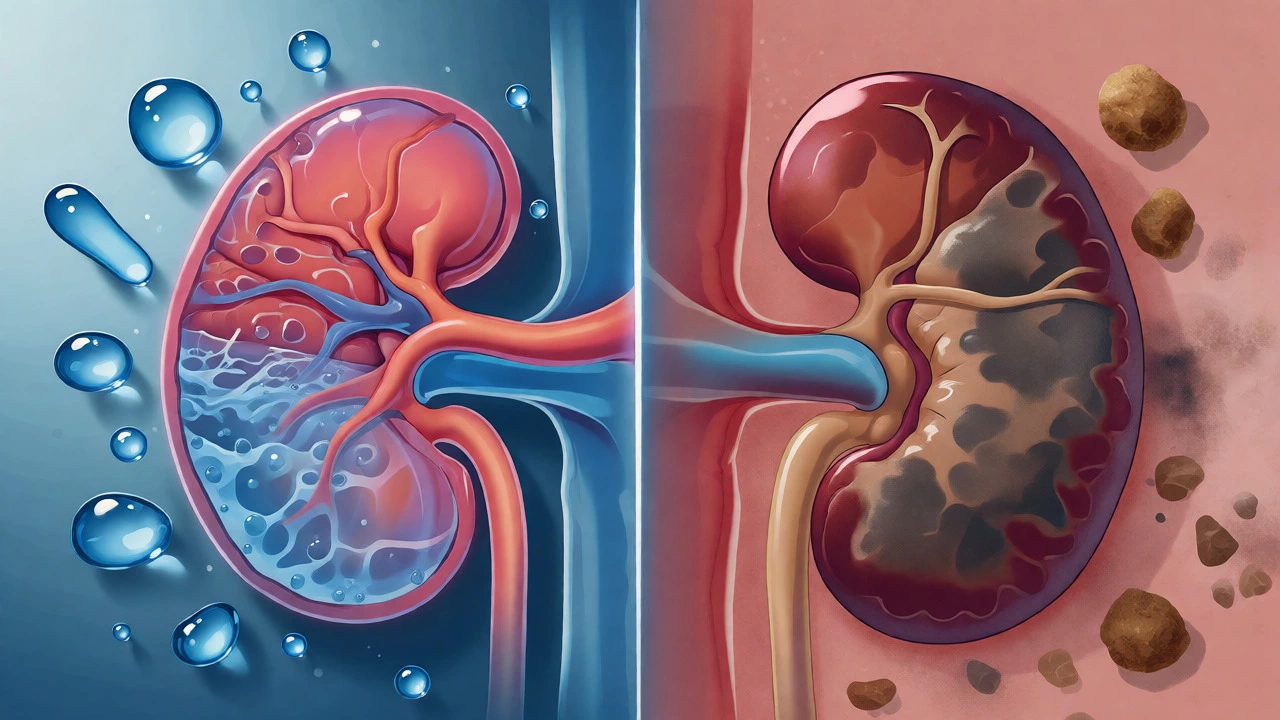
Cats are desert animals by ancestry. Their kidneys are designed to concentrate urine heavily, which means they evolved to get most of their moisture from prey. In the wild, a mouse is about 70% water. When you feed a cat dry kibble, which sits around 10% moisture, you’re asking their kidneys to work overtime to filter waste without adequate fluid intake. This chronic low-grade dehydration is a silent killer.
Chronic Kidney Disease (CKD), also known as renal failure, is one of the leading causes of death in older cats. While genetics play a role, hydration status is a major modifiable risk factor. Studies suggest that increasing water intake can slow the progression of existing kidney issues and potentially delay the onset of symptoms. If your cat drinks little water on its own, switching to wet food acts as a forced hydration mechanism. They consume water simply by eating. This doesn't guarantee a longer life, but it removes a significant stressor from the renal system.
Weight Management and Obesity Risks
Obesity is arguably more common than kidney disease in indoor cats today, and it drastically shortens lifespan. An overweight cat faces higher risks of diabetes, arthritis, and heart disease. Here is where the calorie density of dry cat food becomes tricky. Kibble is energy-dense. A small bowl contains a massive amount of calories compared to the same volume of wet food. It’s easy to overfeed because we measure dry food by volume, not weight, and cats often graze throughout the day.
Wet food allows for larger portion sizes with fewer calories. Your cat feels full physically because the stomach stretches with the high-water content, triggering satiety signals sooner. For a cat prone to begging or overeating, this physical fullness helps maintain a healthy body condition score. Keeping a cat lean is directly correlated with living into their late teens rather than hitting health walls in their early teens.
Diabetes Prevention and Carbohydrate Load
Cats are obligate carnivores. Their bodies are efficient at processing protein and fat, but they have limited ability to handle carbohydrates. Most dry foods rely on starches like corn, wheat, or potato to form the kibble shape. These carbs spike blood sugar levels. Over time, constant spikes can lead to insulin resistance and Feline Diabetes.
While not all wet foods are low-carb, the majority contain significantly less starch than dry options. By reducing the glycemic load, you reduce the strain on the pancreas. Some cats with early-stage diabetes can even go into remission when switched to a high-protein, low-carb wet diet. Avoiding diabetes entirely saves years of potential complications, including neuropathy and vision loss, which affect quality of life and longevity.
The Dental Myth: Does Dry Food Clean Teeth?
Many owners stick to kibble because they believe it scrubs plaque off teeth. The evidence here is weak. A study published in the Journal of Veterinary Dentistry found no significant difference in dental health between cats fed wet versus dry food. Cats don’t chew their food much; they tear and swallow. Kibble shatters rather than abrades teeth.
If anything, the sticky nature of some wet foods can contribute to plaque if oral hygiene isn’t maintained. However, plaque buildup is driven more by bacteria and saliva composition than by the texture of the food. Don’t let the fear of bad teeth keep you from the hydration benefits of wet food. Brushing teeth or using dental treats is far more effective than relying on crunchy kibble.
Palatability and Appetite Issues
A cat that stops eating is a cat in danger. Hepatic lipidosis (fatty liver) can develop rapidly in anorexic cats, becoming fatal within weeks. Older cats, or those with dental pain or nausea, often lose interest in dry food. Wet food is generally more aromatic and palatable. Its strong scent stimulates appetite in finicky eaters or seniors whose senses are dulled.
Ensuring consistent caloric intake is crucial for longevity. If a senior cat refuses dry kibble but happily eats wet food, the wet option wins purely on compliance. Malnutrition and muscle wasting accelerate aging. Keeping them eating well keeps their metabolism active and their immune system robust.
When Dry Food Might Still Be Okay
This isn’t a blanket condemnation of kibble. High-quality dry foods exist, and convenience matters. If you have multiple cats, leaving out free-feed dry food prevents resource guarding battles. Some cats simply prefer the crunch. The key is monitoring water intake. If you feed dry, ensure fresh water sources are abundant-fountains, multiple bowls, and perhaps even adding water to the kibble.
Also, look for "high-moisture" dry foods or freeze-dried raw options that you rehydrate. These bridge the gap, offering the convenience of storage with the hydration benefits of wet food. Always check the ingredient list. A dry food with meat as the first ingredient and low fillers is better than a cheap wet food loaded with thickeners and plant proteins.
Practical Steps to Transition for Longevity
If you decide to shift toward wet food for health benefits, do it gradually. Cats hate sudden changes. Mix 25% wet food with 75% dry for a few days, then move to 50/50, and so on. Watch for digestive upset like soft stools, which usually resolves as the gut microbiome adjusts.
- Pick Quality: Look for named meats (chicken, salmon) as the first ingredient. Avoid vague terms like "meat by-products" if possible, though some are fine.
- Portion Control: Even wet food has calories. Weigh your cat monthly to ensure they aren’t gaining weight.
- Hygiene: Remove uneaten wet food after 30 minutes to prevent bacterial growth.
- Vet Checks: Get blood work done annually to monitor kidney values (SDMA, Creatinine) and glucose levels.
Frequently Asked Questions
Does wet food really help with kidney disease?
Yes, primarily through hydration. Increased water intake helps the kidneys flush out toxins more efficiently. While it won't reverse severe damage, it supports function and slows progression in early stages.
Is wet food more expensive than dry food?
Generally, yes. On a per-calorie basis, wet food costs more. However, because cats may feel fuller faster and waste less due to spoilage or refusal, the actual cost difference might be smaller than expected. Consider it an investment in preventive healthcare.
Can I mix wet and dry food together?
Absolutely. Many owners use a mixed feeding strategy. For example, serving wet food at breakfast and dinner while leaving dry food available during the day. This balances hydration benefits with convenience.
How much wet food should my cat eat daily?
It depends on the brand's calorie count and your cat's weight. A general rule is roughly 3 ounces of wet food per 6 pounds of body weight, but always check the label. Adjust based on whether your cat is maintaining, losing, or gaining weight.
Will wet food make my cat gain weight?
Not necessarily. Because wet food is less calorie-dense, you need to eat more volume to get the same calories. As long as you follow portion guidelines, it often aids in weight management compared to unrestricted dry feeding.
Next Steps for Your Cat’s Health
Evaluating your cat’s current diet is the first step. Check the moisture content of what they currently eat. If it’s below 50%, consider introducing wet meals once a day. Monitor their water bowl usage-if it stays full, they aren’t drinking enough. Start small, observe their energy levels and litter box habits, and consult your vet before making drastic changes, especially if your cat has pre-existing conditions. Longevity isn't just about one food type; it's about optimizing the environment and biology we control. For many cats, that switch starts in the food bowl.