Pet Cabin Travel Eligibility Checker
Enter your details below to see which travel option applies to your dog.
Recommendation
Cost EstimateYou’re staring at the airport terminal, your dog tucked into a carrier under your arm, wondering if there’s a better way. You’ve heard whispers about buying a separate seat for pets. Is it real? Can you actually strap your dog into the middle seat next to you like a human passenger? The short answer is: mostly no, but with a few rare exceptions that will likely drain your wallet and test your patience.
Most major airlines do not allow you to buy a seat for a dog traveling in the cabin. Instead, your pet must stay in an approved carrier that fits under the seat in front of you. This rule exists for safety reasons-loose animals can become projectiles during turbulence or emergency landings. However, the landscape of pet travel is shifting. Some budget carriers and private charter services offer alternatives that blur the lines between "cabin pet" and "passenger." Let’s break down exactly what you can and cannot do, so you don’t get stuck at the gate with a confused pup and a denied boarding pass.
The Standard Rule: Carrier Under the Seat
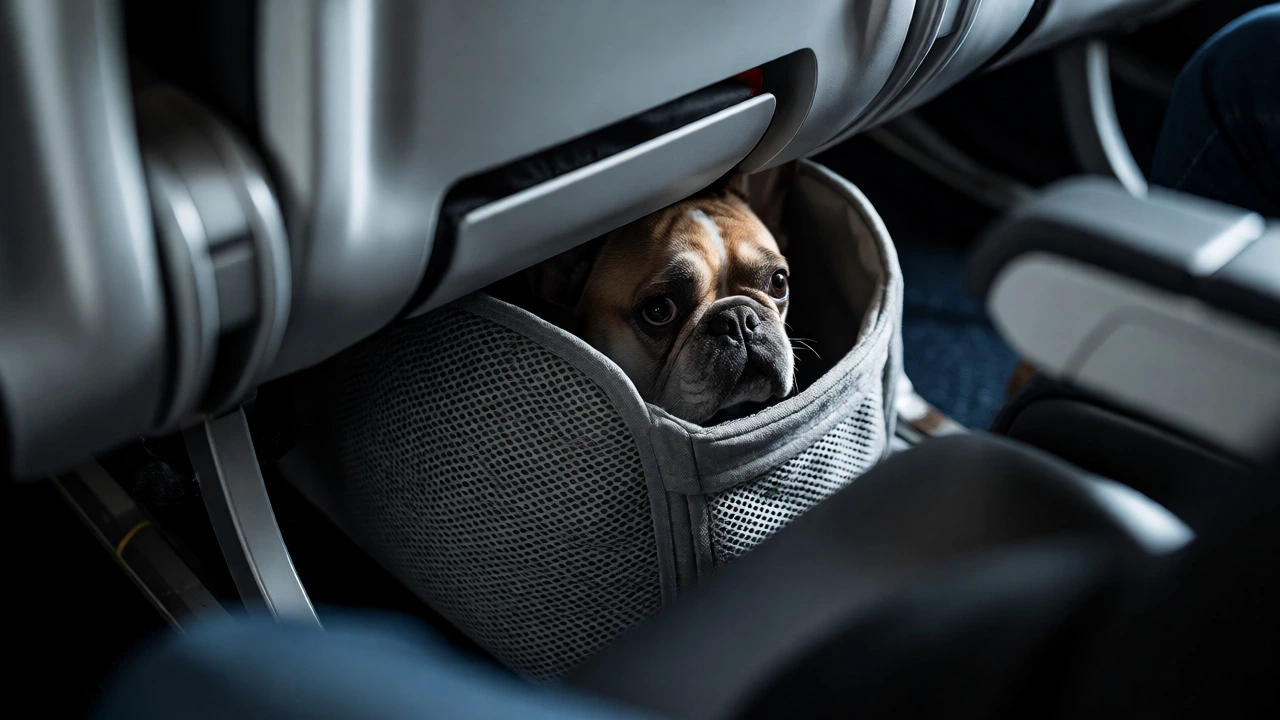
For 95% of commercial flights operated by major carriers like Delta, United, American Airlines, Qantas, or Air New Zealand, your dog does not get a seat. They are considered "carry-on baggage" in terms of storage location, even though they are living creatures. The Federal Aviation Administration (FAA) and international equivalents require that any animal in the cabin be contained in a soft-sided or hard-sided carrier that stows completely under the seat in front of you.
This means your dog’s "seat" is essentially the floor space beneath the row ahead. If your dog is small enough, this works fine. But what if you have a medium-sized breed like a French Bulldog or a Cocker Spaniel? Many owners assume that if they pay for an extra seat, their dog can sit on it. Unfortunately, most airlines prohibit this. Why? Because an unbuckled dog on a seat can interfere with oxygen mask deployment or block aisle access during evacuation drills. Even if you put them in a harness, the FAA doesn't certify standard dog harnesses as crash-tested restraint systems for aircraft seats.
The Exception: When You CAN Buy a Seat
There are specific scenarios where buying a seat for your dog becomes possible, though it comes with strict caveats. These exceptions are rare and usually involve smaller regional airlines or specific international routes.
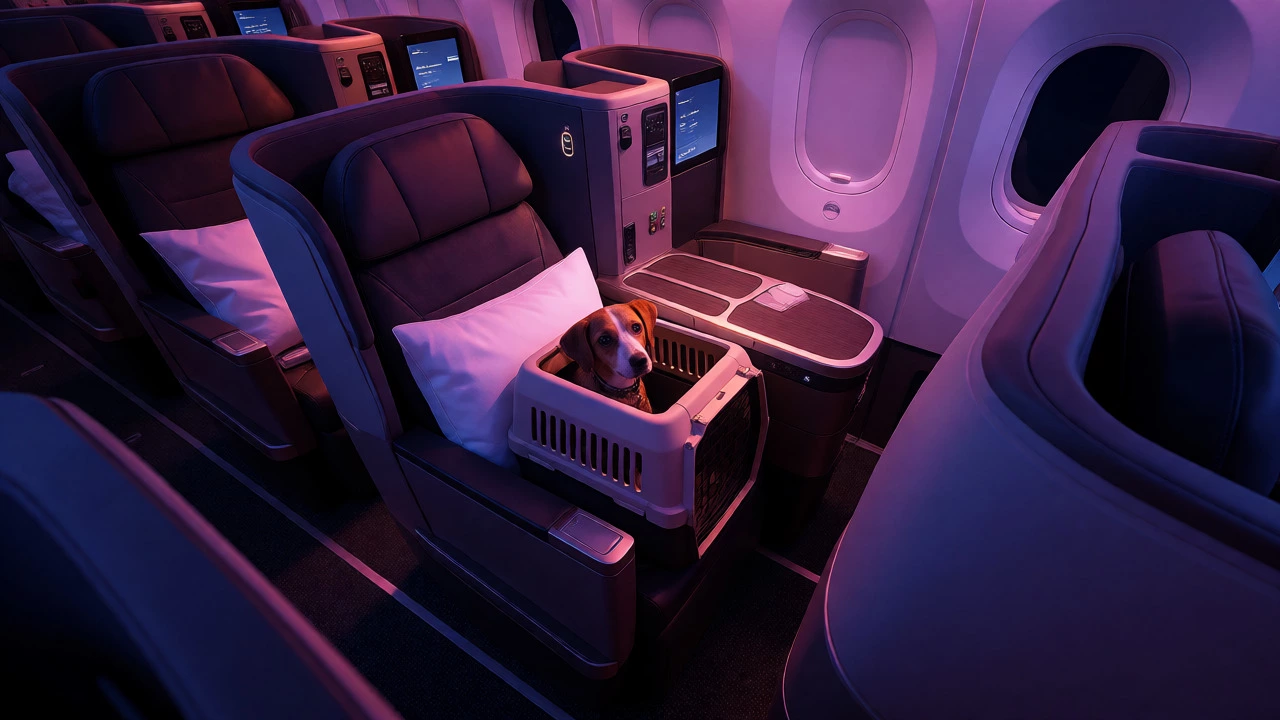
1. JetBlue's Mint Class: JetBlue has historically been one of the few major US carriers allowing pets to occupy a seat, but only in their premium Mint business class. Even then, the pet must be in a carrier that fits within the seat dimensions, and the price tag is significantly higher than standard fare. It’s less about giving the dog a chair and more about paying for the privilege of having the carrier on the seat rather than under it.
2. Regional Carriers in Europe and Asia: Some European low-cost carriers, such as certain iterations of Ryanair or Wizz Air in the past, have experimented with seating pets if the owner purchases an adjacent seat. However, policies change frequently. In Japan, some domestic airlines allow pets on seats if they are secured in a crate that meets specific weight and dimension criteria, often charging the equivalent of a child’s fare.
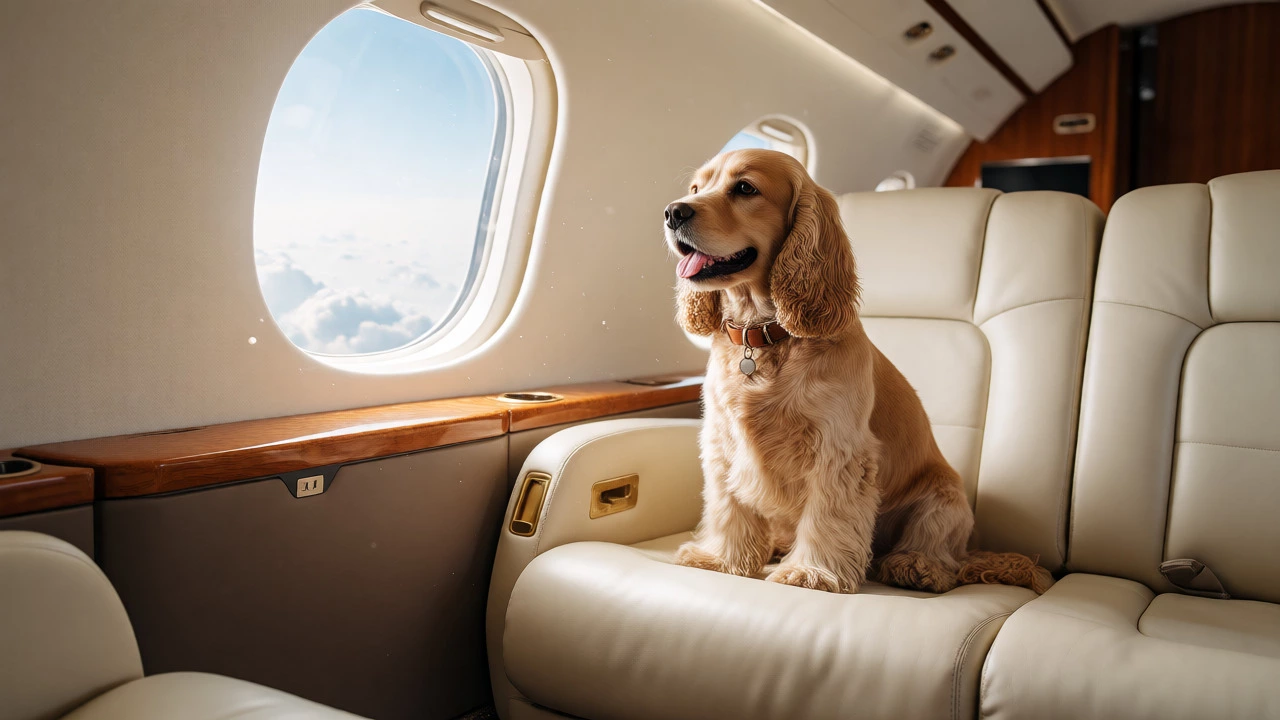
3. Private Charters: If money is no object, a private jet charter is the ultimate loophole. Here, your dog isn't just allowed; they're a VIP guest. There are no under-seat restrictions. Your dog can sit on the leather sofa, wear a custom collar, and enjoy the legroom. But remember, you’re paying thousands per hour for the aircraft, not just a seat ticket.
Why Airlines Say No: Safety and Space
You might think, "My dog is well-behaved. He won’t move." But aviation regulators look at worst-case scenarios. During takeoff and landing, G-forces increase. A 20-pound dog suddenly becoming a 60-pound projectile if not properly restrained is a hazard to everyone around them. Standard seatbelts are designed for humans with specific bone structures and center-of-gravity points. Dogs lack the shoulder width to use a lap belt safely without specialized harnesses that anchor to the seat frame, which most economy seats don’t support.
Furthermore, space is a commodity. If every passenger with a medium-sized dog bought an extra seat, airlines would lose revenue from empty middle seats that could otherwise hold a paying human. By forcing pets under the seat, airlines maximize their load factor. It’s a cold business calculation, but it explains why you can’t just upgrade your pug to first class easily.
Cost Breakdown: Is It Worth It?
If you find an airline that allows a pet on a seat, expect to pay a premium. Here is how the costs typically stack up compared to standard cabin pet fees.
| Travel Option | Average Cost (USD) | Dog Comfort Level | Availability |
|---|---|---|---|
| Cabin (Under Seat) | $95 - $125 (one-way) | Low/Medium (Cramped) | All Major Airlines |
| Cargo Hold | $200 - $500+ | Variable (Noisy/Cold) | Major Airlines (Long Haul) |
| Pet Seat (JetBlue Mint) | $400+ (Premium Fare Diff) | High (On Seat) | Limited Routes |
| Private Charter | $2,000 - $10,000+ | Extreme (VIP) | Charter Services |
Notice the gap between the $125 cabin fee and the $400+ premium for a seat. For most travelers, the discomfort of a cramped carrier for a four-hour flight is worth saving $300. But if you’re flying across the Pacific for 12 hours, that calculation changes. In those cases, many owners opt for cargo travel with temperature-controlled holds, provided the airline has a good safety record for live animals.
Alternatives to Buying a Seat
If you can’t buy a seat, how do you make the trip bearable for your dog? The key is preparation and choosing the right gear. You can’t give them a chair, but you can give them luxury within the constraints of the under-seat box.
- Invest in a High-Quality Soft-Sided Carrier: Hard plastic crates are heavy and bulky. Modern soft-sided carriers made from breathable mesh allow airflow and let your dog see out slightly, reducing anxiety. Look for brands like Sherpa or SturdiProducts that offer expandable sides. An expandable carrier gives your dog an extra few inches of wiggle room when the seatbelt sign is off.
- Use a Calming Aid: Consult your vet about mild sedatives or natural calming supplements like Zylkene or Adaptil pheromone sprays. Never sedate a dog heavily before a flight unless directed by a vet, as altitude can affect breathing. A calm dog occupies less space mentally and physically.
- Pre-Flight Exercise: A tired dog is a quiet dog. Take your pup for a long walk two hours before the flight. A deflated balloon doesn’t bounce around; a tired dog stays still.
International Considerations and Quarantine
If you’re flying internationally, buying a seat is rarely the main hurdle. Entry requirements are. Countries like Australia and New Zealand have strict biosecurity laws. You can’t just hop on a plane with your dog and land in Auckland or Sydney without prior arrangements. Most countries require microchipping, rabies vaccination, and sometimes blood titer tests done months in advance.
Some countries, including Iceland and the UK, have specific rules about which airlines can bring pets directly into the cabin versus requiring cargo handling. Always check the destination country’s government agriculture department website, not just the airline’s page. The airline tells you how to fly; the government tells you if you’re allowed to land.
Final Verdict: Should You Try?
Unless you are flying JetBlue Mint or a private charter, stop trying to buy a seat for your dog. It’s a logistical nightmare that most gate agents will reject on the spot. Save your money for a high-quality carrier and a treat bag. Your dog doesn’t care about legroom; they care about being near you. As long as they are safe, hydrated, and close to your feet, they’ll survive the flight. And honestly, so will you, especially if you didn’t waste $300 on a seat that wasn’t necessary.
Can my dog sit on my lap during the flight?
No, generally not. Most airlines require the pet to remain in its carrier under the seat in front of you for the entire duration of the flight, including taxiing, takeoff, and landing. You may be able to remove the pet from the carrier briefly if the seatbelt sign is off, but they must stay on the floor and not on your lap or other passengers' laps.
Which airlines allow pets to buy a seat?
Very few major commercial airlines allow pets to purchase a seat. JetBlue has offered this option in their Mint business class on select routes. Some regional carriers in Europe or Asia may permit it under specific conditions, but it is not the industry standard. Always verify directly with the airline before booking.
What happens if my dog is too big for the under-seat space?
If your dog exceeds the airline's size and weight limits for in-cabin travel, they must travel in the cargo hold. This area is pressurized and temperature-controlled, similar to the cabin. Ensure you book a direct flight if possible to minimize stress and handling time.
Do emotional support animals get free seats?
As of recent regulatory changes in the US and many other countries, emotional support animals (ESAs) are no longer guaranteed free cabin access. Most airlines now classify ESAs as regular pets, meaning they must fit in a carrier under the seat and pay the associated pet fee. Psychiatric service dogs trained to perform tasks may still have different privileges, but documentation requirements are stricter.
Is it safer for my dog to fly in the cabin or cargo?
The cabin is generally safer because you can monitor your dog’s stress levels and ensure they are hydrated. Cargo areas are modern, pressurized, and heated, but risks include extreme temperatures during ground loading/unloading and potential mishandling. For small dogs, cabin travel is preferred. For large dogs, cargo is often the only option, so choose an airline with a strong reputation for pet care.