Dog Food Budget Calculator
Estimated Cost Breakdown
Staring at the grocery bill while holding a bag of premium kibble is a universal experience for pet owners. You want your dog to thrive, but you also need to keep money in your pocket for rent, utilities, and other essentials. The good news? Feeding your dog well doesn't require an empty wallet. In fact, some of the most nutritious diets are surprisingly affordable if you know where to look and what to avoid.
The myth that 'expensive equals healthy' has been sold to us by marketing departments, not veterinarians. A $100 bag of kibble isn't necessarily better than a $30 bag if the ingredient profile is similar. By understanding basic canine nutrition, shopping smart, and utilizing whole foods strategically, you can cut your monthly pet food costs by up to 40% without sacrificing health. Here is how to find the sweet spot between budget and biology.
Understanding the Real Cost of Dog Food
Before picking a brand or a recipe, you need to shift your perspective from price per bag to cost per calorie. This is the single most important metric in budget pet feeding. A large bag of low-quality kibble might seem cheap upfront, but if it’s filled with fillers like corn gluten meal or excessive fiber, your dog won’t absorb enough nutrients. They’ll remain hungry, eat more volume, and you’ll go through bags faster.
High-quality proteins-like chicken, beef, or fish-are expensive. Fillers are cheap. If a food lists 'chicken meal' as the first ingredient, it’s concentrated protein. If it lists 'wheat' or 'corn' first, you’re paying for bulk. To calculate true value, look at the Guaranteed Analysis on the back of the bag. Focus on the crude protein percentage. Higher protein generally means higher satiety and better muscle maintenance, which often justifies a slightly higher price tag because you use less product overall.
Is generic store-brand dog food actually bad?
Not necessarily. Many supermarket brands meet AAFCO (Association of American Feed Control Officials) standards for complete and balanced nutrition. However, they often rely on cheaper fat sources and lower-grade proteins. Always check the ingredient list. If the first five ingredients include recognizable meats and vegetables rather than vague by-products or excessive grains, it can be a viable budget option. The key is consistency; switching brands frequently can upset your dog's stomach.
The Kibble Strategy: Buying Smart
For most people, dry kibble remains the most cost-effective staple. It’s shelf-stable, easy to store, and generally the cheapest option per calorie. But not all kibbles are created equal. To save money here, you need to become a label detective.
- Buy in Bulk: Large breed owners should consider 30lb to 50lb bags. The price per pound drops significantly compared to small 5lb bags. Just ensure your storage container is airtight to prevent fats from going rancid.
- Look for Sales and Subscribe: Many online retailers offer subscription discounts ranging from 5% to 15%. Combine this with seasonal sales. Stock up when prices dip, provided you have the storage space.
- Choose Single-Protein Formulas: Multi-protein blends (chicken, lamb, fish) sound fancy but drive up costs. A simple chicken-and-rice formula is often cheaper and easier for dogs to digest, reducing vet bills related to allergies or sensitivities.
Avoid 'premium' labels that promise superfoods like blueberries or quinoa unless your dog specifically needs them. These add cost but minimal nutritional benefit for the average healthy dog. Stick to basics: meat, grain (or potato), and essential vitamins.
Homemade Meals: The Budget Hack
If you think homemade dog food is expensive, you’re likely thinking of boutique recipes with organic salmon and kale. That’s one way to do it, but there’s a leaner approach. Whole-food cooking allows you to buy ingredients at their lowest market price and control exactly what goes into the bowl.
The secret to cheap homemade dog food is using human-grade leftovers and sale items. Chicken thighs are often cheaper than breasts. Ground beef is affordable when bought in bulk. Rice and oats are pantry staples that provide necessary carbohydrates for energy. Vegetables like carrots, peas, and spinach are inexpensive and packed with fiber and vitamins.
| Ingredient | Avg. Cost per lb (USD) | Nutritional Value | Budget Verdict |
|---|---|---|---|
| Chicken Thighs | $1.50 - $2.50 | High protein, high fat | Excellent |
| Ground Beef (80/20) | $3.00 - $4.00 | High protein, high iron | Good |
| Dry Beans/Lentils | $0.50 - $1.00 | Fiber, plant protein | Great filler |
| Rice (White/Brown) | $0.30 - $0.60 | Carbohydrates, energy | Essential base |
| Organic Salmon | $8.00+ | Omega-3 fatty acids | Treat only |
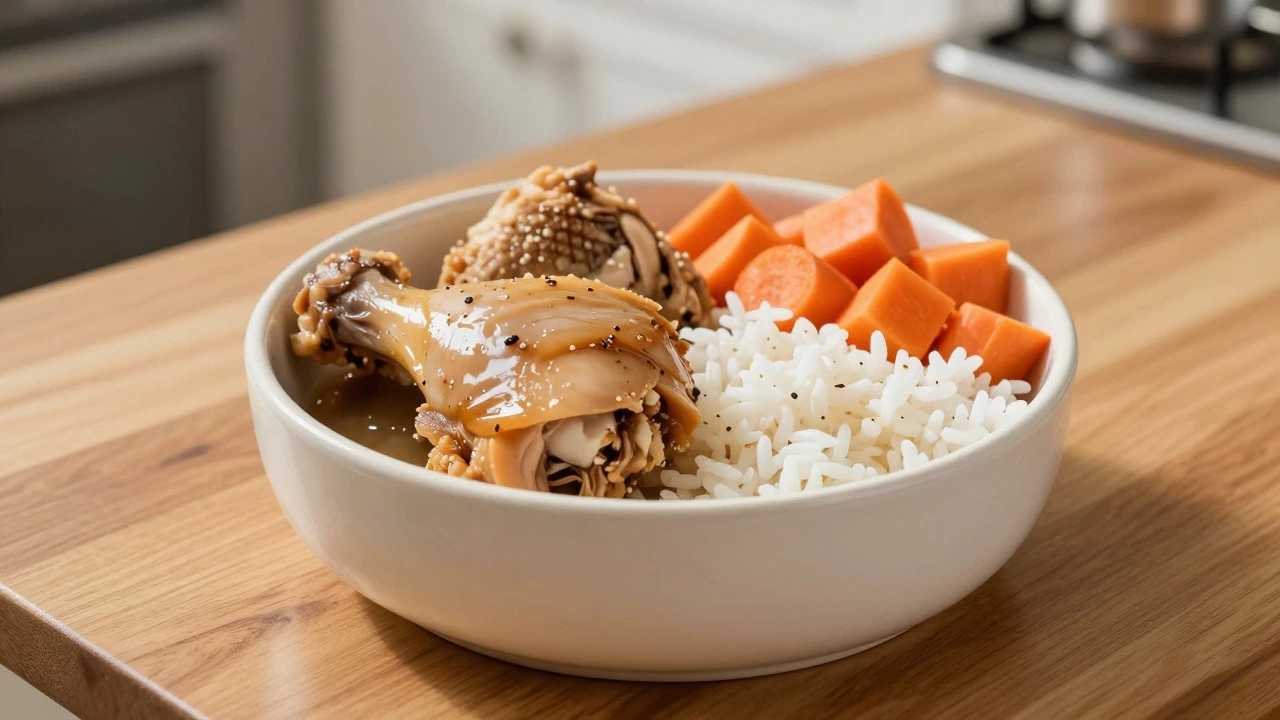
A simple, balanced budget recipe involves boiling chicken thighs, mixing them with cooked rice and chopped carrots, and adding a calcium supplement (like crushed eggshells or a vet-recommended powder). This combination provides protein, carbs, and veggies for a fraction of the cost of commercial wet food. Just remember: homemade diets must be balanced. Consult a veterinary nutritionist or use a trusted calculator to ensure you’re meeting all micronutrient requirements, especially calcium and phosphorus ratios.
Mixing Methods: The Hybrid Approach
You don’t have to choose between 100% kibble or 100% homemade. The hybrid method is often the smartest financial move. Start with a high-quality, affordable kibble as the base (about 70-80% of the meal). Then, top it off with cheap, fresh additions like boiled eggs, plain yogurt (if lactose-tolerant), or steamed broccoli.
This approach boosts palatability, so your dog finishes the bowl and wastes less food. It also adds moisture and fresh nutrients without the high cost of buying entirely fresh meals. For example, cracking one egg over a cup of kibble adds high-quality protein and biotin for pennies. It turns a dry, boring meal into something exciting, encouraging better digestion and satisfaction.
Hidden Costs to Avoid
Saving money on food is pointless if you spend it all on vet bills due to poor nutrition. The cheapest food that causes pancreatitis, obesity, or dental disease is the most expensive choice in the long run. Watch out for these pitfalls:
- Too Much Fat: Cheap foods often use animal fat by-products. While energy-dense, too much can lead to weight gain and digestive issues. Measure portions strictly.
- Lack of Dental Care: Soft foods and moistened kibble don’t clean teeth. Incorporate safe chew toys or raw bones (supervised) to maintain oral health and avoid costly extractions later.
- Overfeeding: Obesity is the number one health issue in pets and costs thousands in treatment. Use a measuring cup. Most dogs are fed 20-30% more than they need. Reducing portion sizes to match their actual caloric needs saves money and extends lifespan.
Local and Seasonal Opportunities
Depending on where you live, local markets can be goldmines. Butcher scraps, such as necks, backs, and feet, are often sold cheaply or given away. These parts are rich in collagen, glucosamine, and natural cartilage, which support joint health. If you have a freezer, buy these in bulk during sales. Cook them thoroughly if your dog isn’t accustomed to raw feeding, or freeze them to kill bacteria.
In Auckland, for instance, local farmers' markets often sell surplus vegetables at reduced prices near closing time. Carrots, pumpkins, and sweet potatoes are excellent, cheap additions to dog meals. Building relationships with local butchers can also yield discounts on trimmings and less popular cuts that are perfectly nutritious for dogs.
Final Thoughts on Budget Feeding
Feeding your dog well on a budget is about strategy, not sacrifice. It requires reading labels, cooking occasionally, and avoiding marketing hype. By focusing on nutrient density rather than brand prestige, you can provide a diet that keeps your dog active, shiny-coated, and happy. Start small: swap one expensive treat for a homemade alternative, or try topping kibble with a boiled egg. Track your spending and your dog’s health. You’ll likely find that saving money and improving nutrition go hand in hand.
Can I feed my dog table scraps to save money?
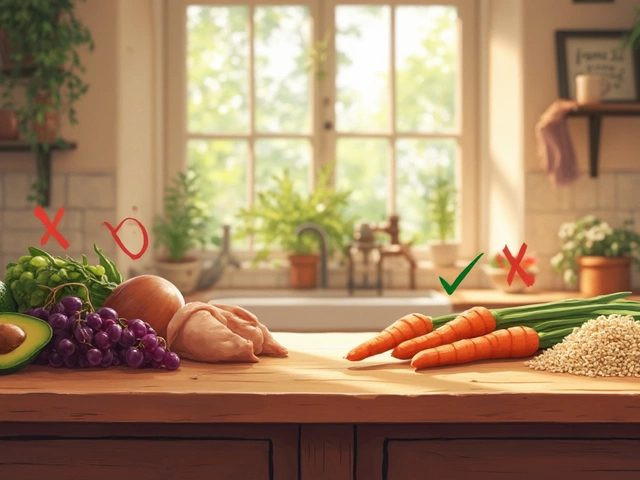
Yes, but with caution. Plain, unseasoned meats, vegetables, and grains are fine. Avoid foods high in salt, sugar, or spices. Never feed onions, garlic, grapes, raisins, chocolate, or xylitol-containing products, as these are toxic to dogs. Table scraps should supplement, not replace, a balanced diet to avoid nutritional deficiencies.
Is wet food cheaper than dry food?
Generally, no. Wet food contains about 70-80% water, meaning you’re paying mostly for water. Dry kibble is more calorie-dense and costs significantly less per serving. However, wet food can be useful for dogs with dental issues or those who need extra hydration. Use it as a topper rather than a full meal to balance cost and benefits.
How do I transition my dog to a new, cheaper food?
Transition slowly over 7-10 days to avoid digestive upset. Start with 25% new food and 75% old food. Gradually increase the ratio of new food every two days until fully switched. Monitor stool quality and energy levels. If diarrhea occurs, slow down the transition or consult your vet.
Are grain-free diets worth the extra cost?
Only if your dog has a specific grain allergy, which is rare. Most dogs tolerate grains like rice, wheat, and corn well. Grain-free diets are often more expensive due to trendy ingredients like peas and lentils. Unless advised by a vet, stick to grain-inclusive formulas to save money without compromising health.
What is the cheapest protein source for dogs?
Chicken and turkey are typically the most affordable animal proteins. Plant-based proteins like soy or pea protein are cheaper but less bioavailable for dogs. For a balanced budget diet, combine chicken with legumes and grains to maximize nutrition while minimizing cost.