Puppy Mill Red Flag Detector
Use this tool to evaluate a breeder or seller. Check the boxes that apply to your situation.
You’re planning a dog friendly holidays getaway. You’ve booked the cabin, packed the treats, and maybe even scouted a local breeder because you want a new companion to join your travels. But here is the hard truth: not all places are created equal when it comes to protecting dogs. Some U.S. states have weak regulations that allow commercial breeding facilities-often called puppy mills-to operate with little oversight. If you are looking to add a furry friend to your travel squad, knowing where these operations thrive can save you from heartbreak and support better animal welfare.
The Reality of Puppy Mill Hotspots
When people ask which states are the "worst" for puppy mills, they are usually asking where the laws are loosest or where the volume of commercial breeding is highest. While no state has completely eradicated the problem, certain regions stand out due to a combination of lax legislation, agricultural exemptions, and high demand for specific breeds.
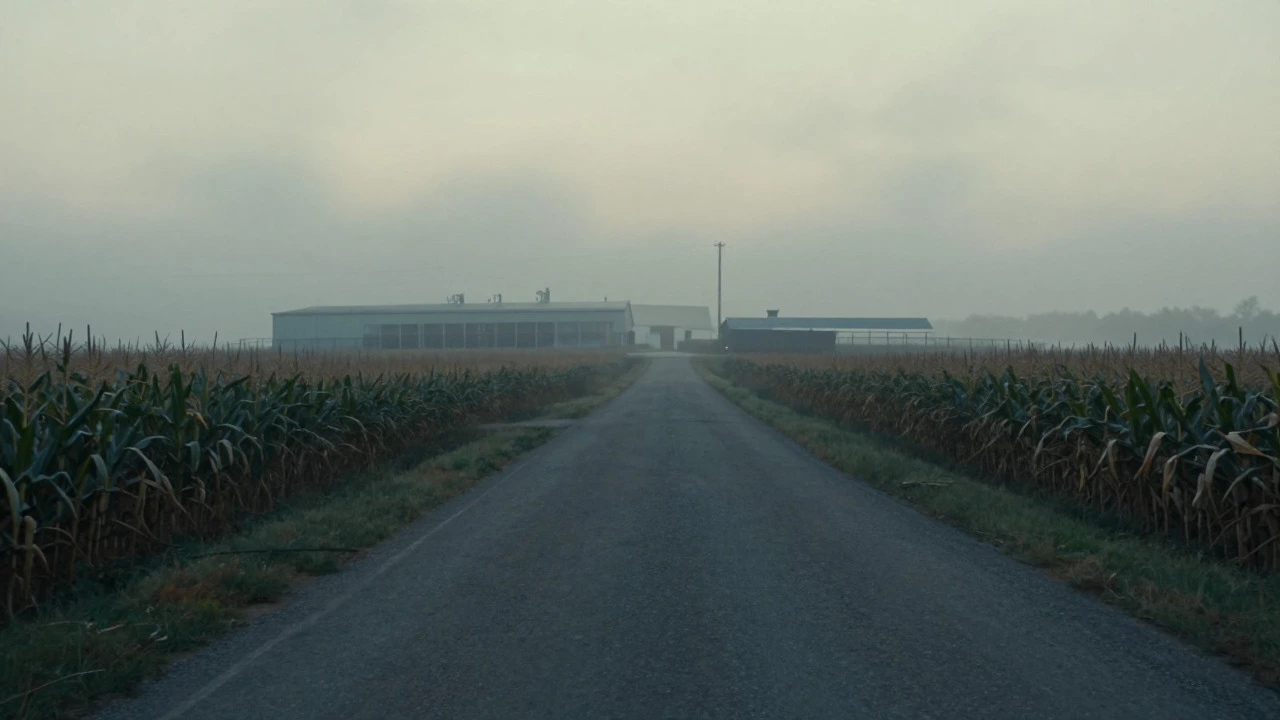
Texas, Missouri, and Iowa frequently top lists compiled by animal welfare organizations. These states often classify kennels as agricultural businesses, which shields them from standard health and safety inspections. In Texas, for example, large-scale breeders can operate under minimal regulatory scrutiny if they meet certain acreage requirements. This means a facility might house hundreds of dogs in cramped conditions without ever being visited by an inspector unless a formal complaint is filed.
In Missouri, the lack of mandatory licensing for small-scale breeders creates a loophole. Many puppy mills exploit this by splitting their operations into smaller units to avoid stricter rules. Iowa has historically struggled with enforcement of its kennel license laws, leading to numerous undercover investigations revealing poor living conditions, untreated illnesses, and social deprivation among breeding dogs.
Why Geography Matters for Your Holiday Companion
If you are traveling across state lines, understanding these geographic risks is crucial. Puppy mills don’t just sell locally; they ship puppies nationwide via mail-order pet shops or online marketplaces. A puppy bought from a seemingly reputable site in California might have been bred in a facility in Kentucky or Indiana. These midwestern states are also known hotspots due to similar agricultural exemptions and lower costs of operation.
For travelers, this means the "origin story" of your dog matters more than the zip code where you met them. When you adopt or buy a dog during your holiday, you are importing that dog’s history into your life. Dogs from mill backgrounds often suffer from behavioral issues like fearfulness, aggression, or lack of housebreaking skills because they were never properly socialized as puppies. This can turn a relaxing vacation into a stressful ordeal, especially if you are staying in rental properties with strict pet policies.
Red Flags to Watch For on the Road
Whether you are browsing online listings before your trip or visiting a local breeder in a rural area, keep these warning signs in mind. These indicators apply regardless of the state, but they are more common in regions with weak enforcement.
- No Home Visits Allowed: Ethical breeders want to show you where the dogs live. If they insist on meeting at a parking lot or a neutral location, be suspicious.
- Puppies Available Immediately: Responsible breeders usually have waitlists. If they have multiple litters of popular breeds ready to go right now, it suggests a factory-like production model.
- Vague Health Guarantees: Look for written contracts that include health screenings for parents (like OFA hips/elbows) and a guarantee against genetic defects. Vague promises mean nothing.
- Pressure Tactics: "This puppy won’t last the night!" is a classic sales pitch designed to make you skip due diligence.
- Online-Only Sales: If you never see the mother or the environment, you are likely buying from a mill.
Comparison: Mill-Bred vs. Ethically Raised Puppies
| Feature | Puppy Mill Background | Ethical Breeder/Rescue |
|---|---|---|
| Socialization | Minimal; confined to cages | Extensive; exposed to sounds, people, surfaces |
| Health Records | Often missing or falsified | Complete vet records, vaccination history |
| Behavioral Issues | High risk of fear/anxiety | Generally stable, confident temperament |
| Cost Over Time | Higher due to medical bills | Predictable, lower long-term costs |
| Parent Access | Rarely allowed to meet parents | Open access to meet both parents |
Better Alternatives for Traveling Dog Lovers
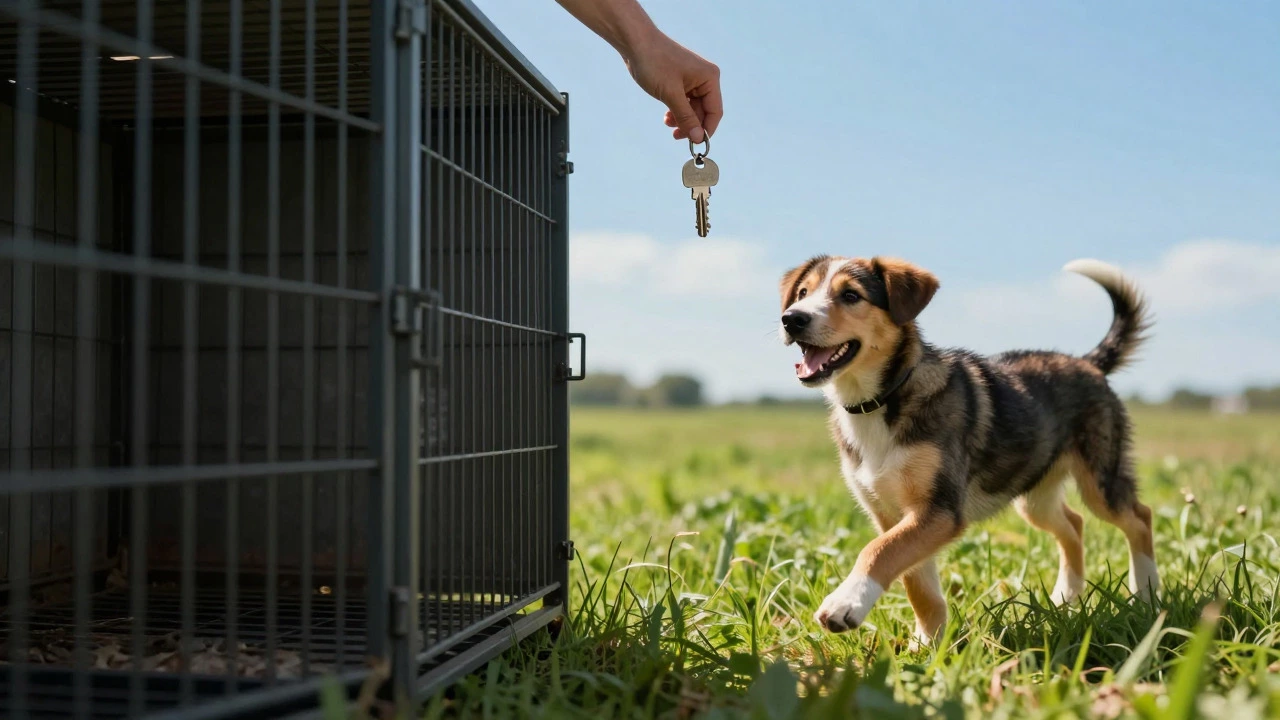
If your goal is to enjoy a dog-friendly holiday with a well-adjusted companion, consider shifting your approach. Instead of seeking out breeders in high-risk states, look into rescue organizations or foster-based programs. Many rescues specialize in adult dogs who are already house-trained and socialized, making them ideal travel partners. You skip the messy puppy phase and get a dog whose personality is fully formed.
Another option is fostering. If you are unsure about committing long-term, fostering a dog through a local shelter allows you to test the waters. It’s a low-commitment way to see if dog ownership fits your lifestyle while helping an animal in need. Plus, many shelters have networks that can help you find a permanent home if you decide to keep the dog after your holiday.
For those set on a purebred, seek out breed-specific rescues. These groups often have dogs of various ages and sizes available, and they thoroughly screen potential adopters to ensure a good match. They also provide detailed histories, so you know exactly what you are getting into.
Supporting Change Through Consumer Choice
Your purchasing power has impact. Every time you choose a rescue over a mill-bred puppy, you vote for better animal welfare. Support legislation that strengthens kennel inspection laws and bans puppy mill sales in pet stores. Several states, including New York and Illinois, have passed strong laws banning the sale of puppies from commercial breeders in retail settings. Advocating for similar laws in other states helps close the loopholes that allow mills to thrive.
Educate fellow travelers. Share your experiences and knowledge about red flags with friends and family. The more aware people become, the harder it becomes for mills to disguise their practices as legitimate breeding operations.
Which states have the strictest laws against puppy mills?
States like New York, Illinois, and Washington have some of the strongest regulations. New York banned the sale of puppies from commercial breeders in pet stores in 2020. Illinois requires rigorous licensing and inspections for kennels. Washington has strict standards for space, exercise, and veterinary care.
How can I tell if a breeder is ethical?
An ethical breeder will invite you to visit their home, introduce you to the puppy’s mother, provide health clearances for both parents, and ask you questions about your lifestyle. They should also have a contract that includes a take-back clause, ensuring the dog is returned to them if you can no longer care for it.
Are all dogs from Texas or Missouri from puppy mills?
No, not all dogs from these states are from mills. There are many responsible breeders and rescues in every state. However, these states have higher concentrations of commercial breeding facilities due to weaker regulations, so extra due diligence is recommended.
What should I do if I suspect a puppy mill while traveling?
Document everything with photos and videos if safe to do so. Report the facility to local animal control, the state agriculture department, or national organizations like the ASPCA or Humane Society. Provide specific details about the address, number of dogs, and observed conditions.
Is it safer to adopt an adult dog for travel?
Yes, adopting an adult dog is often safer and easier for travel. Adult dogs have established temperaments, are usually house-trained, and require less intensive care than puppies. This makes them more adaptable to new environments and routines associated with holidays.