Canine Bedtime & Sleep Needs Calculator
Enter your dog's details to see their personalized sleep plan.
Why This Matters: Key Insights from the Article
Dogs are most active at dawn and dusk. Don't expect them to be fully asleep just because you are; they need a wind-down period where cortisol levels drop.
Blue light from screens suppresses melatonin. Switch to warm, dim lighting an hour before bed to signal that "hunting season is over."
Feed at least 2 hours before bedtime. Digestion generates heat and metabolic activity, which can keep dogs alert and cause midnight bathroom trips.
You’re watching Netflix at 10 PM, and your dog is pacing the living room like a tiny, furry security guard. You’re exhausted, but they seem wide awake. Or maybe it’s the opposite: you’re trying to get some work done, but your pup has been snoring on the rug since 4 PM. It begs the question: what time should dogs go to sleep? The answer isn’t a single number on the clock. It depends entirely on age, breed, and how much energy they’ve burned during the day.
Unlike humans, who generally stick to a rigid circadian rhythm driven by societal norms, dogs are crepuscular animals that are most active during twilight hours (dawn and dusk). This biological wiring means their sleep patterns are flexible. However, establishing a consistent routine helps prevent behavioral issues and ensures they get the restorative rest they need. If you’re struggling with a dog that won’t settle down or wakes up way too early, understanding their natural sleep architecture is the first step to fixing the chaos.
The Short Answer: Age Matters Most
If you want a quick rule of thumb, look at your dog’s life stage. Adult dogs typically need between 12 and 14 hours of sleep per day. Puppies, however, are growing machines. They require 18 to 20 hours of sleep because their bodies are doing heavy lifting while they nap. Senior dogs often return to higher sleep requirements, sometimes hitting 16 to 18 hours, as their metabolism slows and joints ache.
So, when should they actually hit the hay? For an average adult dog in Auckland, where sunset times vary significantly between summer and winter, aiming for lights-out between 9 PM and 10 PM is usually effective. This aligns with the end of the human day, allowing the dog to wind down after dinner and evening walks. But remember, this isn’t about forcing them into unconsciousness at a specific minute. It’s about creating a buffer period where activity drops, allowing their cortisol levels to fall before they enter deep sleep cycles.
| Life Stage | Total Daily Sleep Hours | Recommended Bedtime Window | Key Behavior Notes |
|---|---|---|---|
| Puppy (8 weeks - 6 months) | 18-20 hours | Early (7:30 PM - 8:30 PM) | Needs frequent naps; prone to 'zoomies' if overtired. |
| Adult (1 - 7 years) | 12-14 hours | Standard (9:00 PM - 10:00 PM) | Stable pattern; benefits from consistency. |
| Senior (7+ years) | 14-18 hours | Flexible (Varies with pain/comfort) | May wake frequently due to joint pain or cognitive decline. |
Why Your Dog Won’t Sleep When You Do
It’s frustrating when you’re ready for bed, but your dog seems wired. Often, this isn’t stubbornness-it’s biology or environment. Dogs don’t produce melatonin in the same predictable waves we do. Their sleep is triggered more by physical exhaustion and environmental cues than by internal clocks alone. If you haven’t exercised them enough, their body simply doesn’t have the signal to shut down.
Consider the lighting in your home. Blue light from screens suppresses melatonin production in humans, and emerging research suggests similar effects in canines. If your dog sleeps near the TV or under bright LED strips, they might stay alert longer. Switching to warm, dim lighting an hour before bed can trigger a physiological shift toward relaxation. Think of it as signaling to their brain that the hunting season is over and it’s safe to power down.
Another common culprit is food timing. Feeding a large meal right before bed can cause discomfort or the urgent need to eliminate, disrupting sleep onset. Digestion generates heat and metabolic activity, which keeps the body alert. Try feeding your dog at least two hours before their intended bedtime. This gives their system time to process the food, reducing the chance of midnight bathroom trips or restless tossing and turning.
Creating a Wind-Down Routine
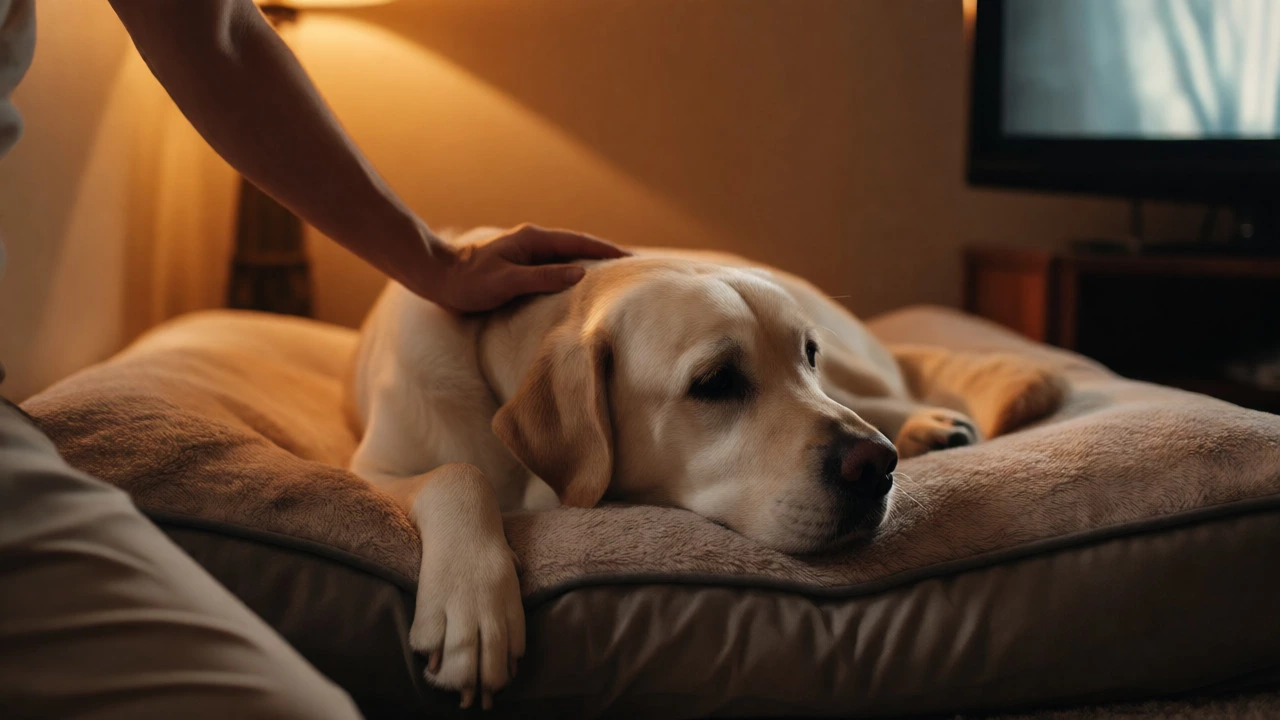
Dogs thrive on predictability. If you want them to sleep at a reasonable hour, you need a pre-sleep ritual. This doesn’t need to be complicated. In fact, simple is better. Start 30 to 60 minutes before bed by lowering the energy level in the house. Stop playing fetch. Stop inviting them onto the couch for high-energy wrestling matches.
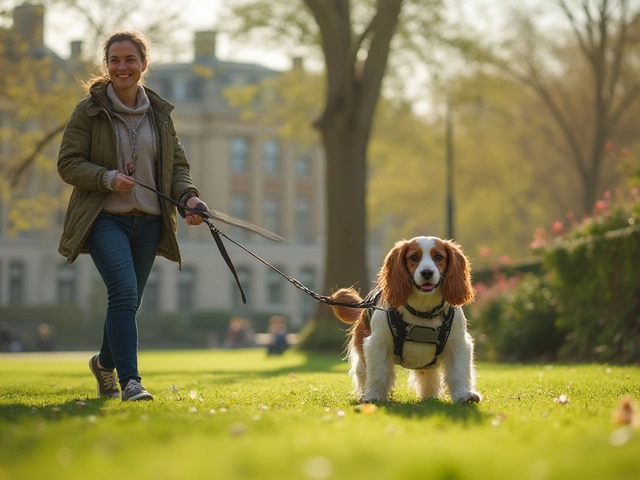
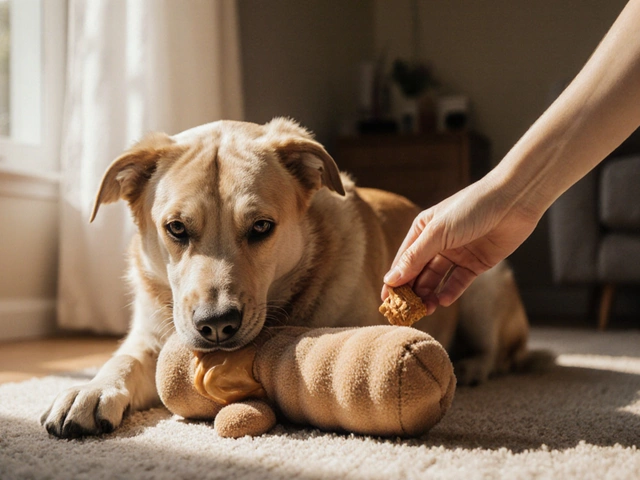
Instead, engage in low-intensity activities. Brushing their coat is excellent for this. It’s calming, promotes bonding, and physically tires them out slightly without raising their heart rate. Follow this with a final, short potty walk. Keep this walk boring. No sniffing adventures, no meeting neighbors. Just business. Once back inside, offer a small, chewy treat like a dental stick or a frozen Kong. Chewing releases endorphins and lowers stress hormones, acting as a natural sedative.
Finally, guide them to their designated sleeping spot. Whether it’s a crate, a bed on the floor, or your own mattress, make sure it’s comfortable. If you’re looking to improve their comfort, investing in quality dog beds designed for orthopedic support or thermal regulation can make a massive difference. A dog that feels physically supported is far more likely to drift off quickly than one shivering on a hard tile floor.
Troubleshooting Common Sleep Issues
Not every sleep problem is solved by a bedtime routine. Sometimes, there’s an underlying issue. If your dog suddenly changes their sleep habits-sleeping all day but panicking at night-it could indicate anxiety or pain. Separation anxiety is a major disruptor. Dogs with this condition may pace, whine, or scratch at doors when left alone at night, even if they were tired earlier.
For senior dogs, sudden nighttime confusion might point to Canine Cognitive Dysfunction (CCD), often called dog dementia. These dogs may get lost in the house, bark at shadows, or fail to recognize family members. In these cases, keeping the night environment familiar is crucial. Avoid moving furniture or changing bedding scents abruptly. A nightlight can also help disoriented seniors navigate without panic.
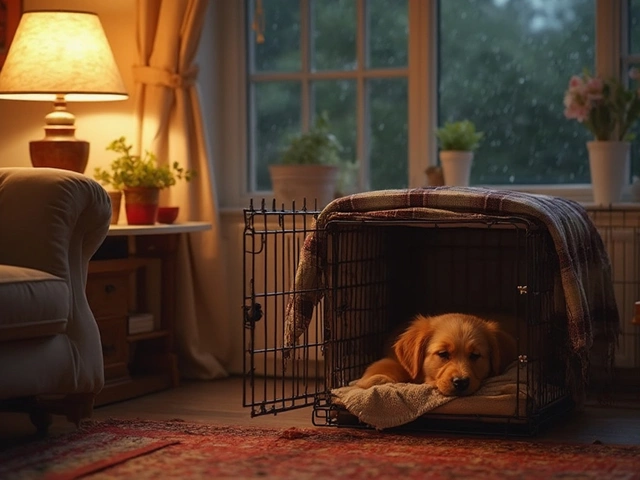
Younger dogs might suffer from "FOMO" (Fear Of Missing Out). If they see you still active while they’re crated, they’ll fight sleep. Crate training helps here by providing a den-like space that signals safety and closure. Ensure the crate is covered with a blanket to block visual stimuli. If they settle down within 15 minutes of being crated, the routine is working. If they cry for an hour, you might need to adjust the timing-perhaps they weren’t tired enough yet.
The Role of Environment and Comfort
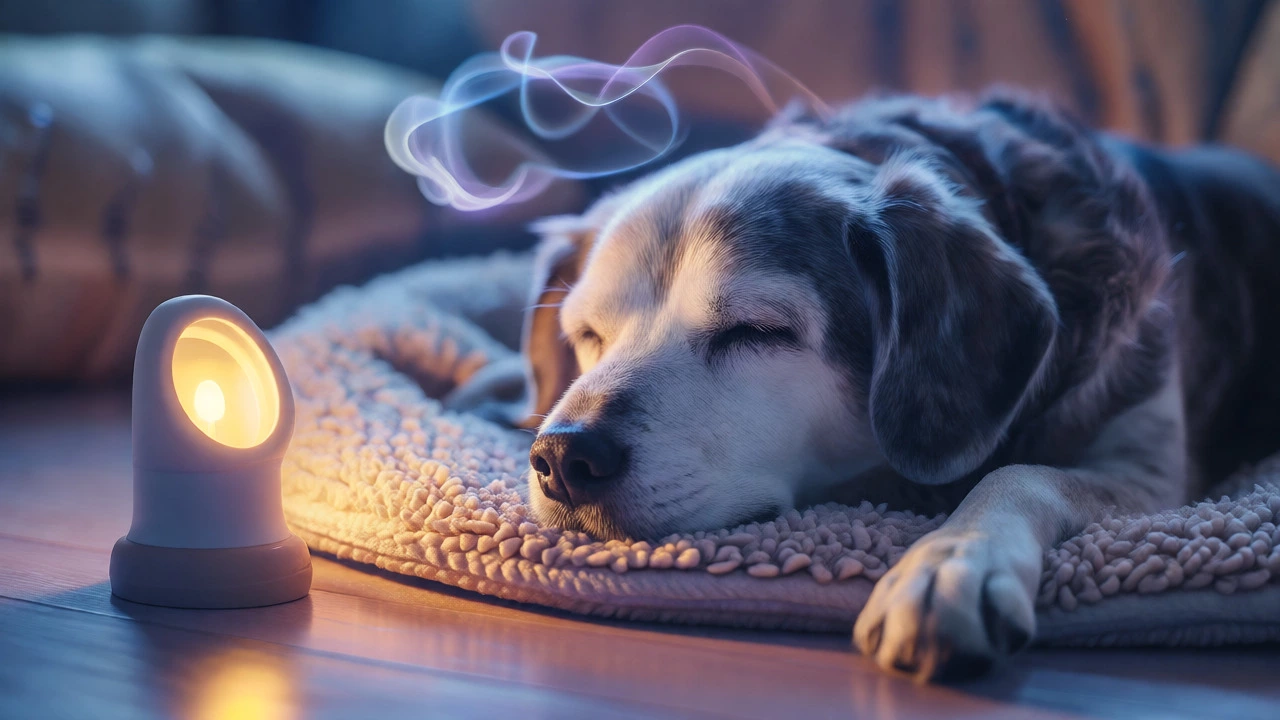
Your dog’s sleeping environment plays a huge role in sleep quality. Temperature control is vital. Dogs regulate body temperature differently than humans; many breeds have thick coats that trap heat. If your bedroom is too warm, your dog will struggle to enter deep REM sleep. Aim for a cool, well-ventilated area. Conversely, short-haired breeds or senior dogs with arthritis might need warmth. Heated pet mats or fleece-lined beds can provide necessary comfort for older joints.
Noise sensitivity is another factor. City dogs in places like Auckland deal with sirens, traffic, and late-night footsteps. Sound masking can help. White noise machines or fans create a consistent audio backdrop that dampens sudden jarring sounds. This prevents the startle reflex that pulls a dog out of light sleep. If your dog sleeps outside, ensure their kennel is insulated against both cold drafts and summer heat.
Hygiene matters too. Dirty bedding accumulates oils, dander, and bacteria, which can cause skin irritation or itching. An itchy dog cannot sleep deeply. Wash dog beds weekly with hypoallergenic detergent. Check for fleas regularly, as flea bites are a leading cause of nighttime scratching and insomnia in dogs. A clean, fresh-smelling bed invites deeper rest.
Adjusting for Lifestyle Changes
Your dog’s ideal bedtime shifts with your schedule. If you work nights, your dog’s sleep cycle will naturally invert to match yours. This is fine, as long as it’s consistent. Dogs adapt to their owner’s rhythms surprisingly well. However, irregular schedules-like working weekends off but weekdays on-can confuse their internal clock. To mitigate this, try to keep wake-up and bedtimes within an hour of variation, even on days off.
Travel also disrupts sleep. Jet lag affects dogs just like humans. If you fly across time zones, expect a few days of adjustment. During this period, expose them to natural sunlight at the new local morning hours to reset their circadian rhythm. Avoid intense exercise immediately upon arrival; let them acclimate gradually. Patience is key here. Don’t force a strict bedtime until their body clock syncs with the new location.
Remember, sleep is not just about resting. It’s when memory consolidation happens. Studies suggest dogs dream similarly to humans, processing the day’s events during REM sleep. Ensuring they get uninterrupted blocks of sleep helps them retain training commands and social cues. A well-rested dog is a trainable dog. So, prioritizing their bedtime isn’t just about getting quiet evenings-it’s about maintaining their mental sharpness and emotional balance.
Do dogs dream?
Yes, dogs dream. Research indicates that dogs experience REM (Rapid Eye Movement) sleep, the stage where dreaming occurs in humans. During this phase, you might notice twitches, paw movements, or soft vocalizations. These dreams likely reflect their daily experiences, such as chasing squirrels or playing fetch.
Should I let my dog sleep in my bed?
This is a personal choice, but it depends on your dog's behavior and your sleep quality. If your dog snores heavily, moves around a lot, or has separation anxiety, co-sleeping might disrupt your rest. Conversely, many owners find comfort in having their dog nearby. If you choose to co-sleep, ensure the bed provides adequate space so neither party is cramped.
Why does my dog pace before lying down?
Pacing is an instinctual behavior inherited from wild ancestors who would trample grass to create a safe, flat sleeping surface. It also helps arrange the bedding for comfort. While normal, excessive pacing can indicate anxiety, discomfort, or a medical issue like arthritis. If the pacing becomes frantic or lasts a long time, consult a vet.
How do I stop my puppy from waking me up early?
Ensure the puppy is fully tired out before bed with mental stimulation and exercise. Make sure they have eliminated right before sleep. Ignore any fussing unless they need to go to the toilet. Reward quiet behavior in the morning rather than reacting to early waking. Consistency is key; waking them at the same time every day helps reset their clock.
Is it bad if my dog sleeps all day?
For puppies and senior dogs, sleeping all day is normal. For adult dogs, excessive daytime sleep combined with lethargy or loss of appetite could signal health issues like hypothyroidism, anemia, or depression. Monitor their energy levels during waking hours. If they seem unusually sluggish or uninterested in usual activities, a veterinary check-up is wise.