Full Groom Cost Estimator
Use this tool to budget for your next visit. Select your dog's characteristics and toggle optional services to see how they impact the final price.
Topical or spray application
Moisturizing or de-shedding
Only if visibly swollen/scooting
Detailed eyebrow/toe trimming
Your dog just came home from the groomer looking like a brand-new animal. Fluffy coat, clean ears, tiny paws that fit in your palm. But did you actually pay for everything, or was that just the base package? Understanding exactly what a full dog groom includes is the difference between being surprised by a $50 add-on fee and knowing exactly what value you’re getting.
A full service isn’t just a bath. It’s a multi-step process designed to maintain skin health, prevent matting, and keep your pet comfortable. However, definitions vary wildly between mobile groomers, luxury spas, and local salons. Here is the breakdown of every component that should be part of a comprehensive session, so you can check off the boxes before you book.
The Core Components of a Standard Full Groom
At its heart, a full groom addresses the external physical needs of the dog. While breed-specific requirements change the depth of work, the foundational steps remain consistent across most professional standards.
- Bathing and Drying: This is the baseline. A full groom uses high-quality shampoos suited to the dog’s skin type (sensitive, oily, or dry) followed by thorough drying. For double-coated breeds like Huskies or German Shepherds, this step is critical to remove undercoat and prevent skin irritation.
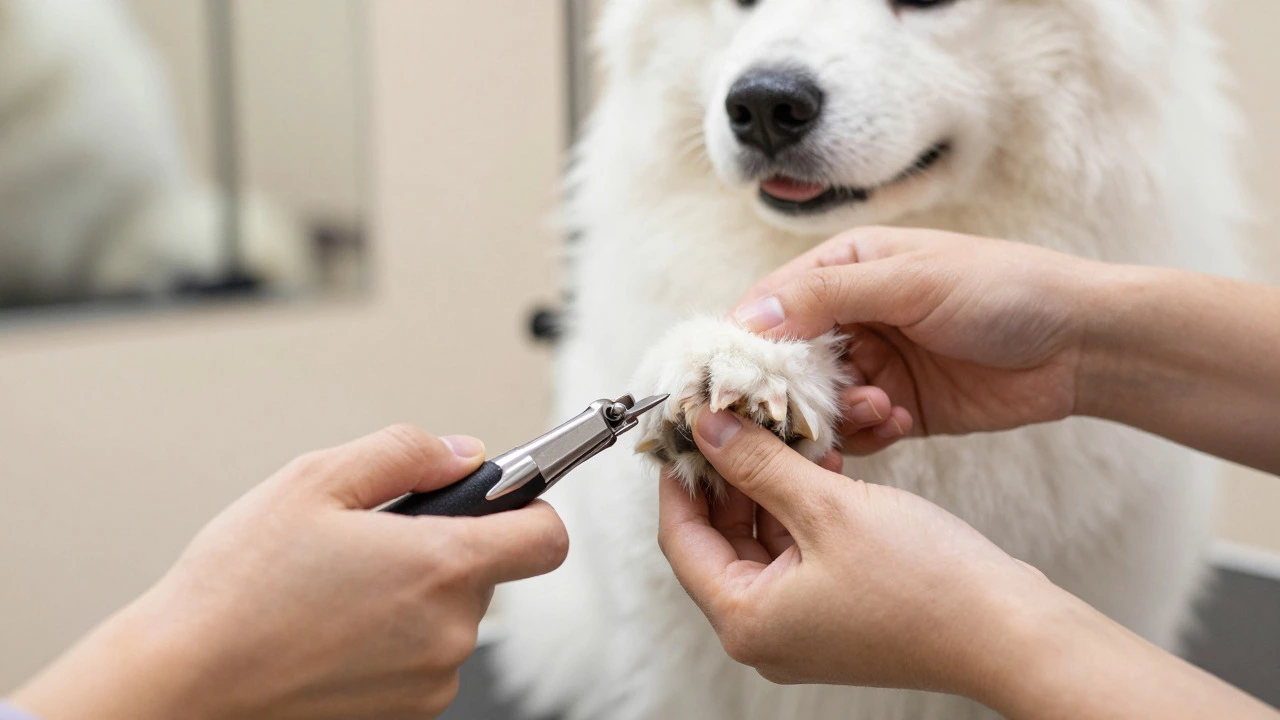
- Nail Trimming: Long nails cause gait issues and pain. A proper trim includes filing the edges to prevent splintering. You should expect this to be done carefully, often with a nail grinder rather than clippers for precision.
- Ear Cleaning: Dogs are prone to ear infections due to their anatomy. The groomer checks for debris, wax buildup, and signs of yeast or bacterial infection, then cleans the visible canal safely.
- Tooth Brushing: Many owners assume this is optional, but a true full groom includes dental care. Using enzymatic toothpaste, the groomer brushes the teeth to reduce plaque and freshen breath, which supports long-term oral health.
If any of these four steps are missing, you likely paid for a "basic wash" or "express groom," not a full service. Always ask specifically if teeth and ears are included in the quoted price.
Cut, Style, and Coat Management
This is where the cost and time variance happens. The "cut" portion depends entirely on whether your dog has a short, medium, or long coat, and whether they require scissoring or clipping.
For short-haired breeds like Boxers or Beagles, the cut is minimal. It mostly involves trimming around the face, feet, and rear end. For longer coats, such as Poodles, Shih Tzus, or Samoyeds, the process is significantly more labor-intensive.
- De-matting: Before cutting, mats must be removed. If a dog arrives severely matted, this can take hours and may result in a shorter cut than requested. Some groomers charge extra for heavy de-matting, so it’s worth asking about their policy beforehand.
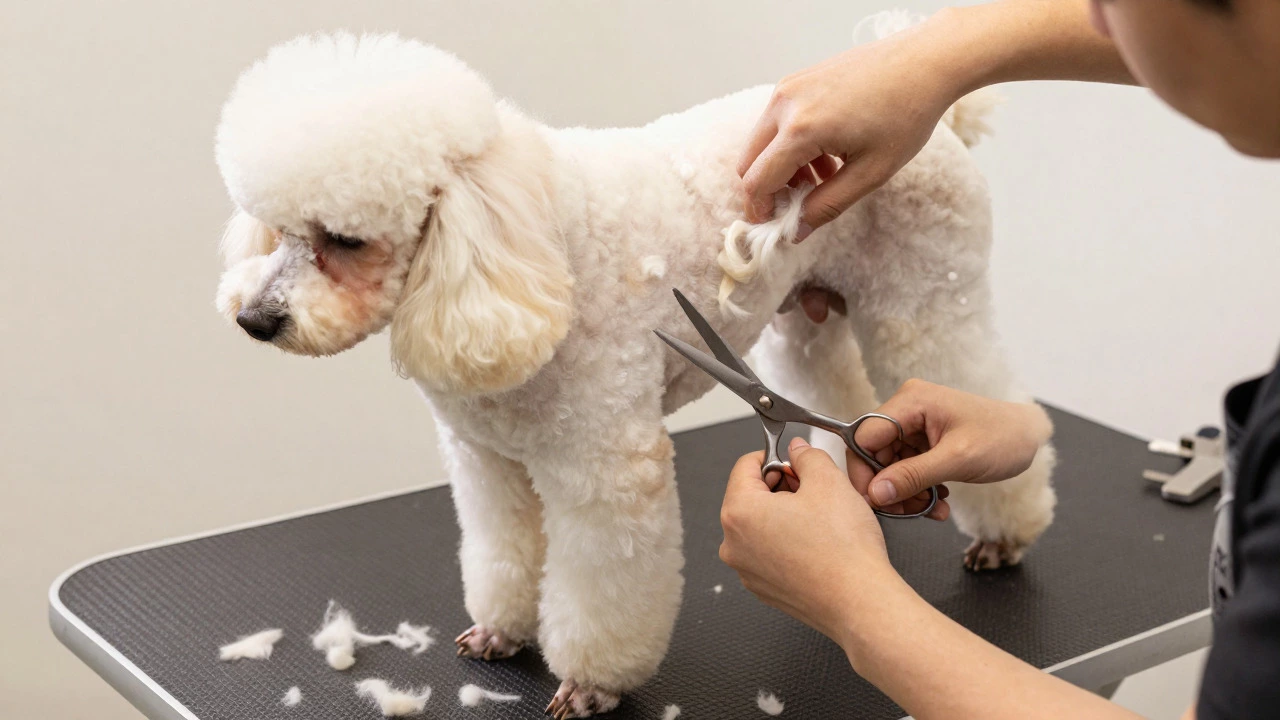
- Clipping vs. Scissoring: Clipping uses electric tools for speed and uniformity. Scissoring uses hand shears for a tailored look. Scissoring takes twice as long but offers better contouring for show cuts or specific styles.
- Sanitary Trim: This involves trimming hair around the genital area and anus. It’s essential for hygiene, especially after walks or baths, to prevent fecal matter from sticking to the coat.
Ask your groomer if the quote includes a specific style or just a "general tidy-up." A general tidy-up might leave the body hair longer than you expect, while a specific style ensures symmetry and shape.
Often Overlooked Add-Ons That Should Be Included
Here is where many owners get tripped up. Certain tasks are standard in some regions but considered "extras" in others. In Auckland, New Zealand, and much of the Western world, the following items are increasingly expected as part of a premium full groom, though you should verify locally.
- Flea and Tick Treatment: Topical applications or sprays applied during the bath. This adds protection against parasites without requiring a separate vet visit.
- Scent Spray or Conditioner Rinse: A final rinse that leaves the coat soft and smelling pleasant. For dogs with dry skin, a moisturizing conditioner is crucial to restore the lipid barrier.
- Anal Gland Expression: This is controversial. Some groomers do it routinely; others only if the glands are visibly swollen or the dog is scooting. It’s uncomfortable for the dog, so many prefer to let a vet handle it unless necessary.
- Face and Foot Finishing: Detailed trimming of eyebrows, whiskers, and toe pads. This is cosmetic but important for breeds with facial furnishings like Lhasa Apsos or Bichons.
When comparing quotes, list these items explicitly. A $80 groom that excludes flea treatment and anal gland checking might cost $110 once you add those services. A $95 groom that includes them is better value.
Breed-Specific Variations: What Changes?
Not all dogs need the same amount of work. Your breed dictates the complexity of the grooming process. Here is how common categories differ:
| Breed Category | Examples | Time Required | Key Focus Areas |
|---|---|---|---|
| Short-Haired | Beagle, Boxer, Labrador | 45-60 mins | Bath, nails, ears, light brushing |
| Medium/Double-Coated | Husky, Golden Retriever, Corgi | 60-90 mins | Undercoat removal, heavy brushing, sanitary trim |
| Long/Hair-Forming | Poodle, Shih Tzu, Yorkshire Terrier | 2-4 hours | De-matting, scissoring, detailed styling |
Double-coated breeds shed heavily. During shedding seasons (spring and autumn), a full groom for a Husky or Samoyed is non-negotiable to prevent matting and hot spots. Hair-forming breeds, like Poodles, grow continuously and require regular trims every 6-8 weeks to maintain shape.
Senior dogs or those with arthritis may need special handling. Look for groomers who use non-slip mats and gentle restraint techniques. If your dog has joint issues, ask if they offer a "comfort-first" approach that prioritizes ease over perfect styling.
How Much Should a Full Groom Cost?
Pricing varies by location, groomer experience, and dog size. In New Zealand, average prices for a full groom range from $60 for small short-haired dogs to $150+ for large, long-haired breeds.
Factors that drive up the price include:
- Size: Large dogs take longer to bathe, dry, and clip.
- Mattiness: Severe mats require hours of careful work. Some groomers charge an hourly rate for de-matting beyond a certain threshold.
- Temperament: Anxious or aggressive dogs require more time and patience, which can incur a behavior surcharge.
- Location: Urban centers like Auckland tend to have higher overheads, leading to slightly higher prices compared to rural areas.
Don’t just pick the cheapest option. A poorly executed groom can lead to skin irritation, uneven cuts, or stress trauma for your dog. Ask for references or look at photos of their previous work. A good groomer will be happy to show you examples of similar breeds.
Questions to Ask Before Booking
To avoid surprises, send a quick email or call with these specific questions:
- "Does the quoted price include teeth brushing and ear cleaning?"
- "Is there an extra charge for de-matting if my dog is matted?"
- "Do you apply flea/tick treatment as part of the standard package?"
- "What is your cancellation policy?"
- "Can I see photos of recent grooms on [Your Breed]?"
If the answers are vague, move on. Transparency is a sign of professionalism. A clear breakdown of services helps you budget accurately and sets realistic expectations for both you and the groomer.
Home Care Between Grooms
A full groom lasts longer if you maintain your dog’s coat at home. Regular brushing prevents mats from forming, making the next salon visit faster and cheaper. For double-coated breeds, use a rake brush to remove loose undercoat weekly. For long-haired breeds, comb through tangles daily to avoid knots.
Check your dog’s paws and ears at home too. Dirt trapped in paw pads can cause infections, and ear odor is an early warning sign of trouble. Catching these issues early means fewer emergency vet visits and less stress for your pet.
Understanding the components of a full dog groom empowers you to make informed decisions. Whether you choose a mobile groomer who comes to your doorstep or a traditional salon, knowing what to expect ensures your dog gets the care they need without breaking the bank.
How often does a dog need a full groom?
It depends on the breed. Short-haired dogs typically need a full groom every 3-4 months. Double-coated breeds need one every 6-8 weeks during shedding seasons. Long-haired or hair-forming breeds usually require a full groom every 6-8 weeks to maintain style and prevent matting.
Is a full groom different from a basic bath?
Yes. A basic bath usually includes washing, drying, and perhaps nail trimming. A full groom adds ear cleaning, tooth brushing, detailed cutting/styling, sanitary trim, and often additional treatments like flea control or conditioning rinses.
Should I feed my dog before a groom?
Most groomers recommend withholding food for 2-3 hours before the appointment to prevent nausea from stress or movement. Water is usually fine until the day of the appointment, but confirm with your specific groomer.
What if my dog is anxious at the groomer?
Inform the groomer ahead of time. They may adjust their approach, use calming pheromones, or allow breaks. Some groomers offer 'express' sessions for anxious dogs that focus on essentials (bath, nails, ears) to minimize stress.
Do I need to bring anything to the groomer?
Usually no. Most professional groomers provide all supplies, including shampoo, towels, and tools. However, if your dog has specific skin allergies, you may want to bring a recommended hypoallergenic shampoo or conditioner.