Dog Nighttime Freedom Advisor
Answer the questions below to get a personalized recommendation for your dog's nighttime setup.
Key Action Items:
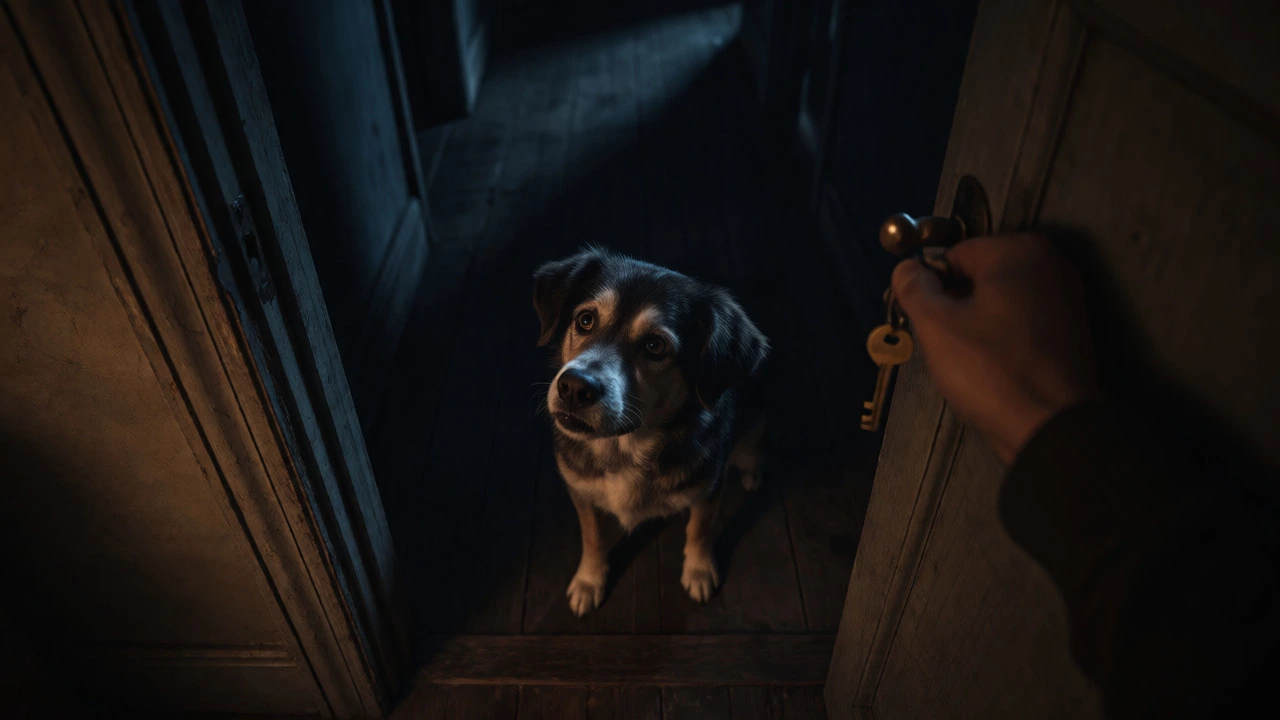
You’re standing in your bedroom doorway, key in hand, staring into the dark hallway. Your dog is whining softly behind you. Do you open the door and let them wander the silent house until sunrise? Or do you close it, trusting they’ll settle down on their dog bed or in their crate? It’s a dilemma every dog owner faces eventually. The answer isn’t a simple yes or no-it depends entirely on your dog’s age, training level, and temperament.
Letting a dog roam freely at night sounds romantic. You picture them curled up by the window like a noble guardian, or perhaps napping peacefully in the living room. But for many dogs, the empty house at night is a source of stress, not freedom. And for you, it might mean waking up to chewed shoes or a puddle on the rug. Before you decide, you need to weigh the risks against the benefits. This guide breaks down exactly when free-roaming works, when it fails, and how to make either choice comfortable for everyone involved.
The Case for Closing the Door: Safety and Structure
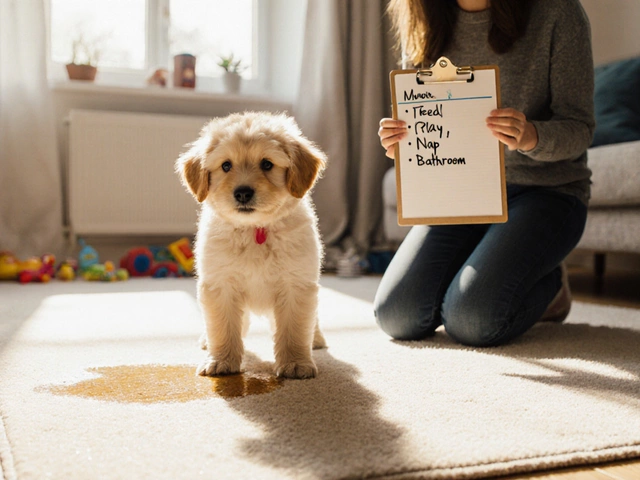
For most dogs, especially puppies and those still learning the ropes, confinement at night is the safer bet. Think of it less as punishment and more as management. A closed door prevents accidents that can undo weeks of housebreaking progress. If your dog hasn’t fully mastered bladder control, wandering the house unsupervised is a gamble. One moment of excitement or confusion, and you’re cleaning urine off hardwood floors at 3 AM.
Beyond bathroom mishaps, there’s the danger of destruction. Dogs explore with their mouths. In the quiet of the night, boredom often kicks in. That electrical cord looks suspiciously like a chew toy. The remote control left on the couch? A perfect target. Confining your dog to a safe zone-whether that’s a crate, an exercise pen, or just your bedroom-limits their access to hazards. It also reduces anxiety. Many dogs actually feel more secure when boundaries are clear. The world outside the door is big and unknown; the space inside is familiar and predictable.
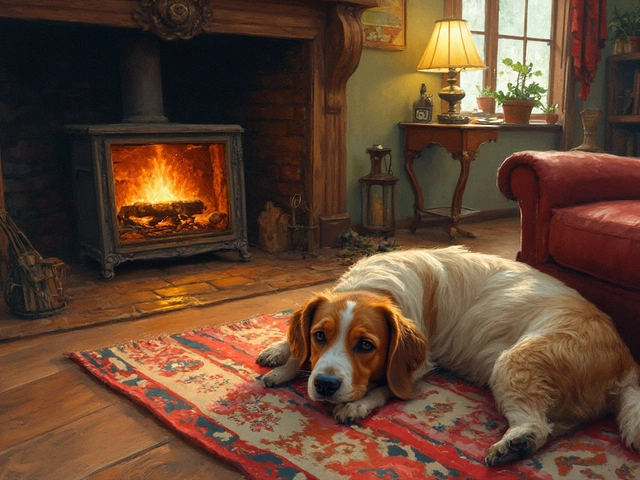
Consider the sleep quality factor, too. If your dog has separation anxiety, being loose in the house might mean pacing from room to room all night. This disrupts their rest and yours. By closing the door, you create a defined sleeping area. When paired with a high-quality orthopedic dog bed, this space becomes a sanctuary. They learn that this specific spot equals safety and sleep, which helps regulate their circadian rhythm just like it does for humans.
When Free-Roaming Makes Sense
So, should you never let them roam? Not necessarily. There are scenarios where giving your dog the run of the house at night is perfectly fine, even beneficial. The biggest factor here is maturity. An adult dog who has been reliably house-trained for at least six months, doesn’t suffer from severe separation anxiety, and isn’t prone to destructive chewing is a strong candidate for freedom.
Some dogs genuinely prefer having options. Maybe they want to nap in the cool kitchen tile during a heatwave or curl up on the sofa because it smells like you. Restricting these choices can sometimes lead to frustration. If your home is dog-proofed-meaning cords are hidden, trash cans have lids, and toxic plants are out of reach-the risk of disaster drops significantly.
Another reason to consider letting them roam is multi-pet households. If you have multiple dogs, confining one while others roam can cause social friction. Allowing them to share common spaces can promote bonding and reduce resource guarding issues around sleeping spots. Just ensure each dog has their own designated resting place so they don’t compete for territory.
The Middle Ground: Gated Freedom
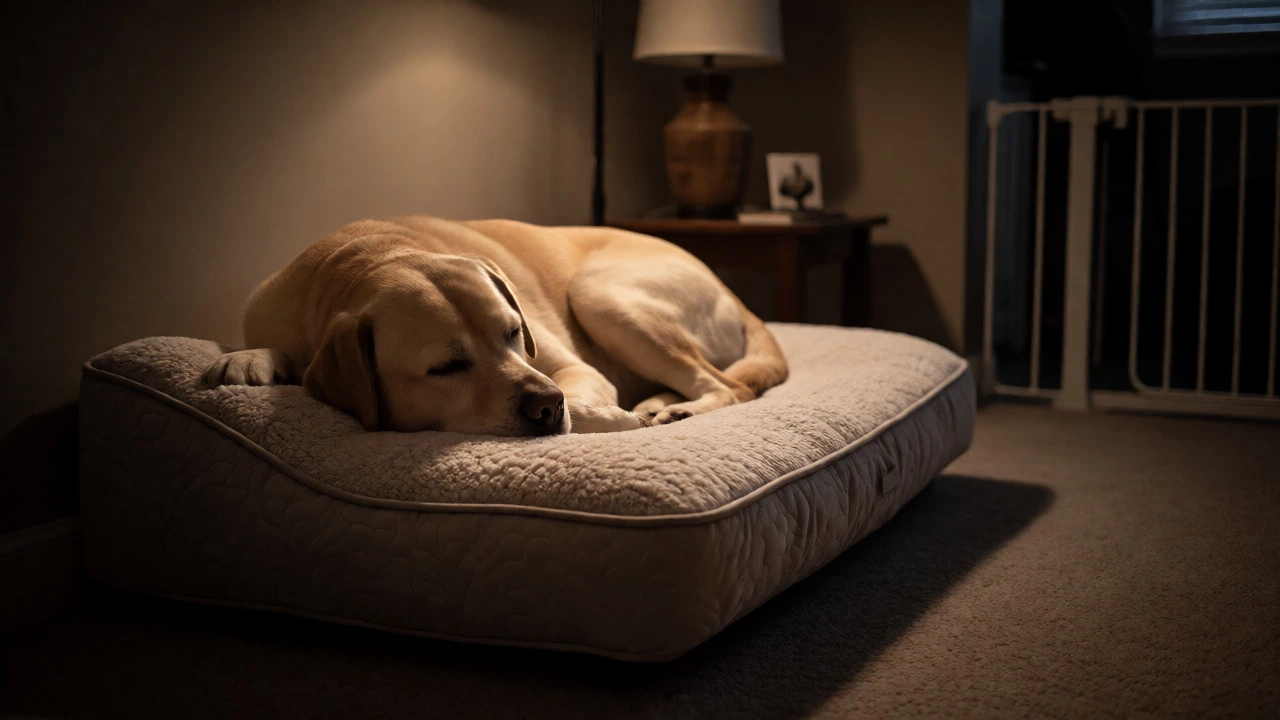
If you’re torn between total confinement and full freedom, try gated access. Installing baby gates in hallways or doorways allows your dog to move between approved areas without accessing the whole house. For example, you might allow them into the living room and kitchen but keep them out of bedrooms and bathrooms.
This approach strikes a balance. It gives the dog autonomy to change positions or environments if they’re uncomfortable, but it keeps them away from high-risk zones like staircases (for small breeds) or rooms with fragile items. It’s also easier to monitor. If you hear scratching at a gate, you know exactly where the problem is. Plus, it’s a great transitional step. Start with a crate, move to a gated area, and then gradually expand their territory as they prove they can handle it.
How Your Dog’s Bed Impacts Their Choice
Whether you choose confinement or freedom, the quality of their sleeping surface matters more than you think. A dog that is physically uncomfortable will be restless, regardless of whether the door is open or closed. Restlessness leads to pacing, whining, and potentially destructive behavior.
A proper dog bed provides thermal insulation and pressure relief, which is crucial for joint health, especially in older dogs. If you let your dog roam, they might end up sleeping on hard floors simply because their bed is in a drafty corner or too far from their favorite spot. Conversely, if they are confined, a poor-quality bed can make the experience feel like a prison rather than a den.
Look for beds that match your dog’s sleeping style. Do they burrow? Get a cave-style bed. Do they sprawl? Choose a flat, wide mat with memory foam. If you plan to let them roam, consider placing multiple beds in different rooms. This encourages them to use designated spots rather than claiming your furniture exclusively. It also helps if you have a multi-level home; putting a bed on both the ground floor and upstairs prevents unnecessary stair climbing at night.
| Feature | Crate/Confinement | Gated Area | Full Free Roam |
|---|---|---|---|
| Safety Risk | Low | Moderate | High (if untrained) |
| Housebreaking Aid | Excellent | Good | Poor (for puppies) |
| Dog Comfort | High (if trained) | High | Variable |
| Owner Sleep Quality | High | Moderate | Low (if anxious) |
| Best For | Puppies, Anxious Dogs | Transitional Phase | Mature, Calm Adults |
Signs Your Dog Needs More Space (or Less)
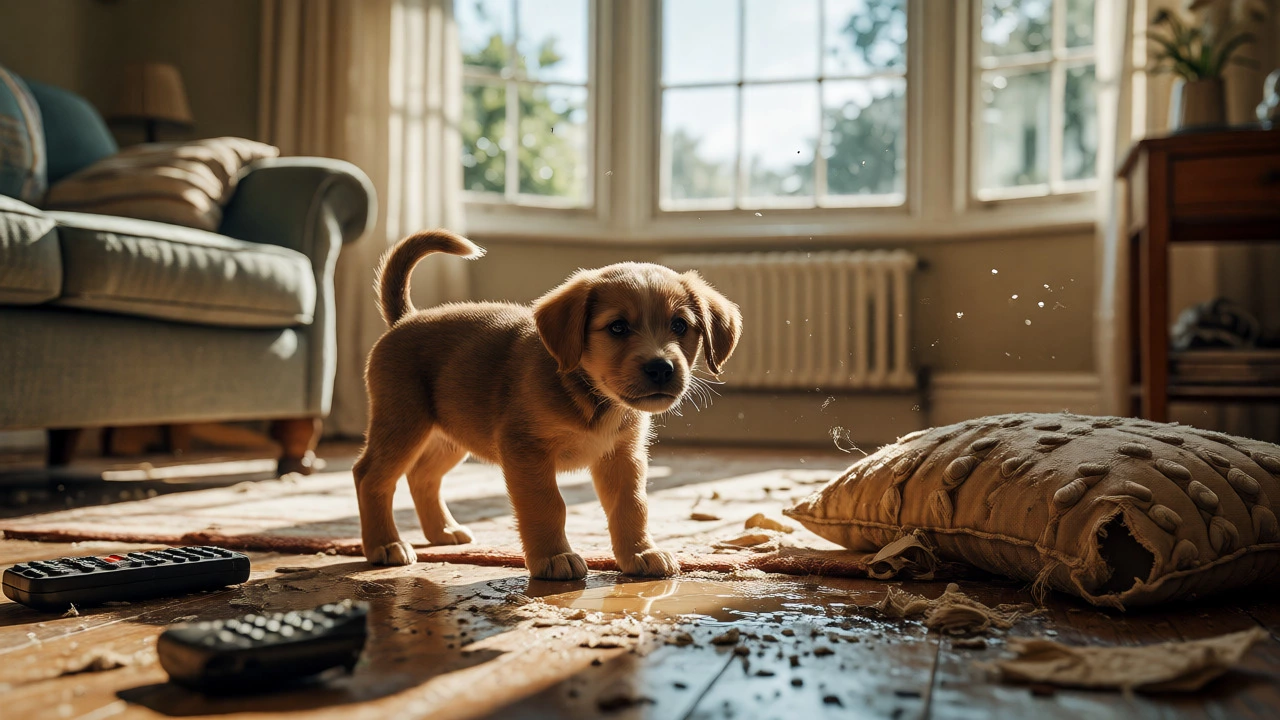
How do you know if your current setup is working? Watch for behavioral cues. If your dog wakes up frequently to pace, scratch at doors, or pant heavily, they might be feeling trapped. Anxiety manifests differently in every dog. Some become vocal, barking at shadows or noises they’d normally ignore. Others become destructive, trying to dig under gates or chew through crates.
On the flip side, signs that they need more structure include finding unexplained messes, discovering chewed-up objects in the morning, or noticing your dog seems disoriented or startled when you wake them up in the middle of the night. If you find your dog sleeping in odd places-like the bathtub or under the table-they might be seeking security because their designated bed feels unsafe or uncomfortable.
Trial periods are essential. Try leaving the door open for three nights. If things go smoothly, extend it to a week. If disasters strike, revert to confinement for two weeks before trying again. Patience pays off. Rushing the process often sets you back further.
Practical Tips for Success
Whichever path you choose, set your dog up for success with these practical steps:
- Create a Routine: Dogs thrive on predictability. Take them out for a final potty break right before bedtime. This minimizes the chance of accidents, whether they’re confined or roaming.
- Make the Space Boring: If they are confined, remove high-value toys that might overstimulate them. Save the fun stuff for daytime. Nighttime should be about rest.
- Use White Noise: Sudden sounds can startle a dog sleeping alone in another room. A fan or white noise machine can mask household creaks and outside traffic, helping them stay asleep.
- Check Temperature: Ensure their sleeping area isn’t too hot or cold. Drafts can cause discomfort, leading to restlessness. Adjust blankets or heating pads accordingly.
- Positive Association: If you’re transitioning to free-roaming, reward calm behavior in the open space. Toss a treat near their bed if you see them settling down voluntarily.
Remember, the goal isn’t to control your dog completely but to manage their environment so they can relax. A relaxed dog sleeps better, and a well-rested dog is a happier companion during the day.
Is it cruel to lock my dog in a room at night?
No, provided the room is safe, comfortable, and meets their basic needs. Dogs are den animals by nature and often prefer enclosed, secure spaces. As long as they have water, a comfortable bed, and aren’t left alone for excessive hours, confinement is a form of care, not cruelty. Ensure the temperature is regulated and the space is free of hazards.
My puppy cries when I close the door. Should I let him roam?
Probably not. Crying usually indicates separation anxiety or a need for a potty break, not a desire for freedom. Letting a crying puppy roam often reinforces the behavior because they get attention or find ways to entertain themselves destructively. Instead, check if they need to go outside, then return them to their crate or pen. Use white noise and a consistent routine to help them self-soothe.
How long should I wait before letting my dog roam freely?
There is no fixed timeline, but most experts suggest waiting until your dog is at least one year old and has been reliably house-trained for several months. They should also demonstrate impulse control during the day. If they leave food untouched or ignore tempting objects when supervised, they are likely ready for nighttime freedom.
What if my dog destroys things only at night?
This suggests boredom or anxiety. During the day, they may be tired from play, but at night, they are rested and looking for stimulation. Increase physical and mental exercise before bedtime. Also, ensure their confinement area is boring enough that sleeping is the most attractive option. If they are roaming, restrict access to rooms with valuable items until they mature.
Does the type of dog bed matter for free-roaming dogs?
Yes. Free-roaming dogs need durable, easy-to-clean beds since they might choose unconventional spots. Orthopedic foam is ideal for older dogs to prevent joint pain from sleeping on hard floors. For active dogs, washable covers are essential. Placing multiple beds in strategic locations encourages them to use designated spots rather than your furniture.