Adoption Timeline Calculator
How Your Dog Adjusts After Adoption
Based on scientific studies from the University of Lincoln and University of Auckland, this calculator estimates your dog's adjustment timeline.
Your Dog's Adjustment Timeline
First 2 weeks
Weeks 3-8
Months 3-6
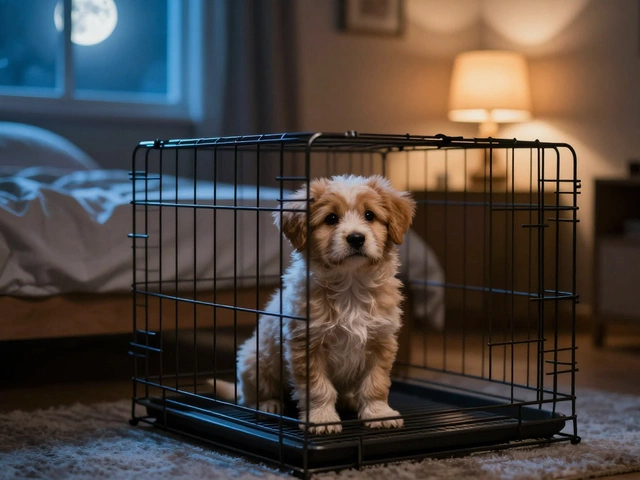
When you bring a rescue dog home, you might find yourself staring at them in the quiet moments-wondering if they even realize this is their new beginning. Did they feel it? The shift from a shelter cage to a warm bed? The change from uncertain meals to a full bowl every night? The answer isn’t simple, but it’s deeper than you think.
They Notice the Change
Dogs don’t understand adoption paperwork or the word ‘forever.’ But they don’t need to. What they feel is the difference in daily rhythm. A dog that spent months in a noisy shelter with limited human contact will notice the moment the lights dim earlier, the footsteps stop pacing outside their kennel, and someone actually sits beside them-not just to check a box, but to touch their head.
Studies from the University of Lincoln in 2023 tracked 87 adopted dogs over their first 90 days. The dogs showed measurable drops in stress hormones like cortisol within 72 hours of being taken home. That’s faster than most humans adjust to a new job. Their bodies react before their minds process why.
Memory Isn’t Like Ours
Dogs don’t have episodic memory like humans. They can’t replay a mental video of yesterday’s walk or last week’s vet visit. But they have something stronger: associative memory. They link things together. The sound of a car pulling up? That means food. A certain tone of voice? That means play. A new smell on your clothes? That means safety.
When you adopt a dog, they don’t remember the day you signed the form. But they remember the day the leash came off in the backyard and they ran-without being told to come back. They remember the first time you didn’t yell when they chewed your shoe. They remember the way your hand felt on their back while you slept, not just once, but every night.
They Know You’re Different
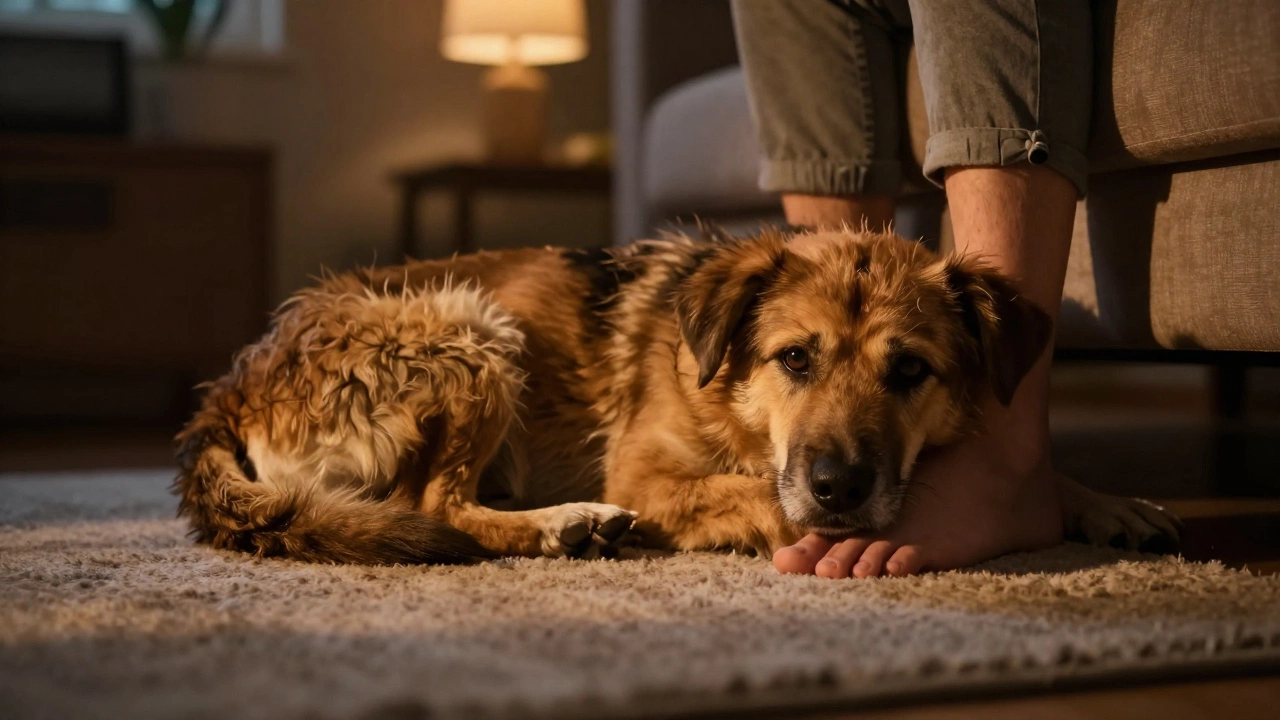
Shelter dogs often develop survival behaviors. They cower. They avoid eye contact. They sleep with one ear open. But after adoption, something shifts. Within weeks, many start to relax. They’ll stretch out on the floor. They’ll nudge your hand for pets. They’ll sigh deeply while resting their head on your lap.
A 2024 study from the University of Auckland followed 42 dogs adopted from local shelters. Of those, 89% showed new behaviors within 30 days: tail wagging in response to their owner’s voice, choosing to sleep in the same room, and seeking out physical contact without being prompted. These weren’t trained responses. They were emotional choices.
They Feel the Stability
For many adopted dogs, the biggest change isn’t food or a bed. It’s predictability. A dog that never knew when the next meal would come learns, slowly, that food appears at 7 a.m. and 6 p.m. A dog that was never hugged learns that arms don’t mean punishment. A dog that was left alone for days learns that you come back.
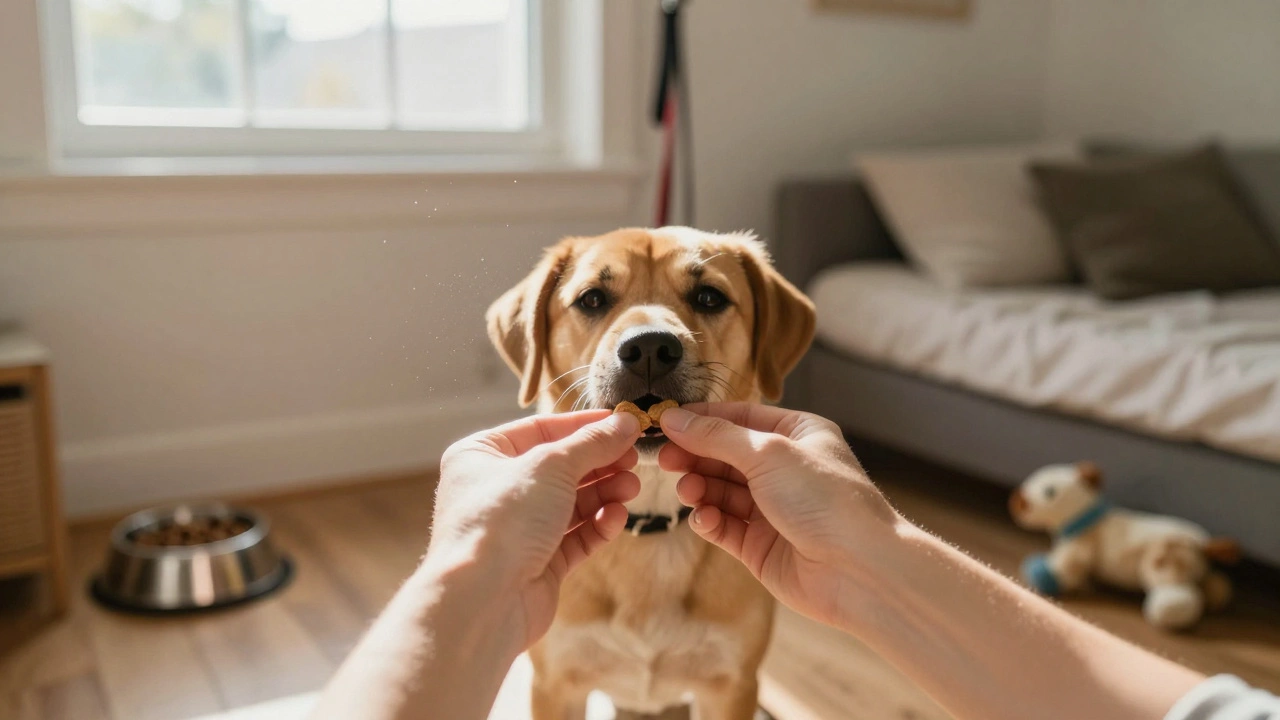
This isn’t just comfort. It’s trust. And trust is built on repetition. Every time you open the fridge at the same time, every time you walk the same route, every time you say their name and they get a treat-they’re not just learning a routine. They’re learning you’re reliable.
It Takes Time, But They Do Know
Some dogs show signs of awareness within days. Others take months. A dog who was abused may never fully relax. But even then, they’re not oblivious. They’re cautious. They’re watching. Waiting. Hoping.
One dog in the Auckland shelter, named Luna, spent six months in the kennel before being adopted. She wouldn’t make eye contact. She trembled at sudden movements. Three weeks after going home, her new owner found her curled up on the couch beside them, breathing slowly. The owner didn’t say anything. They just sat there. Luna didn’t move. But when the owner reached out to pet her, Luna leaned in-just a little.
That wasn’t obedience. That was recognition.
What They Don’t Know
Dogs don’t know the word ‘rescue.’ They don’t understand adoption agencies or foster programs. They don’t know you chose them over 20 others. They don’t know you paid money, filled out forms, or waited months.
But they know the quiet moments. The way your voice changes when you say their name. The way your hand doesn’t shake anymore when you reach for them. The way you don’t leave the room without saying goodbye.
How to Help Them Realize They’re Home
- Stick to a routine. Feed, walk, play, sleep-at the same times every day.
- Don’t rush affection. Let them come to you. Forced cuddles create fear, not trust.
- Use their name often, but gently. Say it when they’re calm, not when you’re scolding.
- Let them explore. A new home is overwhelming. Give them space to sniff every corner.
- Don’t punish accidents. They’re scared, not defiant. Clean it up quietly, and reward them when they go outside.
What to Look For
Signs they’re starting to feel safe:
- Yawning when you yawn (emotional mirroring)
- Bringing you a toy, then lying down beside you
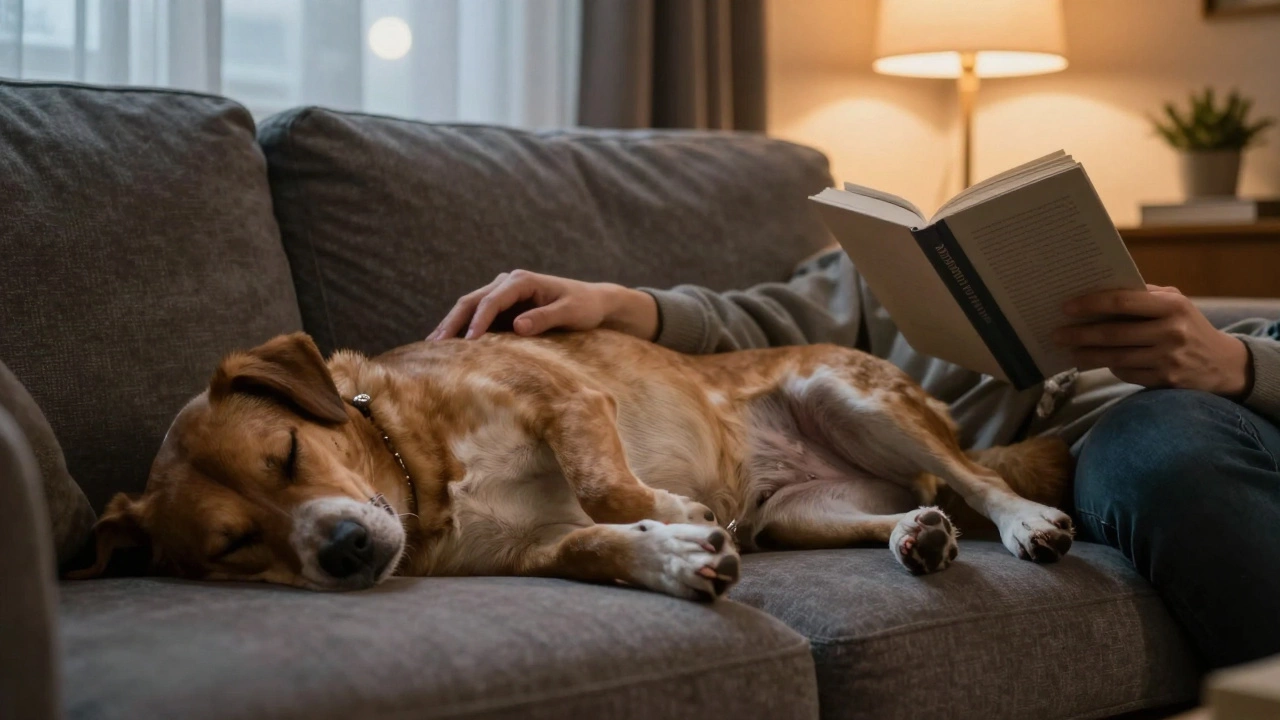
- Sleeping with their belly exposed
- Following you from room to room without being called
- Looking at you before they eat, as if checking if it’s okay
These aren’t tricks. They’re signs of belonging.
They Don’t Need to Say ‘Thank You’
You might want to hear them say it. You might wish they looked into your eyes and somehow whispered, ‘I know you saved me.’ But dogs don’t speak that language.
Instead, they show you. In the way they rest their chin on your knee. In the way they sigh when you scratch behind their ear. In the way they wait by the door-not because they need to go out, but because they want to be near you.
That’s how they say it.
What You Can Do Now
If you’ve just adopted a dog, don’t look for a moment of epiphany. Look for small shifts. A longer tail wag. A deeper sleep. A quiet moment where they choose you, without pressure.
And if you’re still waiting-for that moment, for that sign-remember this: they’re not waiting for you to prove you love them. They’re waiting for you to stop being afraid of loving them back.
Do dogs remember their previous owners?
Yes, dogs can remember people they lived with, especially if the bond was strong. But memory works differently than in humans. They don’t recall names or dates. Instead, they remember smells, sounds, and routines. A dog might react with excitement or fear when they smell a former owner’s perfume or hear a voice tone they associate with past experiences. This doesn’t mean they’re loyal to the past-they’re just responding to what feels familiar.
How long does it take for a dog to bond with new owners?
Most dogs begin to show signs of bonding within two to four weeks, but full emotional attachment can take three to six months. It depends on the dog’s history. A dog from a stable home may bond quickly. A dog that was neglected or abused may take longer. Patience is key. Consistency in care, calm interactions, and positive reinforcement build trust faster than any amount of affection.
Can a dog tell if you’re a good person?
Dogs don’t judge morality the way humans do. But they’re incredibly good at reading emotional cues. They notice if you’re calm, consistent, and kind. They pick up on micro-expressions, tone of voice, and body language. A dog will avoid someone who speaks loudly or moves suddenly. They’ll lean into someone who speaks softly and waits. It’s not about being ‘good’-it’s about being predictable and safe.
Do adopted dogs miss their old life?
Dogs don’t mourn in the way humans do. They don’t think about what they lost. But they can feel confusion when routines change suddenly. A dog that was used to being outside all day might panic when confined indoors. A dog that was fed scraps from a table might beg for food. These aren’t signs of longing-they’re signs of adaptation. With time and consistency, they learn that their new life is safer and more reliable.
Should I talk to my adopted dog like they understand me?
Yes. Talking to your dog-even if they don’t respond-helps them learn your voice, your rhythm, and your emotions. Dogs are wired to pay attention to human speech, especially when it’s calm and repetitive. Studies show that dogs respond more to the tone of your voice than the words. So even if they don’t understand ‘I’m so glad you’re home,’ they feel the warmth behind it. Keep talking. They’re listening.