Pet Travel Cost Calculator
Your Trip Details
Budget Options
Estimated Costs
Traveling with your pet doesn’t have to cost a fortune. Whether you’re heading to the coast, visiting family, or just camping in the hills, there are real ways to cut costs without leaving your furry friend behind. Many pet owners assume pet travel means expensive pet carriers, last-minute pet hotels, or pricey vet paperwork-but that’s not true. With a little planning, you can save hundreds without sacrificing safety or comfort.
Plan Ahead, Skip the Rush Fees
One of the biggest money drains in pet travel is last-minute decisions. If you wait until the day before to book a pet-friendly flight or hotel, you’ll pay premium prices. Airlines charge extra for in-cabin pets, and those fees can hit $125-$200 each way. But if you book early, some airlines offer discounts for repeat pet travelers. United Airlines, for example, lets you register your pet in their Pet Travel Program for free, and you’ll get priority boarding and occasional promo deals. Same goes for accommodations. Pet-friendly motels and vacation rentals often raise prices during holidays or weekends. Use apps like BringFido or Airbnb (filter for "pet friendly") and book at least two weeks ahead. You’ll find better rates, and many hosts offer discounts for longer stays or repeat guests.Use Your Own Vehicle-No Airfare Needed
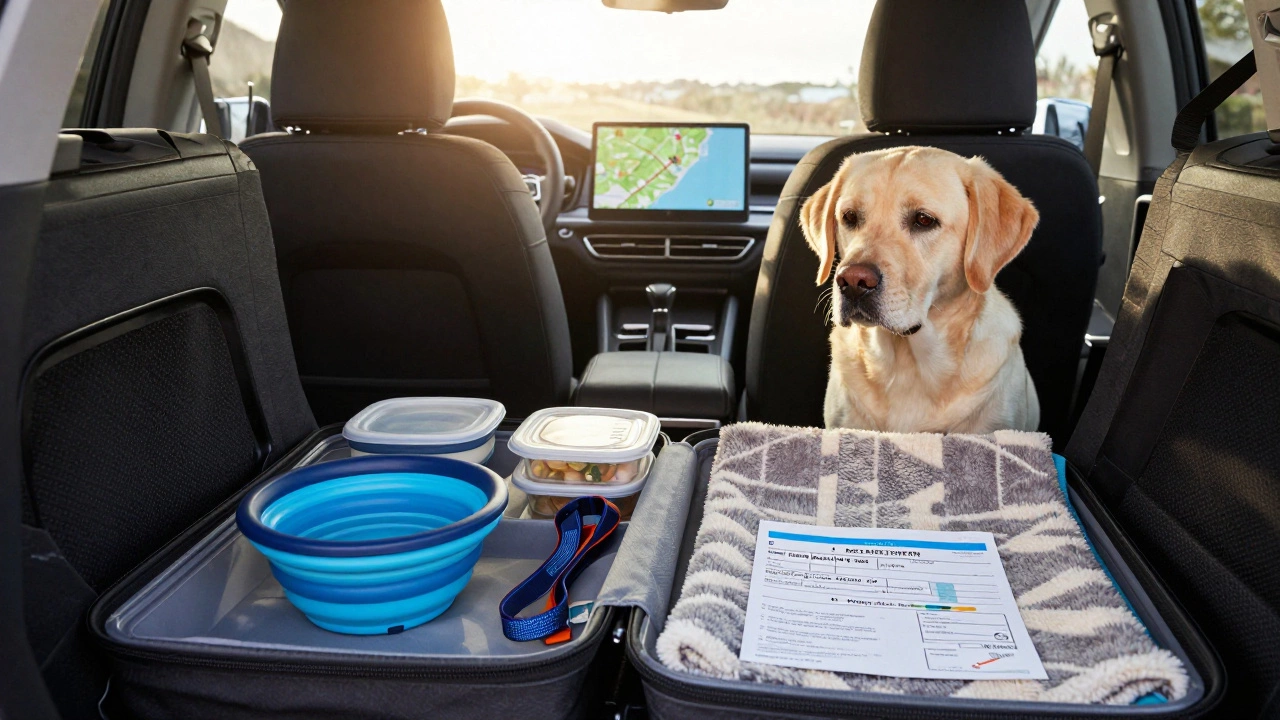
Driving is almost always cheaper than flying with a pet. Airline pet fees add up fast, and you’ll still need to pay for pet carriers, health certificates, and sometimes quarantine fees depending on your destination. If you’re traveling within New Zealand or nearby states, road trips cut costs dramatically. Pack a pet travel kit: water bowl, leash, food, treats, blanket, and a portable carrier. A collapsible water bowl and a reusable food container save space and money. Skip buying disposable pet travel gear-those $15 pet travel bags are overpriced and rarely used again. Also, plan your route around pet-friendly rest stops. In New Zealand, the Department of Conservation (DOC) maintains dozens of dog-friendly trails and picnic areas. Many service stations along major highways now have pet relief zones. No extra cost. Just pull over, let them stretch, and keep going.Skip the Pet Hotel-Stay With Friends or Use Pet-Sitting Networks
Pet hotels can cost $40-$80 per night. That’s $280-$560 for a week. Instead, ask friends, family, or neighbors if they can watch your pet while you’re away. Most people say yes-especially if you offer to bring them a snack or help with their own pet for a day. If that’s not an option, try pet-sitting networks like TrustedHousesitters or MindMyHouse. These platforms connect pet owners with people who want to stay in your home for free in exchange for pet care. You get to keep your pet in their own environment, and you save on boarding fees. Some sitters even post reviews showing they walked dogs twice a day, fed on schedule, and sent daily photos. No extra charge.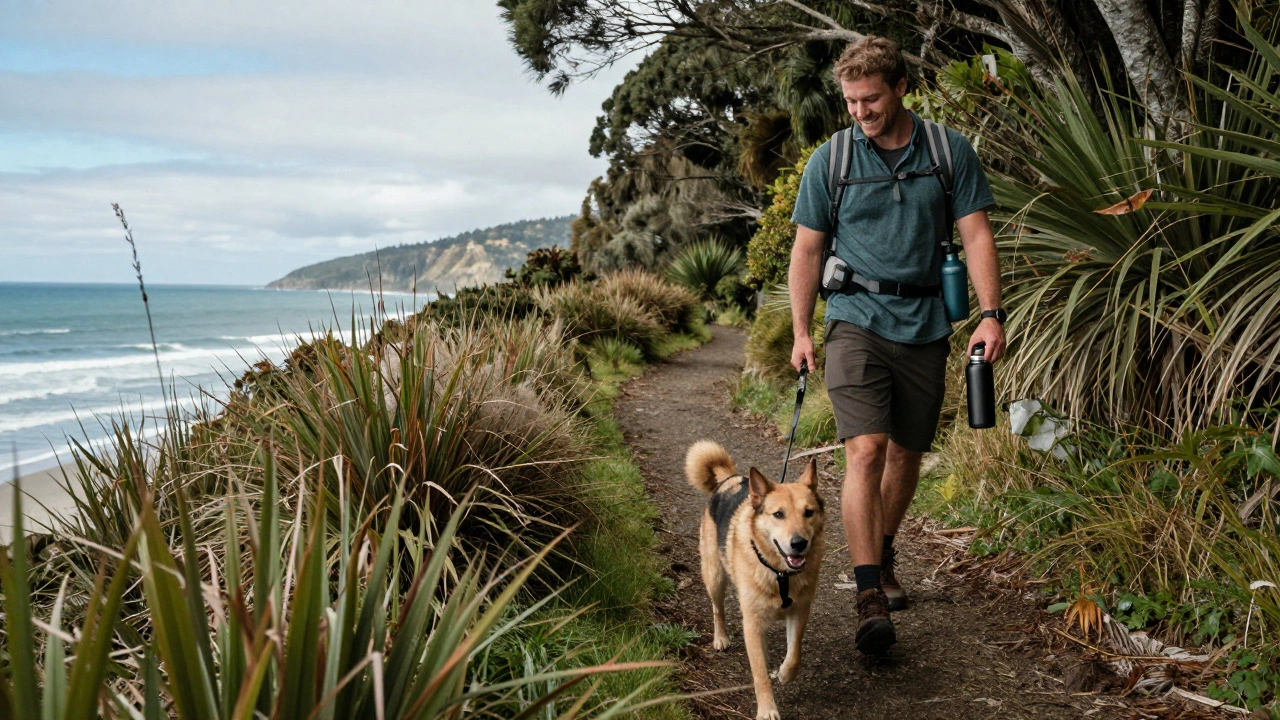
Know the Rules-Avoid Fines and Unexpected Costs
Some destinations charge hidden fees if you don’t follow pet rules. For example, national parks in New Zealand require a free online pet permit for dogs. Skip it, and you could get fined $200. Same goes for cross-border travel. If you’re heading to Australia, your pet needs a vet-issued health certificate and a rabies vaccination proof-no exceptions. These documents cost $50-$100, but they’re mandatory. Always check local laws before you go. In Auckland, dogs must be leashed in public parks unless it’s a designated off-leash area. In Wellington, you can’t bring pets into public swimming pools. These aren’t just rules-they’re ways to avoid fines that wipe out your savings.Bring Your Own Food and Skip the Pet Store
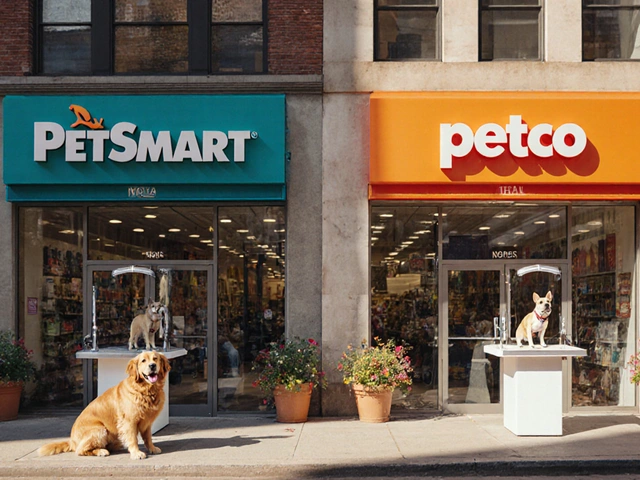
Buying pet food on the road is expensive. A 5kg bag of kibble at a convenience store near a highway can cost $60. The same bag at Petco or a local vet clinic back home? $35. Pack enough food for the trip, plus a little extra. Store it in sealed containers to keep it fresh. If you’re staying longer than a few days, buy food in bulk online and have it shipped to your destination. Many pet food brands offer free shipping on orders over $50. You can also check local pet supply stores near your destination-they often have lower prices than tourist-area shops.Use Free or Low-Cost Vet Services Before You Go
Before any trip, get a basic health check. It’s cheaper than dealing with an emergency abroad. Many animal shelters and community clinics offer low-cost wellness visits-sometimes as low as $20 for a basic exam, vaccinations, and a health certificate. In New Zealand, organizations like the SPCA and local councils run monthly mobile vet clinics. These aren’t advertised widely, but they’re real. Search for "free pet health clinic [your city]" or call your local council. You might find a vet offering $15 rabies shots or $10 microchipping updates. A microchip isn’t just for safety-it’s required for international travel and can save you from quarantine fees.
Travel Off-Peak, Save Big
Pet travel isn’t just about where you go-it’s about when. Traveling during school holidays? Pet-friendly hotels are booked, flights are full, and prices spike. Go in April, September, or early October. You’ll find empty campsites, discounted pet rates, and quieter parks. Even airlines have off-peak pricing. Flying mid-week (Tuesday-Thursday) often means lower pet fees. One pet owner in Christchurch saved $140 round-trip by flying on a Wednesday instead of a Saturday. It’s not glamorous, but it’s smart.What to Pack: The Minimalist Pet Travel Kit
You don’t need a suitcase full of pet gear. Here’s what actually matters:- 2-3 days’ worth of food (in a sealed container)
- Collapsible water bowl (under $10)
- Leash and harness (no retractable ones-they’re hard to control)
- One blanket or towel (for comfort and cleaning up accidents)
- Stain remover wipes (for car seats or hotel carpets)
- Copy of vaccination records and microchip number
- Favorite toy (for calmness during long drives)
Real-Life Example: A $180 Road Trip to the Bay of Islands
Last year, a couple from Hamilton took their 7-year-old Labrador, Rusty, on a 3-day trip to the Bay of Islands. Here’s how they did it cheaply:- They drove instead of flying: saved $300 in pet fees
- Stayed at a free DOC campsite: saved $120
- Brought their own food: saved $60 on local pet store prices
- Got a free health check from a mobile vet clinic: saved $80
- Used a pet-sitting app to find a local dog walker: saved $40
Traveling with your pet isn’t about spending more-it’s about being smarter. Plan early, drive when you can, use free services, and skip the unnecessary gear. Your pet will be happier, and your wallet will thank you.
Can I bring my cat on a road trip?
Yes, but cats need more preparation than dogs. Use a secure, well-ventilated carrier, and never let them roam freely in the car. Bring familiar bedding and a litter box for stops. Many cats get stressed on long drives, so start with short trips to help them adjust. Keep them hydrated and avoid feeding right before travel.
Do I need a health certificate to travel within New Zealand?
For domestic travel within New Zealand, a health certificate isn’t legally required-but many accommodations and parks ask for proof of up-to-date vaccinations. Always carry your pet’s vaccination records. If you’re flying, airlines will require a vet-signed health form issued within 10 days of travel. It’s a simple form, usually $20-$40.
What if my pet gets sick while I’m traveling?
Always know where the nearest vet is before you leave. Save the address and phone number in your phone. Many pet insurance plans cover out-of-area emergencies. If you don’t have insurance, call ahead to ask about emergency fees. Some clinics charge extra for after-hours visits, so plan ahead. Keep a basic first-aid kit with gauze, antiseptic wipes, and tweezers for ticks.
Are there any free pet-friendly attractions?
Yes. In New Zealand, DOC-managed areas like beaches, walking tracks, and picnic spots often allow leashed dogs at no cost. Public parks in most towns welcome pets too. Check local council websites for dog-off-leash zones. Libraries, some cafes, and even farmers' markets are becoming pet-friendly. No entry fee-just bring your leash and a water bowl.
Can I use public transport with my pet?
In New Zealand, small pets in secure carriers can ride on buses and trains for free. Larger dogs must be on a leash and muzzled if required. Some services, like InterCity buses, allow pets on board with a small fee ($5-$10). Always check the operator’s policy before boarding. Avoid peak hours if possible-trains and buses get crowded.