Vet Recommendation Checker
Not sure if your vet would recommend a fresh food subscription? Answer these questions to get an instant assessment based on common veterinary criteria.
You’re scrolling through Instagram, and there it is: a sleek box of fresh, human-grade meals for your pup. The ads promise everything from shinier coats to better digestion. But then that nagging question pops up: do vets recommend Farmer’s Dog? It’s not just about marketing hype; you want to know if this premium subscription service actually holds up against traditional kibble or raw diets when you ask a professional.
The short answer isn’t a simple yes or no. It’s more like a "maybe, but check the label." Most veterinarians agree that fresh food can be fantastic for many dogs, especially those with picky appetites or specific sensitivities. However, they also have serious concerns about nutritional balance in some home-cooked or subscription-based meals. Let’s break down what vets actually look for, where The Farmer’s Dog stands, and how to decide if it’s the right fit for your four-legged friend.
What Vets Actually Look For in Dog Food
Before we judge any brand, you need to understand the vet’s checklist. When a veterinarian evaluates a diet, they aren’t looking at how pretty the packaging is or how much your dog loves the smell. They are looking for science-backed nutrition. The gold standard here is compliance with AAFCO (Association of American Feed Control Officials) nutrient profiles. This means the food has been tested to ensure it contains the right amounts of protein, fat, vitamins, and minerals for a dog’s life stage.
Vets prioritize three main things:
- Nutritional Completeness: Does the meal provide all essential nutrients? Many homemade recipes fail here because owners forget calcium or taurine.
- Digestibility: Can the dog absorb the nutrients? High-quality ingredients matter, but so does processing.
- Safety: Is the food free from pathogens like Salmonella or Listeria? This is huge for raw diets, but less critical for gently cooked fresh food.
If a food doesn’t meet these criteria, a vet will likely advise against it, regardless of how trendy it is. So, where does The Farmer’s Dog fit into this picture?
Does The Farmer’s Dog Meet Vet Standards?
The Farmer’s Dog positions itself as a premium alternative to kibble. They use human-grade ingredients and gently cook them to preserve nutrients. From a veterinary perspective, there are several green flags here. First, their recipes are formulated by board-certified veterinary nutritionists. That’s a big deal. It means a real expert designed the ratios of meat, veggies, and supplements, rather than a marketing team guessing what sounds healthy.
Second, the company claims their meals meet AAFCO nutrient profiles for adult maintenance. For most healthy adult dogs, this is exactly what a vet wants to see. It means you don’t have to worry about adding extra vitamin pills to your dog’s bowl. The food is balanced out of the box.
However, vets often raise eyebrows at one specific area: growth requirements. While many fresh brands cover adult maintenance well, ensuring a recipe is complete for puppies, pregnant dogs, or large-breed seniors requires rigorous feeding trials. Some vets prefer brands that have completed these extensive trials over those that rely on formulation calculations alone. If you have a growing puppy, double-check that the specific recipe is labeled "complete and balanced" for growth, not just maintenance.
The Pros: Why Vets Might Say Yes
Despite the scrutiny, many veterinarians do recommend fresh food subscriptions like The Farmer’s Dog for specific cases. Here is why they might give it a thumbs-up:
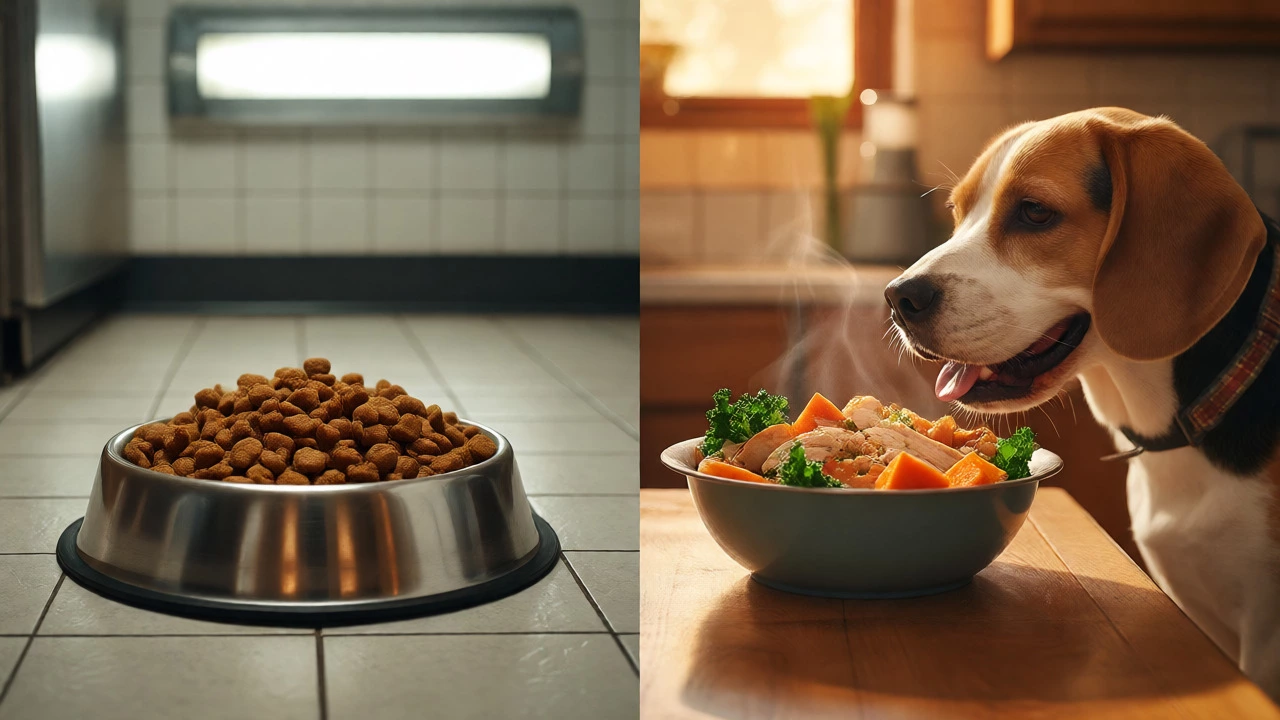
Palatability is undeniable. We’ve all had that dog who turns its nose up at expensive kibble. Fresh food smells like actual food, which helps entice picky eaters. For senior dogs losing weight due to age-related appetite loss, switching to something tasty can prevent muscle wasting. Vets love solutions that improve quality of life without forcing medication.
Ingredient transparency reduces allergy risks. Traditional kibble often contains fillers like corn, wheat, or soy, which are common allergens. The Farmer’s Dog uses recognizable whole foods-chicken, turkey, sweet potatoes, kale. If your dog suffers from chronic ear infections or itchy skin, eliminating mystery ingredients can make a massive difference. Vets often suggest an elimination diet to identify triggers, and fresh food makes this process cleaner and easier to track.
Hydration benefits. Kibble contains about 10% moisture. Fresh food is around 70%. Higher water intake supports kidney health and urinary tract function. For dogs prone to crystals or stones, increasing hydration through diet is a proactive step vets appreciate.
The Cons: Where Vets Have Concerns
It’s not all sunshine and wagging tails. There are valid reasons a vet might hesitate to recommend The Farmer’s Dog, particularly depending on your budget and lifestyle.
Cost is a barrier to consistency. A vet will tell you that the best diet is one you can afford long-term. The Farmer’s Dog is significantly more expensive than high-quality dry kibble. If cost forces you to switch back and forth between brands, that inconsistency can upset your dog’s gut flora. Vets prefer stability. If the subscription causes financial stress, a mid-tier commercial wet food might be a more sustainable compromise.
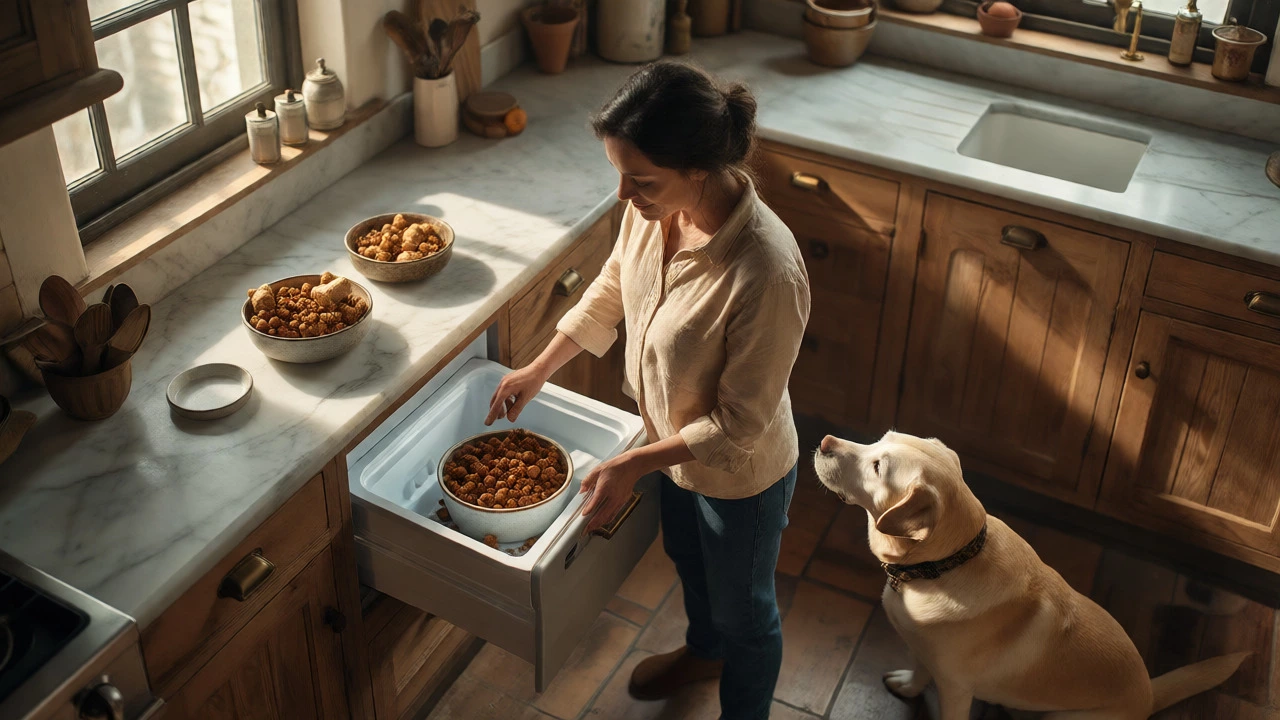
Storage and handling logistics. Fresh food needs freezer space and careful thawing. If you travel frequently or have limited kitchen storage, the hassle might lead to skipped meals or improper serving sizes. Inconsistent portion control can lead to obesity, which is far worse for a dog’s health than eating slightly lower-quality kibble.
Lack of dental benefits. Chewing crunchy kibble helps scrape plaque off teeth. Soft fresh food doesn’t offer this mechanical cleaning. Vets often note that dogs on soft-food-only diets may need more frequent professional dental cleanings. You’ll need to compensate with dental chews or regular brushing if you choose fresh food.
Comparing The Farmer’s Dog to Other Options
To help you decide, let’s look at how The Farmer’s Dog stacks up against other popular choices. This comparison focuses on what matters most to pet owners and vets alike.
| Feature | The Farmer’s Dog | Premium Dry Kibble | Raw Diet (BARF) |
|---|---|---|---|
| Nutritional Balance | Formulated by vet nutritionists; meets AAFCO standards. | Varies widely; look for WSAVA guidelines. | Often unbalanced unless supplemented carefully. |
| Convenience | Moderate; requires freezing/thawing. | High; easy to store and serve. | Low; requires prep time and strict hygiene. |
| Cost | High ($$$). | Moderate to Low ($-$$). | Moderate to High ($$-$$$). |
| Dental Health | Low; soft texture. | Moderate; abrasive texture helps plaque. | Variable; chewing bones can help. |
| Allergen Risk | Low; limited ingredient lists. | Higher; potential fillers/grains. | Low; whole ingredients. |
When Should You Consult Your Vet Before Switching?
Even if The Farmer’s Dog looks great on paper, you shouldn’t just swap your dog’s dinner overnight. Certain medical conditions require dietary precision that generic recipes might miss.
Kidney Disease: Dogs with chronic kidney disease need controlled phosphorus and protein levels. Standard fresh food might have too much protein, putting extra strain on failing kidneys. Always get bloodwork done before changing diets for renal issues.
Pancreatitis: If your dog has a history of pancreatitis, they need a low-fat diet. Fresh meats can sometimes be higher in fat than prescribed therapeutic diets. Check the fat content per calorie and consult your vet.
Food Allergies: If you suspect a specific allergy, starting with a novel protein fresh food can be helpful. But remember, cross-contamination in manufacturing facilities can still occur. Ask the company about their allergen protocols.
For healthy dogs with no underlying conditions, the transition is usually straightforward. Start by mixing 25% new food with 75% old food, gradually increasing the ratio over 7-10 days. This prevents digestive upset like diarrhea or vomiting.
Final Verdict: Is It Worth It?
So, do vets recommend The Farmer’s Dog? Many do, provided the dog is healthy, the owner can afford it, and the meal is served correctly. It’s a safe, nutritious option that beats many ultra-processed kibble brands. The involvement of veterinary nutritionists gives it credibility that many DIY or boutique brands lack.
But it’s not magic. It won’t cure cancer or reverse arthritis. It’s simply a high-quality fuel source. If you value convenience, taste, and ingredient transparency, and your budget allows, it’s a solid choice. Just keep an eye on your dog’s weight and dental health, and schedule annual check-ups to ensure the diet continues to suit their changing needs.
Is The Farmer’s Dog approved by the FDA?
The FDA regulates pet food safety but does not "approve" specific brands in the way it approves drugs. Instead, manufacturers must comply with federal regulations regarding labeling and safety. The Farmer’s Dog follows these regulations and adheres to AAFCO nutrient profiles, which is the industry standard vets look for.
Can I feed The Farmer’s Dog to my puppy?
Yes, but you must select the recipe specifically formulated for growth. Puppies have different calcium-to-phosphorus ratios and energy needs than adults. Feeding an adult maintenance formula to a growing puppy can lead to skeletal development issues. Always check the label for "growth" or "all life stages."
Why is my dog getting softer stools on fresh food?
This is common during the transition period. Fresh food is more digestible and has higher moisture content, which changes stool consistency. Ensure you are transitioning slowly over 7-10 days. If loose stools persist after two weeks, reduce the portion size slightly or consult your vet to rule out intolerances.
Does fresh food cause bad breath?
Not necessarily. In fact, many owners report fresher breath because there are fewer carbohydrates and fillers fermenting in the gut. However, since fresh food is soft, it doesn’t mechanically clean teeth. Plaque buildup can still cause odor. Pair fresh food with daily tooth brushing or dental chews to maintain oral hygiene.
How do I handle The Farmer’s Dog while traveling?
Traveling with frozen fresh food requires planning. Use insulated bags with ice packs for short trips. For longer vacations, consider pausing your subscription or feeding a compatible high-quality canned food that mimics the ingredient profile. Avoid sudden switches to unknown brands while on the road to prevent digestive upset.