
Dog Banana Snack Calculator
Enter your dog's details to find out how much banana is safe to share. Remember: Bananas should be less than 10% of daily calories.
Enter your dog's weight to see recommendations.
Recommended Serving
of a medium banana
You’re peeling a banana on the couch, and suddenly you have an audience. Your dog is staring at you with those big, hopeful eyes, wondering if that yellow curve in your hand is actually food or just another weird toy. It’s a common dilemma: we know bananas are great for us, packed with potassium and vitamins, but does that translate to our four-legged friends? The short answer is yes, but with a few important caveats. While dogs can eat bananas, they aren’t exactly a superfood for them in the same way blueberries might be.
Before you toss the whole peel (yes, some dogs like the peel too) into their bowl, let’s break down exactly what happens when a dog eats a banana. We need to look at the nutritional breakdown, the potential risks like sugar spikes, and how to serve it so you don’t end up with a vet bill instead of a happy tail wag.
The Nutritional Breakdown: What’s Inside?
Bananas are tropical fruits rich in carbohydrates, fiber, and essential minerals. For humans, they are a go-to energy source. For dogs, the profile is different because their digestive systems process nutrients differently than ours do. A medium-sized banana contains about 105 calories, which sounds low until you realize that’s a significant chunk of a small dog’s daily caloric intake.
Here is what you are actually feeding your pet when you share a slice:
- Potassium: This mineral helps maintain normal heart and kidney function. If your dog has been diagnosed with hypokalemia (low potassium), a banana might actually be beneficial under veterinary guidance.
- Vitamin B6: Essential for protein metabolism and immune health. One banana provides about 33% of the daily recommended value for humans; for dogs, it contributes to maintaining healthy skin and coat condition.
- Fiber: Both soluble and insoluble fiber are present. This aids digestion, but too much can lead to loose stools, especially in sensitive stomachs.
- Sugar: This is the main concern. Bananas contain natural sugars like sucrose, fructose, and glucose. Unlike complex carbs found in kibble, these simple sugars hit the bloodstream quickly.
It’s worth noting that while bananas provide vitamins C and magnesium, dogs produce their own Vitamin C internally, unlike humans who must obtain it from diet. So, the vitamin C content in a banana isn’t as critical for a dog’s survival as it is for yours.
Why You Should Be Careful With Sugar
Dogs don’t crave sweet things the way we do because they have fewer taste buds dedicated to sweetness. However, many dogs will still gobble up a banana because of its texture and smell. The problem isn’t the flavor; it’s the metabolic impact. High sugar intake can contribute to weight gain and dental issues over time.
If your dog is already overweight or suffers from diabetes, bananas should be treated as a rare indulgence rather than a regular snack. Think of it like giving a diabetic human a candy bar-it’s not poison, but it requires strict portion control. For healthy, active dogs, the occasional slice is unlikely to cause harm, but consistency matters. Feeding a whole banana every day adds up fast.
| Nutrient | Banana (1 medium) | Carrot (1 medium) | Apple (1 medium, no core) |
|---|---|---|---|
| Calories | ~105 kcal | ~25 kcal | ~95 kcal |
| Total Sugar | 14g | 4g | 19g |
| Fiber | 3g | 1.7g | 4g |
| Potassium | 422mg | 195mg | 195mg |
As you can see, carrots offer a similar crunch with significantly less sugar and calories. If you are looking for a low-calorie training treat, carrots often win out. But if you want something creamy and soothing for a dog with a mild upset stomach, banana’s texture can be surprisingly comforting.
How Much Can Your Dog Safely Eat?
There is no one-size-fits-all answer because size and activity level play huge roles. A Great Dane can handle half a banana without blinking, while a Chihuahua might get sick from two slices. A good rule of thumb is the 10% rule: treats, including fruits, should never make up more than 10% of your dog’s daily calorie intake.
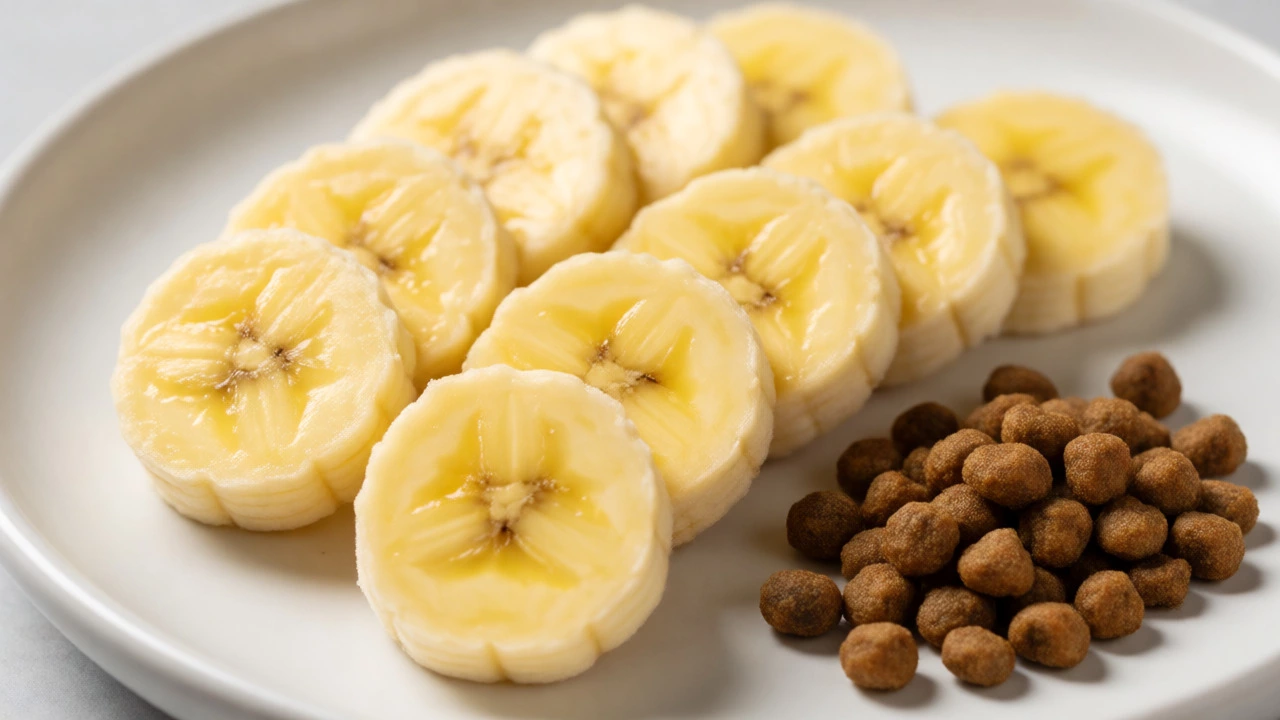
For a small dog (under 20 lbs), stick to one or two thin slices occasionally. For medium dogs (20-50 lbs), a quarter to a third of a banana is reasonable. Large dogs (over 50 lbs) can enjoy half a banana, but even they shouldn’t eat a whole one daily unless their overall diet is adjusted to account for the extra calories.
Always introduce new foods gradually. Start with a tiny piece and watch for any adverse reactions over the next 24 hours. Look for signs of gastrointestinal distress, such as vomiting, diarrhea, or excessive gas. Some dogs have sensitive stomachs, and the high fiber and sugar combo can trigger a quick trip to the backyard.
Can Dogs Eat Banana Peels?
This is where things get tricky. Technically, banana peels are non-toxic to dogs. They are edible and contain antioxidants and fiber. However, they are tough, bitter, and difficult to digest. Many dogs simply spit them out because they dislike the texture.
If your dog does manage to swallow a large chunk of peel, there is a risk of intestinal blockage, especially in smaller breeds. The peel is fibrous and doesn’t break down easily in the canine gut. Unless you are blending it into a smoothie or cooking it down to soften it, it’s safer to discard the peel. Don’t let your dog raid the fruit bowl and chew on raw peels unsupervised.
Benefits Beyond Taste
Despite the sugar concerns, there are legitimate reasons to include bananas in your dog’s rotation. First, they are excellent for hydration. Bananas have a high water content, which helps keep dogs hydrated, particularly during hot Auckland summers when walks can be draining.
Second, the potassium content supports muscle function. If your dog is aging or recovering from illness, gentle sources of electrolytes can help. Just ensure you consult your vet first, especially if your dog has kidney disease, as excess potassium can be harmful in those specific cases.
Third, bananas can act as a palate cleanser. After eating dry kibble, the soft texture of a banana can be appealing. Some owners freeze mashed bananas in ice cube trays to create refreshing summer treats that also soothe teething puppies.
Preparation and Serving Ideas
How you serve the banana matters as much as how much you serve. Here are three safe ways to incorporate this fruit into your dog’s diet:
- Raw Slices: The simplest method. Peel the banana and cut it into coin-sized pieces appropriate for your dog’s size. This preserves the nutrients and offers a fresh snack.
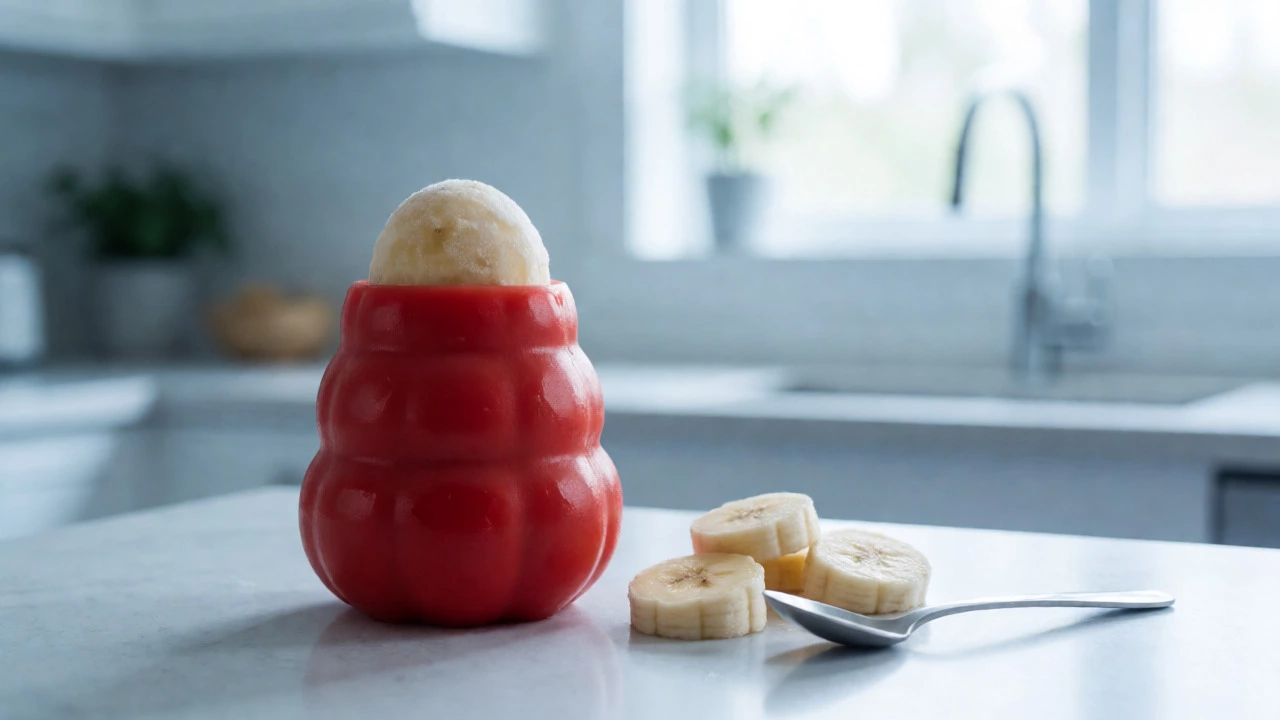
- Frozen Mash: Mash a ripe banana and mix it with plain yogurt (unsweetened, no xylitol). Pour into ice cube trays and freeze. These “pupsicles” are great for slowing down eager eaters and providing mental stimulation.
- Kong Filler: Use mashed banana as part of the stuffing inside a Kong toy. Mix it with peanut butter (check labels for xylitol avoidance) and kibble. The sticky texture keeps dogs occupied longer than a simple bowl meal.
Avoid adding sugar, honey, or cinnamon unnecessarily. Your dog doesn’t need the extra sweetness, and spices can sometimes irritate their stomach lining. Keep it simple.
When to Skip the Banana
Not every dog should have access to bananas. If your dog is on a prescription diet for kidney failure, liver disease, or pancreatitis, check with your veterinarian before offering any fruit. Pancreatitis, in particular, makes dogs sensitive to fats and sometimes sugars, and the sudden influx of calories could trigger a flare-up.
Also, be wary of processed banana products. Dehydrated banana chips often contain added oils and sugars, making them far less healthy than fresh fruit. Always opt for the real thing whenever possible.
Can puppies eat bananas?
Yes, puppies can eat bananas once they are old enough to eat solid food, usually around 8 weeks. However, their digestive systems are delicate. Start with very small amounts to monitor for diarrhea or gas. Avoid giving them large chunks due to choking hazards.
Is banana good for dogs with diarrhea?
Sometimes. The pectin in bananas can help firm up stool, but the high sugar content might worsen osmotic diarrhea in some cases. It is best to consult a vet before using bananas as a home remedy for ongoing digestive issues.
What happens if my dog eats a whole banana peel?
If a large dog swallows a whole peel, it might pass through without issue, though it could cause temporary stomach upset. For small dogs, there is a risk of intestinal blockage. Monitor your dog closely for vomiting, lethargy, or inability to defecate, and contact a vet if symptoms appear.
Are frozen bananas better for dogs?
Frozen bananas are not nutritionally superior, but they are often preferred by owners because they slow down consumption. This prevents gulping and reduces the risk of choking. They also provide a cooling effect, which is beneficial in warm weather.
Do bananas cause bad breath in dogs?
No, bananas generally do not cause bad breath. In fact, the enzymes in fruit can sometimes help clean teeth slightly. Bad breath in dogs is usually linked to dental disease, diet composition, or underlying health issues, not fruit consumption.