Dog Safety and Pet Care in November 2025: Collars, Food, and Behavior Tips
When it comes to dog collar safety, the risk of strangulation or injury when a dog gets caught on something. Also known as escape collars, it's not just about comfort—it’s about survival. Many owners don’t realize that even a simple buckle collar can turn deadly in a crate, on a fence, or during play. That’s why breakaway collars, proper crate rules, and smart identification methods became the focus of several key guides this month. This isn’t just theory. Real dogs, real accidents, and real choices shaped what we shared.
Alongside dog behavior, the natural habits and emotional responses dogs show in daily life, like sleeping near their owners or barking excessively. Also known as canine psychology, it helps explain why your dog does what it does—not because it’s stubborn, but because it’s trying to communicate. We dug into why dogs sleep next to your bed, how to stop barking without shock collars, and whether leaving your dog alone overnight is cruel. These aren’t random quirks. They’re signals. And ignoring them leads to stress, accidents, or worse. Meanwhile, cat nutrition, how to improve a cat’s health through food additives like wet food, fish oil, and probiotics. Also known as feline dietary support, it’s often overlooked because dry food seems convenient. But hydration and gut health matter just as much for cats as they do for dogs. We showed exactly what to add—and what to never touch.
And then there’s the stuff you can’t unsee: toxic foods for dogs, common human foods that cause poisoning, organ failure, or death in dogs. Also known as dog food dangers, these include chocolate, xylitol, grapes, and onions—items many households keep on counters or in trash cans. One wrong bite can mean an emergency vet visit. We laid out the worst offenders and what to do if your dog eats them. You’ll also find what’s legal and what’s not when it comes to dogs in grocery stores, where service animals are allowed and pets are banned under food safety laws. Also known as pet access rules, this matters if you live in Virginia or plan to shop with your dog. Rules vary by state, and confusion gets people turned away—or worse, fined.
What You’ll Find in These Posts
Every article this month was written for real pet owners—not experts, not trainers, just people who love their animals and want to do better. You’ll find clear answers to questions like: Should my dog wear a collar in the crate? Is dry food enough for my cat? Can I leave my dog alone all night? These aren’t opinion pieces. They’re based on vet advice, behavior science, and real-life outcomes. No fluff. No hype. Just what works.
If you’ve ever worried your dog might choke on a collar, wondered why your cat won’t drink water, or felt guilty for leaving your pup alone while you worked, you’ll find answers here. These posts don’t just tell you what to do—they show you why it matters, and how to make changes that stick. No guesswork. No jargon. Just practical steps you can take tomorrow.
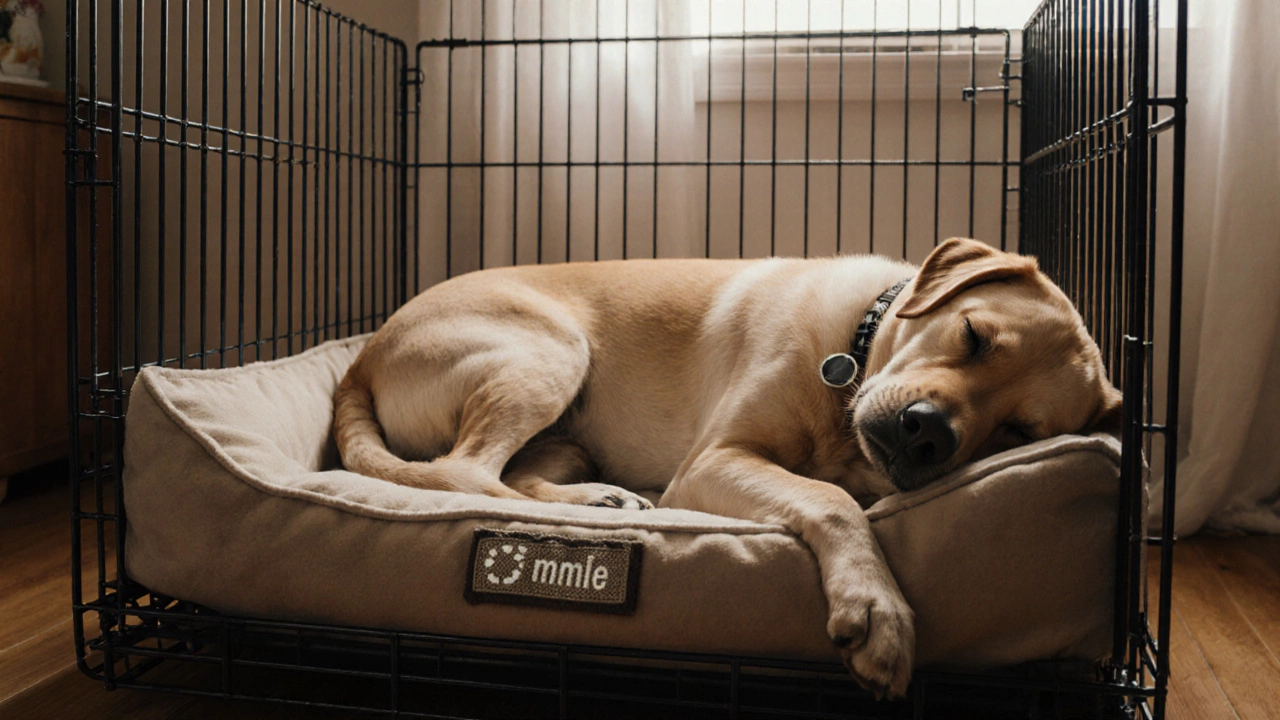
Should Dogs Wear Collars in Crates? Safety, Risks, and Best Practices
Should dogs wear collars in crates? Learn why most collars are dangerous in crates, the one safe exception, and how to keep your dog safely identified without risking injury.
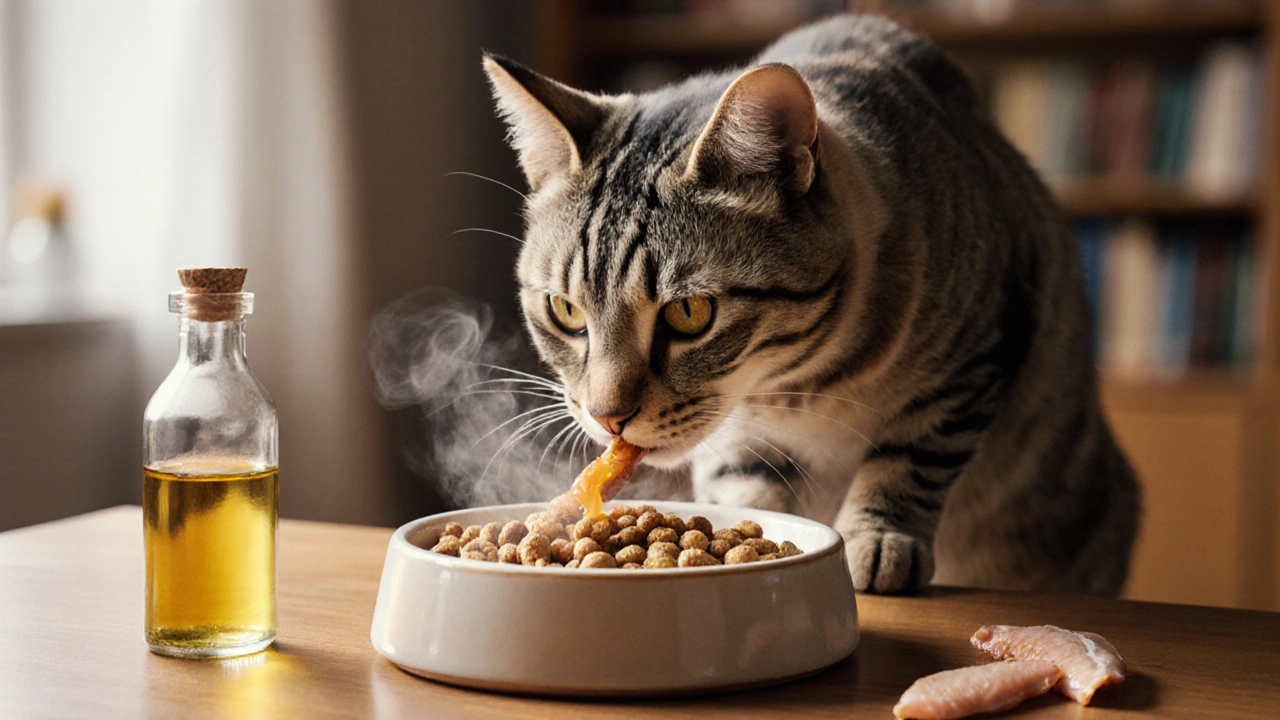
What to Add to Your Cat's Dry Food for Better Nutrition
Discover safe, effective ways to enhance your cat's dry food with wet food, toppers, fish oil, and probiotics to improve hydration, coat health, and digestion-without risky additions.

Why Does My Dog Sleep Next to My Bed? Dog Behavior Explained
Your dog sleeps next to your bed not because it’s spoiled, but because it trusts you, feels safe with your scent, and sees you as its pack leader. Here’s why-and what to do if you want to change it.
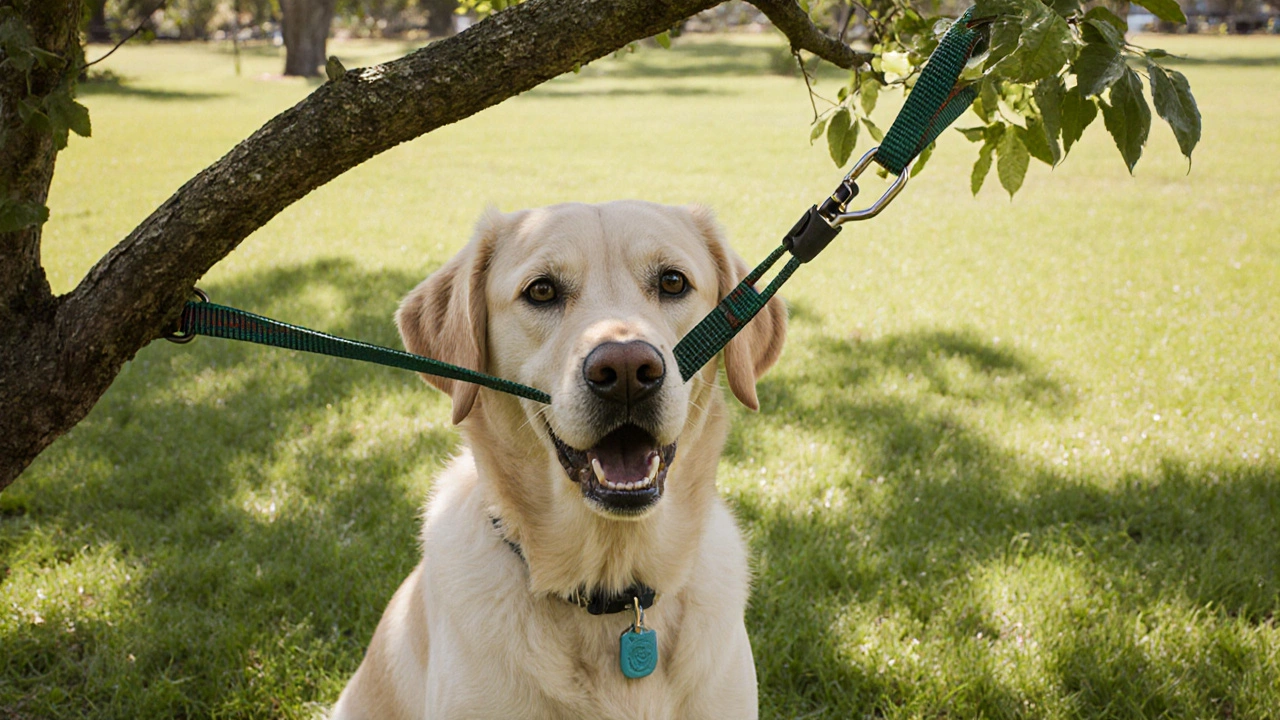
Are Breakaway Collars Necessary for Dogs? Here's What Pet Owners in New Zealand Need to Know
Breakaway collars can save your dog's life if they get caught on something. Learn when they're necessary, how to choose the right one, and why they're not just for small dogs.

What Can I Use Instead of a Bark Collar? Effective, Humane Dog Training Alternatives
Discover humane, science-backed alternatives to bark collars that actually fix the root cause of excessive barking. Learn how positive training, mental stimulation, and behavior modification work better than punishment.

What Is the Absolute Worst Food for Dogs? Toxic Foods Every Owner Must Avoid
Discover the absolute worst foods for dogs-including chocolate, xylitol, grapes, and onions-that can cause poisoning, organ failure, or death. Learn what to do if your dog eats something toxic and how to prevent accidents.
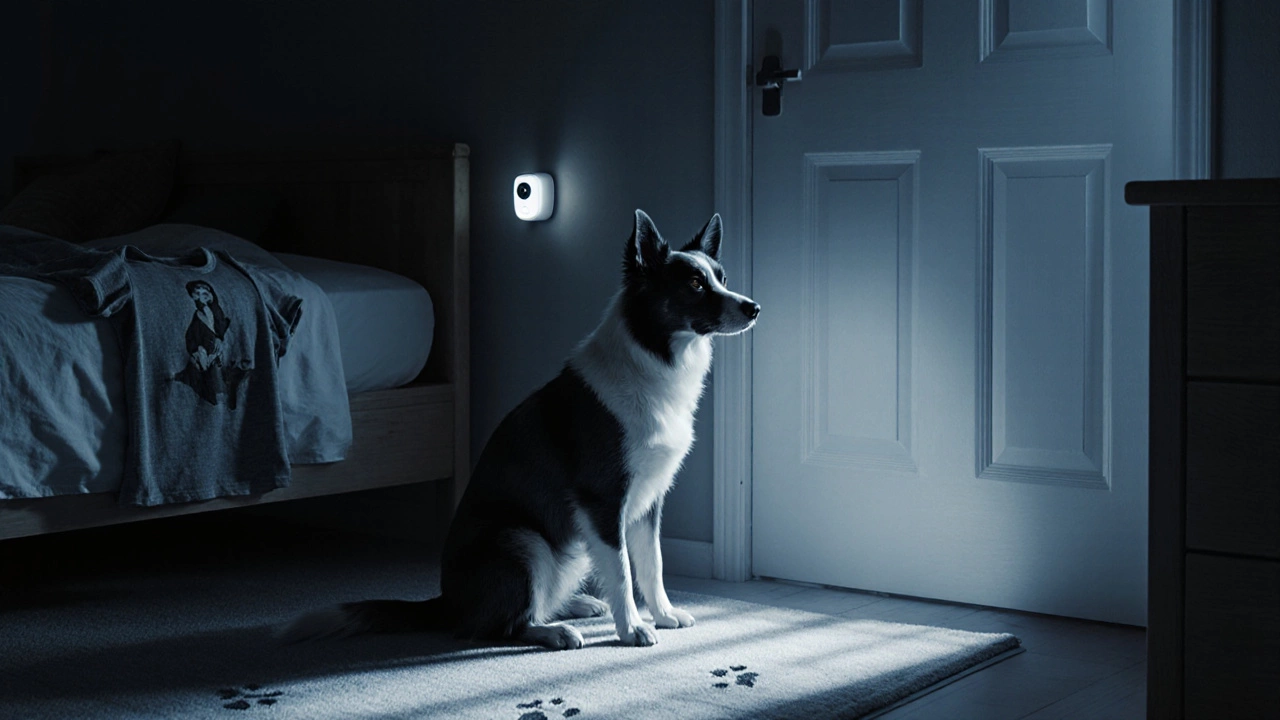
Is It Cruel to Leave a Dog Alone Overnight?
Leaving a dog alone overnight isn’t always cruel, but it can cause anxiety, accidents, and stress. Learn the signs your dog is struggling and what you can do instead-without guilt.
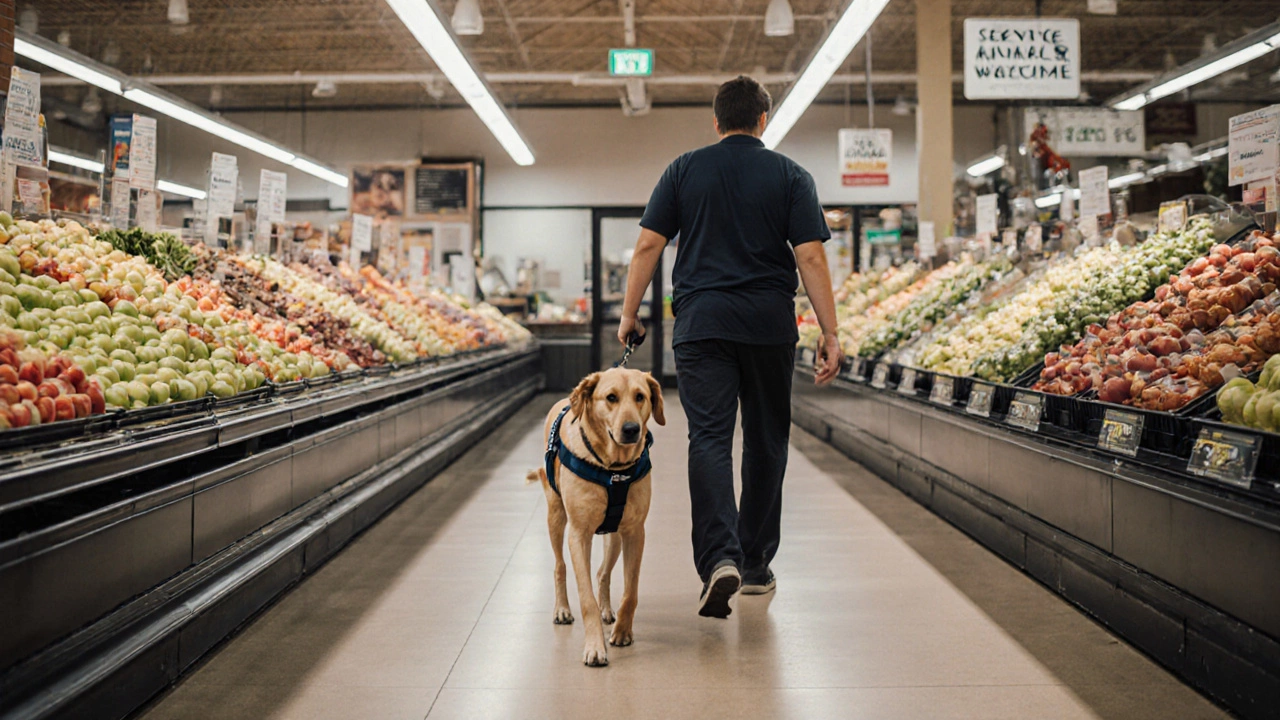
Are Dogs Allowed in Grocery Stores in Virginia? What You Need to Know
In Virginia, only service dogs are allowed in grocery stores. Pets, emotional support animals, and therapy dogs are banned due to food safety laws. Learn the rules, alternatives, and what to do if you're turned away.