
Homemade Dog Food Calculator
Ever looked at your dog’s kibble and wondered if you could do better? You’re not alone. Many of us want to give our pets the same quality meals we serve ourselves. But here’s the catch: dogs have different nutritional needs than humans. Feeding them leftovers from your plate might seem kind, but it can actually lead to serious health issues over time.
The good news? You can cook for your dog safely. It just takes a bit of planning, knowledge about canine biology, and a strict list of what goes in (and stays out) of their bowl. This isn’t about replacing commercial food overnight; it’s about understanding how to create balanced, nutritious meals that keep your pup healthy, energetic, and happy.
The Reality of Canine Nutrition
Before you chop up any vegetables or boil chicken, you need to understand what a dog actually needs to survive and thrive. Unlike cats, which are obligate carnivores, dogs are facultative carnivores. This means they evolved to eat meat but can digest plant matter too. However, their digestive systems are still optimized for protein and fat, not high-carb diets.
A balanced diet for a dog consists of several key components:
- Protein: The building block of muscles, organs, and immune function. Sources include chicken, beef, fish, and eggs.
- Fat: Provides energy and helps absorb vitamins. Healthy fats come from animal sources and certain oils like fish oil.
- Carbohydrates: While not strictly essential, they provide fiber and energy. Good options include sweet potatoes, rice, and oats.
- Vitamins and Minerals: Calcium, phosphorus, zinc, and various vitamins are crucial. These are often missing in homemade diets unless carefully supplemented.
The biggest mistake people make is focusing only on the "meat" part. If you feed your dog only chicken breast, they will eventually develop severe calcium deficiencies, leading to weak bones and other skeletal problems. Balance is everything.
Safe Ingredients: What Goes In the Bowl
When crafting a homemade meal, stick to whole, recognizable ingredients. Here is a breakdown of safe and beneficial foods you can use:
Proteins
Cooked lean meats are excellent. Chicken thighs (with skin removed), turkey, lean ground beef, and lamb are great choices. Fish like salmon and sardines are fantastic because they are rich in omega-3 fatty acids, which support skin and coat health. Always ensure meat is fully cooked to kill bacteria like Salmonella.
Vegetables
Veggies add fiber and micronutrients. Carrots, green beans, pumpkin (plain, not pie filling), and spinach are safe bets. Cook them lightly to make nutrients more accessible. Raw carrots can be used as crunchy treats, but cooked veggies are easier to digest.
Fruits
Dogs love fruit, and many fruits are healthy. Blueberries are packed with antioxidants. Apples (without seeds) provide vitamin C. Bananas are okay in moderation due to sugar content. Watermelon is hydrating and refreshing, especially in summer, but remove the rind and seeds.
Grains and Starches
If your dog doesn’t have a grain allergy, brown rice, quinoa, and oatmeal are good sources of complex carbohydrates. Sweet potatoes are particularly popular because they are nutrient-dense and easy to digest.
Toxic Foods: What Must Stay Out
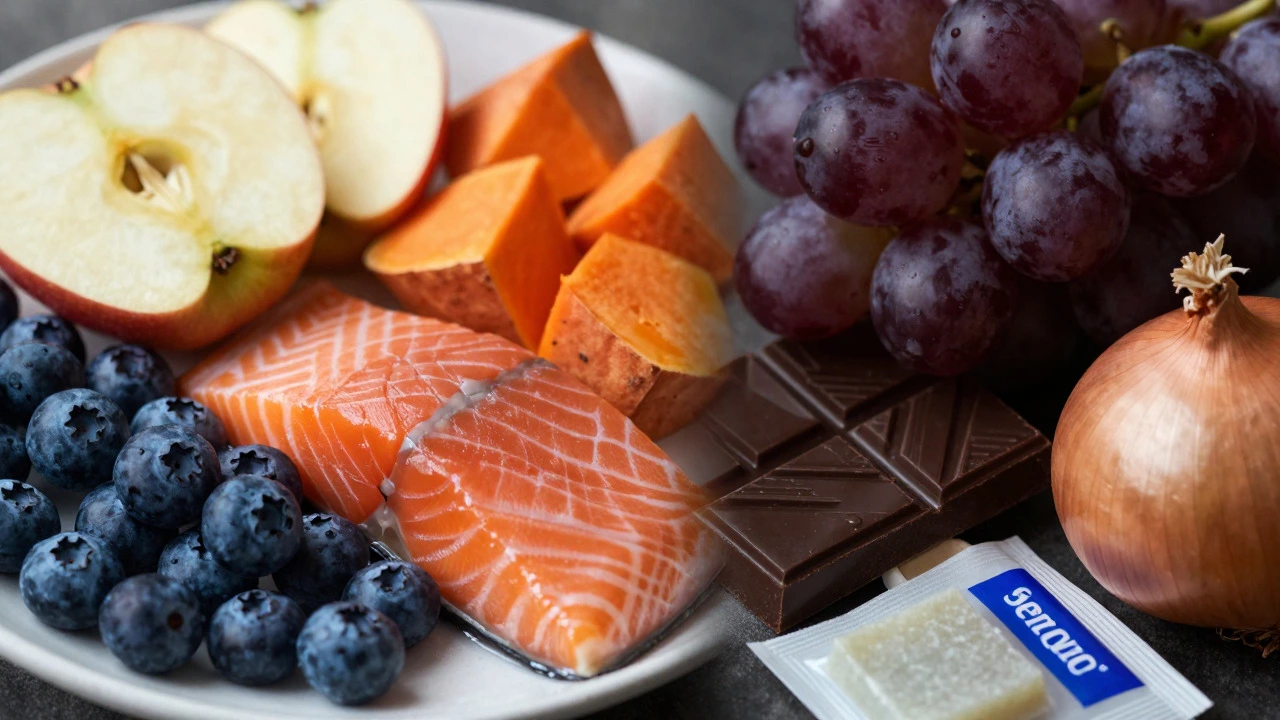
This is the most critical section. Some human foods are mildly upsetting to dogs, while others can be fatal. Keep these away from the kitchen counter and the trash can:
- Chocolate: Contains theobromine, which dogs cannot metabolize effectively. Dark chocolate is more dangerous than milk chocolate.
- Grapes and Raisins: Even small amounts can cause acute kidney failure in some dogs. The exact toxic compound is still unknown, so avoid them entirely.
- Onions and Garlic: These contain compounds that damage red blood cells, leading to anemia. This includes powdered forms found in seasonings.
- Xylitol: An artificial sweetener found in gum, candy, and some peanut butters. It causes a rapid release of insulin, leading to hypoglycemia and liver failure.
- Macadamia Nuts: Can cause weakness, vomiting, and hyperthermia.
- Avocado: Contains persin, which can cause vomiting and diarrhea. The pit is also a choking hazard.
Building a Balanced Meal Plan
You don’t need to be a chef, but you do need to be a calculator. A simple rule of thumb for a basic homemade diet is the 50/25/25 ratio:
- 50% Protein: Cooked meat or fish.
- 25% Vegetables: Mixed, cooked veggies.
- 25% Carbohydrates: Rice, potato, or grains.
For example, a batch of food might look like this:
- 1 lb cooked chicken breast, shredded
- 1 cup cooked brown rice
- 1 cup mixed steamed broccoli and carrots
This provides a solid base, but it’s not complete yet. To make it truly balanced, you need supplements. Most vets recommend adding a calcium supplement (like eggshell powder or bone meal) and a multivitamin designed for dogs. Without calcium, the phosphorus in the meat will leach calcium from your dog’s bones.
Comparison: Homemade vs. Commercial Food
| Feature | Homemade Food | Commercial Kibble |
|---|---|---|
| Cost | Higher (buying fresh ingredients) | Lower to Moderate |
| Convenience | Low (requires prep and cooking) | High (just scoop and serve) |
| Nutritional Control | Total control over ingredients | Limited to brand formulation |
| Balance Risk | High risk of deficiencies without planning | Low risk (AAFCO tested) |
| Palatability | Very high (fresh smells appeal to dogs) | Moderate |
Transitioning Safely
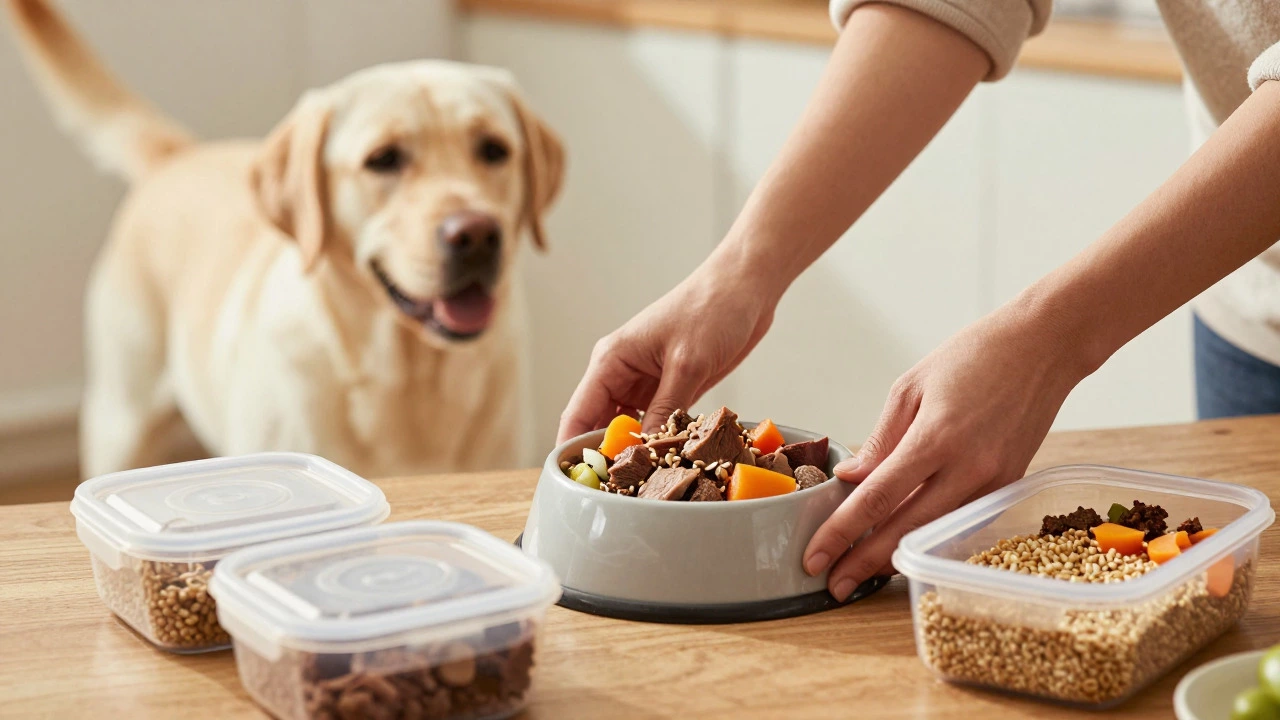
If you decide to switch your dog to homemade food, don’t do it all at once. Sudden changes can cause gastrointestinal upset, including diarrhea and vomiting. Transition over a period of 7 to 10 days:
- Days 1-3: 75% old food, 25% new homemade food.
- Days 4-6: 50% old food, 50% new homemade food.
- Days 7-9: 25% old food, 75% new homemade food.
- Day 10: 100% new homemade food.
Watch your dog’s stool during this process. Firm, formed stools indicate the diet is agreeing with them. Loose or frequent stools mean you may need to slow down the transition or adjust the fiber content.
Consulting a Professional
Here is the most important advice: talk to your vet or a board-certified veterinary nutritionist before making permanent changes. Every dog is different. Puppies, senior dogs, and dogs with medical conditions like kidney disease or diabetes have specific needs that a generic recipe won’t meet.
A nutritionist can help you calculate the exact calorie needs based on your dog’s weight, age, and activity level. They can also recommend specific supplements to ensure long-term health. It’s an investment in your dog’s future well-being.
Storage and Preparation Tips
Cooking in batches saves time. Prepare large quantities of food on weekends and portion them out for the week. Store portions in airtight containers in the refrigerator for up to three days, or freeze them for longer storage. Thaw frozen portions in the fridge overnight before serving. Never leave homemade food out at room temperature for more than two hours, as bacteria can grow quickly in moist environments.
Remember, the goal is not just to feed your dog, but to nourish them. With careful planning, homemade food can be a rewarding way to show your pet you care, ensuring they get the best possible start every day.
Can I feed my dog raw meat?
Yes, but there are risks. Raw diets can carry bacteria like Salmonella and E. coli, which pose risks to both dogs and humans handling the food. If you choose raw feeding, follow strict hygiene practices and consider consulting a vet to ensure the diet is balanced. Many experts recommend lightly cooking meat to reduce bacterial load while preserving nutrients.
How much homemade food should I feed my dog?
The amount depends on your dog’s size, age, and activity level. A general guideline is 2-3% of their ideal body weight per day for adult dogs. For example, a 50lb dog might eat 1-1.5 lbs of food daily. Always monitor your dog’s body condition score and adjust portions accordingly. Consult your vet for precise calculations.
Is homemade dog food expensive?
It can be more expensive than standard kibble, especially if you buy organic or premium meats. However, costs vary based on ingredient choices and where you shop. Buying in bulk and using seasonal vegetables can help manage expenses. Consider it an investment in your dog’s health, potentially reducing future vet bills related to diet-related issues.
Do I need supplements with homemade food?
Almost certainly yes. Homemade diets often lack calcium, iodine, zinc, and certain vitamins. Without proper supplementation, your dog may develop deficiencies over time. A calcium source like eggshell powder is crucial when feeding meat-heavy diets. Work with a veterinary nutritionist to determine the right supplements for your specific recipe.
Can puppies eat homemade food?
Puppies have higher nutritional needs for growth, particularly calcium and protein. While they can eat homemade food, the balance must be perfect. Deficiencies during puppyhood can lead to lifelong skeletal problems. It is highly recommended to consult a vet or nutritionist before switching a puppy to a homemade diet to ensure all growth requirements are met.