Coconut Oil for Dogs: Benefits, Risks, and What Really Works
When you hear coconut oil for dogs, a natural fat often used as a supplement to improve skin, coat, and digestion in pets. Also known as virgin coconut oil, it’s become a go-to for owners looking for simple, plant-based fixes—but not all claims hold up. Some swear it clears up itchy skin, others say it boosts energy, and a few even use it to fight fleas. But what does it actually do—and is it safe for your dog?
The real value of coconut oil, a medium-chain triglyceride-rich oil extracted from coconut meat comes from its fatty acids, especially lauric acid. That’s the same compound found in mother’s milk, and it has mild antimicrobial properties. For dogs with dry, flaky skin or minor hot spots, a small amount rubbed on the coat can soothe irritation. It’s not a cure for allergies or infections, but it can help manage symptoms. When given orally, it may improve digestion for dogs with sensitive stomachs—especially those struggling with loose stools or poor nutrient absorption. But here’s the catch: not all dogs tolerate it well. Some get diarrhea, others gain weight fast, and a few develop pancreatitis if given too much.
dog supplements, additives used to support health beyond basic nutrition like coconut oil aren’t regulated like drugs. That means dosing is guesswork unless you follow vet guidelines. Most experts recommend starting with 1/4 teaspoon per 10 pounds of body weight, once a day. Increase slowly, if at all. Always use unrefined, cold-pressed coconut oil—no hydrogenated junk, no additives. And never use it as a replacement for proper vet care. If your dog has chronic skin issues, bad breath, or low energy, those are signs of something deeper. Coconut oil won’t fix a thyroid problem or a food allergy.
There’s also the question of what else you’re feeding your dog. If your dog’s food already has enough fat—like many premium kibbles do—adding coconut oil might just lead to obesity. On the flip side, if your dog is underweight or has a dull coat, a little coconut oil might help. It’s not magic. It’s a tool. And like any tool, it works only if used right.
You’ll find plenty of posts here that dig into real cases: dogs whose coats changed after a month of daily oil, others who got sick from overdoing it, and even stories of owners who switched from expensive vet-prescribed diets to simple coconut oil—and saw results. Some of these are anecdotal, but they’re backed by real data from pet owners who tracked changes. You’ll also see what NOT to do—like pouring oil on a dog with a known fat intolerance, or using it as a flea repellent without addressing the real cause of the infestation.
Coconut oil for dogs isn’t right for every pet. But for some, it’s a simple, affordable way to make a difference. The key isn’t in the oil itself—it’s in knowing your dog, watching for reactions, and listening to what their body tells you. Below, you’ll find real stories, dosing guides, and science-backed advice to help you decide if it’s worth trying.

Is Coconut Oil Better Than Fish Oil for Dogs?
Coconut oil and fish oil both support dog health, but they work in different ways. Fish oil reduces inflammation and helps with joints and allergies. Coconut oil improves coat shine and digestion. Which one your dog needs depends on their specific health concerns.
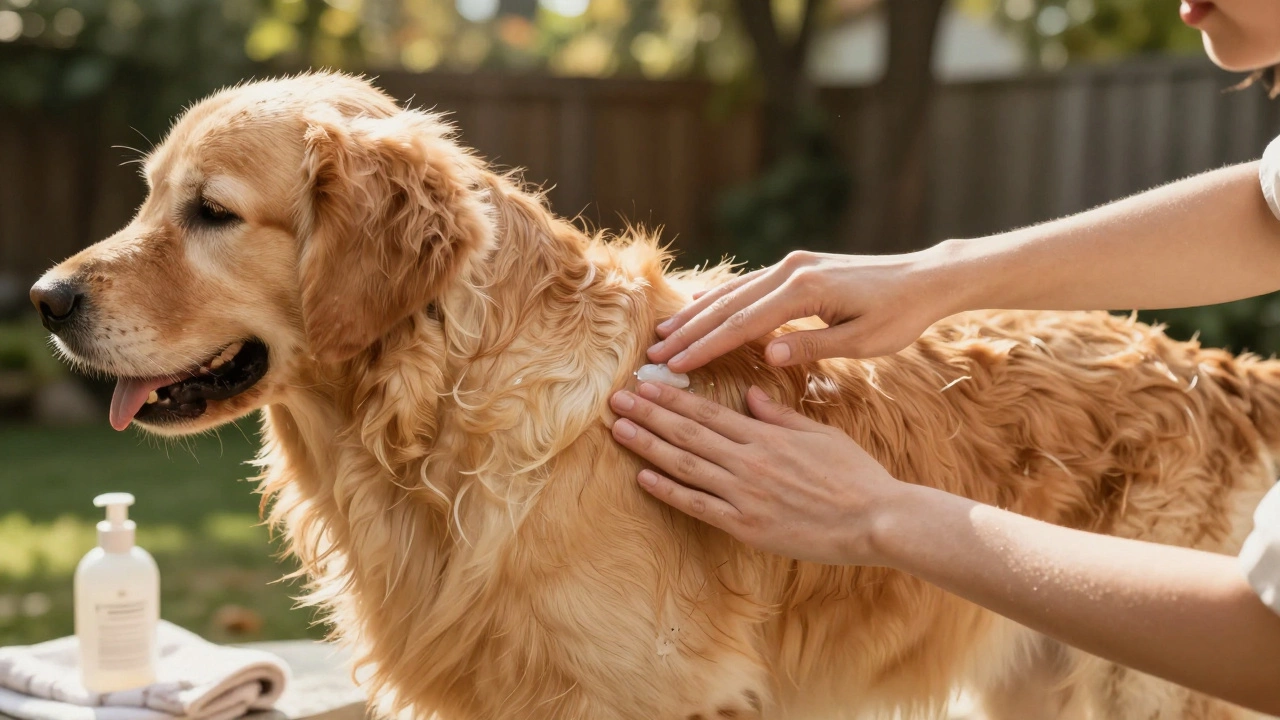
Do I Have to Rinse Coconut Oil Off My Dog? Here’s What Actually Works
Coconut oil can help your dog's skin and coat, but rinsing it off depends on how much you use and why. Learn when to wash it out, when to leave it, and safer alternatives if it's not right for your pet.