How Dogs Perceive Absence: What Science and Behavior Reveal
When you walk out the door, your dog doesn’t just miss you—they how dogs perceive absence, the emotional and cognitive response dogs have when separated from their human companions. Also known as canine separation distress, it’s not just whining or chewing—it’s a deep, biological reaction tied to their pack instincts. Unlike humans, dogs don’t think in abstract time. They don’t count hours or plan for your return. Instead, they live in the moment, and your absence creates a real, physical void they feel in their bodies and minds.
This isn’t just about attachment—it’s about survival. Dogs evolved as social animals that relied on group cohesion to thrive. Your scent, your voice, your rhythm—they’re the markers of safety. When those disappear, their stress response kicks in. Studies show elevated cortisol levels in dogs left alone, even for short periods. Some dogs pace, bark, or destroy things. Others curl up in your spot, waiting. And many just stare at the door. These aren’t tricks or bad behavior—they’re signals of distress. dog separation anxiety, a condition where dogs experience extreme fear or panic when left alone affects up to 20% of dogs, and it’s often mislabeled as disobedience. Meanwhile, dog bonding, the emotional connection formed between a dog and their human through trust, routine, and physical closeness is what makes the absence so painful. The stronger the bond, the deeper the ache.
What you might think is a dog being clingy or spoiled is often a cry for understanding. Your dog doesn’t know you’ll be back tomorrow. They only know you’re gone now. That’s why routines matter. A consistent departure ritual—putting on shoes, grabbing keys, saying goodbye—triggers anticipation, not panic. And your return? It’s not just a reunion. It’s a reset. Your dog’s whole world stabilizes again. dog behavior, the observable actions and reactions dogs display in response to their environment and emotional state tells us more than we realize. The way your dog greets you, where they sleep when you’re gone, even how they eat or drink without you—it all paints a picture of how they experience your absence.
You’ll find real stories here—not theories. Posts that break down why your dog sleeps next to your bed, what happens when you leave them overnight, how breakaway collars help during panic episodes, and why leaving a dog alone isn’t always cruel—but sometimes, it is. You’ll see what works: the quiet training methods, the environmental tweaks, the simple changes that make a huge difference. This isn’t about guilt. It’s about awareness. And it’s about giving your dog the peace they deserve, even when you’re not home.
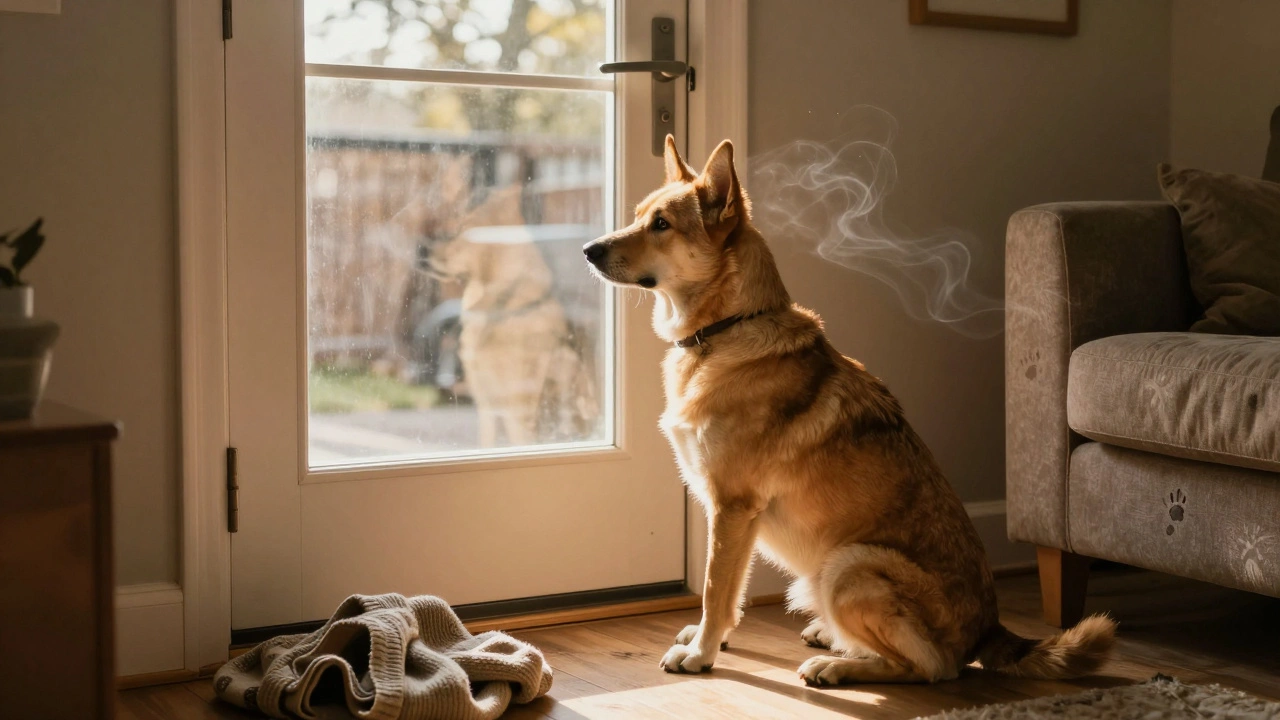
Can Dogs Tell How Long You're Gone? What Science Says About Their Sense of Time
Dogs don't count hours, but they absolutely notice when you're gone. Learn how scent, routine, and predictability shape their sense of time-and what it means for your next holiday.