Dogs Sleep Next to Owner: Why They Do It and What It Means
When your dog curls up right next to your bed, it’s not being clingy—it’s dog bonding, a deep, instinctive connection where the dog sees you as part of its pack. This isn’t random behavior. Science and years of observation show that dogs who sleep near their owners are seeking safety, warmth, and reassurance. They don’t need a fancy dog bed when your presence is the most comforting thing in the room. This behavior is common across breeds, from Chihuahuas to Great Danes, and it’s tied to their evolutionary roots as social animals.
dog sleeping habits, the patterns dogs follow when resting, are heavily influenced by their relationship with humans. Unlike cats, who often choose high perches or sunbeams, dogs prefer proximity. They’re drawn to your scent, your rhythm, even the sound of your breathing. Studies show dogs can detect subtle changes in your body temperature and heart rate while you sleep—and they adjust their position accordingly. If your dog presses against you or rests a paw on your leg, it’s not just affection. It’s a silent signal: I’m here with you. This kind of closeness reduces stress for both of you. In fact, pet owners who share sleep space with their dogs often report better sleep quality, not worse.
But it’s not always about comfort. Sometimes, sleeping next to you is a sign of dog separation anxiety, a condition where the dog becomes overly dependent on your presence to feel safe. If your dog whines, paces, or destroys things the moment you leave the room, their nighttime closeness might be a coping mechanism. It’s not that they’re spoiled—they’re scared. Recognizing the difference between secure bonding and anxious clinging matters. One leads to peaceful nights; the other needs gentle training.
And then there’s the practical side: dog bed preferences, what dogs choose when given options, often reflect their emotional needs more than physical comfort. Many dogs will ignore a plush orthopedic bed to sleep on the cold floor right beside your mattress. Why? Because the bed doesn’t smell like you. The floor doesn’t have your warmth. Your presence does. That’s the real draw.
So what should you do? If your dog sleeping next to you feels right, let them. It’s normal. It’s healthy. But if you want to give them their own space, start by placing a dog bed right beside yours—same spot, same scent trail. Use the same blanket they already like. Make the transition slow, not forced. Don’t punish them for wanting closeness. Reward them for choosing their own space, even if it’s just for five minutes at first.
You’ll find a lot of advice online telling you to stop your dog from sleeping next to you. But the truth? Most of it ignores the real reason they’re there. It’s not about dominance. It’s not about bad habits. It’s about trust. And that’s something worth understanding before you try to change it.
Below, you’ll find real stories and practical tips from dog owners who’ve dealt with this exact issue—whether they wanted their dog closer, or further away. You’ll learn how to read the signs, adjust routines, and build better sleep habits without breaking the bond you already have.
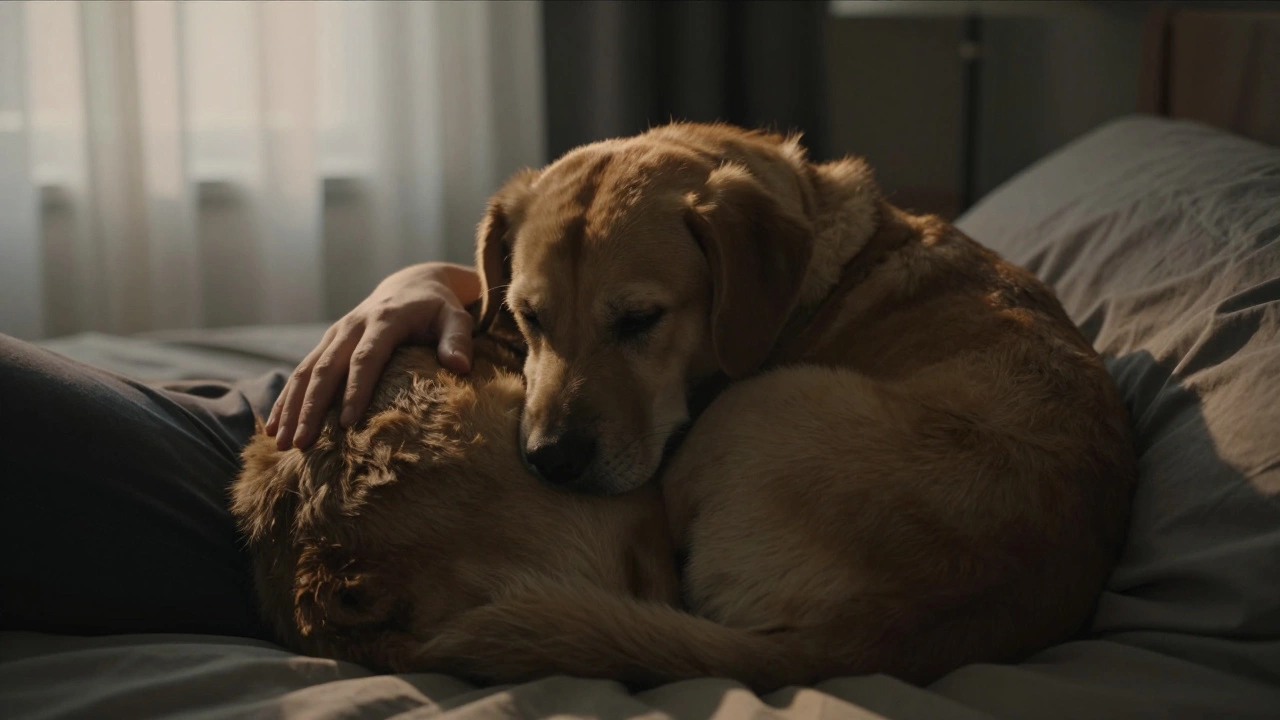
Why Dogs Sleep Next to Their Favorite Person
Dogs sleep next to their favorite person not for comfort, but because they feel safest there. This behavior stems from pack instincts, emotional bonding, and deep trust. Learn why your dog chooses you over the best dog bed-and what it really means.