Dog Sleep Routine: How to Establish a Healthy Nightly Schedule for Your Dog
When it comes to your dog’s health, their dog sleep routine, a consistent pattern of rest that supports physical recovery and mental calm. Also known as dog bedtime schedule, it’s just as important as food and exercise. Dogs don’t just crash out randomly—they need structure. Without one, they get anxious, restless, or even destructive. A solid sleep routine isn’t about forcing them into a crate at 9 p.m. It’s about aligning their natural rhythms with your household life so they feel safe, tired, and ready to shut down when it’s time.
What affects your dog’s sleep? A few big things: their dog sleep patterns, the natural cycles of light and dark that guide when they feel sleepy or alert, their daily activity level, and the dog sleep environment, the quiet, dark, and comfy space where they feel secure enough to fully relax. If your dog’s bed is in the middle of the hallway, or their crate is next to the TV, they’re not getting deep rest. They’re staying on alert. And that’s why you see them pacing at 2 a.m. or barking at shadows. It’s not bad behavior—it’s a sign their routine is broken.
Think about how you feel after a week of late nights and noisy rooms. That’s your dog, every single day. A good routine means feeding them at the same time, taking them out for a final potty break right before bed, and keeping the evening calm. No wild games, no loud yelling, no last-minute treats. Just quiet time, maybe a gentle rub, and then lights out. Dogs thrive on predictability. They don’t need fancy beds or expensive calming sprays (though those can help). They need consistency.
Some dogs sleep 12 to 14 hours a day. Others, especially older ones or big breeds, might sleep 18. That’s normal. But if your dog is suddenly sleeping more—or less—or waking up frantic every night, something’s off. Maybe their routine changed. Maybe they’re in pain. Maybe their sleep spot is too hot, too cold, or too noisy. The fix isn’t always medicine. Sometimes, it’s just moving their bed to a quieter corner and sticking to the same bedtime every night—even on weekends.
You’ll find real stories here: how one owner fixed their dog’s midnight barking by changing the evening walk time. How another helped their anxious rescue pup sleep through the night by adding a familiar blanket and turning off the TV. You’ll see what works for small dogs versus large ones, for puppies versus seniors, and for dogs who share a home with cats or kids. No fluff. No guesswork. Just what actually helps dogs rest better—and how you can make it happen without turning your life upside down.
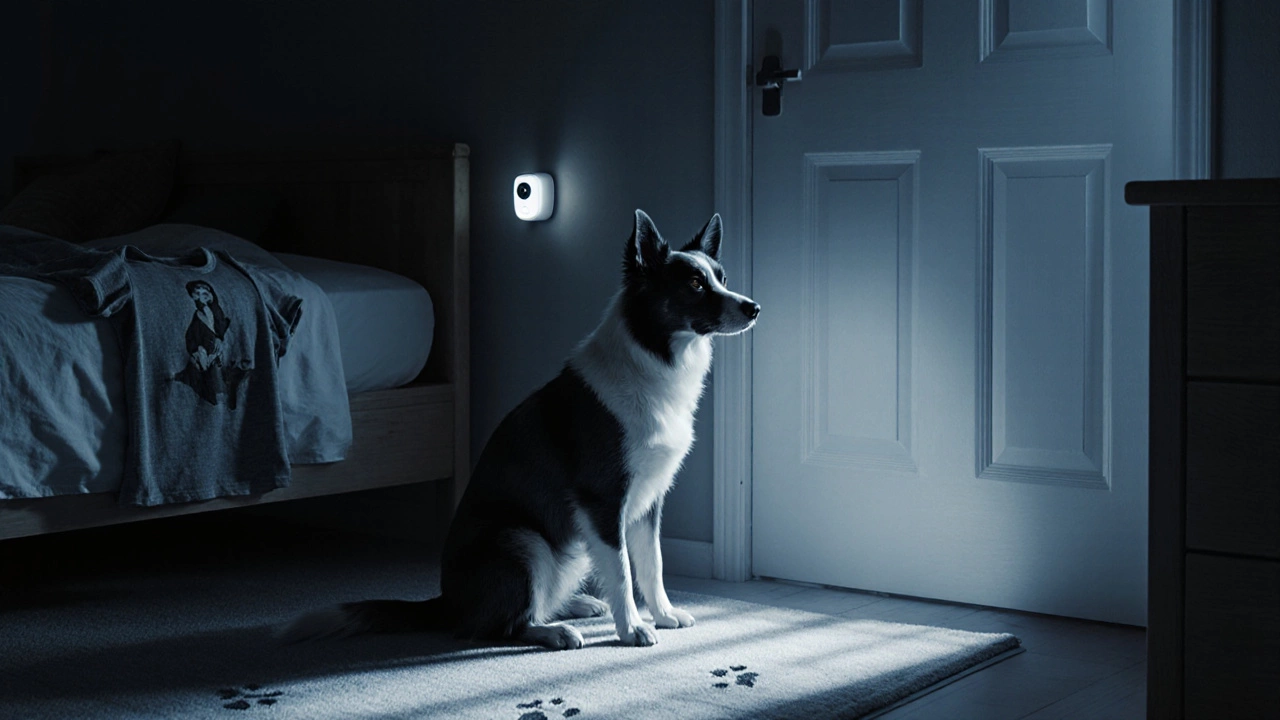
Is It Cruel to Leave a Dog Alone Overnight?
Leaving a dog alone overnight isn’t always cruel, but it can cause anxiety, accidents, and stress. Learn the signs your dog is struggling and what you can do instead-without guilt.