Dog Crate Overnight: Safe Sleep Solutions for Your Dog
When you think about a dog crate overnight, a secure, enclosed space designed for a dog to rest safely while unsupervised. Also known as dog sleeping crate, it’s not just a confinement tool—it’s a trusted space many dogs learn to love, especially when used right. A lot of owners worry that crating their dog overnight is cruel, but that’s usually because they’re doing it wrong. Done well, a crate becomes a den—a quiet, cozy spot where your dog feels safe, especially during storms, when guests are over, or just when they need to unwind.
There’s a big difference between locking a dog in a crate as punishment and letting them choose to curl up in one because it feels like home. The best results come from gradual training, not force. Start by leaving the crate door open with a favorite toy or blanket inside. Feed meals near it. Slowly, your dog will start walking in on their own. By the time you’re ready for overnight use, they might even hop in before you even ask. That’s the goal: voluntary comfort, not forced compliance.
Size matters. Too small and your dog can’t turn around. Too big and they might start using one corner as a bathroom. The right fit lets them stand up, stretch out, and lie down without feeling cramped. If you’ve got a puppy, get a crate that fits their adult size and use a divider to block off extra space. This keeps them from having room to mess up—and helps them learn to hold it. Most dogs over 6 months can sleep through the night without needing a bathroom break, especially if they’ve had a walk and a final potty trip right before bed.
What about noise? Some dogs whine at first. That’s normal. Don’t rush to open the door—that teaches them crying gets attention. Wait for a quiet moment, then praise them. If they’re truly distressed, check for pain, anxiety, or a bad experience tied to the crate. Some dogs need calming aids like pheromone sprays or gentle white noise. Others just need more time. And if your dog has separation anxiety? A crate alone won’t fix it. You’ll need a behavior plan, maybe with a vet or trainer.
And don’t forget the bedding. A soft mat or washable pad makes a huge difference. Avoid fluffy blankets that can be chewed or tangled. Keep it simple. Clean it weekly. A clean crate is a happy crate.
Some people think beds are better for overnight sleep. But a crate gives structure. It prevents wandering, chewing on furniture, or accidents. It’s especially helpful if you’ve got a new puppy, a senior dog with bladder issues, or a dog who’s still learning house rules. The posts below show real stories from owners who switched from bed-only to crate overnight—and how it changed their nights for the better.
You’ll find practical advice here on how to pick the right crate, what to do if your dog hates it, how to handle nighttime whining, and even when not to use one at all. Whether you’re just starting out or you’ve been crating for years, there’s something here that’ll help you sleep better—both you and your dog.
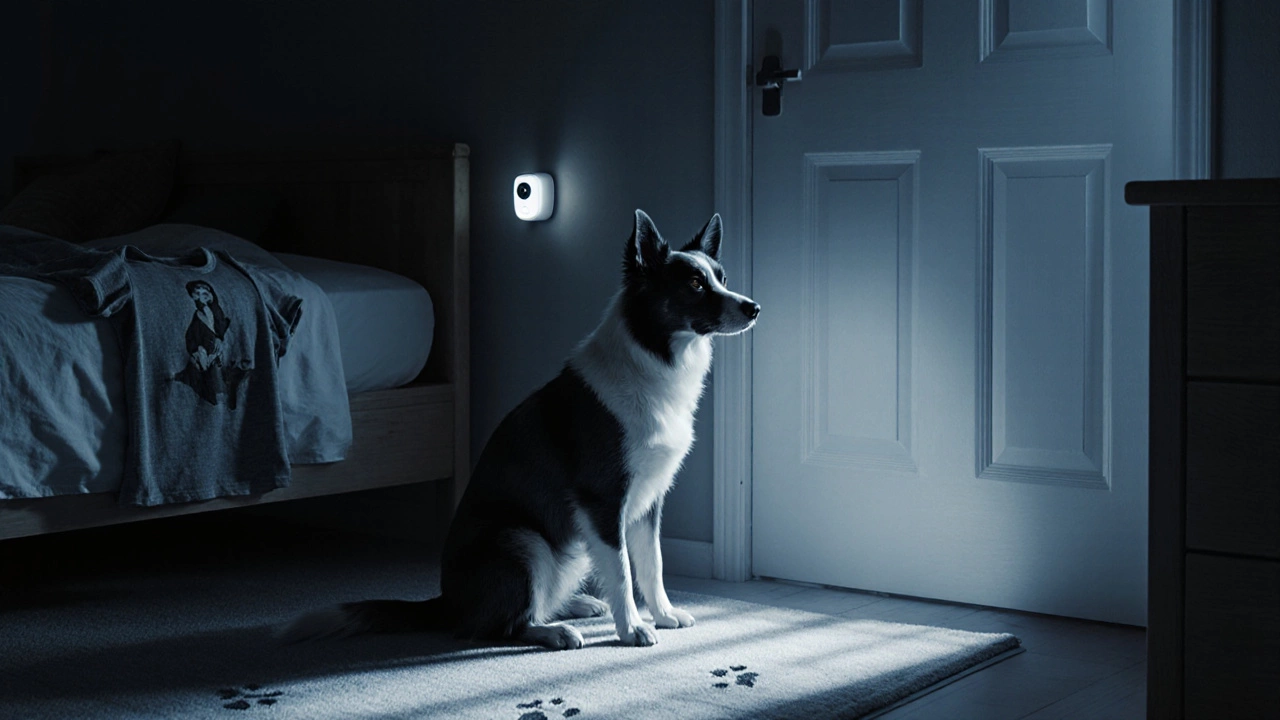
Is It Cruel to Leave a Dog Alone Overnight?
Leaving a dog alone overnight isn’t always cruel, but it can cause anxiety, accidents, and stress. Learn the signs your dog is struggling and what you can do instead-without guilt.