Dog Bed Preferences: What Really Matters for Your Dog’s Sleep
When it comes to dog bed preferences, the specific features dogs seek for comfort, support, and security during rest. Also known as dog sleeping habits, it’s not just about picking the softest option—your dog’s age, breed, health, and even personality shape what they need most. A bed that looks cozy to you might be too flat, too hot, or just plain confusing for your pup. Some dogs dig at their bed before lying down. Others circle endlessly. A few refuse to sleep anywhere but on your pillow. These aren’t quirks—they’re signals.
One of the biggest mistakes owners make is choosing a bed based on price or looks. What your dog really cares about is dog bed types, the structure and design that support their body and match their resting style. Is your dog a sprawler? They need a flat, spacious mat. A curler? A bolstered round bed gives them something to lean against. Senior dogs with arthritis? Orthopedic foam isn’t a luxury—it’s a necessity. And don’t ignore dog bedding materials, the fabrics and fillings that affect temperature, durability, and ease of cleaning. Memory foam holds heat, cotton breathes better, and waterproof liners stop accidents from soaking through. These aren’t minor details—they’re the difference between a good night’s sleep and restless pacing.
Size matters too. Many people buy a bed that fits their dog’s current size, then wonder why it’s too small in six months. Puppies grow fast. Large breeds need room to stretch. A bed that’s too small forces your dog into awkward positions, which can lead to joint strain over time. On the flip side, a bed that’s way too big might make a nervous dog feel exposed. The sweet spot? A bed where your dog can lie fully stretched out with a few inches to spare on all sides.
And let’s talk location. A bed in a drafty corner? Your dog will avoid it. One tucked under the stairs? Maybe it’s too quiet—or too lonely. Dogs are social animals. They often prefer sleeping near family, even if it’s just in the same room. That’s why so many owners find their dog has quietly moved their bed closer to the couch. It’s not defiance—it’s connection.
What you’ll find below are real, tested insights from dog owners who’ve tried everything—from memory foam to heated pads, from donut beds to flat mats—and figured out what actually works. You’ll see which beds hold up after months of chewing, which materials stay clean, and how to spot the signs your dog isn’t happy with their current setup. No fluff. No marketing hype. Just what your dog needs to sleep deeply, wake up rested, and stay healthy for years to come.
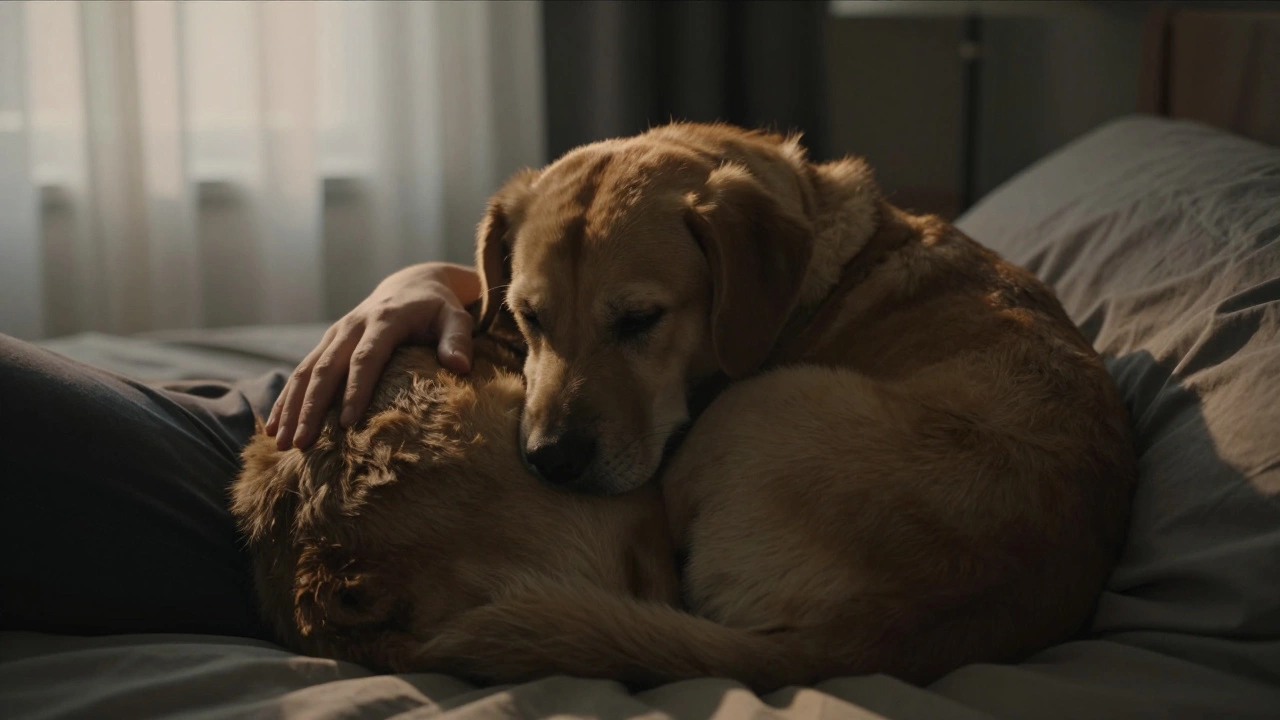
Why Dogs Sleep Next to Their Favorite Person
Dogs sleep next to their favorite person not for comfort, but because they feel safest there. This behavior stems from pack instincts, emotional bonding, and deep trust. Learn why your dog chooses you over the best dog bed-and what it really means.
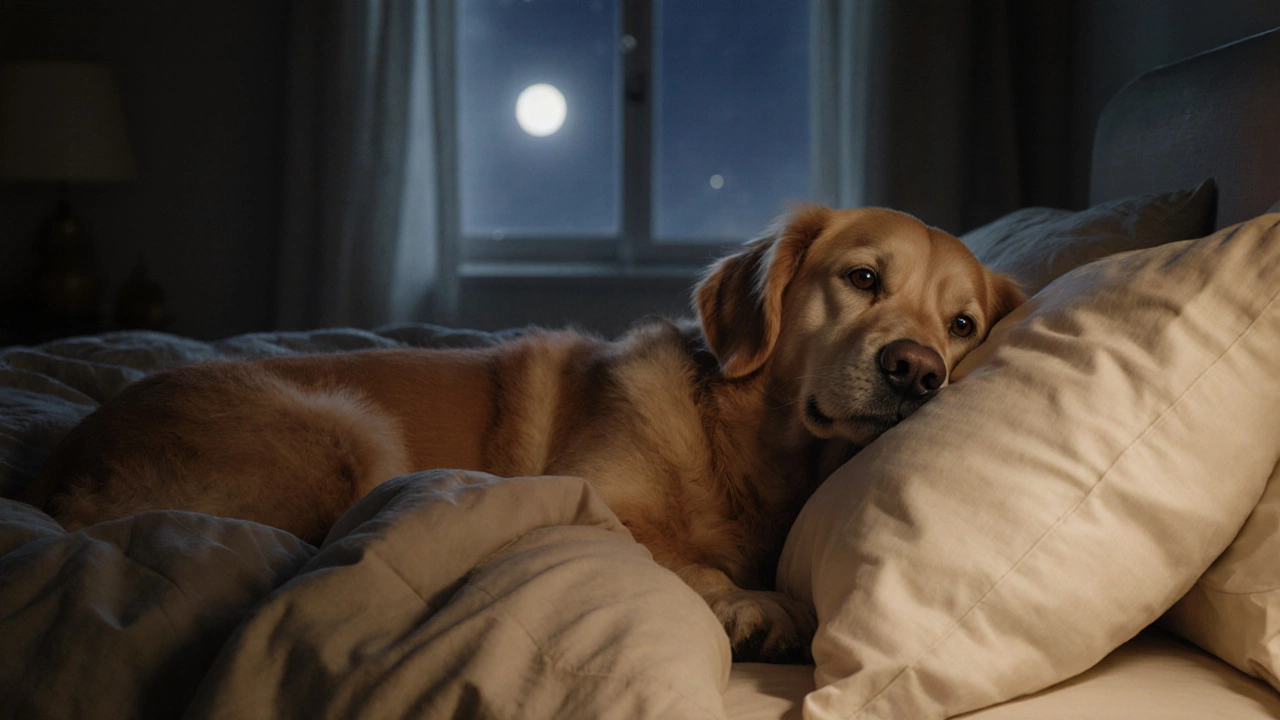
Why Does My Dog Sleep Next to My Bed? Dog Behavior Explained
Your dog sleeps next to your bed not because it’s spoiled, but because it trusts you, feels safe with your scent, and sees you as its pack leader. Here’s why-and what to do if you want to change it.